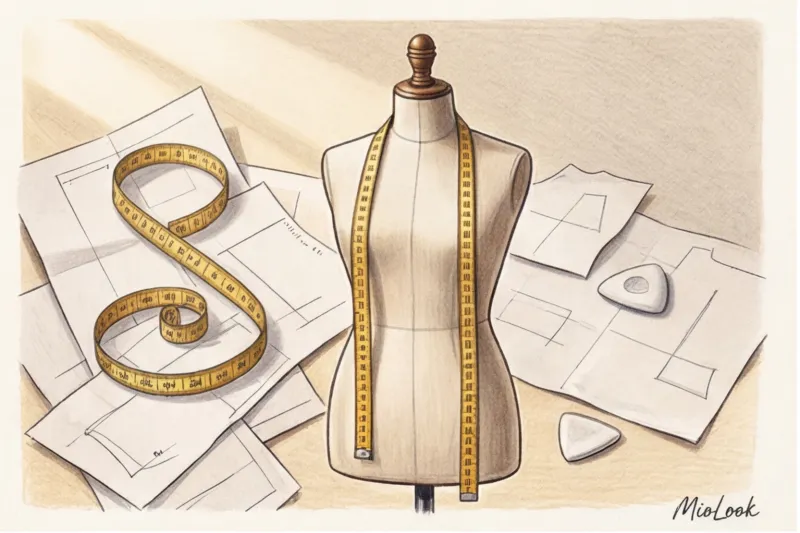
Конец диктатуры размеров: почему стандартная сетка больше не работает
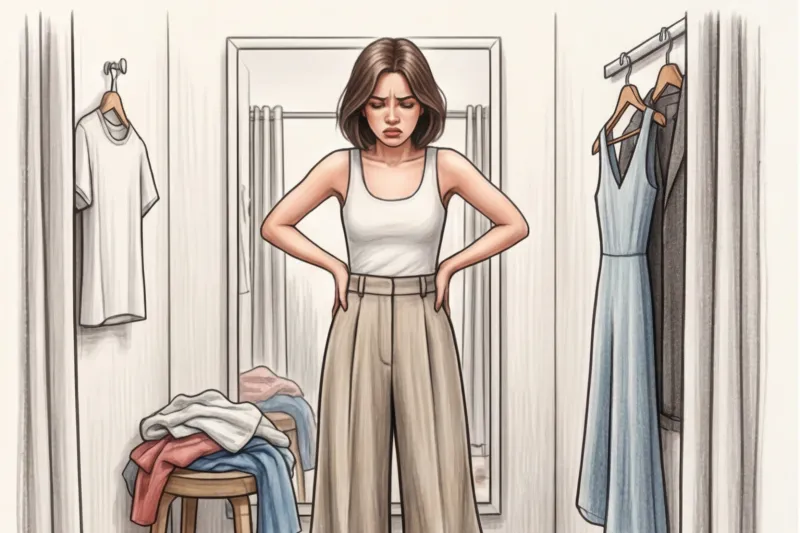
За 12 лет работы стилистом я видела сотни женских слез в примерочных кабинках. Одна из самых показательных историй произошла с моей клиенткой Анной — обладательницей роскошной, женственной фигуры. Мы подбирали инвестиционную базу, и она решила примерить премиальные брюки-палаццо стоимостью около 350 € своего привычного размера «М». Брюки безнадежно застряли на середине бедра. Анна моментально поникла, начала извиняться за «лишний вес» и винить свое тело.
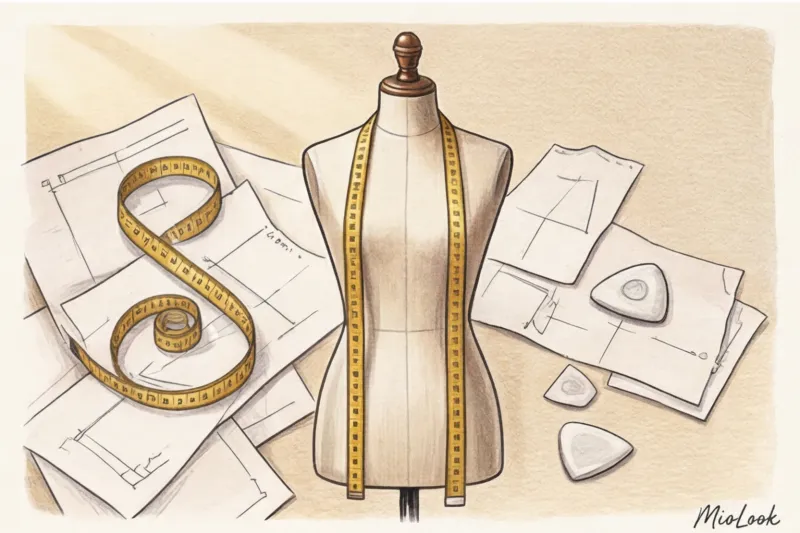
Мне потребовалось время, чтобы доказать ей: проблема совершенно не в её бедрах. Проблема кроется в том, что этот конкретный европейский бренд строит свои лекала исключительно на плоские ягодицы и узкий таз. Именно в такие моменты понимаешь, насколько необходимо современное приложение для подбора одежды по фигуре, способное предвидеть этот конфликт кроя и анатомии еще до того, как вы потянетесь за вещью на вешалке.
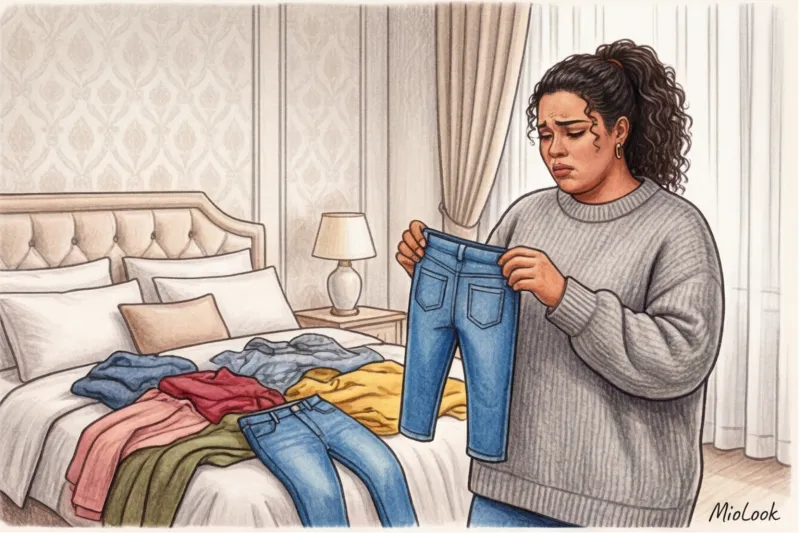
А вы замечали, как легко мы перекладываем ответственность за неудачную посадку на себя? Когда молния на юбке не сходится, первая мысль — «надо срочно худеть», а не «какой бездарный конструктор рисовал эту вытачку». Это глубоко укоренившийся психологический паттерн. Десятилетиями модная индустрия заставляла женщин подстраиваться под усредненные стандарты, вызывая чувство вины за малейшие отклонения от синтетической нормы.
Давайте заглянем в историю, чтобы понять абсурдность ситуации. Стандартная размерная сетка — это вовсе не эталон красоты, спущенный с небес. Это суровый экономический компромисс, родившийся в эпоху индустриализации (во многом на базе стандартов армейской униформы США 1940-х годов). Чтобы удешевить фабричный отшив, производителям масс-маркета пришлось усреднить миллионы уникальных женских тел до примитивного алгоритма: S, M, L. Покупательниц просто заперли в удобную для фабрик математическую формулу ради снижения себестоимости производства.
Сегодня маркировка размера — это абсолютная иллюзия. Заявленный «44 размер» или «М» у испанского масс-маркета и у скандинавского концепт-стора может отличаться в талии и бедрах на 5–7 сантиметров. Более того, многие марки активно используют vanity sizing (размерное тщеславие) — намеренно пришивают бирки меньшего размера, чтобы польстить покупательнице и стимулировать продажи. В результате в вашем шкафу могут мирно соседствовать вещи от XS до XL, и все они будут сидеть одинаково.
Мой главный инсайт как стилиста: идеальная фигура — это чистой воды миф. Не бывает «неправильных» тел. Существует лишь правильная или неправильная архитектура одежды для ваших конкретных пропорций.
Качественная вещь работает по законам инженерии. Она должна служить оправой для анатомии, а не футляром, в который нужно втиснуться любой ценой. Если мы хотим, чтобы повседневные комплекты или образы для встреч с клиентами выглядели статусно и дорого, необходимо анализировать не абстрактные буквы на бирке, а геометрию кроя. Как заложена вытачка? Какова высота проймы? Совпадает ли линия плеча?
Будущее гардероба — за алгоритмами, которые игнорируют буквенные ярлыки. Загружая свои параметры в MioLook, вы перестаете быть заложницей масс-маркет стандартов. Приложение считывает вашу биометрию и сопоставляет её с реальными лекалами, находя ту самую идеальную архитектуру, которая не потребует от вас ни слез в примерочной, ни жестких диет.
Интеллектуальная инклюзивность: что значит «приложение для подбора одежды по фигуре» сегодня?
А вы знали, что в парижских ателье haute couture никогда не спрашивают ваш размер? Для мастеров старой школы категорий «S», «M» или «44-й» просто не существует. Истинный люкс — это абсолютная, бескомпромиссная персонализация. И именно этот подход высокой моды сейчас переживает цифровую ренессанс-эпоху благодаря искусственному интеллекту.
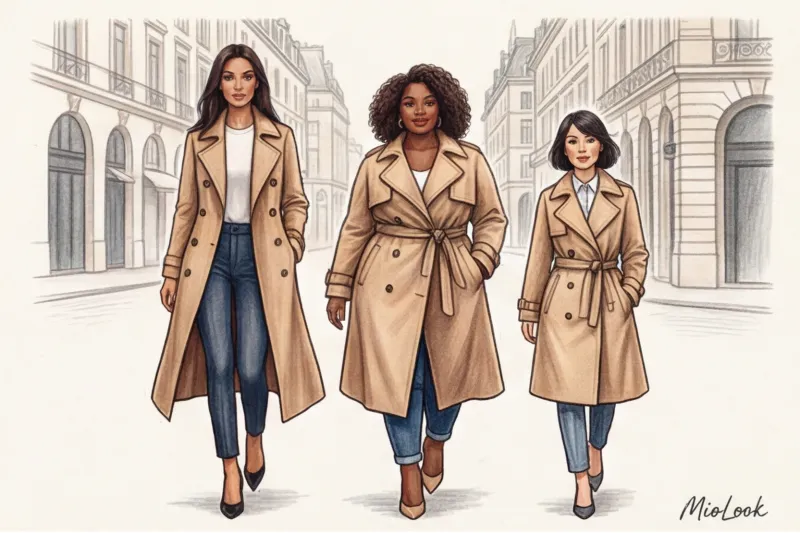
К сожалению, маркетинговые кампании масс-маркета сильно исказили само понятие инклюзивности. В массовом сознании этот термин стал синонимом исключительно сегмента Plus Size. Но как практикующий стилист я утверждаю: инклюзивная мода — это не только Plus Size, это учет роста (Petite и Tall), асимметрии, длины торса и перепадов объемов.
Девушка ростом 155 см, которая не может найти базовый тренч, потому что вытачки на груди оказываются у нее в районе талии — это тоже вопрос инклюзивности. Женщина с узкой грудной клеткой и спортивными, объемными бедрами, у которой любые классические брюки предательски топорщатся на пояснице — это тоже вопрос инклюзивности. Стандартная индустрия игнорирует их индивидуальность ради удешевления производства.
По данным аналитического отчета WGSN за 2024 год, более 40% возвратов одежды в интернет-магазинах происходят не из-за брака ткани, а из-за обманутых ожиданий посадки. Почему так происходит? Потому что индустрия предложила нам дешевый суррогат вместо реального решения.
Здесь крайне важно понимать колоссальную разницу между масс-маркет онлайн-примерочными (которые просто накладывают 2D картинку на ваше фото) и глубоким ИИ-анализом MioLook. Стандартные 2D-примерочные работают как бумажные куклы из нашего детства: они берут плоское изображение платья и растягивают его поверх вашей фотографии. Это визуальная иллюзия, которая не имеет ничего общего с законами физики и гравитации.
Настоящее интеллектуальное приложение для подбора одежды по фигуре работает принципиально иначе. Это полный отказ от поверхностных категорий в пользу сложной цифровой биометрии. Алгоритмы анализируют не просто контур тела — они считывают 3D-архитектуру вашей фигуры, оценивая точки натяжения, поведение ткани в динамике и баланс пропорций. По сути, ИИ выполняет ту же работу, что и закройщик индивидуального пошива, чей костюм обошелся бы вам минимум в 3000 €, только делает это за доли секунды.
Микропропорции вместо устаревших «фруктовых» типов фигур
Если вы до сих пор пытаетесь определить, кто вы — «груша», «яблоко» или «перевернутый треугольник», пожалуйста, остановитесь. Теория «фруктовых» типов фигур безнадежно устарела. Она была придумана стилистами на телевидении в 90-х годах просто для того, чтобы быстро и наглядно объяснять базовые правила широкой аудитории. В реальности женщина — это не фрукт, а сложная, уникальная биомеханическая система.
Настоящий секрет дорогого, статусного силуэта кроется в микропропорциях. Что это такое? Это высота бедра, покатость плеч, соотношение длины ног и туловища, ширина шага и даже угол наклона таза. Именно эти параметры определяют, почему одна и та же вещь на двух женщинах с абсолютно одинаковыми параметрами «90-60-90» будет смотреться диаметрально противоположно.
Приведу пример из своей практики. У меня были две клиентки с практически идентичным размером одежды. Мы подбирали им базовый гардероб в диапазоне 500–800 € за вещь. Но у одной из них талия была завышена (длинные ноги, короткий торс), а у другой, напротив, бедро начиналось низко. Первая в прямых брюках со стандартной посадкой выглядела так, словно вещь ей мала в шаговой зоне. Вторая в тех же брюках теряла рост — фигура казалась приземистой. Разница заключалась всего в 4 сантиметрах высоты бедра.
Как ИИ распознает эти нюансы, которые часто не замечает даже человеческий глаз в зеркале? Дело в том, что наше собственное восприятие крайне субъективно. Мы смотрим на себя фрагментарно: концентрируемся на зоне, которая нам не нравится (например, на животе), игнорируя общую геометрию. Мы втягиваем живот, выпрямляем спину — то есть позируем своему отражению.
Приложение на базе нейросетей лишено психологических фильтров. Оно строит объективную математическую матрицу тела. Искусственный интеллект видит, что у вас, например, покатые плечи, а значит, жакет с мягкой линией реглана сделает образ расслабленно-неряшливым, и вам требуется жесткая архитектурная линия плеча с подплечниками, чтобы сбалансировать силуэт.
Доступ к MioLook за €0,99 — разовый платёж
Умный AI-стилист проанализирует ваши микропропорции и подберёт вещи, которые сядут безупречно с первого раза.
Открыть доступ — €0,99 разовоОтказ от фруктовой типологии в пользу анализа микропропорций — это тот самый переход от масс-маркет мышления к философии осознанного инвестиционного гардероба. И теперь этот инструментарий доступен каждому в смартфоне.
Анатомия посадки: как ИИ-стилист анализирует архитектуру тела и геометрию кроя
Согласно данным ведущих европейских школ конструирования одежды (2023), более 70% визуальной привлекательности и статусности вещи зависит не от ее цвета, фурнитуры или громкого логотипа, а от скрытой геометрии кроя. Архитектура одежды — это строгая математика, где погрешность всего в полсантиметра способна полностью разрушить выверенный силуэт. То, что мы в обиходе называем «хорошо сидит», на языке профессионалов означает идеальный баланс между линиями тела и конструктивными узлами изделия.
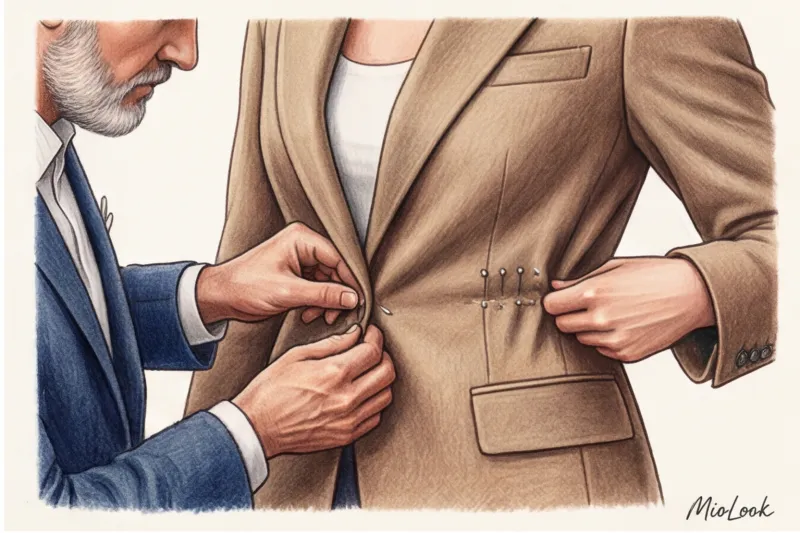
В высоком портновском искусстве (haute couture) есть непреложное правило: свобода движений обеспечивается не за счет ширины вещи, а за счет ювелирной точности лекал. Возьмем, к примеру, классический жакет. Секрет его комфорта кроется в правильной пройме (отверстии для рукава). Если пройма выкроена слишком низко и широко — что часто делают бренды масс-маркета ради универсальности — при любом поднятии руки весь жакет будет ползти вверх, искажая линию талии. У кутюрных изделий пройма всегда высокая и узкая, а свобода достигается за счет точного расчета ширины спинки и угла наклона рукава.
Именно этот уровень экспертизы сегодня доступен в цифровом формате. Искусственный интеллект не просто «видит» внешние контуры вашего тела, как это делали примитивные сканеры прошлых лет. Он детально понимает сложную конструкцию самой вещи: расположение нагрудных и талиевых вытачек, глубину проймы, градус наклона линии плеча и высоту горловины. Алгоритм оценивает ширину вашей спинки в динамике и сопоставляет ее с кроем изделия, прогнозируя, не будут ли скованы движения.
Истинная роскошь заключается не в лейбле на воротнике, а в том, как ткань взаимодействует с вашим телом в движении. Правильная посадка превращает обычную одежду во вторую кожу.
Один из самых сложных аспектов стилистики — это оценка «воздуха» (свободного объема) между телом и тканью. Многие ошибочно полагают, что трендовый оверсайз — это просто покупка вещи на два-три размера больше. Это фатальная стилистическая ошибка. Если объемная вещь не имеет правильной точки опоры (четко зафиксированной линии плеч или акцентированной талии), этот дополнительный «воздух» не скроет недостатки, а визуально прибавит вам до 10 килограммов веса. Алгоритмы высчитывают этот зазор с миллиметровой точностью, определяя, где ткань должна плотно прилегать, а где — создавать благородный объем, чтобы оверсайз выглядел как задумка дизайнера, а не как ошибка с размером.
По сути, мы получили цифровой аналог работы высококлассного портного. Интеллектуальное приложение для подбора одежды по фигуре, такое как MioLook, работает как виртуальное ателье премиум-класса. Программа берет производственные лекала конкретного бренда и математически накладывает их на вашу точную 3D-копию. Система проверяет каждую контрольную точку: совпадет ли вытачка жакета с вашей реальной высотой груди? Не будет ли заломов в области проймы? Хватит ли объема в бедрах, чтобы шлица на юбке не расходилась? Это полностью исключает фактор случайности при покупке.
Учет текстуры и пластичности ткани
Однако геометрия кроя — это лишь половина успеха. Вторая половина — это физика материалов. Почему одно и то же платье-комбинация, скроенное по абсолютно одинаковым лекалам, из плотного формодержащего хлопка встанет «колом» и создаст эффект колокола, а из струящегося шелка — мягко обогнет линии тела, формируя совершенно разный силуэт на одной и той же фигуре?
Для алгоритмов машинного обучения ткань больше не является просто визуальной текстурой. Современные системы прогнозирования посадки анализируют физические свойства материала: плотность нити, коэффициент драпируемости, эластичность и удельный вес. Система понимает, что жесткий лен плотностью 200 г/м² будет заламываться в зоне паха крупными, графичными складками, требуя дополнительной свободы облегания. В то же время вискоза или шелк мягко опадут вниз под собственным весом, вытягивая силуэт.
В моей практике инвестиционного стайлинга выбор ткани всегда первичен. Если вы формируете гардероб с прицелом на долговечность (где стоимость базовой единицы варьируется от 150 до 400 €), фактура обязана работать на статусность силуэта. Существуют материалы, которые практически всегда гарантируют премиальную посадку, если их правильно проанализировал ИИ. Это плотный шелк плотностью от 19 момме (который не просвечивает и не выдает малейшие неровности тела), качественная костюмная шерсть (категории Super 100s и выше), отлично держащая стрелки и лацканы, а также правильный плотный кашемир. Инвестируя в такие материалы и доверяя проверку посадки технологиям, вы избавляете себя от разочарований и пустых трат.
Инклюзивная мода в действии: от Plus Size до нестандартного роста
Знаете ли вы, как большинство брендов масс-маркета расширяют свою размерную сетку? В швейной индустрии этот процесс называется «градация лекал». Производители берут базовый образец — обычно размера S или M — и просто механически прибавляют по 2–4 сантиметра в ширину для каждого последующего размера. По данным исследования Института технологий моды (2022), почти 65% возвратов одежды в онлайн-магазинах связаны именно с нарушением баланса изделия при такой примитивной градации. Это катастрофическая ошибка конструирования, которая десятилетиями заставляет женщин с нестандартными формами чувствовать себя неуверенно.
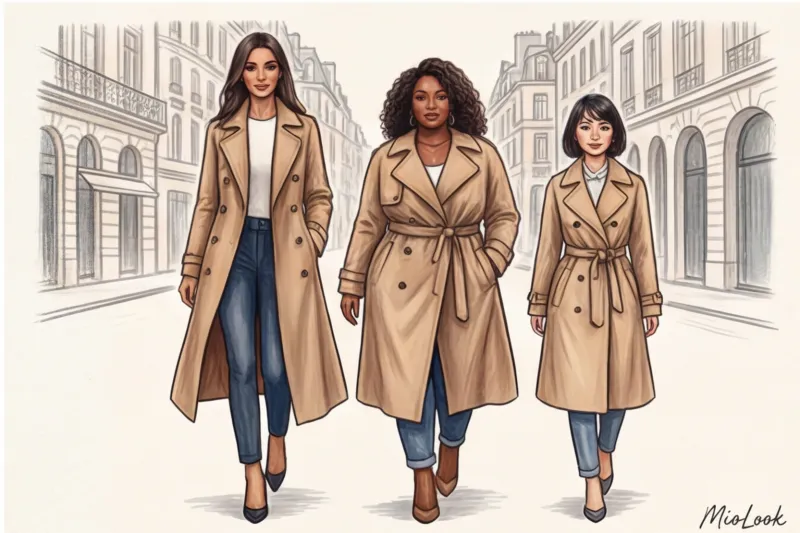
Самая частая и грубая ошибка при создании одежды Plus Size — это банальное увеличение вещи вширь без изменения архитектуры проймы и плечевого пояса. Из-за этого рукав предательски врезается в подмышку, а при малейшем движении рук вещь тянет за собой весь бок, создавая морщины напряжения на груди. Именно поэтому современное приложение для подбора одежды по фигуре не может полагаться только на маркировку бренда. Искусственный интеллект MioLook анализирует не абстрактные обхваты, а 3D-геометрию: глубину проймы, наклон плеча и распределение объема. Он безжалостно отфильтровывает вещи с «ленивым» кроем, предлагая только те лекала, которые действительно учитывают полнотную группу.
Работая с клиентками Plus Size, я всегда настаиваю на одном правиле инвестиционного гардероба: избегайте бесформенных мешковатых фасонов, за которыми так любят прятаться бренды фаст-фэшна. Премиальная посадка всегда строится на структурированных тканях и четких вертикалях. Качественный удлиненный блейзер из плотной костюмной шерсти (даже если он стоит в диапазоне 200–300 €) визуально соберет силуэт, задаст правильный каркас и прослужит долгие годы. В то же время бесформенный трикотажный кардиган за 40 € лишь добавит ненужного визуального веса и мгновенно удешевит образ. ИИ-алгоритмы умеют находить этот идеальный баланс между плотностью ткани и свободой облегания.
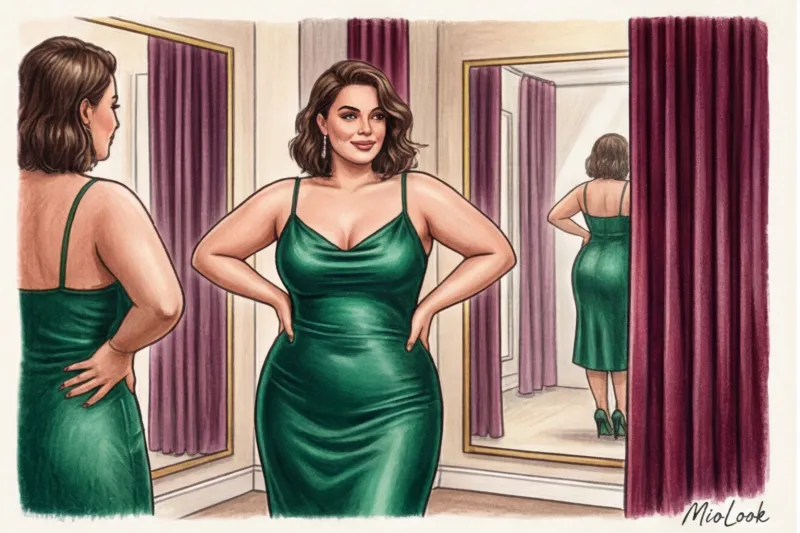
Не меньше сложностей испытывают и девушки Petite (рост до 160 см). Самый распространенный миф гласит: достаточно просто купить вещь стандартного размера, отнести в ателье и укоротить подол. На практике этот подход разрушает архитектуру одежды. У миниатюрных девушек совершенно иные микропропорции туловища: более короткая спинка и другая высота груди. Если вы наденете стандартное платье, нагрудные вытачки окажутся ниже нужной точки (создавая визуальный эффект обвисшей груди), а линия талии сместится к бедрам, делая ноги короче. Система MioLook вычисляет длину вашего торса и находит модели, где важнейшие конструктивные узлы изначально расположены на правильной высоте.
Еще одна головная боль, которую мы успешно решаем с помощью умных технологий — это разница размеров верха и низа. У одной из моих клиенток-руководителей фигура с выраженной спортивной геометрией: широкие плечи (размер L) и узкие бедра (размер S). Годами она избегала статусных брючных костюмов, потому что готовые комплекты сидели на ней комично. Вместо того чтобы покупать компромиссные вещи, мы используем алгоритмы для формирования гармоничных комплектов из сепаратных элементов. ИИ анализирует тональность, текстуру и матовость тканей так, чтобы брюки и блейзер от разных производителей или из разных линеек выглядели как единый монолитный костюм индивидуального пошива.
Доступ к MioLook за €0,99 — разовый платёж
Начните создавать идеальные образы с помощью искусственного интеллекта и соберите гардероб, который работает на вас.
Открыть доступ — €0,99 разовоИнклюзивность в моде сегодня — это не создание отдельных полок для «нестандартных» фигур. Это глубокий технологичный подход, который возвращает одежде ее изначальную функцию: служить вашему телу, подчеркивая его достоинства. Перекладывая рутину поиска правильных лекал на нейросети, вы инвестируете свое время в более важные вещи, сохраняя уверенность в безупречности своего образа.
Цена ошибки: почему плохая посадка убивает статусность образа (Cost per Wear)
Давайте поговорим о математике стиля и инвестициях. Часто на разборах гардероба мы с клиентками сталкиваемся с одним и тем же парадоксом: почему на одной женщине лаконичный хлопковый тренч смотрится как эксклюзив от The Row, а на другой дизайнерское пальто за 3000 € выглядит так, словно оно с чужого плеча? Ответ кроется в геометрии силуэта. Дорогая вещь с плохой посадкой всегда выглядит дешево. В то же время демократичная вещь с идеальной посадкой выглядит на миллион.
Моя профессиональная философия как стилиста предельно бескомпромиссна: лучше иметь в шкафу 10 идеально сидящих вещей, чем 50 «компромиссных» вариантов, купленных в порыве эмоций на распродаже.
Что именно выдает эту визуальную «дешевизну», даже если вы одеты в премиальный кашемир или шелк? В портновском искусстве есть термин — морщины напряжения. Это главные маркеры дешевого образа.
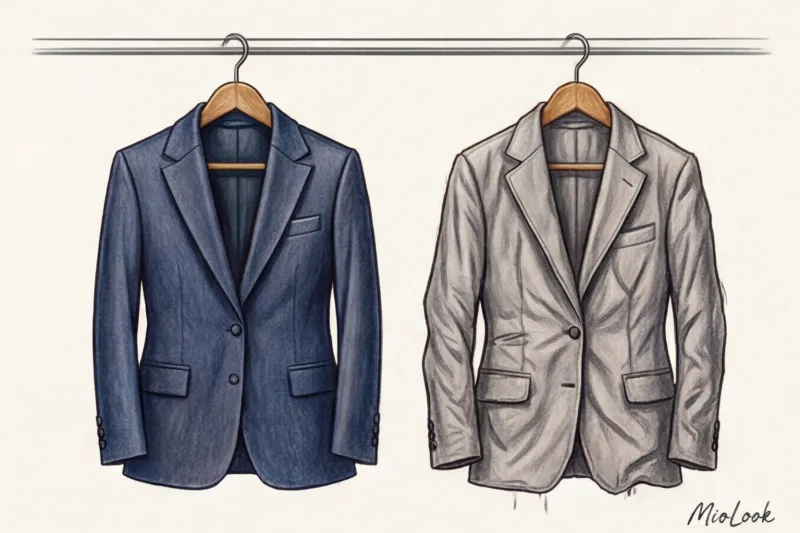
Вы наверняка замечали горизонтальные заломы в паху на классических брюках. Или предательское натяжение ткани между пуговицами на груди. А может быть, пройма блузы приподнимает все плечо изделия при малейшем движении руки? Это происходит, когда архитектура лекала жестко конфликтует с вашей анатомией. Ткань всегда «ищет» точку опоры, и если крой не учитывает ваши микропропорции, вещь начинает морщить, ломаться и ползти вверх.
«Основа статусности — это не логотип на подкладке, а то, как ткань струится вдоль тела, не встречая препятствий. Любое натяжение мгновенно разрушает иллюзию роскоши и выдает плохой крой».
Здесь на сцену выходит концепция Cost per Wear (цена за выход) — главный аналитический инструмент при формировании капсулы. Почему инвестиции в одежду, которая сидит безупречно, всегда окупаются? Давайте проведем расчет рентабельности на примере базового жакета.
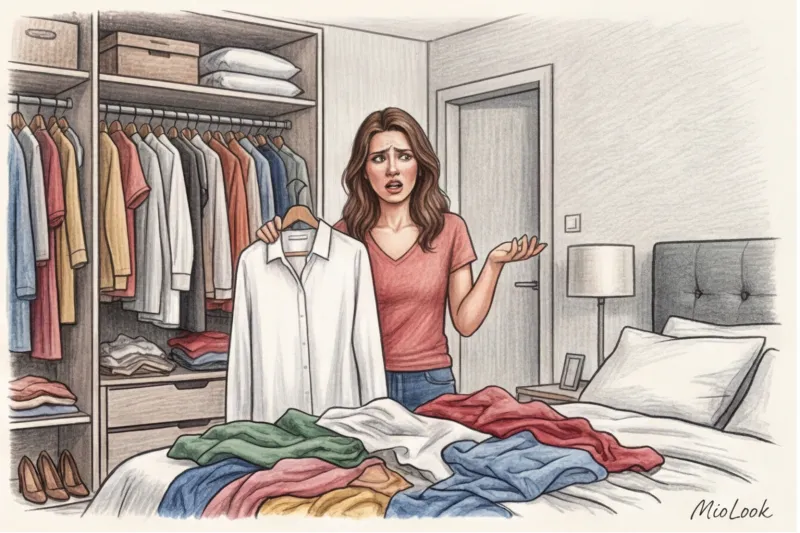
Представьте, что вы покупаете пиджак за 80 €, который слегка тянет в плечах, но вы решаете, что «за такую цену можно потерпеть». Вы надеваете его дважды, испытываете физический дискомфорт, постоянно одергиваете лацканы и в итоге вешаете на дальнюю штангу. Ваша цена за выход составила 40 €. Теперь возьмем идеально скроенный по вашей фигуре блейзер из качественной смесовой шерсти за 450 €. Вы надеваете его на переговоры, набрасываете поверх шелковых платьев вечером, носите с джинсами в выходные — минимум 50 раз за год. Цена за выход падает до 9 €! И каждый из этих 50 раз вы чувствуете себя уверенно.
Именно компромиссные покупки «на один раз» формируют то, что я называю «шкафными висяками». По данным исследования The Business of Fashion (2023), около 65% гардероба среднестатистической женщины состоит из вещей с бирками или надетых всего однажды. Прежде чем отправиться на следующий шопинг, проведите честный аудит. У одной моей клиентки, финансового директора, общая стоимость таких неношеных вещей превысила 4000 € за два года. Это замороженный капитал.
Как использование ИИ для подбора одежды решает эту финансовую проблему? Алгоритмы MioLook работают как строгий превентивный фильтр. Интеллектуальная система просто не порекомендует вам брюки, если биометрический анализ показывает, что высота вашего бедра не совпадает с лекалами бренда — а значит, там неизбежно возникнут те самые заломы в паху. Исключая вещи с потенциально плохой посадкой еще до этапа оплаты, ИИ-стилист сводит количество спонтанных ошибок к нулю, оставляя в вашем гардеробе только те силуэты, которые работают на ваш статус.
Чек-лист: как обучить приложение для подбора одежды по фигуре понимать вас на 100%
В мире data science есть золотое правило: «мусор на входе — мусор на выходе». Когда ко мне обращаются клиентки с жалобами на то, что виртуальные примерочные рекомендуют им несуразные вещи, я первым делом прошу показать исходные настройки их профиля. И в 8 из 10 случаев мы находим причину именно там. Даже самое продвинутое приложение для подбора одежды по фигуре не сможет посадить на вас безупречный структурированный жакет за 400 €, если ваши базовые биометрические данные искажены или алгоритму не хватает контекста.
Чтобы ИИ-стилист превратился из базового советчика в вашего персонального цифрового портного, его нужно правильно обучить. Предлагаю пошаговый алгоритм, который я даю всем своим подопечным.
Правильное создание цифрового аватара
Чтобы ИИ понял вашу реальную, а не воображаемую архитектуру, ему нужен честный исходник. Самая частая ошибка — сканирование или снятие мерок в свободной домашней одежде. Ткань дает лишние сантиметры, и алгоритм начинает подбирать вещи для совершенно другого человека.
Для создания точного аватара надевайте гладкое белье или максимально облегающий спортивный топ с легинсами. Обратите критическое внимание на свет: он должен падать прямо на вас, а не светить в камеру со спины (никаких окон на фоне!). Резкие боковые тени безжалостно искажают контуры тела, добавляя несуществующие объемы в области талии и бедер, из-за чего система может ошибочно причислить вас к другому типажу пропорций.
Обратная связь: диалог с алгоритмом
Машинное обучение требует постоянной калибровки. Если вы заказали вещь по рекомендации системы, примерили ее вживую, но она тянет в пройме или некрасиво морщит в паховой зоне — не игнорируйте это. Обязательно отметьте этот нюанс.
Функционал обратной связи в MioLook работает ровно так же, как примерка в ателье. Вы сообщаете: «здесь слишком туго», и ИИ мгновенно вносит корректировки в вашу цифровую матрицу, навсегда вычеркивая подобные лекала из будущих рекомендаций. Без ваших комментариев система решит, что покупка оказалась успешной, и продолжит предлагать аналогичный крой.
Формирование «белого списка» лекал
Каждое ваше подтверждение удачной посадки помогает приложению формировать ваш личный «белый список». Секрет в том, что алгоритм запоминает не названия брендов, а конкретную геометрию их лекал.
Например, если ИИ видит, что на вашу высоту бедра и прогиб поясницы идеально садятся классические брюки от Massimo Dutti или COS, он анализирует их конструкцию: угол наклона вытачек, глубину посадки, ширину шагового шва. В дальнейшем он начнет искать ровно такую же геометрию у совершенно других марок — от бюджетных до премиальных. Вы перестаете зависеть от этикетки на воротнике и переходите к шопингу, основанному на чистой математике кроя.
Секрет стилиста: реверсивный инжиниринг гардероба
«Идеальный способ ускорить обучение нейросети — провести аудит уже имеющихся у вас сокровищ. Алгоритм гораздо быстрее поймет ваши потребности, если вы покажете ему готовый эталон, который уже работает на вашу статусность».
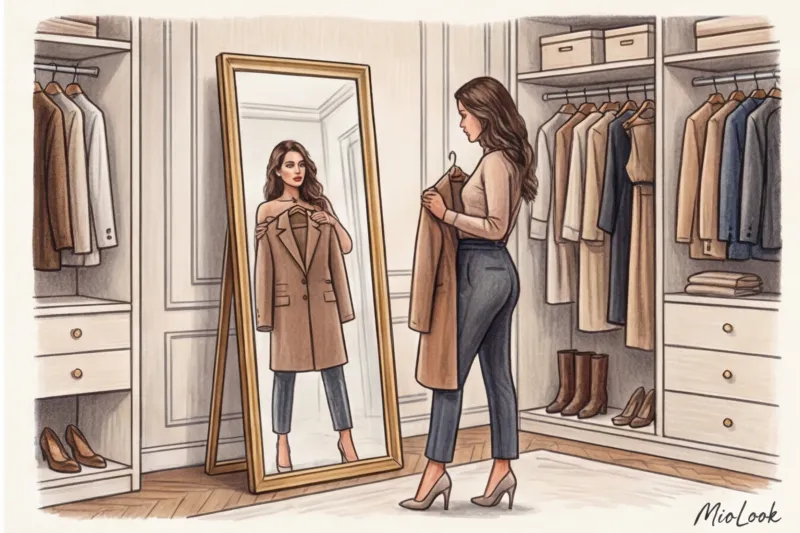
Я всегда прошу клиенток проанализировать 2-3 самые любимые вещи в шкафу, которые сидят безупречно. Почему вы чувствуете себя в них уверенно? Дело не в оттенке ткани. Дело в том, как именно скроено плечо, где зафиксирована линия талии и какая заложена свобода облегания. Найдите аналоги этих вещей через приложение и отметьте их как эталонные. Понимание того, какой крой уже успешно интегрирован в ваш стиль, станет лучшим трамплином для работы алгоритма.
Ваш идеальный образ
начинается здесь
Присоединяйтесь к тысячам пользователей, которые каждый день выглядят безупречно с MioLook.
Открыть доступ — €0,99 разовоОт масс-маркета к персональному кутюру: будущее вашего гардероба с MioLook
Историки моды часто называют появление prêt-à-porter в середине прошлого века великим освобождением. Но давайте будем честны: массовое производство избавило нас от месяцев ожидания в портняжных мастерских, но взамен загнало в тесную клетку усредненных стандартов. По данным аналитического отчета McKinsey о будущем ретейла (2024), 68% возвратов одежды происходят из-за банального разочарования в посадке. Мы настолько привыкли к этой фрустрации, что процесс шопинга для многих превратился в изматывающую лотерею.
Интеллектуальное приложение для подбора одежды по фигуре полностью меняет эту устоявшуюся парадигму. Мы наконец-то переходим от слепого угадывания и стресса в тесных кабинках к уверенному, осознанному выбору. Выбирая вещь онлайн или планируя поход в бутик, вы больше не гадаете, сойдется ли юбка в талии и не будет ли жакет морщить в плечах — результат взаимодействия ткани и вашего тела известен заранее.
Возвращение утраченной эксклюзивности
Когда я сопровождаю клиенток на примерках в закрытых шоурумах Милана, я всегда обращаю их внимание на то, как работают мастера индивидуального пошива. Раньше такой уровень персональной заботы — когда учитывается каждый миллиметр перепада объемов, легкая асимметрия плеч или уникальная длина торса — был доступен исключительно клиентам элитных ателье, где цены на базовый шерстяной костюм начинаются от 3 500 €. Сегодня алгоритмы MioLook работают как ваш личный цифровой кутюрье, возвращая то самое ощущение эксклюзивности в повседневный шопинг.
Истинная революция fashion-tech заключается не в виртуальных примерочных, а в том, что алгоритмы анализируют архитектуру тела так же бережно и скрупулезно, как это делает опытный закройщик, создавая персональное лекало.
Инвестируйте в посадку, а не в тренды
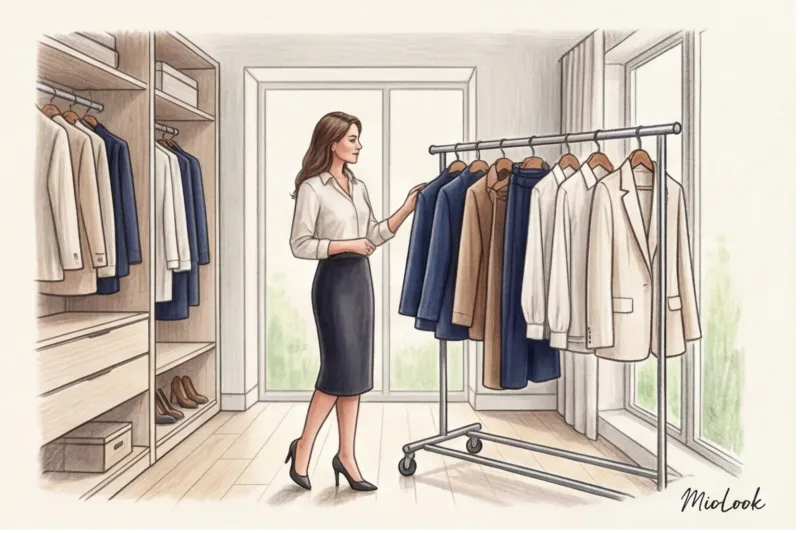
Как консультант по премиальному стилю, я всегда призываю своих клиенток радикально изменить вектор покупок. Прекратите скупать мимолетные тренды масс-маркета, которые теряют актуальность через три месяца. Начните собирать свой инвестиционный капсульный гардероб, опираясь исключительно на безупречную геометрию кроя.
Чтобы этот переход был максимально эффективным, сделайте три практических шага уже сегодня:
- Проведите безжалостную ревизию. Откройте шкаф и отложите вещи, которые вы не надевали больше года. В 90% случаев их проблема кроется не в цвете или устаревшем фасоне, а в компромиссной посадке.
- Оцифруйте свои «хиты». Найдите те самые идеальные брюки, в которых вы получаете больше всего комплиментов, и проанализируйте их силуэт с помощью ИИ-стилиста, чтобы алгоритм понял ваши лучшие пропорции.
- Смените фокус бюджета. Пусть это будет один роскошный кашемировый свитер за 250 €, который облегает вас так, словно его вязали на заказ, вместо пяти бесформенных акриловых джемперов по 50 €, визуально искажающих фигуру.
Уверенность в себе — это самый дорогой аксессуар, который невозможно купить, но можно выстроить. Когда вы точно знаете, что линия плеча вашего пиджака идеальна, а брюки не образуют лишних складок при ходьбе, меняется ваша осанка, походка и даже язык тела.
На протяжении всего XX века индустрия моды упорно пыталась втиснуть женское тело в жесткие индустриальные лекала ради удешевления производства. Величайший парадокс современности заключается в том, что именно высокие технологии — строгие математические алгоритмы и нейросети — наконец-то разорвали этот шаблон. Они доказали важнейшую истину: не вы должны подстраиваться под одежду. Одежда должна подстраиваться под вас. И благодаря умным инструментам, эта привилегия теперь всегда в вашем кармане.
Главы гайда
Базовый гардероб для беременных: умный подход и ИИ
Специализированная одежда для будущих мам — это маркетинговый миф. Узнайте, как с помощью умного кроя и ИИ сохранить свой стиль и элегантность.
Верх и низ разных размеров: как подобрать одежду стильно
Забудьте про устаревшие советы и фабричные стандарты. Рассказываем, как собрать идеальный гардероб, если ваши плечи и бедра носят разные размеры.
Одежда для фигуры перевернутый треугольник: советы ИИ
Архитектура вашего тела — это подиумный стандарт, а не недостаток. Узнайте, как подобрать идеальные вещи для статной фигуры, не прячась за оверсайзом.
Идеальный стиль: какая одежда подходит для большой груди
Устали прятать роскошный бюст в бесформенных худи? Разбираем анатомию посадки и рассказываем, как подобрать идеальные вещи без устаревших правил.
Как скрыть живот одеждой: советы для фигуры «Яблоко»
Проблема не в вашем теле, а в неправильной ткани. Разбираем на примерах от стилиста, какие фасоны идеально скорректируют фигуру «яблоко» без жестких диет.
Тип фигуры груша: как одеваться и сбалансировать бедра
Устали прятать широкие бедра за бесформенными вещами? Узнайте, как математика кроя и виртуальная примерочная навсегда изменят ваш подход к гардеробу.
Как правильно снять мерки для покупки одежды: гайд
70% возвратов в онлайн-шопинге происходят из-за ошибок с размером. Рассказываем, как точно измерить свои параметры для ИИ-стилиста и забыть о неудачных покупках.
Идеальный стиль одежды для высоких девушек: база и ИИ
Стандартные лекала не подходят на рост от 175 см? Узнайте, как собрать базовый гардероб и подобрать идеальные пропорции с помощью нейросетей.
ИИ-стилист: подбор одежды для полных женщин
Когда вещь не сидит — виноваты лекала, а не ваше тело. Узнайте, как искусственный интеллект ломает устаревшие стереотипы и находит идеальные вещи.
Одежда для невысоких девушек: как подобрать вещи с ИИ
Укоротить рукава — не значит посадить вещь по фигуре. Узнайте, почему стандартные лекала портят пропорции миниатюрных девушек и как ИИ решает эту проблему.
ИИ MioLook: как определить размер одежды онлайн без ошибок
Почему сантиметровая лента — ваш главный враг при онлайн-шопинге? Узнайте, как искусственный интеллект MioLook помогает безошибочно подбирать вещи.