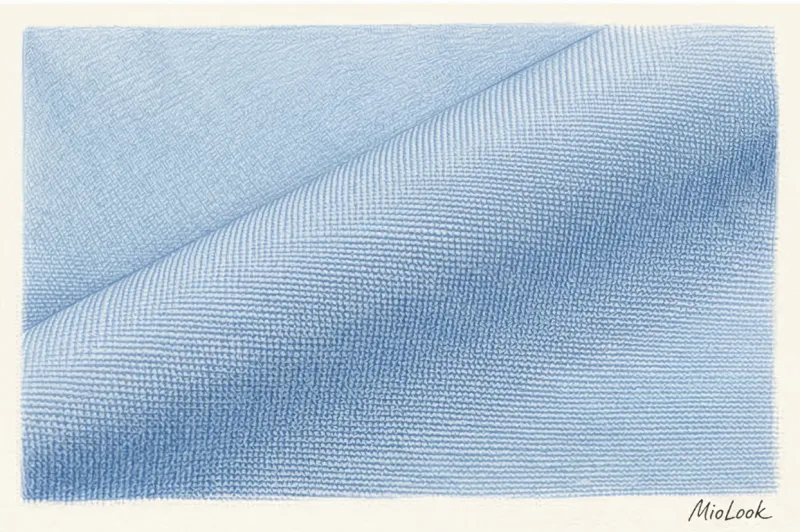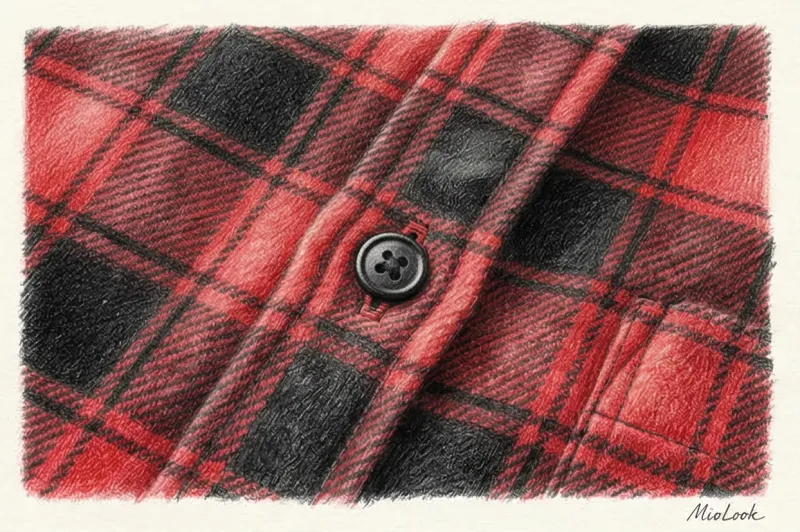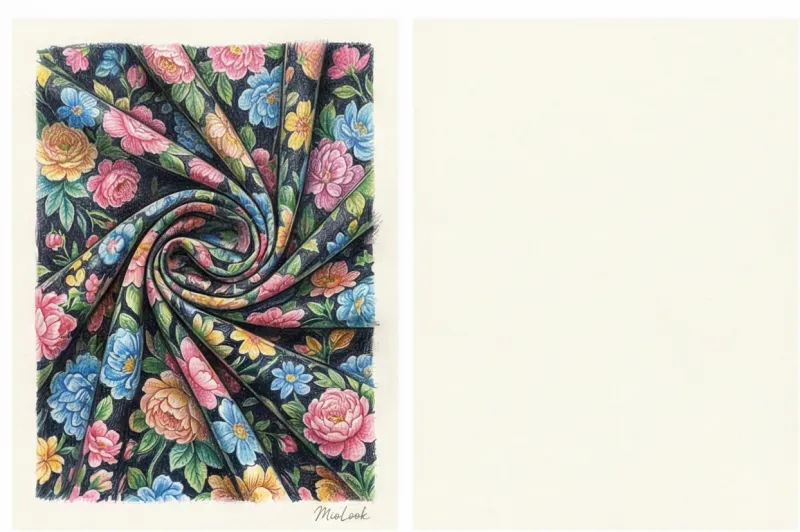
Staple fabric is a soft plain weave textile traditionally made from a blend of cotton and viscose. The material features high breathability, a fluid drape, and typically comes in vibrant prints. Clothing brands use this cloth to create lightweight summer dresses, trousers, and blouses.
What Is Staple Fabric Made Of?
The term originates from the German word "Stapel," which translates to a bundle or stack. In textile manufacturing, this word describes short, cut lengths of fiber that are spun together to create thread, as opposed to continuous filament yarns like silk or synthetic nylon.
Modern staple cloth primarily consists of a blend of natural cotton and artificial viscose fibers. Manufacturers most frequently use a 50/50 ratio, though 40/60 and 80/20 blends are also common. This specific combination merges the best qualities of both materials. Cotton provides durability, structure, and natural breathability, while viscose adds a silky texture, enhanced softness, and a subtle sheen.
The textile gained widespread popularity in the mid-twentieth century. Post-war consumers needed affordable, comfortable, and practical materials for everyday wear. Staple material met all these requirements while offering an excellent canvas for vibrant, long-lasting dyes.
Key Properties of Staple Material
Understanding the characteristics of this textile helps explain why it remains a popular choice for warm-weather clothing. The fabric offers several distinct advantages, alongside a few notable drawbacks.
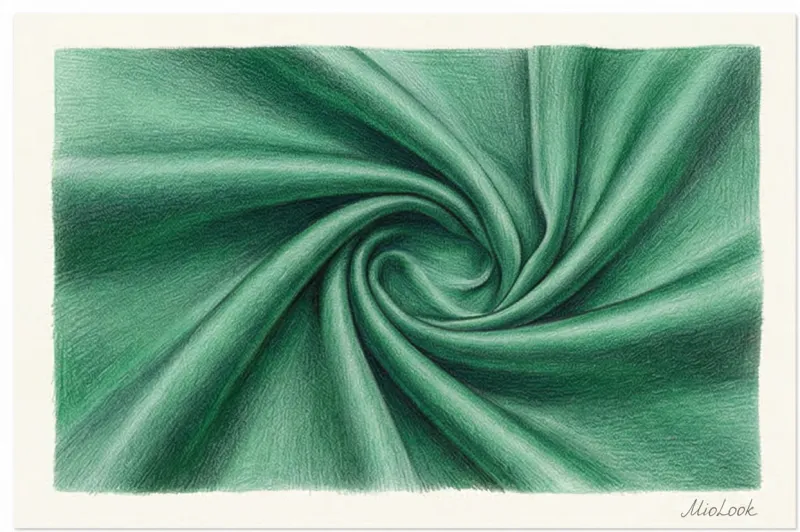
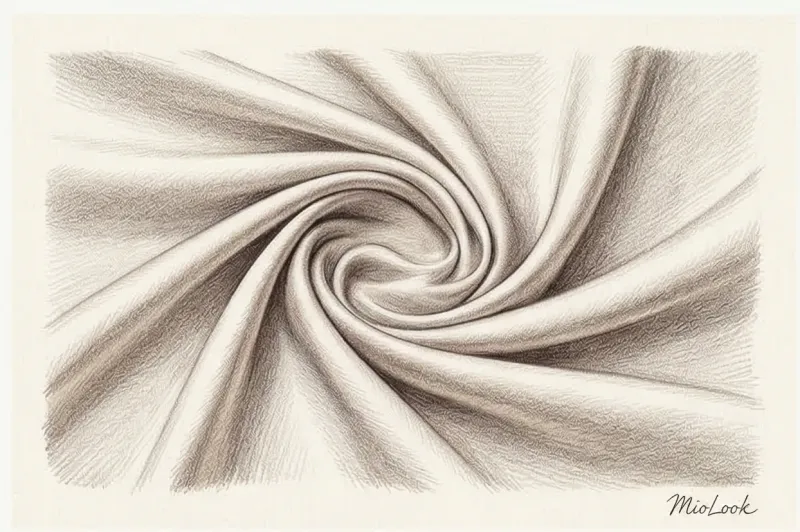
The primary visual characteristic of staple cloth is its exceptional drape. The material falls into beautiful, fluid folds that contour the body without adding excess volume. This makes it highly flattering for various body types, as the silhouette remains light and airy.
From a practical standpoint, the fabric is highly hygroscopic. It absorbs moisture quickly and efficiently, pulling sweat away from the body. Combined with its excellent breathability, this property ensures maximum comfort during hot and humid weather.
However, the composition brings two significant disadvantages. First, the material is highly prone to wrinkling. The combination of cotton and viscose lacks natural elasticity, meaning creases form quickly during normal wear. Second, the fabric experiences significant shrinkage upon contact with water. A new garment can shrink by 5 to 7 percent along its length after the first wash, a factor designers must account for during pattern making.
Is Staple Fabric for Winter or Summer?
Shoppers frequently ask whether staple fabric is for winter or summer wardrobes. Because of its specific fiber composition and physical properties, this textile is strictly designed for summer and warm-weather wear.
The material lacks the density and insulating properties required to retain body heat in cold climates. Instead, the viscose content provides a distinct cooling sensation against the skin. When combined with the fabric's ability to absorb moisture and allow air circulation, it acts as a natural climate control system for the body on hot days. Wearing this cloth in winter would result in immediate discomfort, as the thin, breathable weave offers zero protection against cold winds or low temperatures.
Characteristics of Staple Cloth
| Characteristic | Details |
|---|---|
| Composition | Cotton and viscose blends (typically 50/50, 40/60, or 80/20) |
| Weave Type | Plain weave |
| Seasonality | Summer, late spring, early autumn |
| Shrinkage Rate | High (5–7% along the length) |
| Elasticity | Low (does not stretch) |
| Texture | Smooth, soft, fluid drape |
Common Uses in Fashion
Designers traditionally utilize this material to create loose-fitting, relaxed garments. The fabric's inability to stretch means it is unsuitable for tight, form-fitting clothes. Instead, it shines in designs that require movement and flow.
Typical garments include summer sundresses, midi and maxi dresses, wide-leg palazzo trousers, tiered skirts, and lightweight blouses. The fluid drape makes it an excellent choice for tiered or ruffled designs, as the fabric gathers beautifully without looking stiff or bulky.
Manufacturers divide the textile into two main categories: plain-dyed (solid colors) and printed. The printed variety dominates the market. Classic patterns include small floral motifs on dark backgrounds, polka dots, and intricate geometric designs. The fibers hold dye exceptionally well, resulting in rich, fade-resistant colors.
"Staple Fabric" vs. "Wardrobe Staples": Understanding the Meaning
There is often confusion between the textile itself and the phrase "staple pieces." When fashion articles discuss "staple pieces meaning," they are usually referring to fundamental, versatile items that form the foundation of a wardrobe. A classic trench coat, a well-fitted pair of jeans, or a crisp white button-down shirt are considered wardrobe staples.
In contrast, staple fabric is a specific physical material. A garment made from staple cloth might be a trendy, brightly patterned summer dress that you only wear on vacation—meaning it is made of staple fabric, but it is not a wardrobe staple. Conversely, a plain black midi skirt made from this textile could serve as both a wardrobe staple and a garment constructed from staple material.
Care Instructions for Staple Cloth
Proper maintenance is crucial to preserve the color, shape, and texture of the garments. Because viscose fibers lose a significant amount of their tensile strength when wet, the fabric requires gentle handling during the washing process.
Always wash these items by hand or use a washing machine's delicate cycle. Keep the water temperature strictly at or below 30°C to minimize the inevitable shrinkage. Use mild liquid detergents rather than harsh powders, and never use bleach. Avoid aggressive rubbing, twisting, or high-speed spinning, as this will damage the weakened wet fibers and distort the garment's shape.
Dry the clothes flat on a towel or hang them on padded hangers. Keep them away from direct sunlight to prevent the vibrant prints from fading. Iron the garments from the reverse side using a medium temperature setting suitable for cotton or silk. It is best to iron the material while it is still slightly damp. If the fabric is completely dry, use a damp pressing cloth to prevent shiny streaks, known as glazes, from forming on the surface.