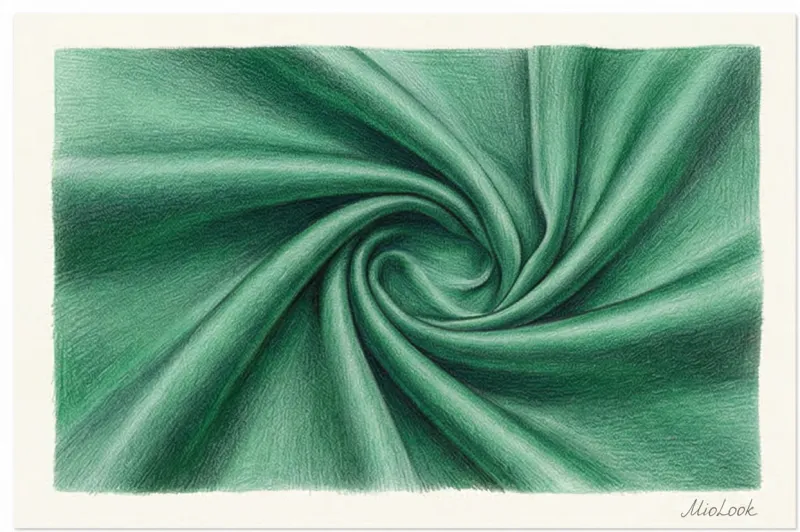
What is viscose?
Viscose — is an artificial fabric obtained from natural raw materials, mainly from wood cellulose of pine, beech or eucalyptus.
To understand viscose, it's important to consider its production process: it involves chemically treating wood chips to form a viscous mass. This solution is then spun into fine threads that form the basis of the future fabric.
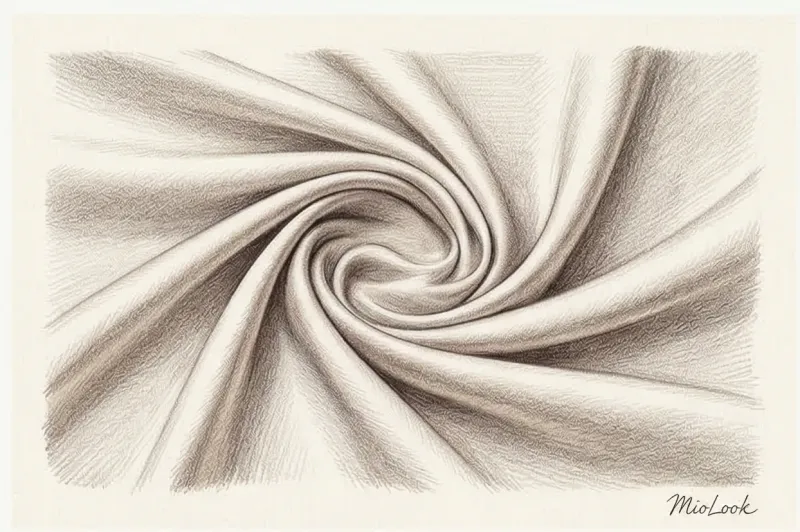
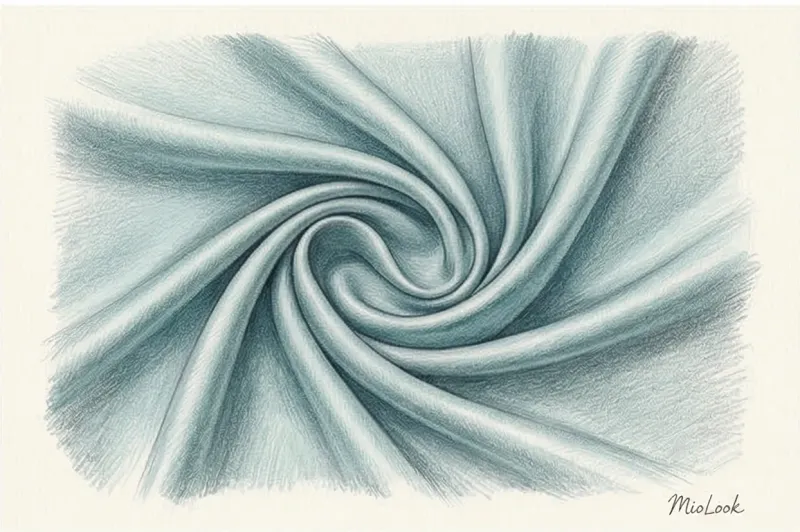
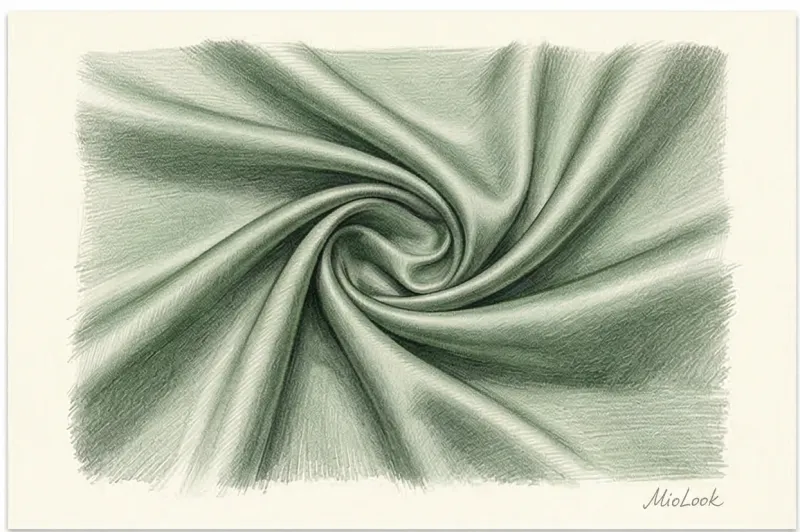
The material combines the properties of natural and synthetic fibers. It boasts high breathability, comparable to cotton, while being smooth and able to form soft folds like silk. Viscose is highly hygroscopic, absorbing moisture twice as effectively as cotton. It does not accumulate static electricity and is easily dyed in rich shades.
Main types
Depending on the production technology and raw materials, there are several types of viscose fabrics.
- Modal Modal is an improved first-generation viscose. The material boasts increased tear resistance and virtually no shrinkage after washing. Modal is used for underwear, T-shirts, and loungewear.
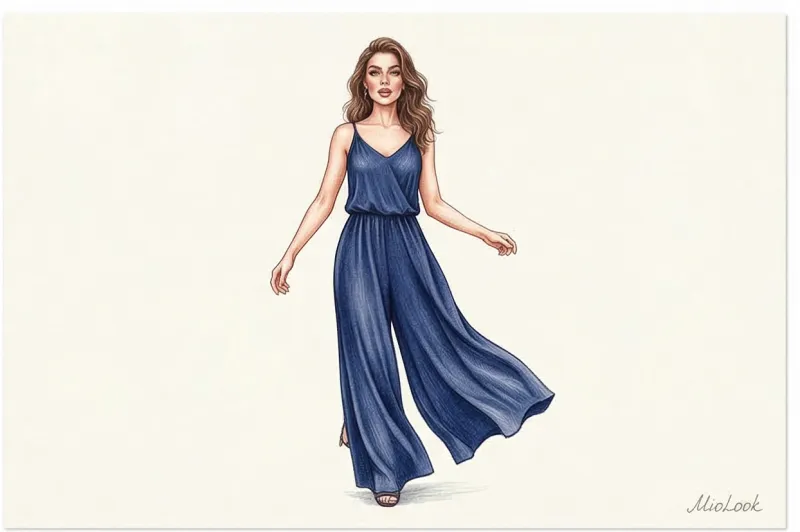
- Lyocell or Tencel (Lyocell / Tencel) — premium viscose made from eucalyptus wood. Produced using an environmentally friendly, closed-loop process that reuses solvents. The fabric is durable, silky to the touch, and has a mild antibacterial effect.
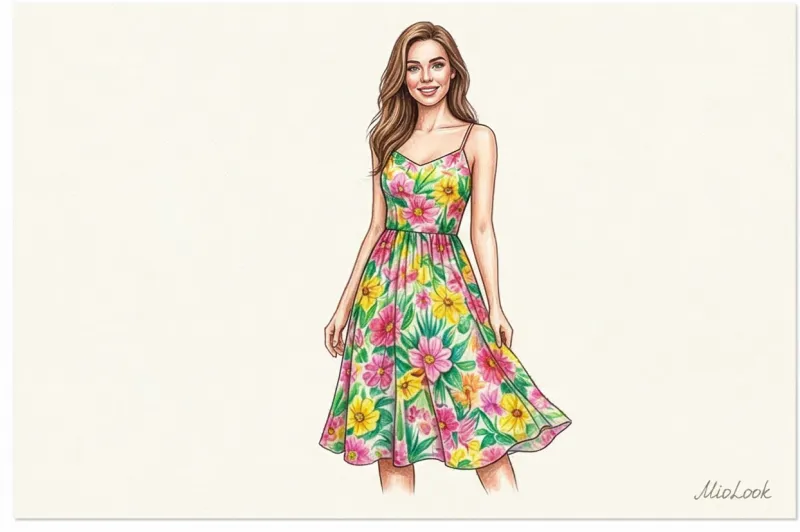
- Cupro — made from cotton cellulose. The material's appearance and feel resemble that of thick silk. Cupro drapes beautifully and is traditionally used to create elegant dresses, as well as a high-quality lining for classic suits.
- Acetate — a material with a pronounced sheen that holds its shape well and retains pleats, including pleats. Acetate is less breathable than other types of viscose, so it is most often used for lining fabrics.
Care Features
When wet, viscose loses up to 50% of its strength. The fabric requires delicate machine or hand washing at temperatures no higher than 30°C using mild liquid detergents.
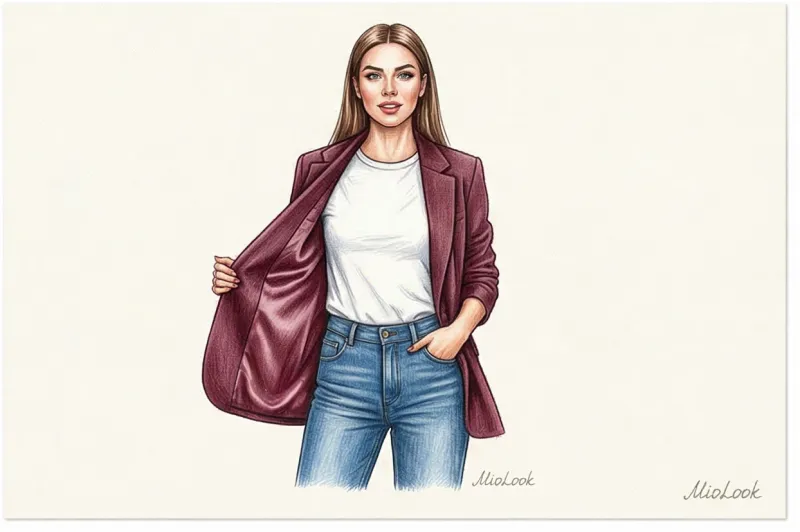
Viscose items should never be wrung out or subjected to high spin cycles in a washing machine. Harsh mechanical stress can cause irreversible deformation and fiber breakage.
Viscose clothing should be dried flat, away from direct sunlight and heating devices to minimize the risk of shrinkage.
Iron items inside out at the lowest temperature setting appropriate for silk. Ideally, iron when the fabric is still slightly damp. Using the steam function is not recommended, as hot drops can leave permanent stains on the surface of the fabric.