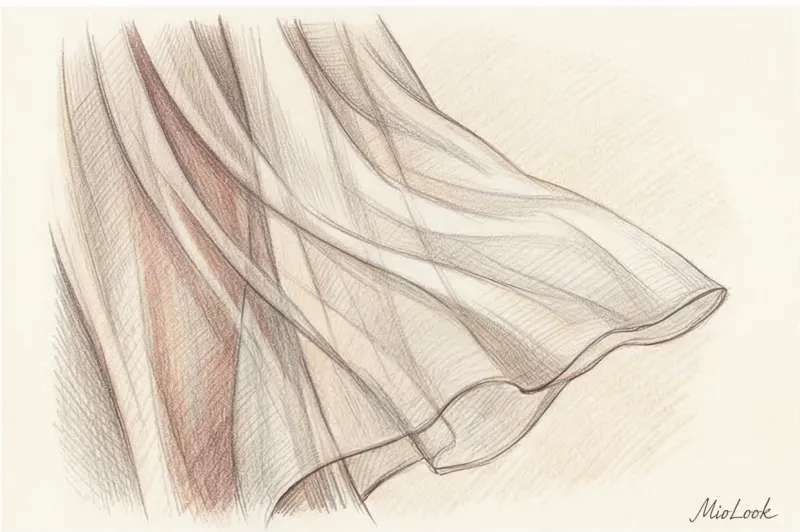
What is chiffon?
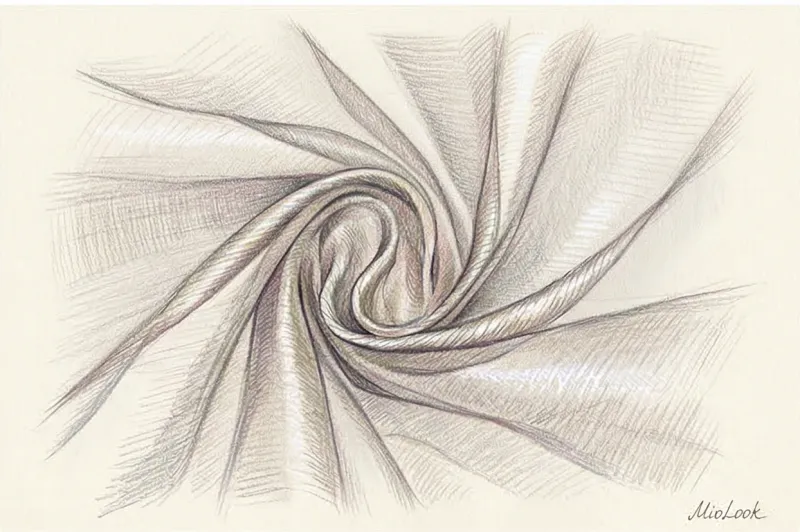
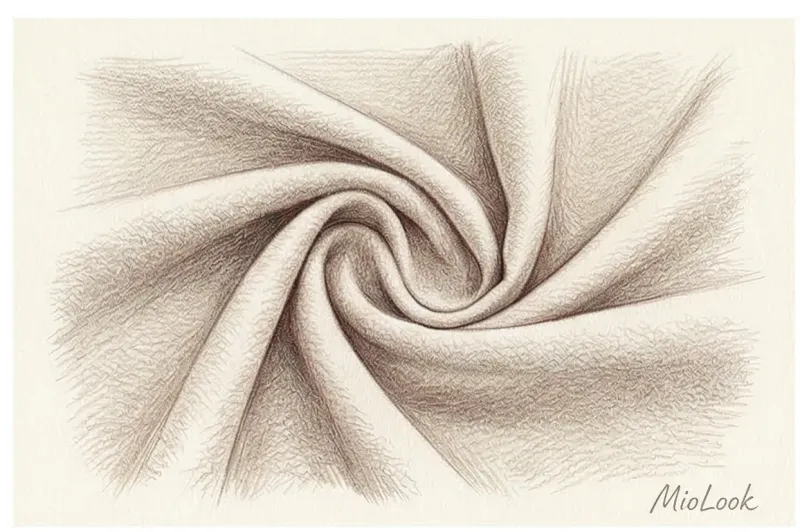
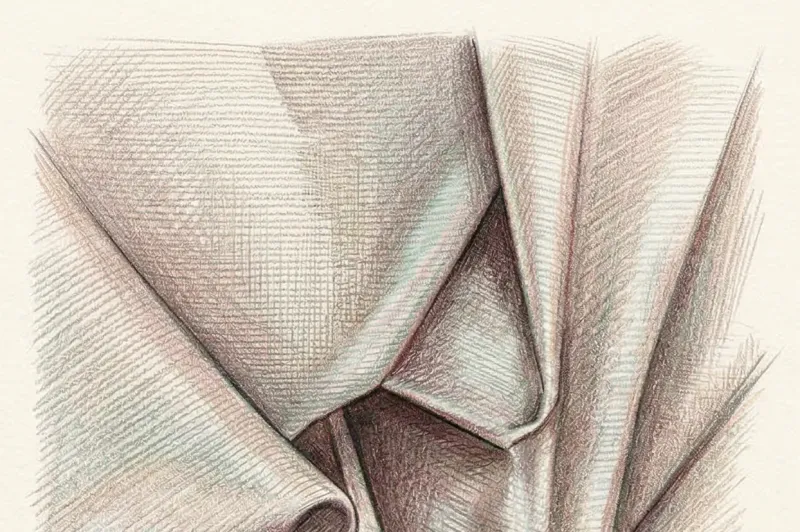
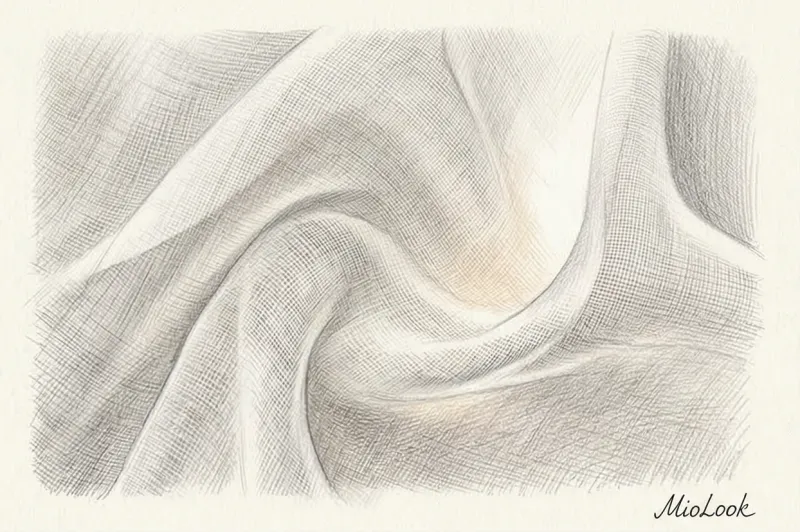
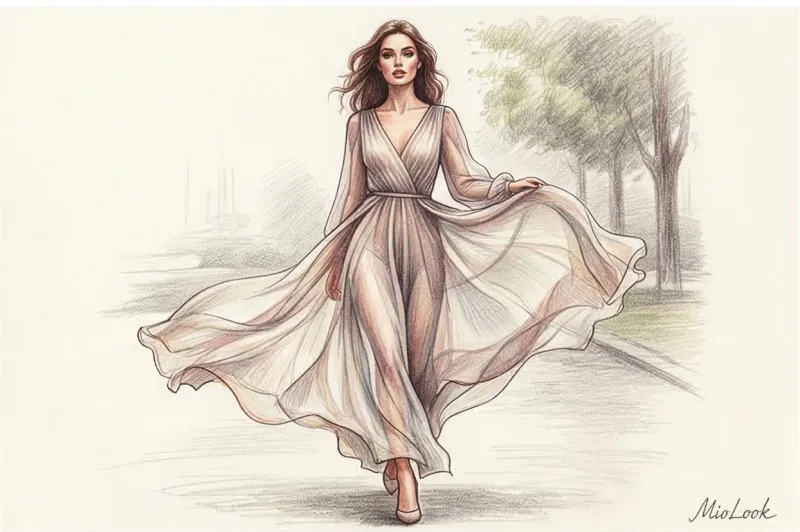
Chiffon — is a lightweight, translucent plain weave fabric with a characteristic rough texture and matte sheen.
To accurately determine the fabric chiffon, it's important to consider its composition. Historically, this material was produced exclusively from natural silk in France. Today, in the textile industry, it is woven from cotton, viscose, polyester, and various blended fibers.
The production technology is based on the use of tightly twisted warp and weft threads (crepe twist). This gives the fabric a slight graininess, translucency, and the ability to form soft, flowing drapes.
Key properties of the material include weightlessness and high flowability at the cut edges, which requires complex seam finishing during sewing. Natural compositions are also highly breathable and hygroscopic.
Main types
Modern factories produce several varieties of this material, which differ in density, composition and visual effects.
- Silk chiffon — a premium type distinguished by its extreme softness, natural shine, and excellent temperature regulation. This is the most expensive and delicate option, used by luxury brands.
- Synthetic (polyester) chiffon — an affordable and durable material. It's virtually wrinkle-resistant and holds creases well when pleated, but has low breathability. It's often used for sewing everyday blouses and layered skirts.
- Crepe chiffon — a denser and less transparent variety with a distinctly rough surface. The texture is achieved by twisting the threads to their maximum.
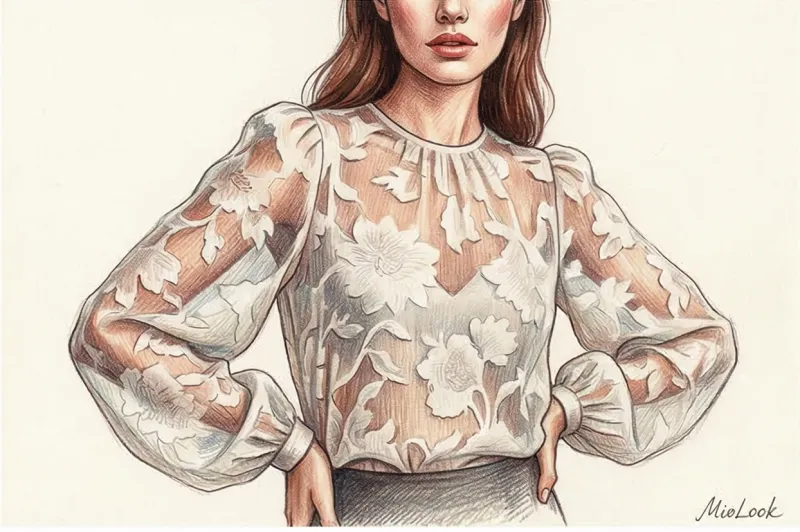
- Jacquard chiffon — a fabric on a translucent background of which a dense, opaque pattern is woven.
- Pearl chiffon — a material with a characteristic mother-of-pearl coating or shimmer, which is traditionally used to create evening and wedding dresses.
How to care
Care instructions depend directly on the fiber composition. Silk chiffon requires professional dry cleaning. Synthetic and viscose chiffon can be hand washed in cool water (up to 30°C) using mild liquid detergents, but avoid rubbing or wringing.

Never spin-dry the fabric. Dry the garments flat or on a soft hanger, away from direct sunlight and heating devices.
Iron items inside out at the lowest temperature setting (silk setting), preferably with a dry iron. Using steam is not recommended, as water droplets can leave permanent stains and streaks on the delicate surface.
It's recommended to store dresses and blouses on hangers with soft foam or velvet pads. This helps prevent the shoulder seams from warping under the garment's own weight.