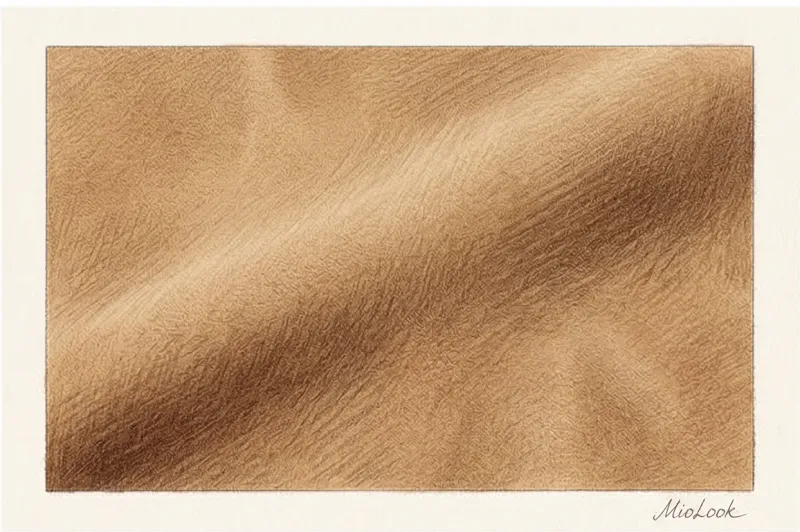
What is nubuck?
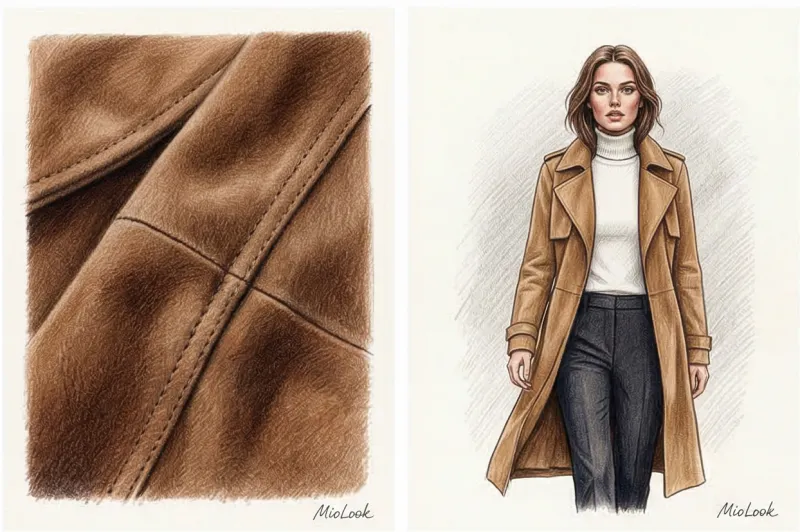
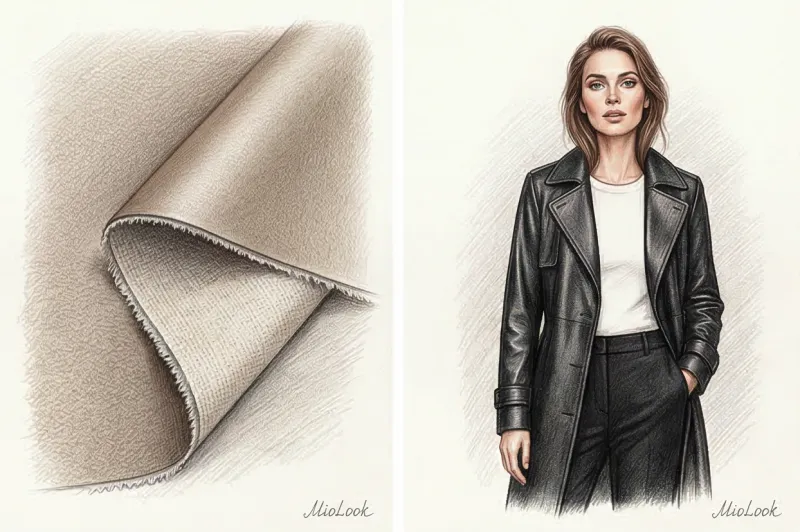
Nubuck - is a fine-pile chrome-tanned leather, polished on the outer (front) side with fine abrasive materials such as sand or special paper.
The main difference between this material and suede lies in the raw material and processing method. Nubuck is made from the outer skin of an animal, most often cattle, while suede is made from the inner skin. This makes nubuck a significantly stronger, thicker, and more durable material.
Visually, the material has a matte, velvety surface with a very short pile. It may leave characteristic light marks when touched, known as the "writing" effect, when the pile changes direction as you move your hand.
Main types
Natural nubuck It's a classic material of animal origin. It offers excellent breathability, retains heat, and has high aesthetic value, but requires careful handling due to its vulnerability to moisture and street dirt.

Artificial (synthetic) nubuck It's a multilayer polymer material that visually imitates a natural velvety texture. It doesn't absorb water, is more durable, and is affordable, but it provides virtually no air circulation.
Nubuck-oil (oiled nubuck) Made from natural raw materials that are deeply impregnated with special oils and waxes during production, this material is distinguished by its pronounced water-repellent properties, a slightly darker hue, and a smoother, heavier texture.
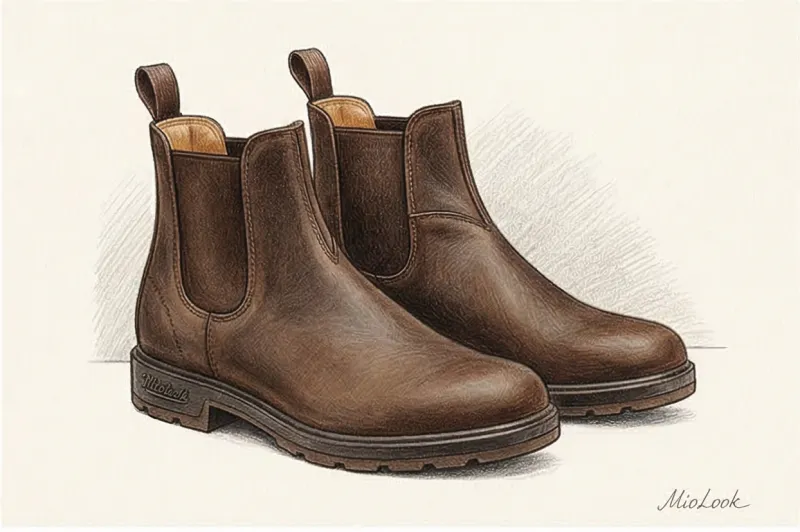
How to care
The basic rule for caring for nubuck items is dry cleaning only. Using water, soap solutions, or wet wipes will cause the pile to stick together irreversibly, roughen the material, and leave permanent stains.
To remove dried dirt and dust and restore the velvety texture, use specialized tools. Crepe brushes, rubber-bristled brushes, or hard erasers designed for cleaning napped leather are best.
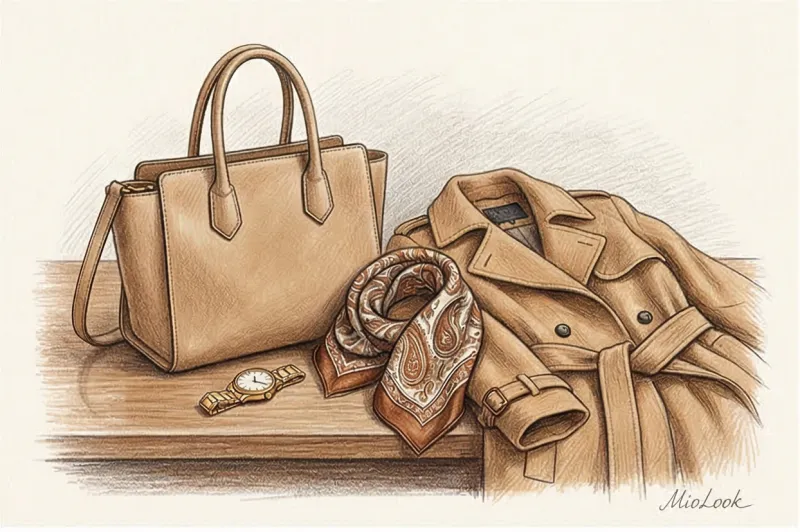
Before using shoes, bags, or outerwear for the first time, preventative protection is necessary. Apply several layers of water-repellent nano-spray liberally until each coat is completely dry, and repeat the process regularly throughout wear.