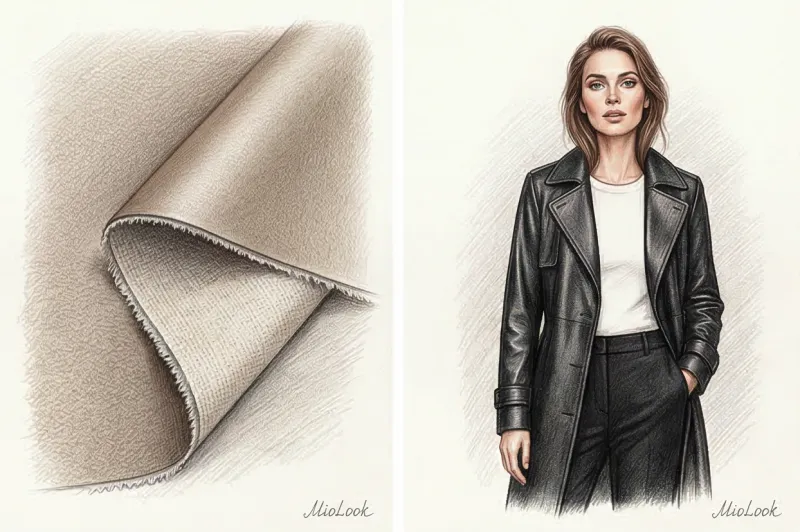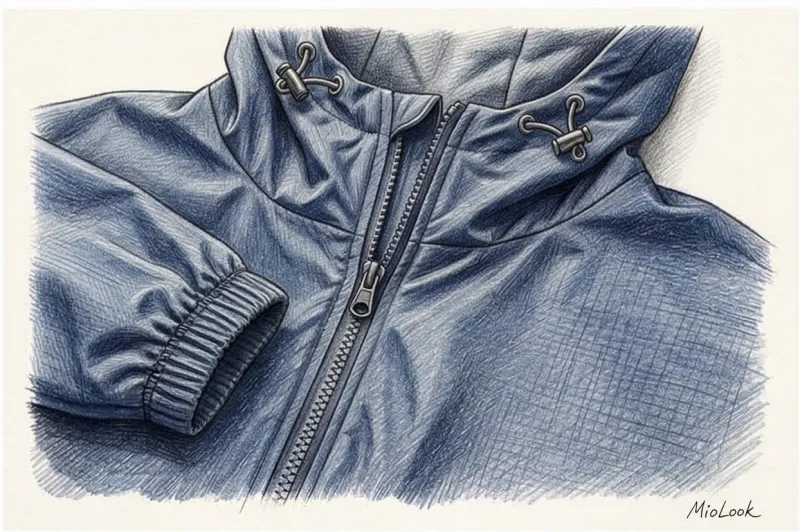
What is membrane tissue?
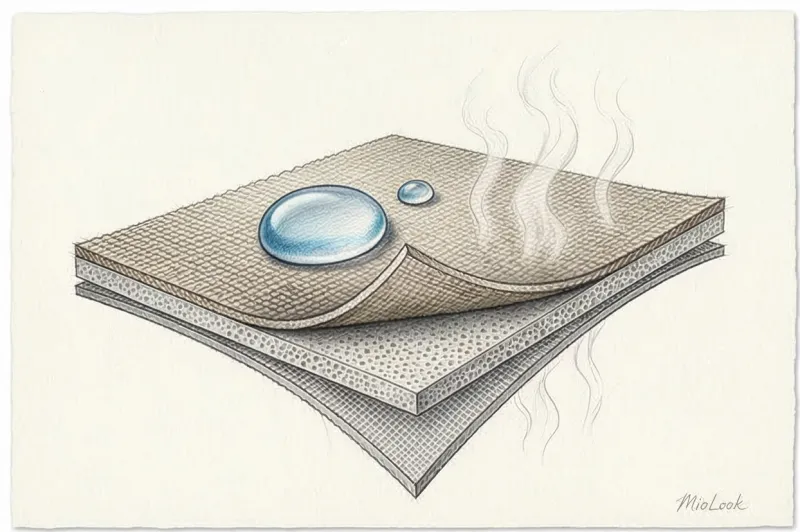
Membrane — is a high-tech synthetic material that protects from wind and precipitation from the outside, but at the same time allows body vapor to pass through from the inside.
The fabric's base is a thin polymer film (usually Teflon or polyurethane) with micropores. These pores are thousands of times smaller than a drop of water but larger than a vapor molecule. This creates a breathable barrier, preventing overheating and moisture.
Membrane film is not used as a stand-alone product. It is always bonded (laminated) to a durable outer layer of material and is often protected by an inner lining. Depending on the design, membranes are available in 2-layer, 2.5-layer, and 3-layer versions.
Main types of membranes
Porous (hydrophobic) membranes work by creating microscopic holes. A classic example of this technology is Gore-Tex. They instantly wick away vapor and provide high breathability, but require careful maintenance, as the pores can become clogged with dirt and sweat.

Non-porous (hydrophilic) membranes, such as Sympatex, work through chemical bonds, absorbing condensation from the inside and transporting it out. This type of material is flexible, durable, and stain-resistant. Hydrophilic films begin to wick away moisture only after the temperature and humidity beneath the garment increase.
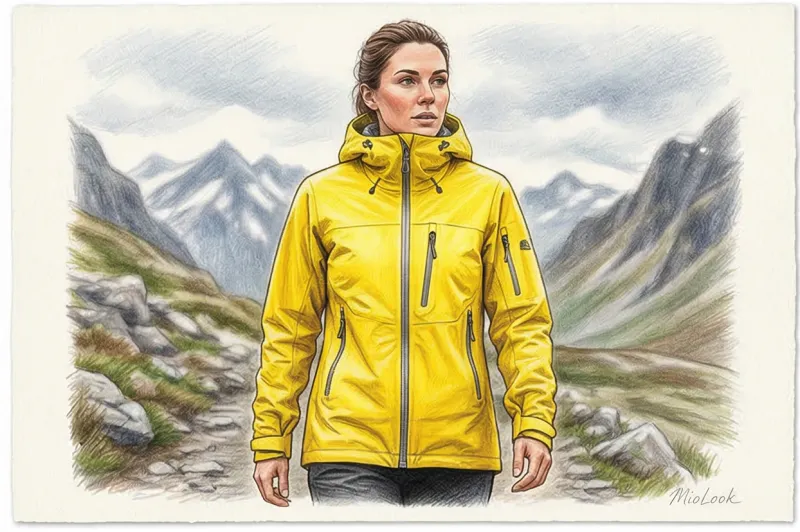
Combined membranes combine a porous film with a thin polyurethane coating over it. The coating protects the pores from grease and external contaminants. This is the most expensive, wear-resistant, and reliable option, designed for extreme weather conditions.
How to care for the membrane
Washing membrane products requires the use of special liquid detergents. Regular laundry detergent clogs the micropores and damages the film's structure. Water temperature should not exceed 30-40 degrees Celsius, and washing should be done on a delicate cycle without machine spinning.
Items should be dried naturally, flattened, and kept away from radiators, heaters, and direct sunlight.

After washing, a water-repellent DWR (durable water repellent) spray is applied to the clean, dry surface. This ensures that the outer layer of the fabric does not absorb water, allowing the membrane to effectively wick away moisture.