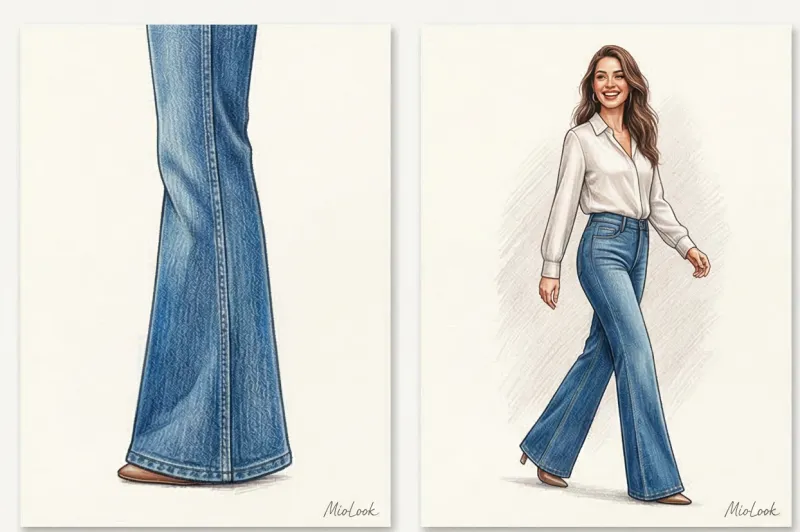
What is a flare?
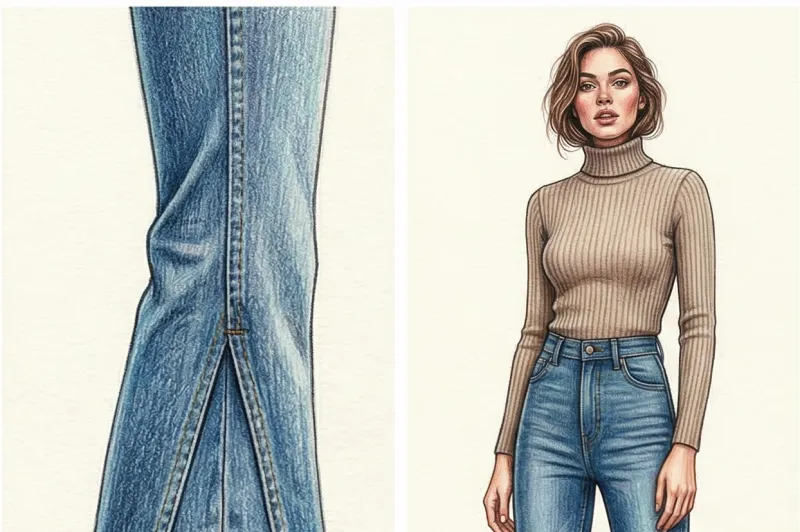
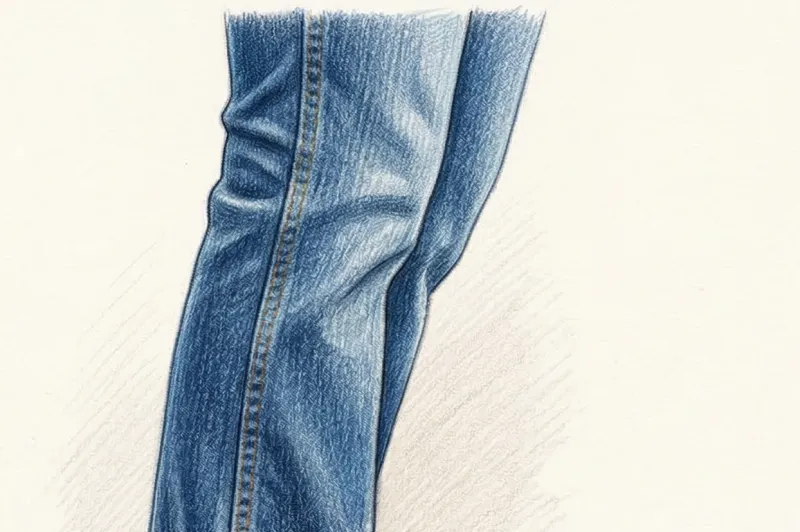
Flared - is a silhouette of clothing in which a detail (trouser leg, sleeve or hem) noticeably widens towards the bottom.
The term comes from the French word cloche , which translates as "bell." Historically, this cut emerged in the 19th century as a functional element of the American sailor's uniform. The wide trousers were easy to roll up when washing the deck, and if someone fell overboard, they could be quickly removed while in the water.
In the 1960s and 1970s, flared trousers became a key element of hippie and disco fashion. During this period, the silhouette finally transitioned from military uniform to everyday wear for both women and men.
Basic types of flared cuts
The silhouette has several classic variations, which differ in the starting point of expansion and the length of the product.
- Flared from the hip (palazzo, wide-leg): The flare starts at the top of the thigh. This cut creates a loose, flowing silhouette that visually lengthens the legs.
- Bell-bottoms (bootcut): The classic version, in which the trousers fit tightly around the hips and begin to flare out strictly from the knee line.
- Cropped flare: The legs flare out at the bottom but end above the ankle.
- Flared sleeves: an element of blouses and dresses, where the expansion can start from the shoulder, elbow or wrist.
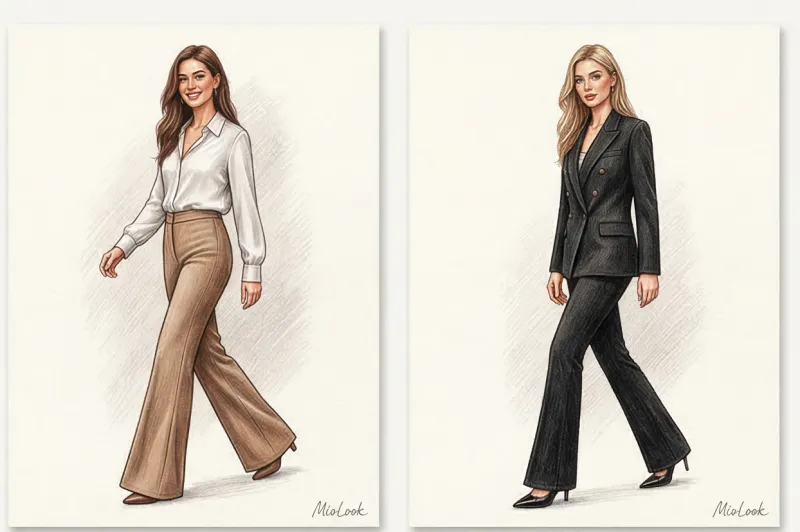
What to wear with flared trousers and jeans
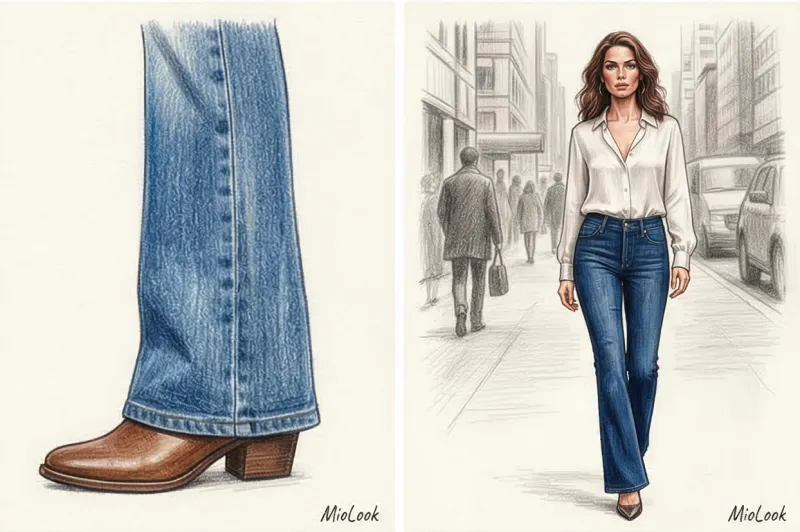
Long flared trousers are traditionally worn with heels, platforms, or wedges. The hem of the leg should almost completely cover the shoe, leaving only the toe visible. Cropped styles are paired with ankle boots that hug the ankle.
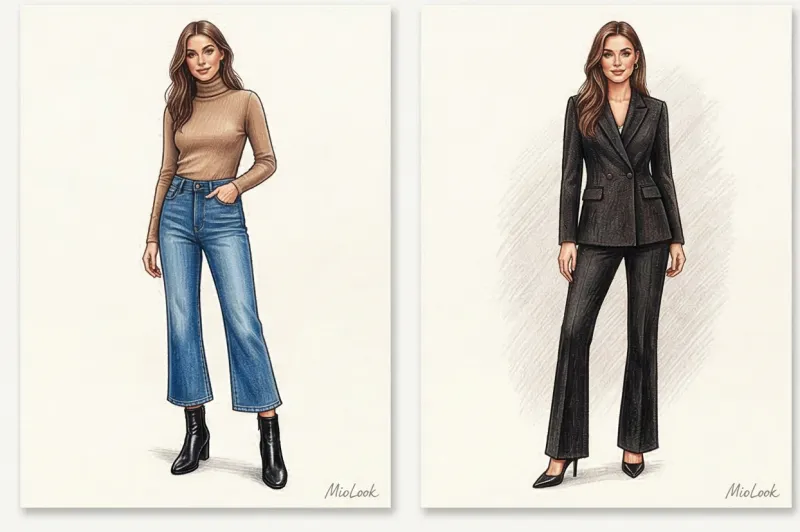
Voluminous bottoms require visual balance. Flared trousers pair optimally with fitted or structured tops: turtlenecks, tucked-in basic shirts, crop tops, or bodysuits.
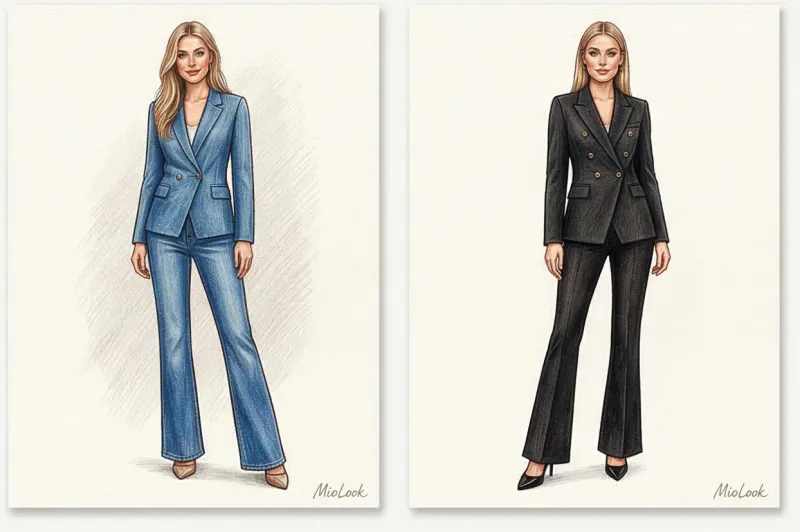
As outerwear, the flared silhouette looks best with cropped jackets, such as biker jackets or waist-length bombers. Another suitable option is long, straight maxi coats, which help avoid horizontal division of the figure.