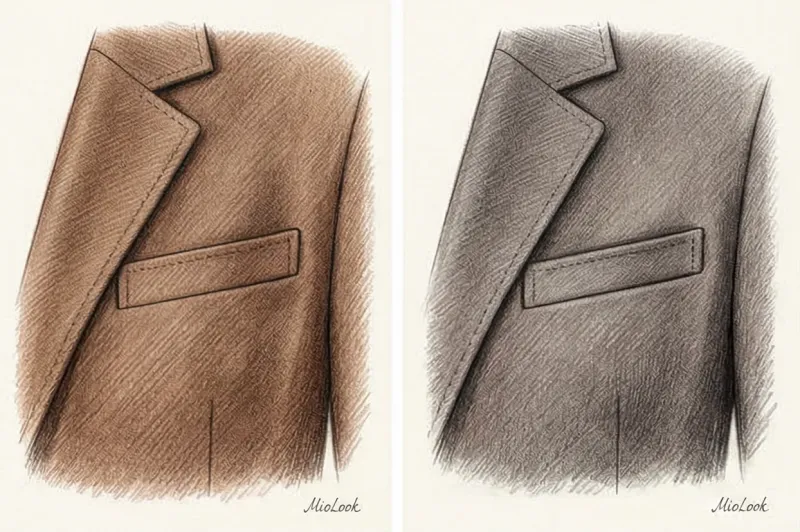
What is a leaflet pocket?
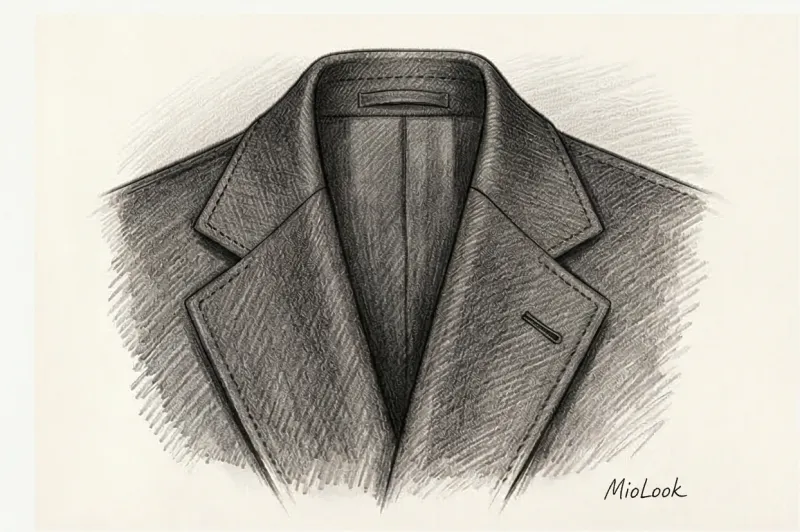
Leaflet pocket — This is a type of welt pocket, the opening of which is decorated with a visible rectangular or shaped piece of fabric (the welt itself). The pocket's lining is completely hidden inside the pocket. From the outside, only a neat strip of fabric covering the slit is visible.
This element is a classic tailoring technique. The welt adds a graphic touch to the garment, maintains structural rigidity, and protects the pocket edge from wear and tear.
Main types
The chest flap is traditionally placed on the left front of a jacket or blazer. It is often slightly tapered, following the anatomical line of the chest.

Side welts are straight or slanted pockets found on coats, jackets, and cardigans. They provide convenient hand access and define the silhouette.
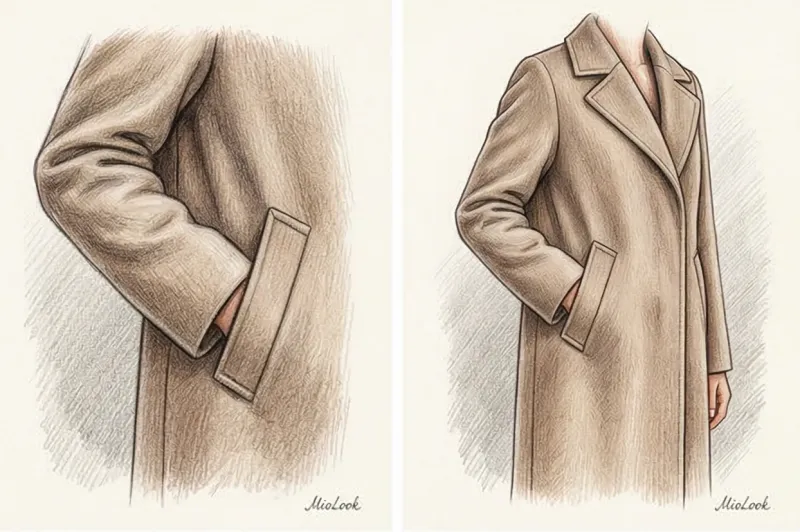
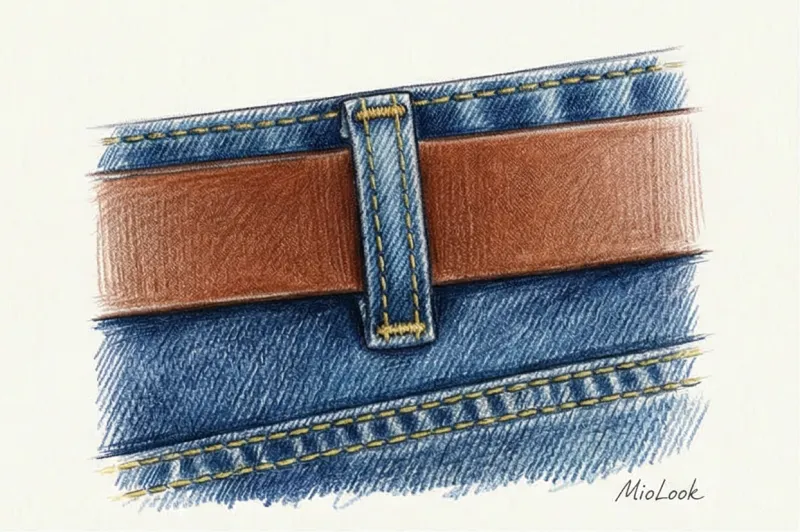
The back pockets of classic trousers are also decorated with narrow horizontal welts. In these styles, they are often complemented by a loop and button for secure fastening.
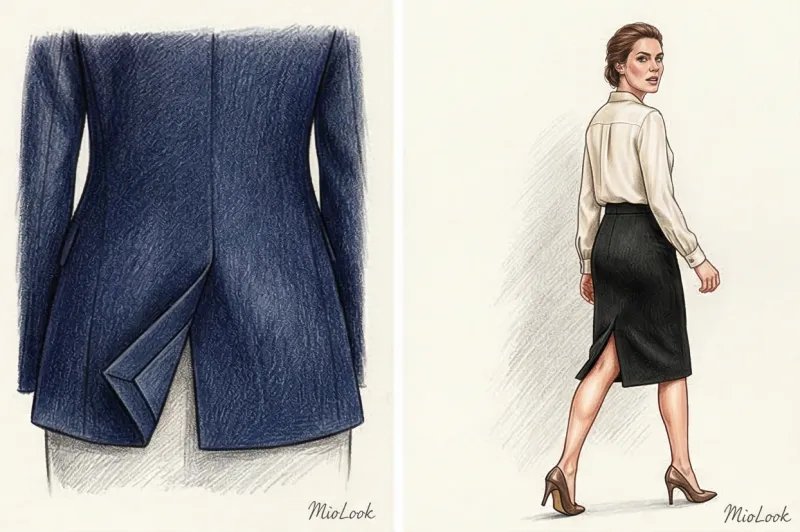
Decorative welt pockets (faux pockets) mimic pockets without the inner lining. This technique is widely used in fitted women's jackets to maintain a smooth silhouette and prevent excess bulk at the waist or hips.
How to use
The welt pocket is the traditional place to wear a decorative pocket square. A folded silk or cotton pocket square adds a pop of color to both business and smart-casual looks.
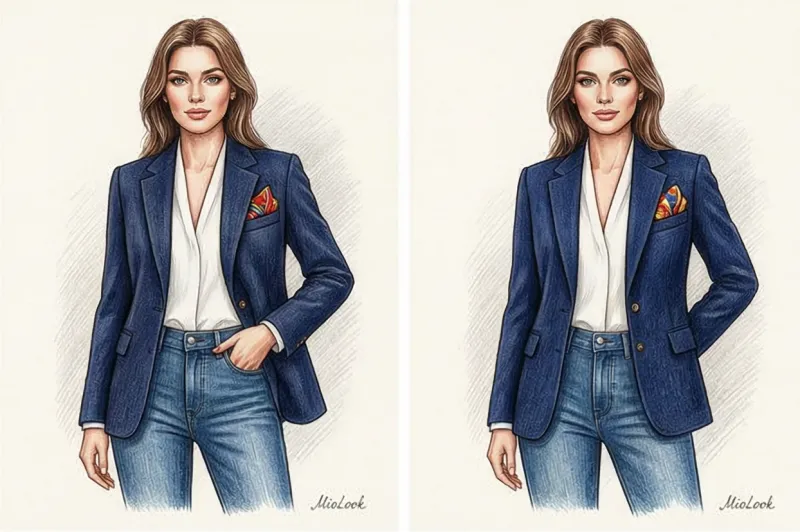
In new classic suits and coats, welt pockets are often stitched shut. To maintain the jacket's perfect silhouette, it's recommended not to unravel the side pockets, to prevent the fabric from sagging over time under the weight of small items.
The shape and angle of the welt directly influence the visual proportions of the figure. A diagonal or beveled detail elongates the silhouette and creates dynamism. A strict horizontal line, on the other hand, adds width and emphasizes the geometric cut.