
The Death of the White Shirt: Why Must-Have Lists No Longer Work
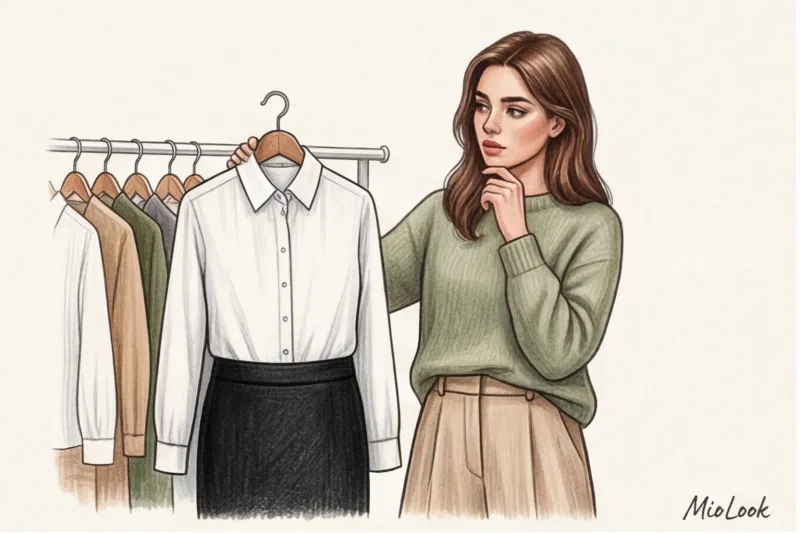
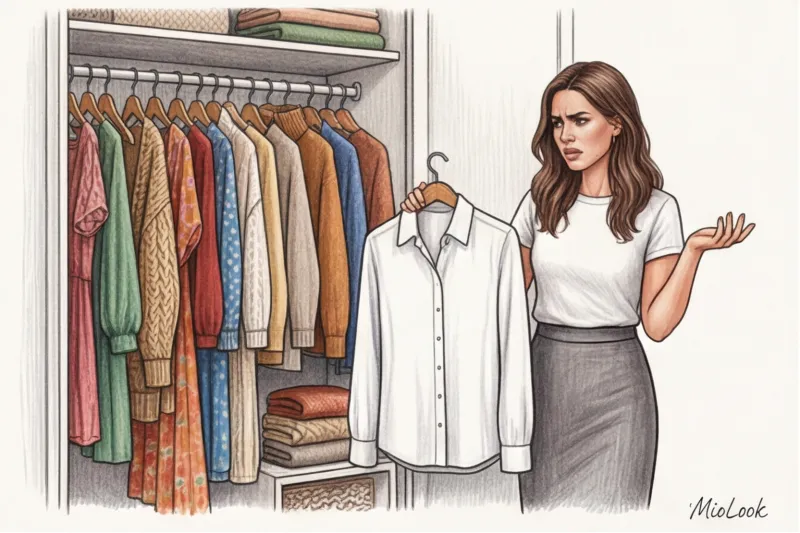
How many times have you bought the perfect white men's shirt, succumbing to the temptation of yet another glossy magazine, only to never wear it? In 12 years of working as a fashion journalist and stylist, I've seen hundreds of closets overflowing with clothes with their tags still intact. Women persistently seek the answer to the question, How to put together a basic wardrobe , download template lists from the internet, buy "timeless classics," and... continue wearing their favorite stretched-out jumpers. Sound familiar?
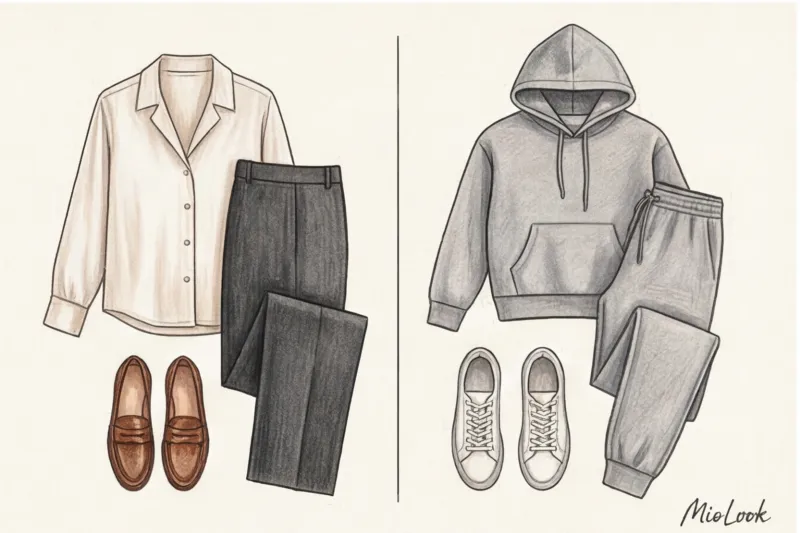
In 1985, designer Donna Karan revolutionized the fashion industry with her concept Seven Easy Pieces (Seven Simple Things). For the corporate woman of the 1980s, this was a lifesaver: a black bodysuit, a wrap skirt, the right jacket, and a couple of accessories solved the problem of getting ready in the morning. But today, in the era of hybrid schedules and remote work, this formula is hopelessly outdated. Research by the analytical agency WGSN for 2024 shows that the concept of wardrobe has shifted from a rigid dress code to adaptive comfort.
Let's be honest: there's no such thing as a one-size-fits-all wardrobe staple. The idea that every girl needs a beige trench coat, classic pumps, and that little black dress is nothing more than a marketing myth. If you work from home or are on maternity leave, a tailored jacket will sit on a hanger for years collecting dust. We've written more about how to break free from imposed patterns and find your own aesthetic in our the complete guide to finding your clothing style.
A foundation isn't a collection of specific items. It's a blank canvas, an architectural foundation built according to the laws of mathematics and logic, not advice from trendy columns of the 2000s.
How to Build a Basic Wardrobe from Scratch: The Life Index Method
One of my clients, a successful freelance IT specialist, once spent a substantial amount of money on a "successful woman's capsule wardrobe"—silk blouses, pleated trousers, and a cashmere coat. A month later, she admitted she'd worn the set exactly once. Why? Because her real life consisted of working on her laptop on the couch, coffee runs, and long walks with her hyperactive Labrador. A silk blouse just didn't fit into that reality.
To avoid repeating this mistake, I always start with the method Life Index The point is simple: your clothes should support the life you're living right now, not some imaginary Pinterest-esque ideal life that might happen in five years.
This is where the Pareto principle (the 80/20 rule) comes into play: statistics prove that we wear 20% of the items in our closet 80% of the time. The perfect basic is that 20%, perfected to absolute perfection.

Action Step: Diagram Your Real Life
Right now, take a piece of paper and draw a circle. Divide it into sections that represent your busy schedule for the month. Be completely honest with yourself.

- Work in an office with a strict dress code (or without one).
- Remote work from home.
- Walking with children or a dog.
- Sports and active recreation.
- Evening outings, dates, theaters.
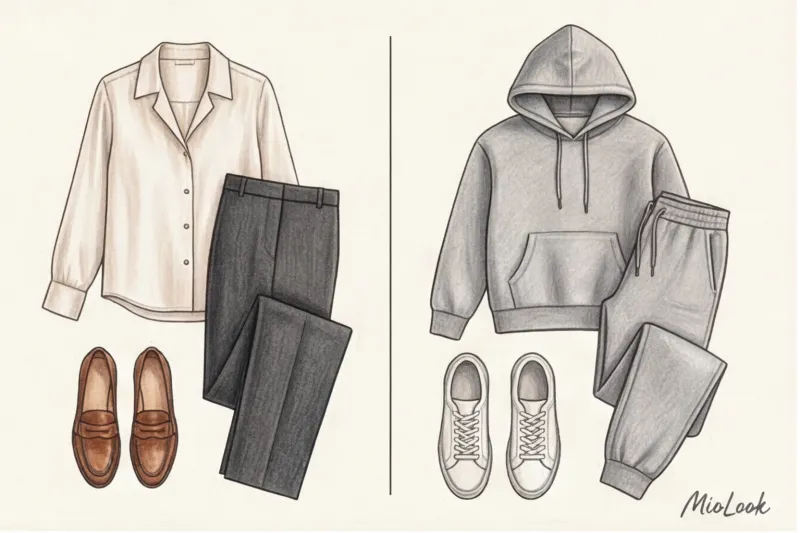
Now look at your closet. The proportions of your items should mirror the percentages on your diagram. If walks with your child and trips to the supermarket take up 60% of your time, then 60% of your basic wardrobe should consist of high-quality, stylish, yet relaxed casual pieces (a thick cotton hoodie, the perfect joggers, comfortable sneakers), not a collection of evening dresses.
Ready to get started?
Try the free plan—no commitments. A smart algorithm will help you analyze your wardrobe.
Get access — €0.99 onceWardrobe Architecture: The Mathematics of the Perfect Capsule
We're used to buying things emotionally: "What a beautiful skirt, I'll take it!" And then that skirt demands a new blouse, the blouse demands new shoes, and the shoes demand a bag. So, the closet is overflowing, and there's nothing left to wear. A true foundation is built on a strict formula of combinatoriality: one bottom should be perfectly combined with at least three or four tops.
Why is this so? We remember pants, jeans, or skirts less well; they serve as backgrounds. But the portrait area (tops, shirts, sweaters) is constantly the focus of attention. By changing your top, you create the illusion of a completely new look. You can read about how to create such a system for everyday work in our article about The perfect capsule wardrobe for the office without a dress code.
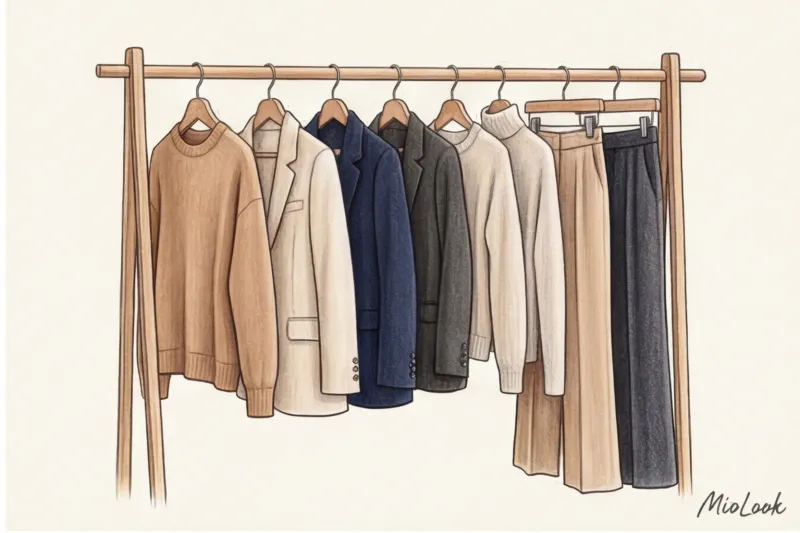
Another stereotype that's long overdue: the basic palette is just black, white, and beige. The Pantone Color Institute regularly emphasizes that deep, natural shades work just as well. If black makes your face look tired (which is often the case with Slavic skin tones), replace it with deep navy (dark blue) , dark chocolate or coniferous green These colors offer the same level of versatility, but look much more complex and expensive.
Texture is everything: the secret to an "expensive" basic look
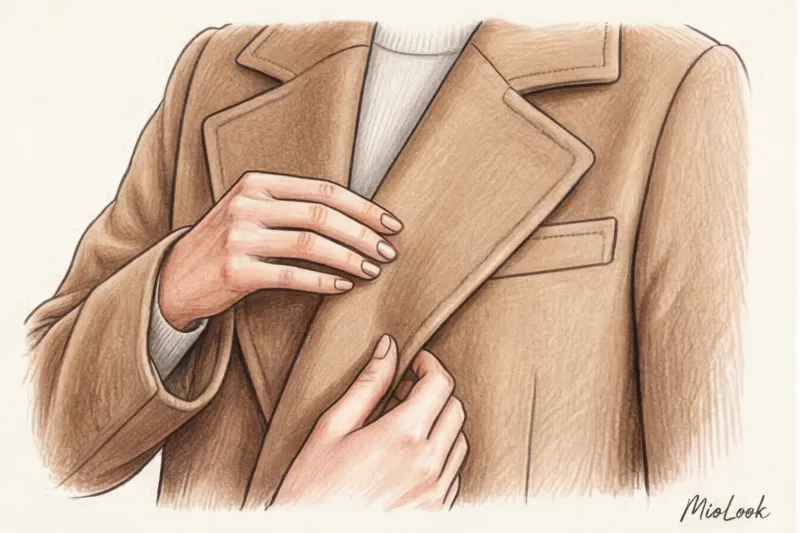
The simpler the cut of your basic T-shirt or turtleneck, the higher the demands on the material. Thin, translucent knits that sag at the shoulders and lose their shape after the first wash can ruin even the most stylish look.
In my practice, I follow a strict rule: a basic cotton T-shirt should have a density of at least 180–200 g/m². It should hold its shape, not cling to the body like a second skin. If you choose viscose, look for 5–10% elastane to prevent the item from stretching out at the elbows. Texture is that invisible framework that distinguishes a runway look from sloppy everyday wear.
Your perfect look starts here
Join thousands of users who look flawless every day with MioLook. Create your capsule look in one click.
Get access — €0.99 onceBudget and Investment: The Cost-per-Wear Formula
"A basic wardrobe is very expensive" is another myth I constantly encounter at Fashion Week. Even the most eccentric glossy editors, who wear couture to shows, choose a carefully curated uniform for flights and everyday life, a mix of luxury and mass-market pieces. The secret lies in a financial approach called Cost-per-wear (CPW) , or "exit price."
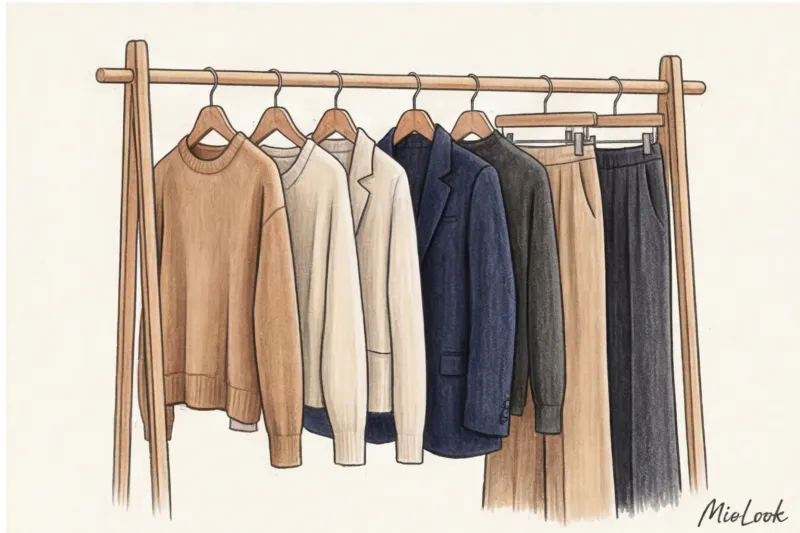
The formula is extremely simple: the cost of an item is divided by the expected number of times it will be worn. For example:
- You buy the perfect wool coat for $300. You'll wear it at least 150 times over three seasons. CPW = $2 per exit This is a great investment.
- You buy a trendy sequin top for $50. You wear it once to a New Year's Eve party. CPW = $50 per exit It's a waste of money.
Every stylist has a list of things that are absolutely not allowed you can't save These include shoes, structured bags, outerwear, and straight-cut jackets. They shape the silhouette and elevate the overall look. But there's a downside, rarely mentioned in magazines (and this is a fair limitation of the basic method): never invest large sums in white T-shirts. Whether you buy them at H&M for pennies or at The Row for a fortune, white fabric inevitably yellows from deodorant and loses its shape within a season. It's a consumable item. Buy high-quality mid-range brands like Uniqlo or COS and replace them without regret.
From Basics to Personal Style: The 80/20 Rule
A basic wardrobe is great, but if you limit yourself to just that, you risk looking like a mannequin in a store window. Bland, yet neat. The ideal wardrobe formula requires that the basics take up 80% of the closet space. The remaining 20% is your DNA, your unique self-expression, your statement pieces, and seasonal trends.
The base acts as a blank canvas. Imagine the most basic outfit: straight-leg blue jeans and a crisp white T-shirt. Sounds boring? Now throw on a vintage silk kimono with a floral print. Or add chunky Cossack boots and a Cossack belt. Or pin a large, sculptural brooch made of crushed gold to the lapel of a basic jacket. The look instantly becomes complex and distinctive.
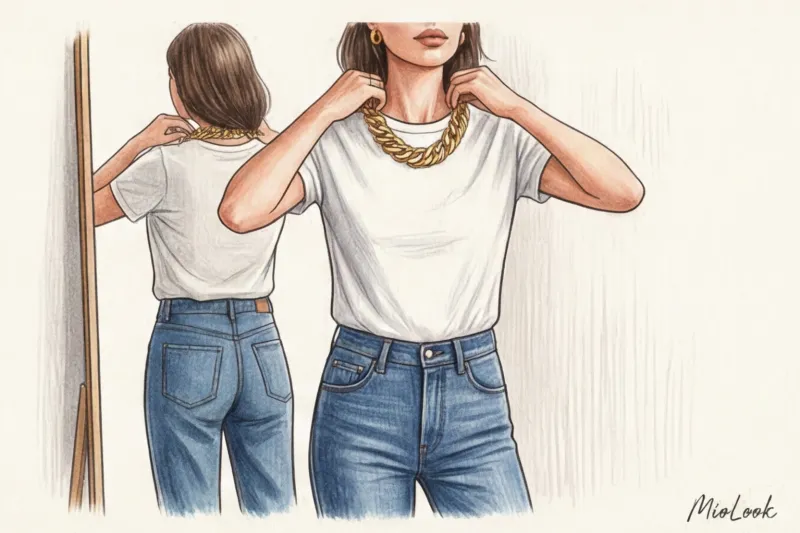
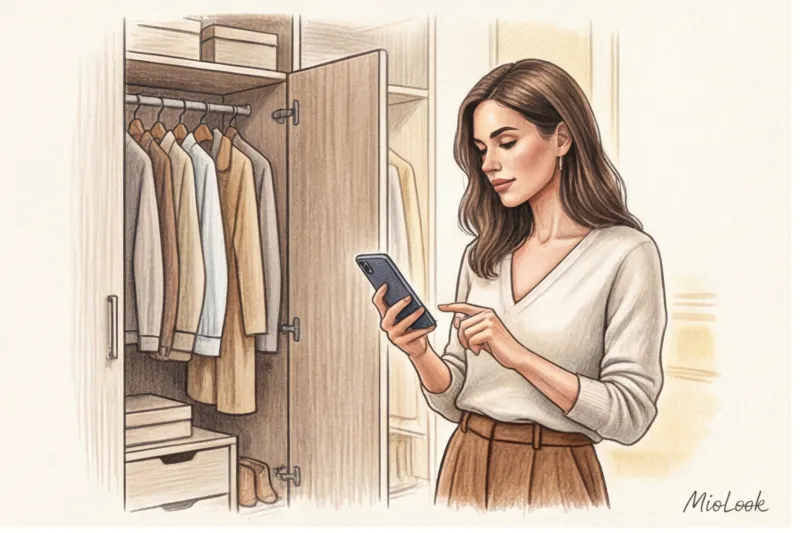
If you're unsure how to properly integrate bold trends into a calm base, use technology. I often recommend my clients upload photos of their basics to an app. MioLook Artificial intelligence works like your personal pocket stylist: it analyzes your clothes and suggests dozens of unconventional combinations with accent accessories that you might not have thought of on your own.
Checklist: 5 Signs Your Database Is Working
Theory is great, but how do you know in practice that you've finally built the right wardrobe foundation? Check your closet against these five criteria:
- Morning preparations take no more than 10 minutes. You don't do fittings like "put them on, looked in the mirror, felt disappointed, took them off." You take things out with your eyes closed, and they're guaranteed to fit.
- Travel mobility. You can pack for a 3-4 day business or personal trip with just a carry-on bag and never have to repeat the entire look.
- Absence of "loners". There are no items in your closet that need immediate companions. Any purchased item can be immediately integrated into at least three existing sets. Read more about how to create such capsule wardrobes in our wardrobe building guide.
- Absolute physical comfort. Nothing digs into your waist after lunch, fabrics don't itch, and shirts don't wrinkle beyond their natural limits. Clothes serve you, not you serving them.
- Willingness to be spontaneous. If you're suddenly invited to dinner after a long day at work, you don't have to go home and change. Simply swap your shoes for heels (or vice versa), apply a bright lipstick, or add statement earrings—and your daytime look will elegantly transform into evening wear.

Assembling the perfect basic wardrobe isn't a sprint through the mall with someone else's wish list in hand. It's a thoughtful, almost mathematical exploration of your own lifestyle. Once you stop chasing abstract "Parisian elegance" and start buying things for the classy woman you truly are—in your real, everyday life—the problem of "nothing to wear" will disappear forever.