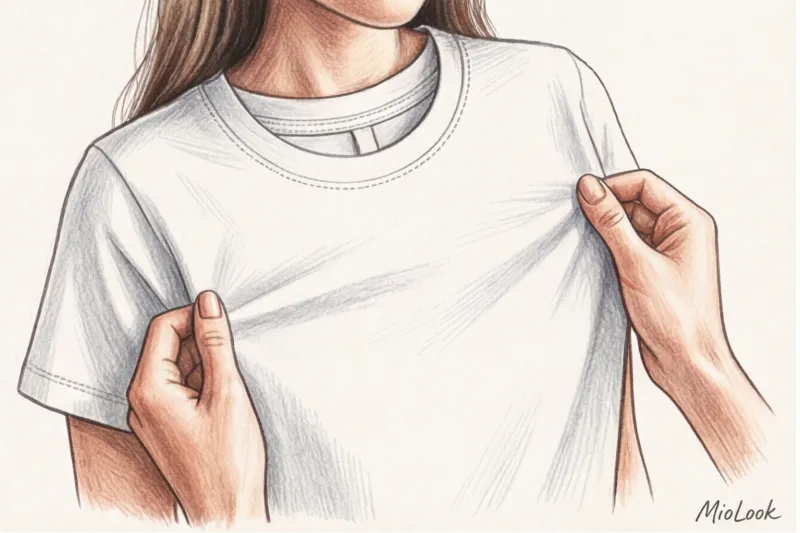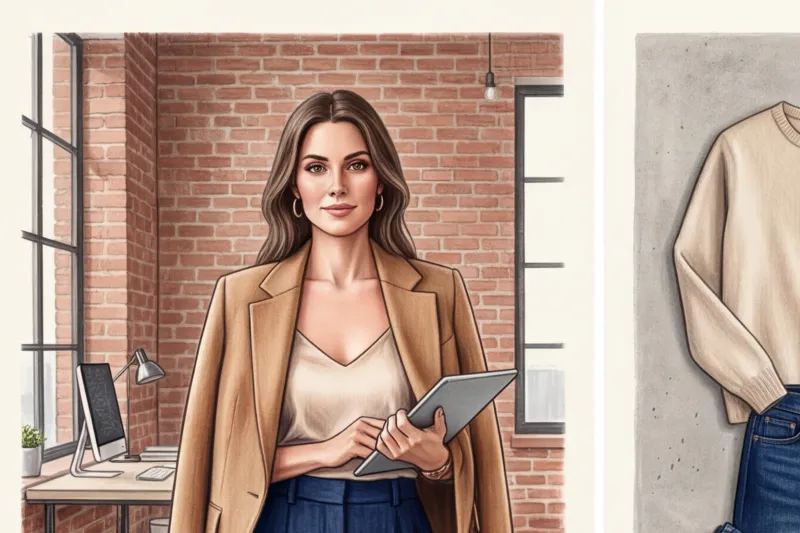
Отсутствие дресс-кода — это самый строгий дресс-код из всех возможных. Когда мне говорят: «У нас в агентстве можно ходить в чем угодно», я всегда отвечаю: «Значит, вас будут оценивать исключительно по вашему личному вкусу, насмотренности и умению чувствовать контекст». Обычные синие джинсы с потертостями и базовая белая футболка — это не смарт-кэжуал. Это униформа выходного дня, которая в рабочей среде незаметно, но верно убивает вашу экспертность.
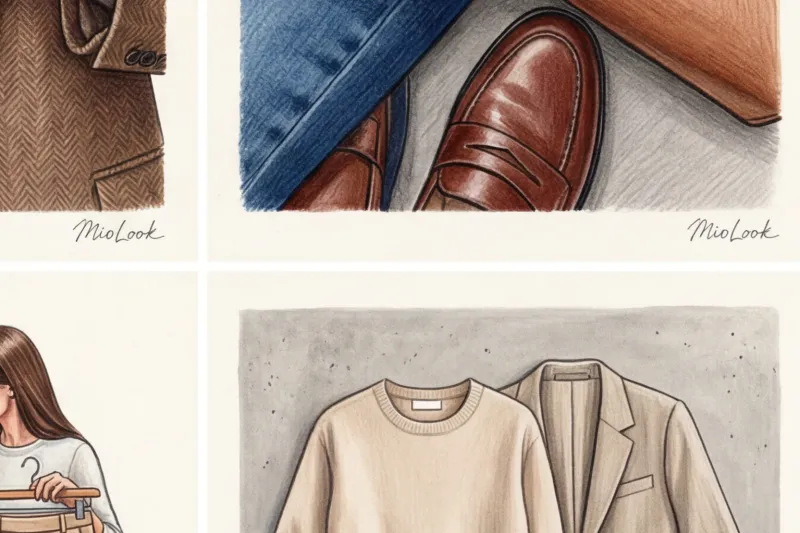
За 12 лет работы фэшн-консультантом я сотни раз видела, как талантливые девушки теряли карьерные возможности просто потому, что их внешний вид транслировал расслабленность подростка, а не статус профессионала. Чтобы этого избежать, нужен грамотно выстроенный капсульный гардероб для офиса без дресс-кода. Подробнее о психологии восприятия одежды мы рассказали в нашем полном гиде по креативному деловому стилю, а сегодня займемся чистой практикой и соберем базу, которая будет работать на вас.
Ловушка «офиса без дресс-кода»: почему свобода требует системы
Парадокс креативных индустрий заключается в том, что полная свобода выбора одежды часто приводит к параличу решений и потере профессионального авторитета. Разница между Weekend Casual (одеждой для ленивых выходных) и Smart Casual (интеллектуальной расслабленностью) колоссальна, хотя на первый взгляд обе концепции про комфорт.
Вспомним знаменитое исследование Северо-Западного университета (Northwestern University, 2012 год). Ученые Хаджо Адам и Адам Галински ввели в психологию термин Enclothed Cognition (одетое познание). Они доказали, что одежда напрямую влияет на наши когнитивные процессы. Расслабленный бесформенный трикотаж физиологически снижает вашу концентрацию, а слишком строгий, жесткий костюм — блокирует креативное мышление.
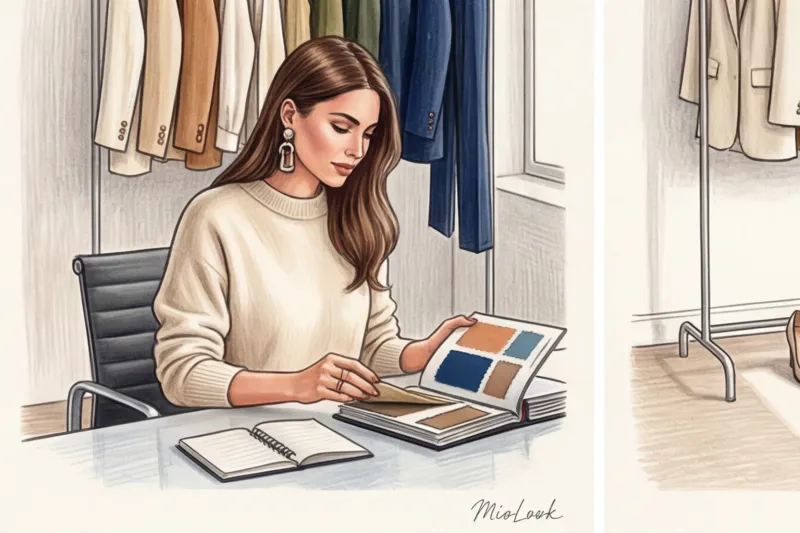
Одна из моих клиенток, назовем ее Анна, работала креативным директором в крупном IT-стартапе. Она пришла ко мне с жалобой: команда разработчиков постоянно оспаривала ее решения. На наши встречи она приходила в объемных худи и мягких джоггерах. Мы полностью убрали бесформенный трикотаж и заменили его на архитектурный смарт-кэжуал: мягкие деструктурированные жакеты и брюки-палаццо. Через два месяца Анна успешно защитила бюджет перед советом инвесторов. «Они наконец-то начали слушать, что я говорю, а не смотреть на меня как на стажерку», — призналась она.
Доступ к MioLook за €0,99 — разовый платёж
Умный AI-стилист подберёт идеальный образ
Открыть доступ — €0,99 разовоАнатомия смарт-кэжуал капсулы для креативной среды
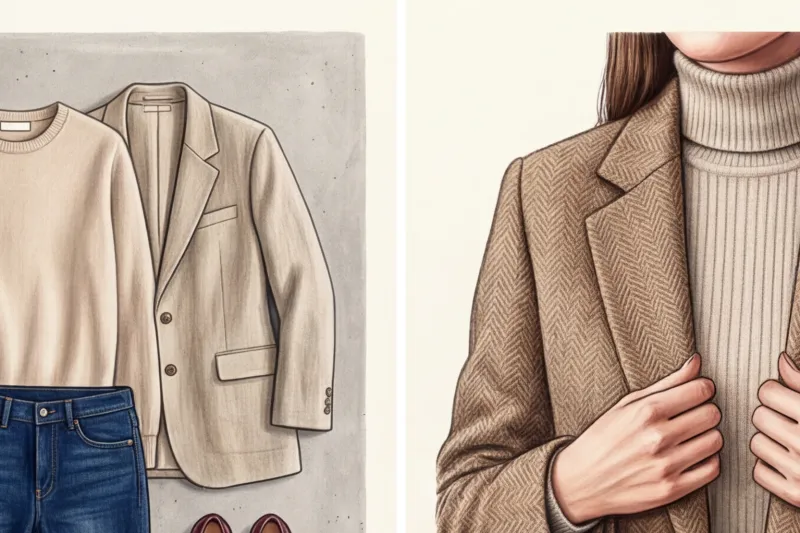
Как выстроить систему, которая выглядит дорого, но не скучно? Я всегда использую правило 70/30. Это значит, что 70% вашей капсулы составляет лаконичная база из премиальных тканей, а 30% — дизайнерские, акцентные вещи сложного кроя. В креативном офисе фактура ткани решает всё, цвет вторичен. Вы можете одеться с ног до головы в бежевый, но если это дешевая скрипучая вискоза, образ развалится.
На моей практике разница между масс-маркетом и премиумом кроется именно в тактильности. Настоящая «расслабленная роскошь» (Elevated Comfort) — это когда вы выбираете плотный шелк от 19 момми (momme), кашемир Grade A или тяжелый хлопок плотностью от 180 г/м².
Такие ткани создают правильную, тяжелую драпировку. Вы выглядите статусно, но вам так же удобно, как в любимой домашней одежде. Именно отказ от жестких конструкций в пользу мягкого тейлоринга отличает современного профессионала от корпоративного клерка из нулевых.
Инвестируем в базу: 5 ключевых элементов гардероба
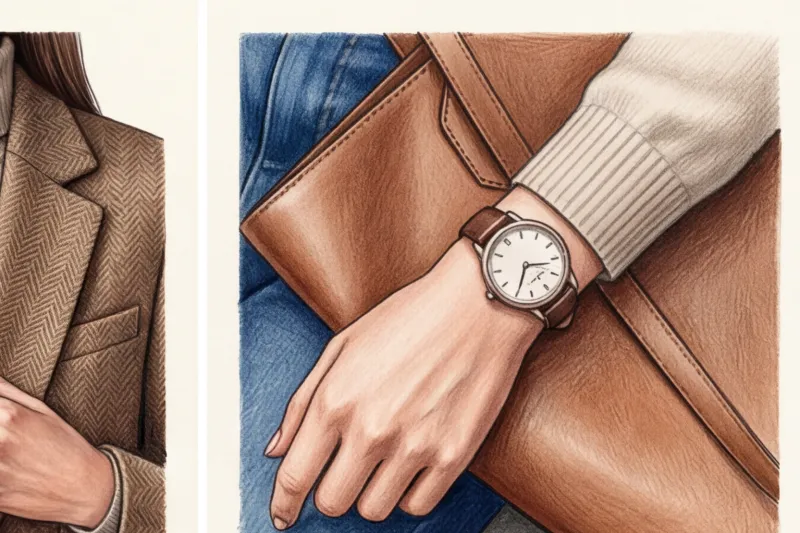
Я всегда призываю своих клиенток считать cost-per-wear (стоимость одного выхода). Один безупречно скроенный жакет за $500, который вы наденете 100 раз за год (стоимость выхода $5), — это гораздо более умная инвестиция, чем пять хлипких кардиганов по $50, которые покроются катышками через три стирки (стоимость выхода $16). На крое фундаментальных вещей экономить нельзя.
Деструктурированный жакет: новая власть
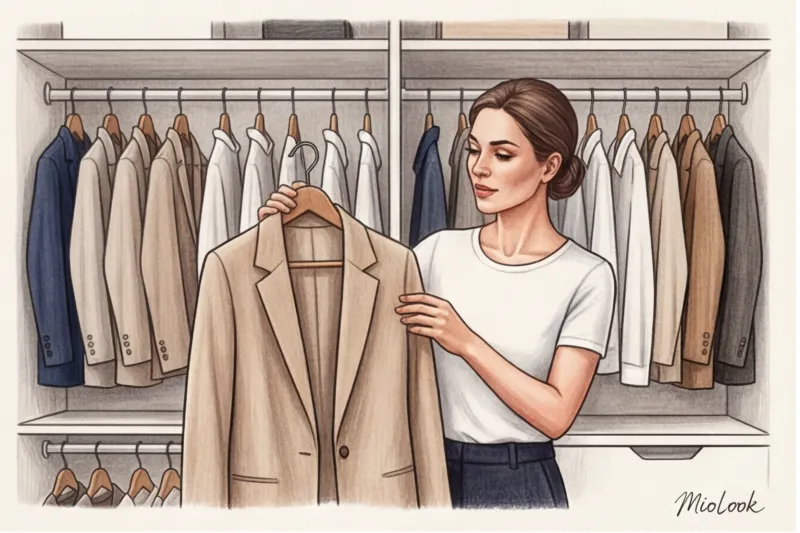
Забудьте о жестких подплечниках и бронебойной подкладке из 100% полиэстера. Современная власть в креативном классе выглядит мягко. Выбирайте жакеты мужского кроя из итальянской шерсти (virgin wool) или плотного льна для теплого сезона. Отсутствие жесткой конструкции (бортовки) внутри позволяет жакету садиться по фигуре естественно. Вы можете закатать рукава, надеть его поверх футболки, и это не будет выглядеть так, будто вы сняли пиджак с чужого плеча.
«Умный» трикотаж и шелк вместо офисных рубашек
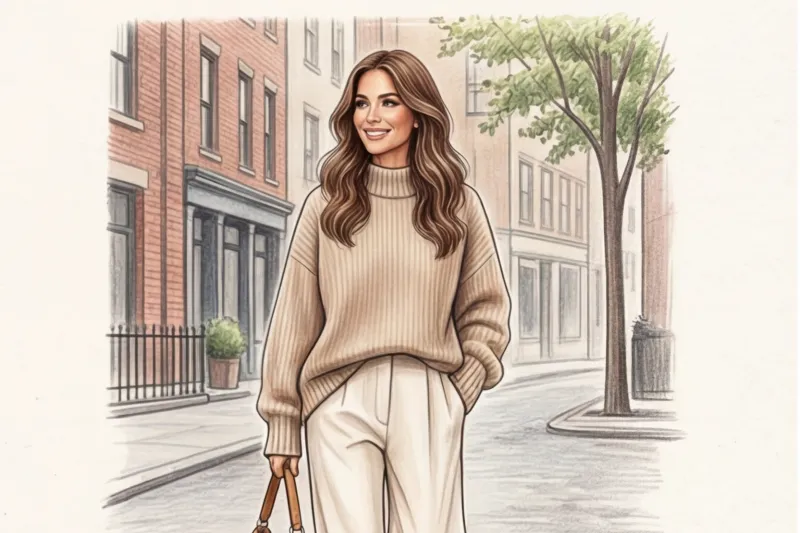
Классическая накрахмаленная белая рубашка из поплина в креативном агентстве часто выглядит чужеродно — словно вы пришли на собеседование в банк и ошиблись дверью. Чем ее заменить? Инвестируйте в водолазки из тонкой мериносовой шерсти, кашемировые поло с V-образным вырезом и плотные шелковые топы. Если вам нужна именно блуза, ищите сложный архитектурный крой: легкую асимметрию, объемные рукава или необычный воротник-стойку.
Правильный деним и архитектурные брюки
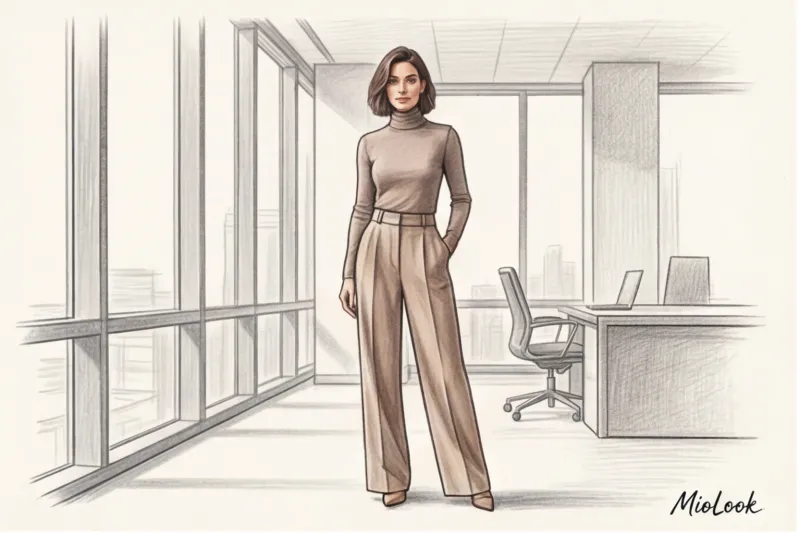
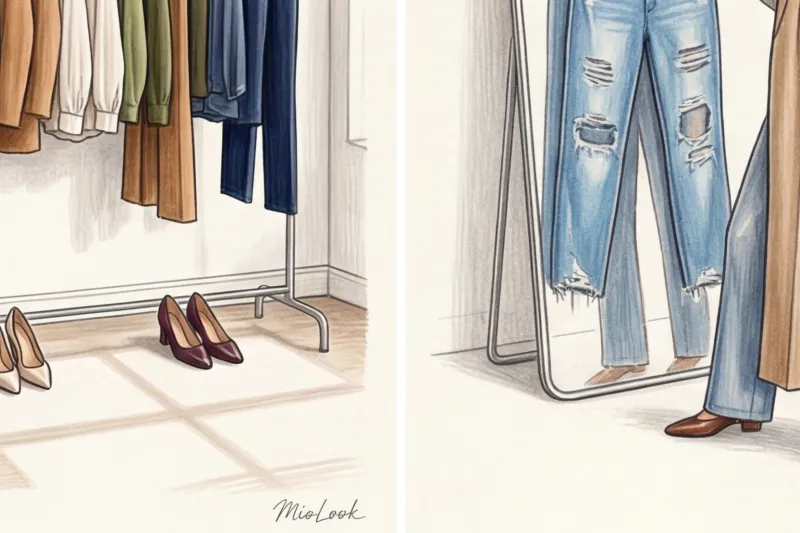
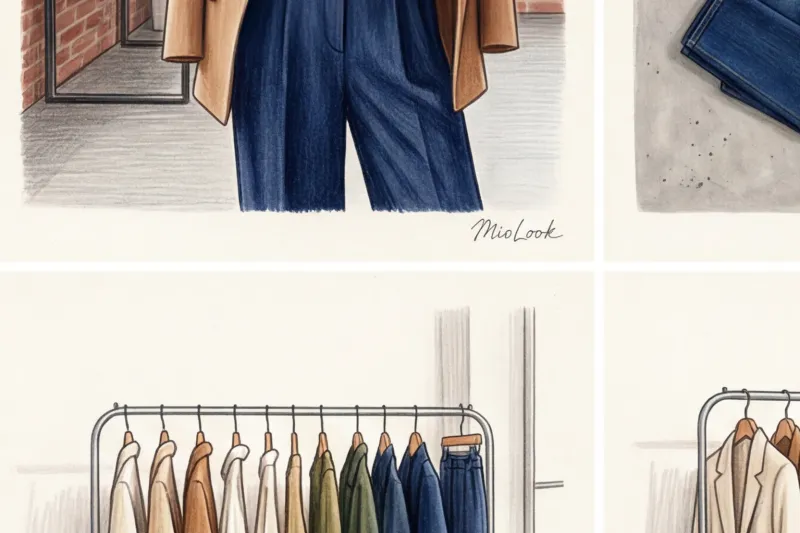
Джинсы в офисе допустимы, но с жесткими оговорками. Это должен быть плотный деним (12-14 унций), который держит форму и не облегает ногу как вторая кожа. Никаких потертостей, дыр и контрастных строчек. Идеальные цвета: глубокий индиго, графит или экрю (суровый неокрашенный хлопок). Отличная и более статусная альтернатива джинсам — широкие брюки-палаццо со складками у пояса или укороченные слаксы из смесовой шерсти.
Ваш идеальный образ начинается здесь
Присоединяйтесь к тысячам пользователей, которые каждый день выглядят безупречно с MioLook.
Открыть доступ — €0,99 разовоОбувь и аксессуары: маркеры статуса в креативном классе
Знаете, в чем главный секрет стильных образов в духе «джинсы + футболка + жакет»? Всю статусную нагрузку в них берут на себя обувь и часы. Обувь — это абсолютный индикатор вкуса. Я рекомендую инвестировать в лоферы из зернистой кожи (pebble leather), классические броги ручной работы или минималистичные кеды.
Но здесь есть честное ограничение: этот трюк НЕ работает, если ваша обувь хотя бы немного стоптана, покрыта пылью или потеряла форму. Кеды в офисе должны быть хирургически чистыми, иначе расслабленность превращается в неряшливость.
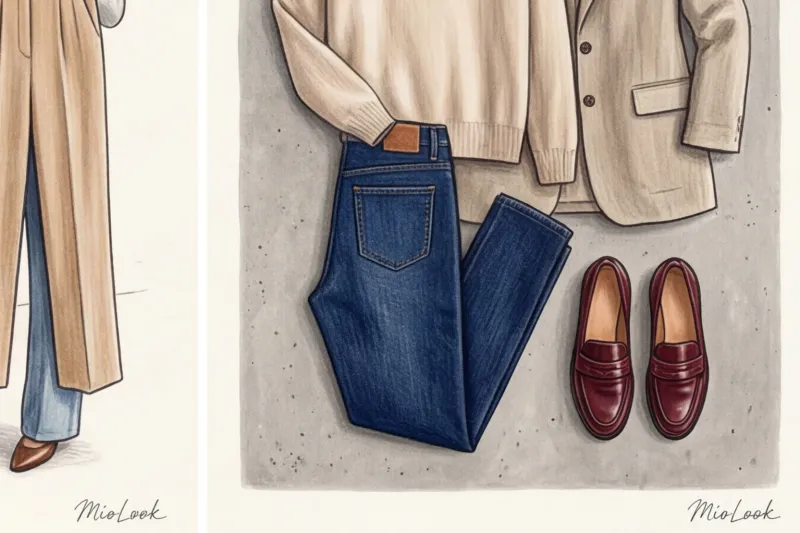
Что касается сумок, откажитесь от жестких портфелей-дипломатов. В креативной среде они выглядят комично и старомодно. Ваш выбор — вместительные тоуты из премиальной кожи, которые держат форму, но не выглядят как сейф. Швейцарские часы с кожаным ремешком или лаконичные концептуальные украшения (например, мятый металл или барочный жемчуг) завершат образ, показывая, что ваша небрежность тщательно продумана.
Метод 15 вещей: собираем капсульный гардероб для офиса без дресс-кода
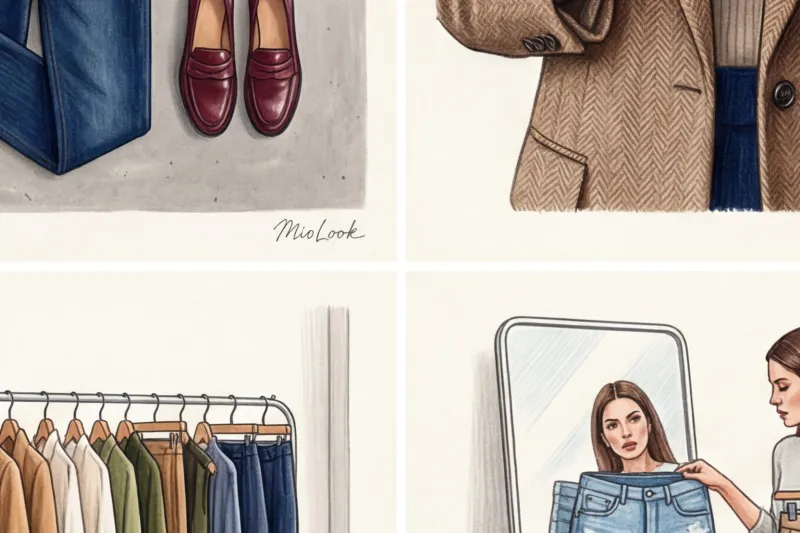
Давайте перейдем к математике гардероба. Чтобы не стоять каждое утро перед открытым шкафом, вам нужна работающая матрица. Идеальный капсульный гардероб для офиса без дресс-кода состоит всего из 15 вещей (без учета аксессуаров). Вот моя проверенная формула:
- 3 низа: темно-синие прямые джинсы