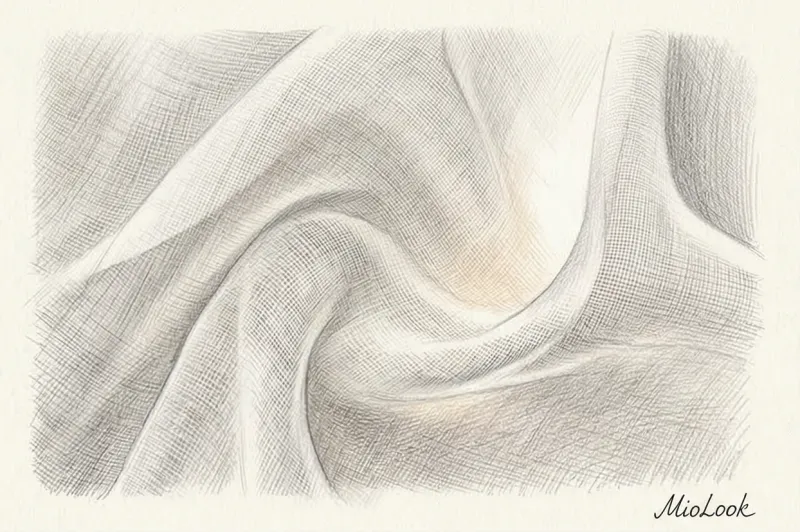
What is cambric?
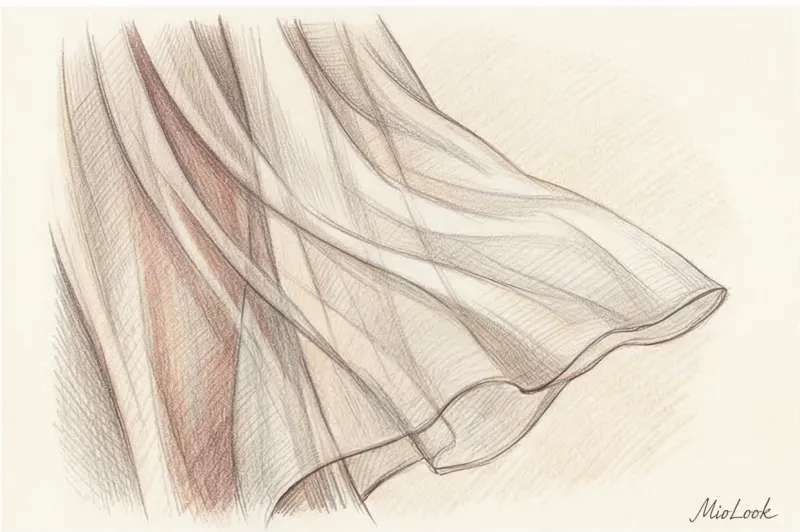
Batiste — is a thin, translucent and lightweight plain weave fabric made from tightly twisted yarn.
The material's name comes from the 13th-century French weaver Jean Baptiste, who first established its production in Flanders. The fabric's main characteristic is its combination of visual fragility and high strength. This effect is achieved through the tight twisting of very fine fibers.
Traditionally, cambric is used for summer clothing, such as dresses, sundresses, and loose blouses. It is also used to create elegant underwear, handkerchiefs, and children's clothing. The fabric is highly breathable and feels comfortable on the body, even in extreme heat.
The main types of cambric
Depending on the raw materials used, fabric is divided into several categories, each of which has its own visual and tactile characteristics.
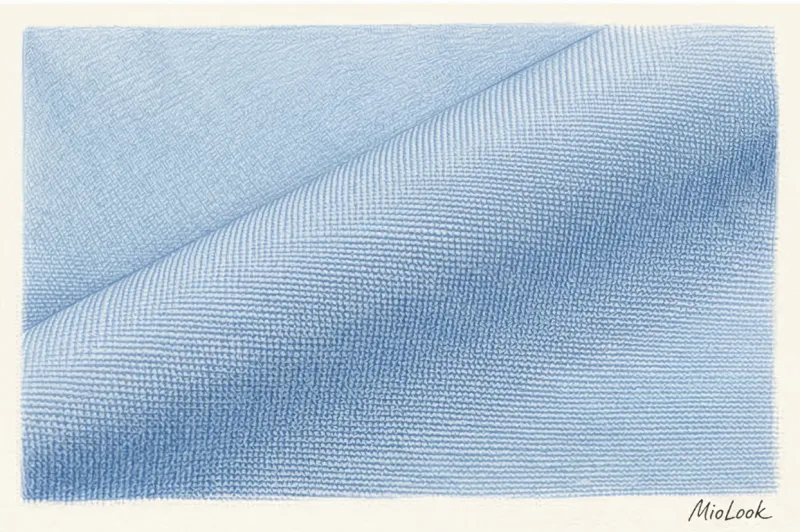
- Cotton cambric. The most common variety has a matte surface and is highly absorbent. It is often decorated with embroidery, creating a fabric known as "stitching."
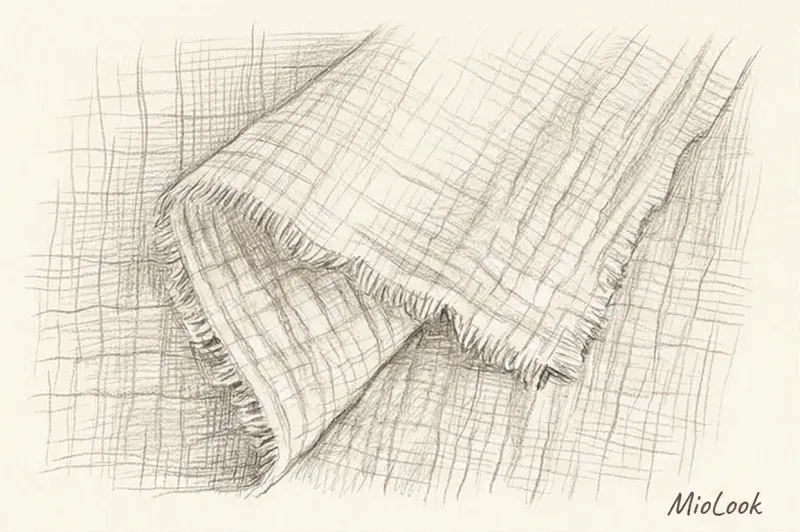
- Linen cambric. It has a more pronounced texture with characteristic thickening of the threads. It retains its shape slightly and provides superior temperature regulation in hot weather.
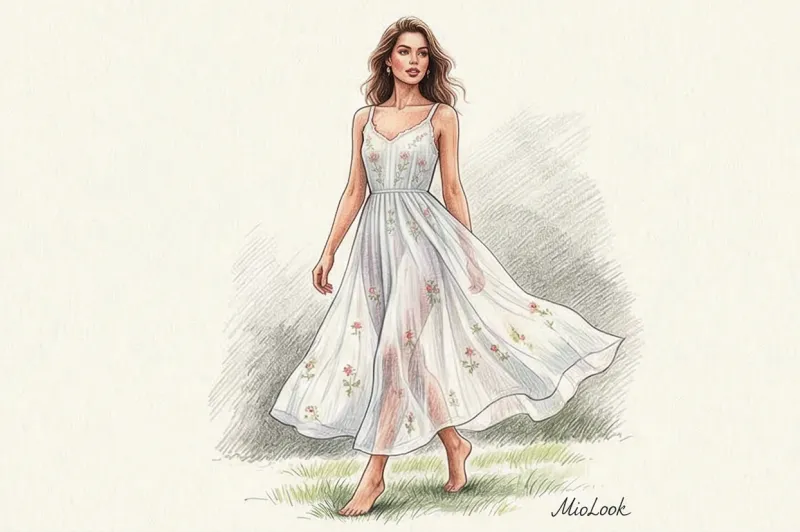
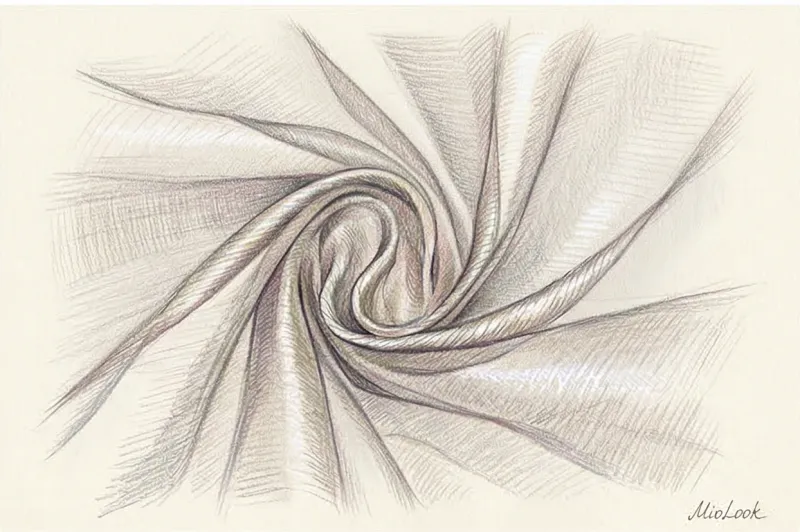
- Silk batiste. A premium fabric with a subtle glossy sheen. It features a flowing texture and is used for evening wear and fine lingerie.
- Blended cambric. Contains added synthetic fibers such as polyester or viscose. This makes the material less prone to wrinkling, more durable, and more affordable.
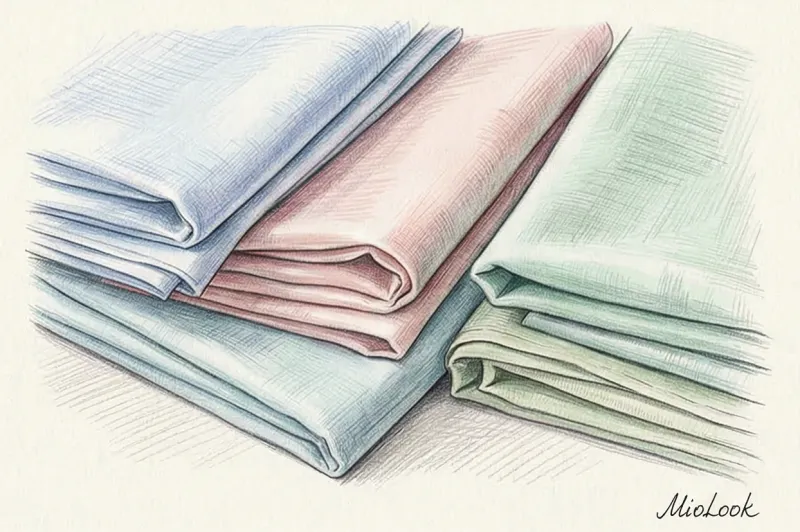
Features of cambric care
The delicate structure of the threads requires careful handling during use and washing. Hand washing or a delicate machine wash at a temperature no higher than 30-40°C (86-104°F) is recommended, with no heavy spinning.
For cleaning, use gentle liquid gels designed for delicate fabrics. Chlorine bleaches are strictly prohibited, as they damage fine fibers.

Dry cambric items flat or on a soft hanger. Avoid direct sunlight to prevent yellowing.
The fabric should be ironed on the reverse side while slightly damp. The iron temperature setting should be selected strictly according to the fiber composition—usually silk or cotton.