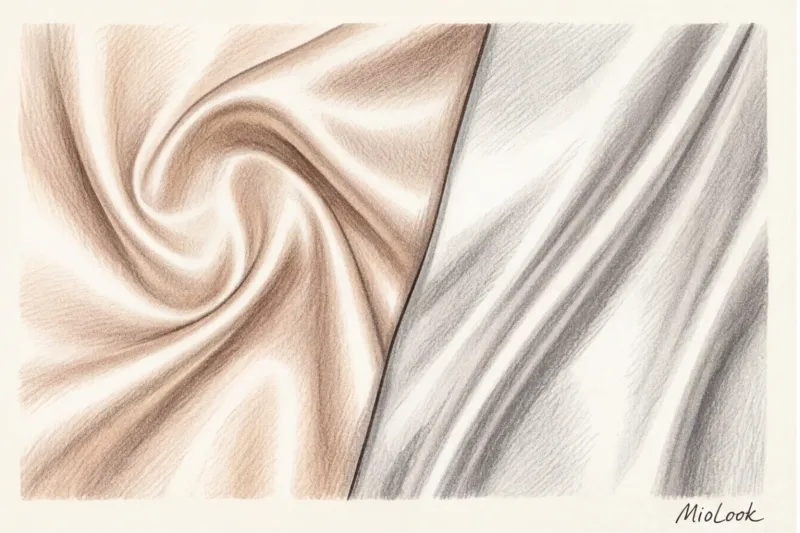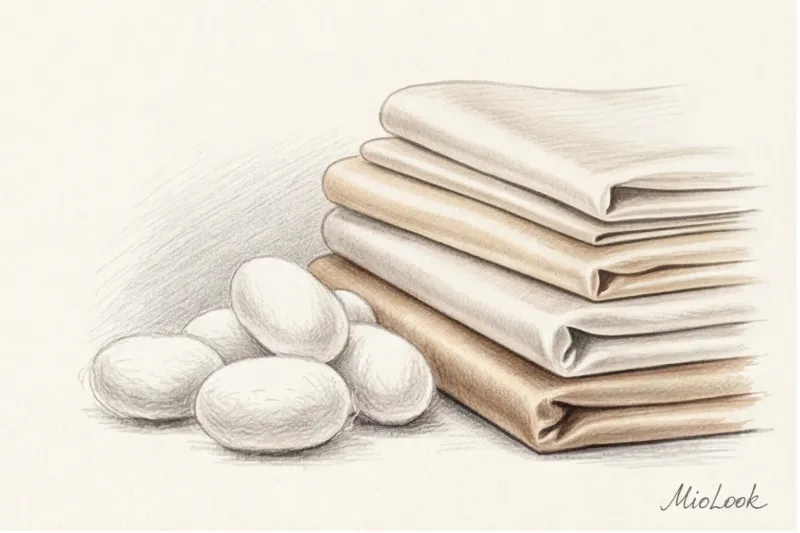
Did you know that when a brand proudly proclaims "100% Mulberry silk" in large letters on the tag, it says absolutely nothing about how the fabric will look, flow, or wear? We're accustomed to perceiving silk as a single concept, imagining something shiny and smooth. However, in reality, the physics of this thread allows for the creation of diametrically opposed textures: from crisp, transparent architecture to a dense, matte fabric reminiscent of linen.
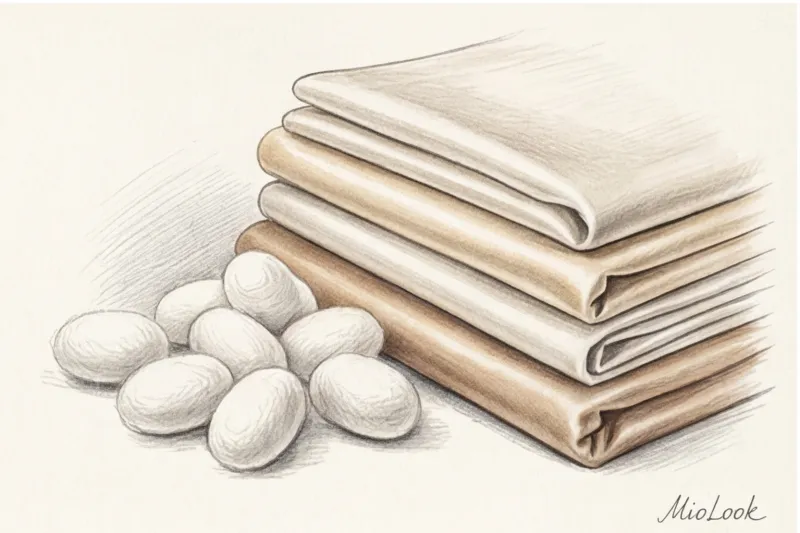
Studying types of silk fabric Many people get confused by the terminology, mistaking the weave type for the material name and the caterpillar's diet for a premium brand. We've already covered the basic differences between counterfeits and the original in our A complete guide to identifying genuine silk In this article, we'll go further: I'll teach you how to distinguish silk textures tactilely and visually, so you'll know exactly why one blouse lasts for years, while another falls apart at the seams after the first wash.
Mulberry, Mommie, and Weave: How to Stop Confused About Basic Silk Terms and Types
The most common misconception I encounter when I'm shopping: clients looking for "Mulberry fabric," believing it to be a special, elite type of weave. I'll dispel this myth once and for all. Mulberry isn't a fabric. It's the origin of the raw material. It simply means that the silkworms fed exclusively on mulberry tree leaves under controlled conditions. Mulberry threads account for about 90% of all commercial silk in the world: they can be woven into everything from luxurious, heavy crepe to cheap, loose gauze.
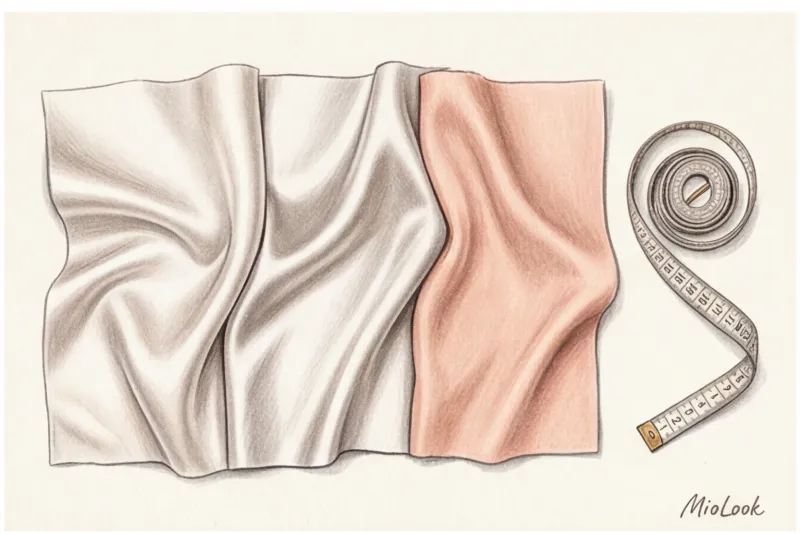
The true indicator of quality and durability is the weight of the fabric, which is measured in mommy (momme, mm). One momme is equal to 4.34 grams per square meter.
One of my clients, a top manager at an IT company, once bought a stunning "100% silk" fitted blouse online. After a month of heavy wear, the fabric had literally come apart at the armholes and back. The error wasn't in the size, but in the density: it was ultra-fine habotai silk, weighing only 8 momme. This fabric is ideal for loose, flowing capes or linings, but it physically can't withstand the tension in the structural seams.
For everyday and formal blouses, look for a weight of 19-22 momme—the gold standard. For flowing evening dresses, 16-19 momme is ideal. Chiffon and gauze typically weigh between 8 and 12 momme.
The second important marker used by premium brands is Grade 6A. This is the highest grade in the raw material quality classification, meaning the thread is extremely long, uniform, and free of thickening and impurities. A garment made from 6A silk will have less pilling and will retain its original luster longer.
Your perfect look starts here
Join thousands of users who look flawless every day with MioLook. Our smart AI stylist will help you integrate silk into your essential wardrobe.
Get access — €0.99 onceSmooth textures: Charmeuse, Atlas and Satin – the magic of flowing light
Another terminology trap: satin and satin aren't compositions, but rather types of weave. They can be made from 100% polyester, viscose, or cotton. When we talk about smooth, shiny natural silk, we're most often referring to silk charmeuse.
The unique feature of satin (charmeuse) weave is that the weft threads overlap several warp threads. As a result, the face is dazzlingly smooth and reflective, while the back remains subdued, matte, and slightly rough.

In the studio, I often conduct a blind test with my clients: I ask them, with their eyes closed, to distinguish premium polyester satin from silk charmeuse. Natural silk gives away its authenticity within three seconds—it instantly adopts body temperature. You press it to your hand, and it becomes warm while remaining completely breathable. Polyester, on the other hand, always retains a slight, plasticky coolness and quickly creates a greenhouse effect.
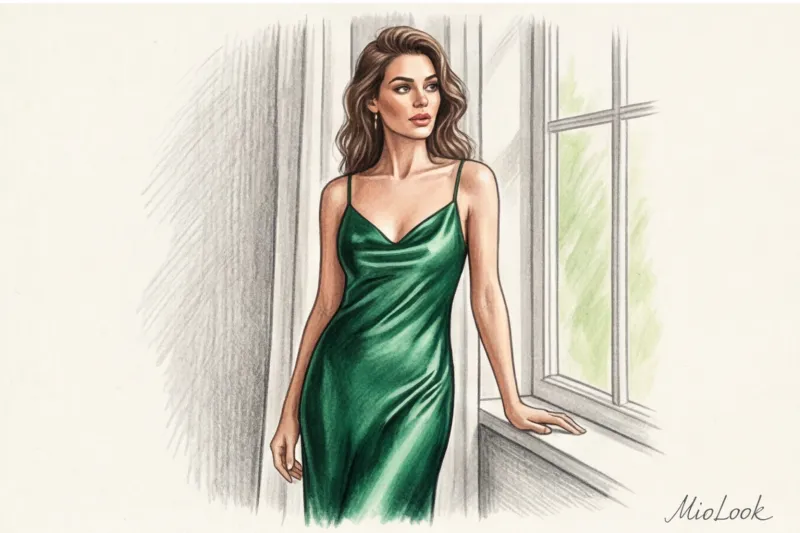
Charmeuse is the absolute king of lingerie style. It's used to create iconic slip dresses and statement evening tops. Its fluid, delicate sheen is the perfect answer to the question. How to look expensive and build a prestigious wardrobe However, it does have a downside: the smooth texture instantly shows the slightest drops of water (even from a steamer) and snags from a poorly applied ring.
Matte and grainy types of natural silk: Crepe de Chine and Georgette
If charmeuse is for celebration and evening wear, then matte silks are an intellectual luxury for everyday wear. According to the International Silk Association, the difference between smooth and matte fabrics lies in the twist of the threads. Crepe is created using highly twisted threads (crepe twist), which shrink slightly when heat-treated, creating a characteristic grainy, slightly rough surface.
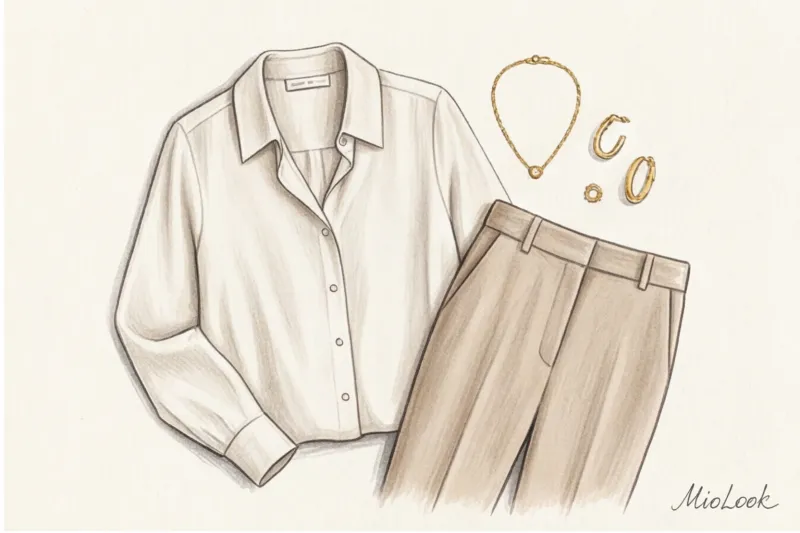
Crepe de Chine — This is my personal favorite for creating a base. It has a phenomenal balance: it's dense enough to be opaque, yet flexible and drapes beautifully. Thanks to its grainy texture, it wrinkles much less than smooth habotai or charmeuse.
After 12 years of working as a stylist, I have come up with a strict rule: if you collect business casual for women , choose only matte silk. Crepe de Chine doesn't glare under office lights, doesn't cast a cheap glare on camera during important Zoom calls, and, unlike thin, shiny satin, elegantly conceals the contours of lingerie and minor imperfections.
Silk Cady: Heavyweight luxury for a perfect fit
If you've ever wondered why some designer silk pants cost as much as a used car yet fit like a glove, the answer usually lies in the material. It's cady silk (or double crepe). It's a heavy, architectural fabric that drapes in luxurious, weighty folds. Cady is virtually wrinkle-resistant and has a slight stretch due to its special weave, making it an ideal choice for evening jumpsuits, formal sheath dresses, and wide-leg palazzo pants.
Ready to get started?
Digitize your wardrobe and create stylish combinations with silk blouses and dresses in one click. Try the free plan—no commitment.
Get access — €0.99 onceAiry Architecture: Chiffon, Organza and Gauze
Sheer silks are often confused with one another, although their wardrobe purposes are completely different. The difference lies in the degree of stiffness and pliability of the thread.
Chiffon — is a soft, flowing, matte sheer fabric. It's ideal for romantic ruffled blouses, layered hems, and scarves. Chiffon is flowy and doesn't hold its shape. Its main drawback is that it's extremely difficult to sew and requires perfect seams.
Organza On the contrary, it is created from tightly twisted threads from which the natural silk glue (sericin) has not been completely washed out. This gives the fabric incredible rigidity, dimensional stability, and a characteristic "crunch." According to 2024 reports from the analytical agency WGSN, the trend toward transparent layering is only gaining momentum.
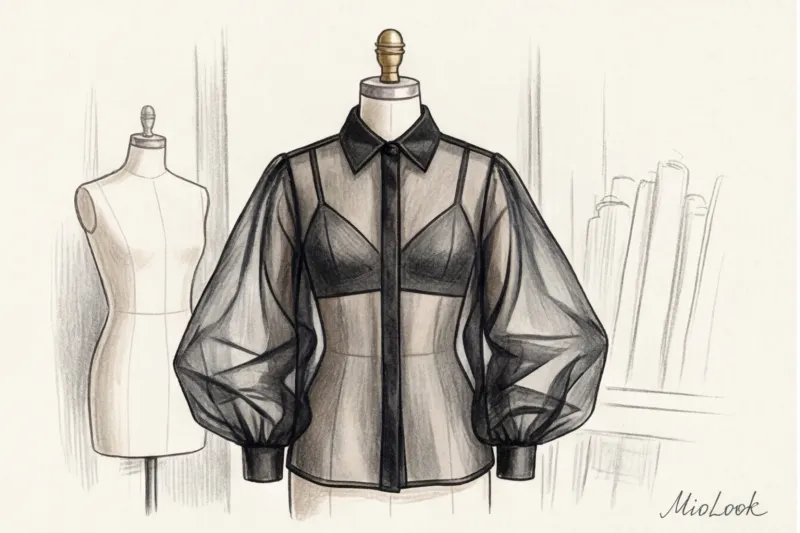
How to use this in practice? Organza is ideal for creating sculpted, voluminous puff sleeves and sheer shirts worn over thick, minimalist tops, silk bralettes, or even sheer turtlenecks.
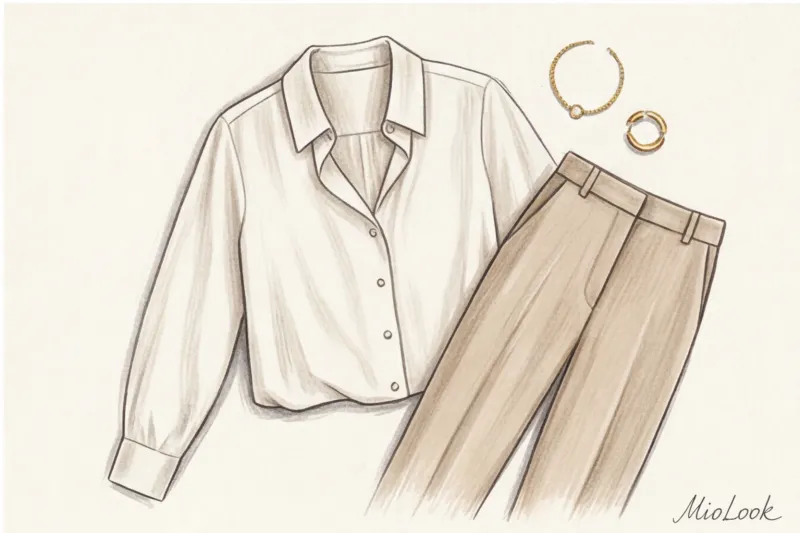
When it does NOT work: Never buy organza garments with narrow, tight armholes or form-fitting silhouettes. The fabric has no stretch whatsoever, and even the slightest strain (like reaching for a cup of coffee) will cause the threads to come apart at the seam, leaving no room for repair.
Wild and Sustainable Silk: Tussah, Eri and Buret
The fashion industry is rapidly moving toward sustainable fashion. Traditional silk production involves boiling cocoons with the caterpillars inside to produce a continuous thread (up to 900 meters long). But there's another option—"peace silk" (or Ahimsa silk), which involves allowing the butterfly to chew through the cocoon and emerge.
Because the cocoon is damaged, the thread is short and broken. These threads, as well as the remnants of silk production, are used to spin so-called wild silks.
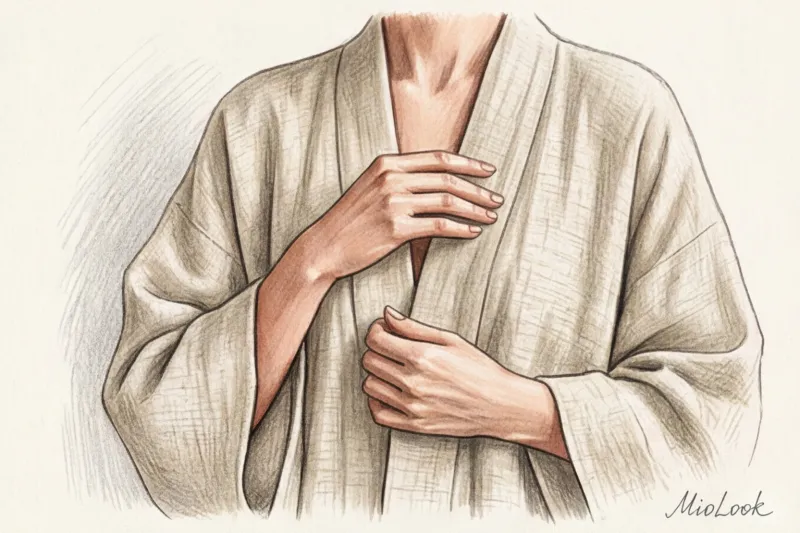
- Tussah Wild silk, produced by caterpillars that feed on oak leaves rather than mulberry leaves. Due to the abundance of tannins in oak leaves, tussah silk has a characteristic golden-beige or honey hue that is rarely bleached. The resulting thread is uneven, with beautiful thickenings.
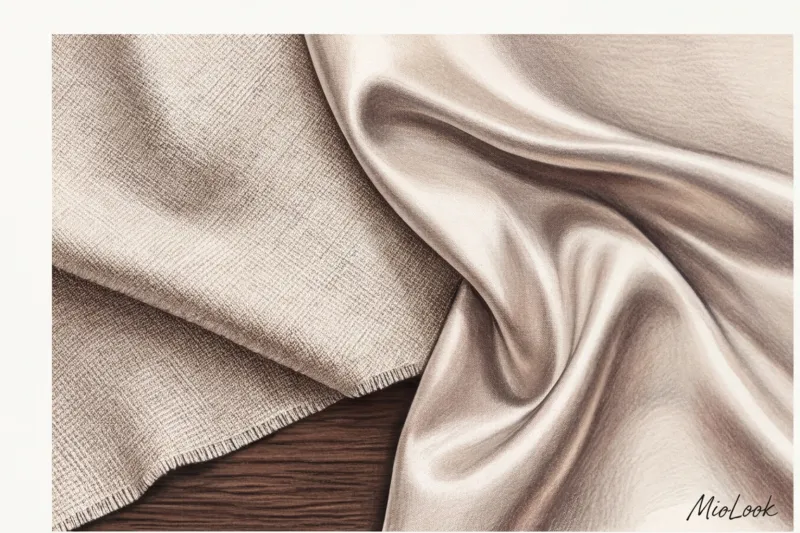
- Bourette silk A fabric woven from short noils. Visually, bourette is completely unlike silk in the traditional sense—it's matte, knotty, reminiscent of soft linen or the finest wool.
Bourette silk has a remarkable quality that makes it beloved by niche eco-brands. It retains a high content of sericin (silk glue), which has proven antibacterial and healing properties for the skin. It's an ideal fabric for those with hypersensitive skin or allergies. Bourette clothing has a relaxed, classy look and exudes a "quiet luxury" aesthetic, where the quality of the material speaks for itself without unnecessary glitz.
Checklist: How to evaluate the quality of silk fabric before buying
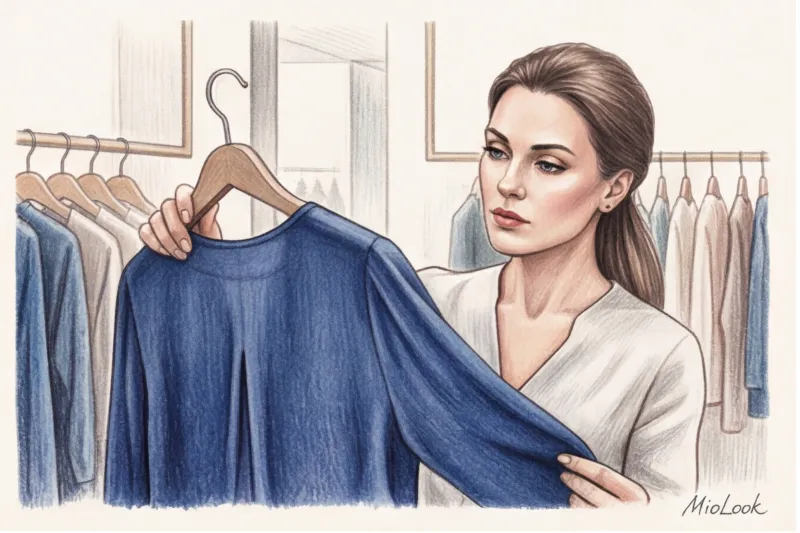
You've walked into a store, and a luxurious-looking silk blouse hangs before you. How can you be sure it's worth the money and won't let you down when you wear it? Here are four steps I always use when accompanying you on a shopping trip:
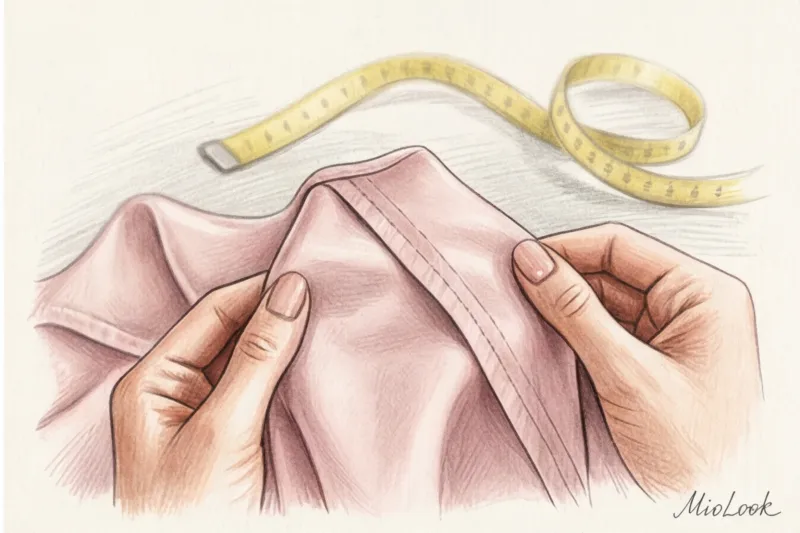
- Evaluate the seams from the inside. A high-quality silk garment should NEVER be finished with a regular serger. Look for a French seam (or closed seam). This stitch hides the edge of the fabric inside the seam itself. This protects the delicate threads from fraying during washing and friction.
- Conduct a crash test. Squeeze the edge of the item in your fist for 5-7 seconds and release. Polyester will instantly straighten without leaving a trace. Smooth silk (charmeuse or habotai) will leave distinct creases. High-quality crepe de chine or silk cady will wrinkle slightly, but the creases will be soft and will quickly disappear with the warmth of your hand.
- Check the tension in the armhole. This is my favorite insider styling tip. Gently (very gently!) tug the fabric on either side of the seam near the armpit or back. If you see the threads of the fabric begin to separate at the needle puncture, creating tiny holes, the garment is too small or the fabric is too loose. Leave it in the store, otherwise it will tear within the first week.
- Pay attention to the cut. For smooth silks (charmeuse), a bias cut is considered ideal—where the pieces are cut at a 45-degree angle to the grain. This type of garment will cost 20-30% more due to the increased fabric consumption, but it offers phenomenal flexibility and a soft, stretchy fit without the addition of elastane.
When choosing silk for your wardrobe, remember this: there is no "good" or "bad" type of silk, only the wrong texture for a specific purpose. For formal office wear, look for grainy crepe de Chine. For sensual evening looks, try smooth charmeuse. For trendy layering, try crisp organza. And for relaxed, eco-minimalist weekends, try textured bourette.
Access to MioLook for €0.99 — one-time payment
A smart AI stylist will create the perfect look for your new silk purchases, taking into account your body type and the season.
Get access — €0.99 once