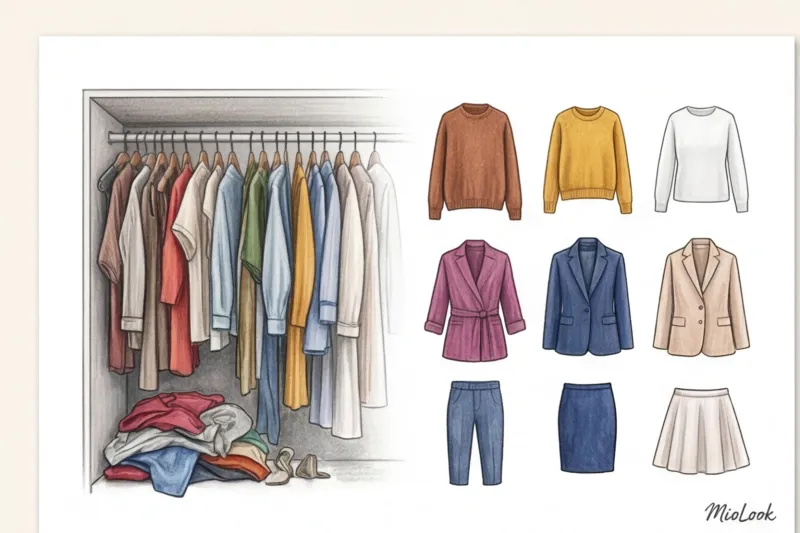
Що таке цифровий гардероб: більше, ніж просто каталог речей
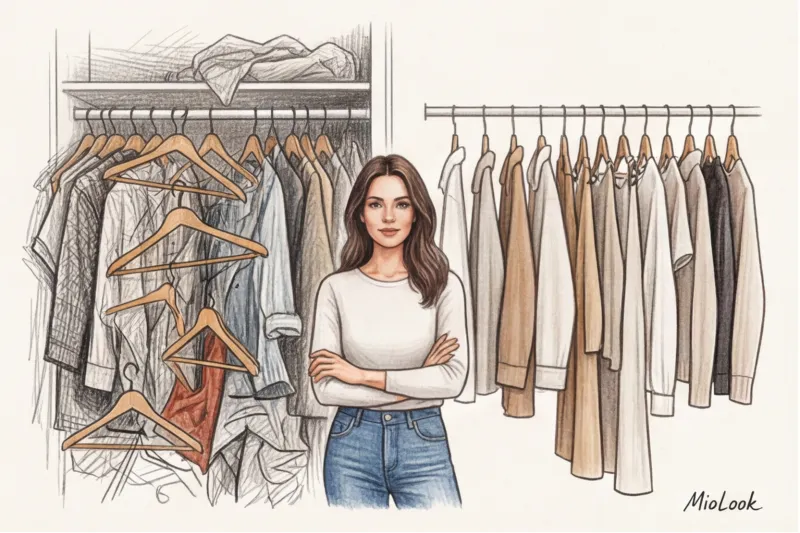
На моїй практиці 9 із 10 клієнток на першій консультації оцінюють розмір свого гардеробу приблизно 50–70 речей. Знаєте, що відбувається, коли ми починаємо їх рахувати під час розбору? Ми сягаємо 200, 300, а іноді й перевалюємо за 500 одиниць одягу. Фізична шафа – це майстер ілюзій. Саме тому я все частіше переконую своїх клієнток впроваджувати цифровий гардероб ще до того, як ми вирушимо на перший спільний шопінг.
Як імідж-консультант та колорист, я постійно бачу, як фізичний простір спотворює наше сприйняття одягу. Речі підступно ховаються на нижніх полицях, дорогий трикотаж меніться під вагою стопки, а темно-сині, графітові та чорні піджаки зливаються в єдину темну пляму. У ранковому поспіху ви просто фізично не здатні оцінити весь свій арсенал. Більше того, в темній шафі порушується сприйняття відтінків — ви не бачите, як цей смарагдовий топ міг би спрацювати з теракотовими брюками, просто тому, що вони висять у різних секціях. Цифрова розкладка надає кристальну ясність. Вона усуває ієрархію полиць: на яскравому екрані смартфона кожна футболка, кожен жакет і пара туфель знаходяться в рівних умовах.
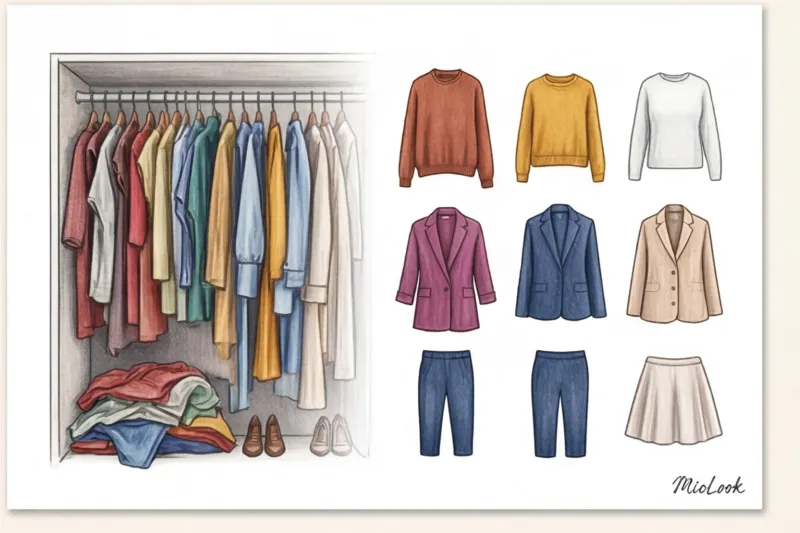
Ми пройшли величезний еволюційний шлях у керуванні своїм стилем. Ще десять років тому мої організовані клієнтки вели списки покупок у блокнотах, роздруковували фотографії або складали мудборди в давно закритому Polyvore. Пізніше з'явилися найпростіші додатки-каталоги, куди треба було дуже довго завантажувати і обрізати фото вручну. Сьогодні ж ми зробили крок в епоху розумних додатків-стилістів. Сучасний інструмент, такий як MioLook — це вже не статична телефонна галерея, а динамічний аналітичний центр із штучним інтелектом, який збирає стильні луки за мілісекунди.
Багато хто досі сліпо вірить у метод Марі Кондо. Я щиро поважаю її філософію розхламлення, але на практиці для побудови функціональної бази вона працює гірше, ніж суворий Data-driven підхід (аналітика гардеробу на основі даних). Коли ви стоїте перед горою речей і чекаєте на горезвісну «іскри радості», ви керуєтеся миттєвими емоціями. А емоції мінливі. Ви можете викинути ідеальні базові штани просто через втому, або, навпаки, залишити п'ять однакових білих сорочок, тому що вони всі такі красиві. Дані ж безпристрасні.
Додаток чітко фіксує факти: цей сірий кашеміровий светр ви одягли 18 разів за зиму (відмінна інвестиція!), А то ефектна сукня з паєтками за 250 $ висить з биркою вже другий рік, приносячи вам рівно 0 $ віддачі. Математика б'є емоції. Саме метрики допомагають вибудовувати справді робітник капсульний гардероб спираючись на реальну статистику ваших виходів у світ, а не на фантазії про те, ким ви хотіли б бути.
«Ваш стиль визначається не тим, що висить у вашій шафі, а тим, що ви реально носите. Дані показують правду, яку часто приховуємо самі від себе».
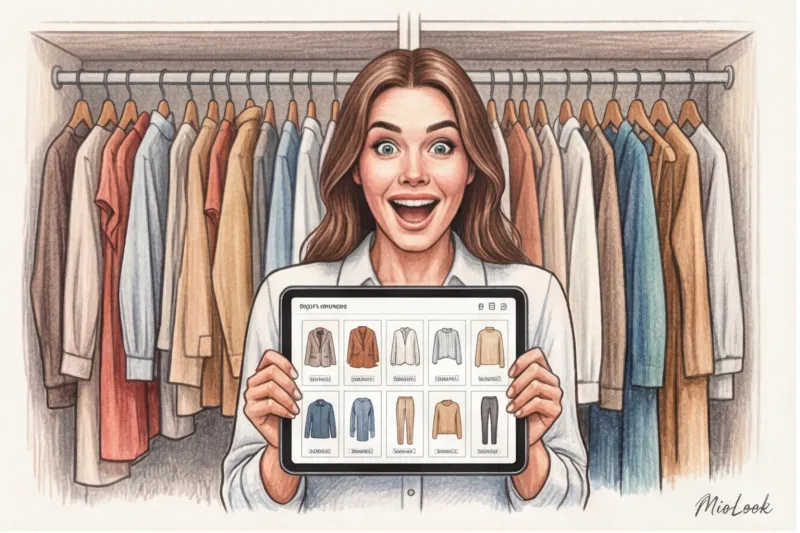
Вінчає цю систему чудова концепція «Гардероб на долоні». Це унікальна здатність охопити всі свої речі одним поглядом, повністю минаючи фізичні обмеження вашої квартири. Уявіть сценарій: ви п'єте ранкову каву або їдете в таксі, і за пару торкань екрану збираєте ідеальну капсулу для офісу без дрес-коду на наступний тиждень. Ви більше не прив'язані до скрипучих дверцят шафи і поганого освітлення в спальні - весь ваш стилістичний арсенал завжди знаходиться у вас у кишені, готовий до будь-яких, навіть найсміливіших кольорових комбінацій.
Анатомія віртуальної шафи: як це працює на практиці
Багато хто думає, що створення цифрового гардеробу — це похмура фотосесія, де улюблені речі виглядають як безформні ганчірки на м'ятому простирадлі. За даними дослідження WGSN (2023), страх отримати «неестетичну» та марну галерею зупиняє 68% жінок від оцифрування своїх речей. Але давайте заглянемо під капот сучасних програм: сьогодні вам не потрібна професійна студія, щоб отримати результат рівня глянсових маркетплейсів на зразок Farfetch або Net-a-Porter.
Від домашніх фото до глянцевого лукбуку
Я часто повторюю на консультаціях: якщо ваш одяг виглядає в телефоні непривабливо, ви просто не захочете його носити. Тут у гру вступає штучний інтелект. Алгоритми сучасних платформ, таких як MioLook , автоматично розпізнають контури одягу та повністю видаляють заднє тло. Ваш светр, сфотографований на підлозі, моментально переноситься на ідеально біле або прозоре полотно.
Але щоб нейромережа спрацювала бездоганно і не обрізала потрібні деталі крою, вихідник має бути правильним. За 12 років роботи з візуалом я вивела ідеальний алгоритм зйомки, що займає мінімум часу.
Чек-лист правильного оцифрування речі:
- Денне розсіяне світло. Жодних жовтих ламп розжарювання чи спалахів «в лоб». Знімайте біля вікна у світлий час доби - так камера смартфона передасть реальну температуру та насиченість відтінку. Як колорист я наполягаю: спотворений колір на фото призведе до помилок у підборі поєднань алгоритмом.
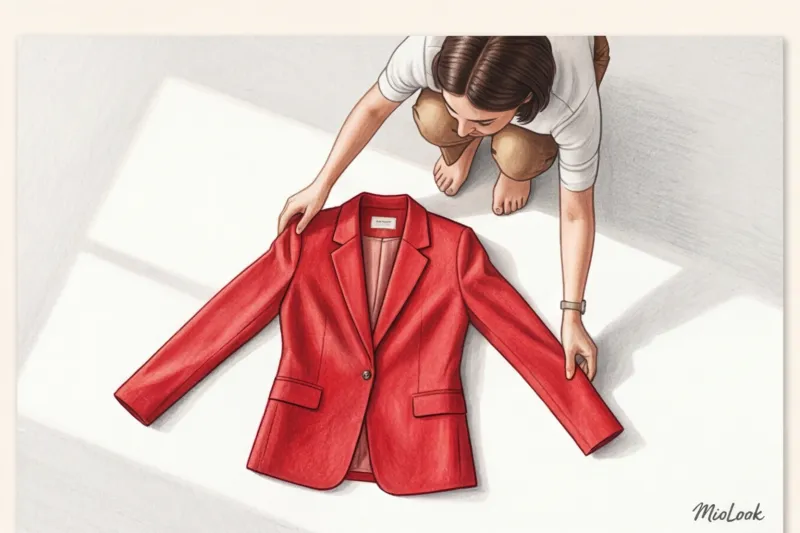
- Метод плоскої розкладки (flat lay). Покладіть річ на рівну поверхню. Розправте складки, злегка приталі силует руками (особливо це стосується суконь і об'ємних сорочок), щоб був зрозумілий крій. Звичайні вішалки часто деформують лінію плеча на фотографіях.
- Контраст фону. Білу футболку кладемо на темний плед, чорні штани — на світле простирадло. ІІ-алгоритмам потрібен чіткий контраст по краях, щоб ідеально вирізати силует за секунду.
Тегування: структура, яка економить ранковий годинник
Просто завантажити зображення без фону недостатньо. Справжня магія класифікації починається на етапі тегування. Кожній речі надаються конкретні параметри: сезон, колір, дрес-код (наприклад Smart Casual або Business Formal), бренд і навіть склад тканини.
У віртуальному гардеробі ви просто вибираєте фільтри: «осінь», «бордовий», «офіс» — і на екрані залишаються лише три потрібні топи. Більше того, точна каталогізація кольору дозволяє алгоритмам підбирати гармонійні колірні схеми, спираючись на правила класичної колористики. Додаток не запропонує вам одягнути літню льняну блузку, якщо теги вказують на те, що річ не підходить для зимового сезону.
Аналітика Cost Per Wear (CPW): математика усвідомленого стилю
Найбільше протверезне функція розумного гардероба - це підрахунок вартості одного виходу (Cost Per Wear). Додаток фіксує щоразу, коли ви додаєте річ у свій образ на день, і поділяє її початкову ціну на кількість надягань.
«Найдорожча річ у вашому гардеробі — це не брендова база за $500, яку ви носите щодня, а топ із розпродажу за $30, одягнений рівно один раз.»
Давайте порахуємо на конкретному прикладі. Базовий вовняний жакет за $250, який ви одягли 50 разів за сезон, має CPW лише $5. А ультрамодна сукня в паєтках за $90, куплена для однієї єдиної вечірки — CPW $90. Аналітика Cost Per Wear буквально перепрограмує мозок. Одна з моїх клієнток після місяця використання цифрового гардероба відмовилася від купівлі чергових акцентних туфель, бо статистика показала: її попередня схожа пара має $120 CPW. Натомість вона вклалася в якісний базовий ремінь, який окупив себе вже за два тижні.
Доступ до MioLook за €0,99 — разовий платіж
Розумний AI-стиліст підбере ідеальний образ
Відкрити доступ — €0,99 разовоШтучний інтелект як ваш персональний стиліст
Давайте будемо чесні: навіть у найнаглянутіших з нас є стилістичні «сліпі зони». Наш мозок лінивий. Дослідження споживчої поведінки показують, що середня жінка носить від сили 20% своїх речей 80% часу. Прокинувшись вранці, ми схильні вибирати перевірені, абсолютно безпечні патерни: сині джинси до білого светра, чорні штани до сірого жакета. Решта об'єму шафи висить мертвим вантажем, чекаючи ефемерного «особливого випадку». І саме тут ваш цифровий гардероб, посилений машинним навчанням, робить справжню революцію у повсякденному стилі.
Outfit Generator: кінець передбачуваним образам
Коли ви делегуєте складання цибулі машині, відбувається моментальний злам звичних шаблонів. ІІ не скований вашими ранковими страхами на кшталт «а чи не надто це ошатно для вівторка?» чи «чи можна змішувати ці фактури?». Алгоритм аналізує вашу базу за десятками мета-тегів — від щільності тканини та форми вирізу до пропорцій крою — і видає комбінації, які ви ніколи не здогадалися б надіти разом.
Одна з моїх клієнток, що працює у сфері фінансів, скаржилася на неймовірну нудьгу свого офісного дрес-коду. Як експеримент ми прогнали її гардероб через Outfit Generator. Машина запропонувала поєднати строгу спідницю-олівець із щільної костюмної вовни з об'ємним бавовняним худим, додавши структурований шкіряний тренч та акцентні лофери. Сама дівчина носила цю спідницю виключно із базовими шовковими блузами. Програма побачила блискучий контраст обсягів (oversize зверху, прилягання знизу) і різницю фактур, створивши актуальний образ у дусі героїнь стрітстайлу буквально за частку секунди.
Математика кольору: як алгоритм бачить палітру
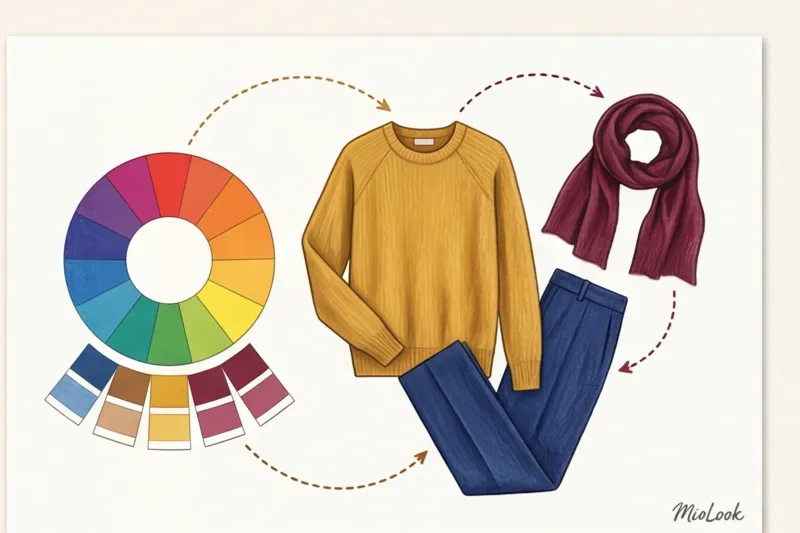
Як колорист, я захоплююсь тим, як ІІ-стиліст сканує HEX-коди кольорів на фото ваших речей і видає бездоганні поєднання по Іттену, за винятком «брудних» стиків відтінків.
Людське око дуже легко обдурити поганим освітленням у домашній примірювальній чи спотвореній кольоропередачі дзеркала. Але алгоритм бачить лише чисті математичні дані. Програма безпомилково обчислює ідеальні колірні схеми. Якщо вона будує комплементарний контраст, то запропонує до теракотового светра саме глибокі темно-сині штани (navy blue), а не просто випадкові «якісь сині джинси». Якщо завдання створити вишукану аналогову гармонію, ІІ збере м'яку градієнтну цибулю, де смарагдова плавно переходить у хвойну і завершується м'ятними аксесуарами.
Більш того, просунуті системи враховують колористику вашої зовнішності та температуру відтінків. Додаток аналізує підтони, гарантуючи, що холодний малиновий піджак ніколи не опиниться в парі з теплим томатним топом - це класична помилка, яка візуально робить образ дешевим і буквально "розвалює" його на частини.
Віртуальна примірювальна та інтеграція з онлайн-шопінгом
Найпотужніша, на мій професійний погляд, функція сучасної розумної шафи — це передиктивна примірка нових речей до їхньої фактичної покупки. Згадайте, як часто покупка обновки перетворювалася на гру в рулетку. Ви замовляєте ефектний жакет твідів за €250, приносите його додому, в ейфорії зрізаєте бирки і раптово розумієте, що він стилістично сперечається з кожною парою ваших штанів.
З віртуальною примірювальною цей ризик зводиться до абсолютного нуля. Перш ніж натиснути кнопку оплати в інтернет-магазині, ви робите скріншот потенційної покупки та завантажуєте його в розумний гардероб MioLook. ІІ-стиліст у режимі реального часу намагається вбудувати новинку у вашу існуючу базу.
Я завжди даю своїм підопічним жорстке правило: якщо алгоритм насилу збирає менше трьох гармонійних луків з новою річчю — це вірний сигнал скасувати замовлення, яким би красивим не здавався одяг на студійній фотографії. Але якщо новинка миттєво утворює 7–10 свіжих комплектів із вашими улюбленими джинсами, спідницями та базовими топами, отже, інвестиція виправдана на всі сто відсотків. Ви купуєте не просто шматочок красивої тканини, ви купуєте готові стилістичні рішення для десятка майбутніх виходів.
Такий підхід кардинально змінює саму філософію шопінгу. Ми перестаємо скуповувати розрізнені емоційні «хотілки» і починаємо мислити стратегічно, де кожен новий елемент — це пазл, що бракує, який змушує весь ваш гардероб працювати вдвічі ефективніше.
5 головних проблем, які назавжди вирішує цифровий гардероб
Статистика консалтингової агенції McKinsey (2024) підтверджує давно відомий стилістам факт: більшість жінок регулярно носять лише 20% своїх речей. Інші 80% - це красивий, але зовсім нефункціональний вантаж, що роками висить на плічках. Чому так відбувається? Тому що фізична шафа приховує наші систематичні помилки купівельної поведінки, а цифрова — безжально їх підсвічує. За роки практики я виділила п'ять головних вбиралень «хвороб», які віртуальний формат лікує раз і назавжди.
1. Синдром «повна шафа, а одягти нічого»
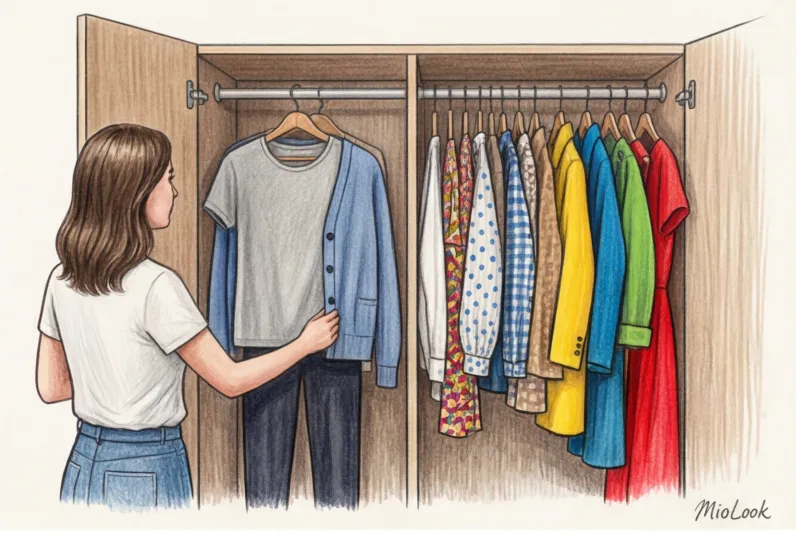
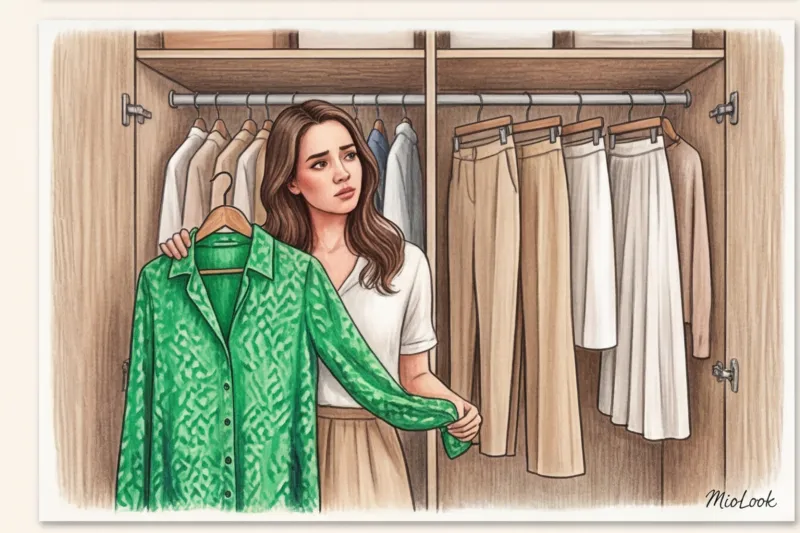
Коли ви відкриваєте стулки звичайної шафи, ваш мозок за частки секунди стикається з тисячами візуальних сигналів: різні фактури, вішалки, що збилися, виглядають рукави, пам'яті тканини. Виникає сильне когнітивне навантаження. Як колорист додам: цей візуальний шум часто посилюється конфліктуючими відтінками, коли в одному ряду висять теплі теракотові светри та холодні неонові сукні.
Цифровий гардероб хірургічно точно усуває цей хаос. Ви бачите речі на чистому стандартизованому тлі. Це дозволяє мозку переключитися з режиму "пошук наосліп" на режим "творче комбінування", легко збираючи з візуального шуму чіткі, математично вивірені капсули.
2. Виявлення «речей-сиріт»
У термінології іміджмейкерів «річ-сирота» — це надзвичайно красивий, часто дорогий одяг, до якого у вашому арсеналі просто немає пари. І виявлення таких речей моя улюблена частина стилістичної діагностики.
Одна з моїх клієнток любила купувати акцентні спідниці: з великими паєтками, складного асиметричного крою, відтінку яскравої фуксії. При цьому на кожній сесії вона скаржилася, що їй зовсім нема в чому ходити в офіс. Коли ми оцифрували її речі, вбудована аналітика програми видала наочну кругову діаграму: 45% гардероба складав «складний низ» і лише 5% — спокійні базові топи. Побачивши цю страшну диспропорцію на графіці, вона була шокована. Жодні вмовляння не працюють так само ефективно, як суха візуалізація даних.
3. Звільнення від дублікатів
Цей феномен у професійному середовищі ми називаємо «синдромом п'ятої чорної водолазки». Ми схильні несвідомо купувати те, що нам і так подобається і гарантовано йде. У фізичному світі легко забути про базовий кашеміровий светр за $200, якщо він лежить у пранні або засунутий у дальній кут верхньої полиці.
У цифровому просторі всі ваші чорні водолазки, білі футболки та прямі сині джинси вишикуються в єдиний ряд. Ви буквально віч-на-віч стикаєтеся зі своїми купівельними патернами. Сортування за фільтрами миттєво показує, де ваша база дублюється, а де зяє стилістична дірка.
4. Запобігання емоційному шопінгу
Уявіть знайому ситуацію: ви стоїте у примірювальній із дивовижним смарагдовим жакетом на фінальному розпродажі. Рука вже тягнеться до терміналу оплати. Але тепер ви дістаєте смартфон, відкриваєте MioLook і візуально прикладаєте цей жакет до ваших штанів, спідниць та взуття.
Золоте правило розумного шопінгу звучить так: якщо нова річ не збирає щонайменше три повноцінні образи з тим, що у вас ВЖЕ є — ви повертаєте її на рейлінг. Ця мікро-звичка (звірка з віртуальною базою) економить моїм клієнткам сотні євро на рік, докорінно обрубуючи імпульсивні витрати.
Спробуйте MioLook безкоштовно
Почніть створювати ідеальні образи за допомогою штучного інтелекту і позбавтеся проблеми «нічого одягти» назавжди.
Відкрити доступ — €0,99 разово5. Полегшення зборів у подорожі
Збори у ділове відрядження або відпустку більше не означають нервове запихання випадкових речей у валізу о другій годині ночі. Особливо це актуально сьогодні з огляду на жорсткі ліміти міжнародних авіакомпаній на ручну поклажу.
Функція віртуальної упаковки валізи дозволяє створити окрему міні-капсулу прямо в телефоні, поки ви п'єте каву. Ви заздалегідь плануєте луки на кожен день поїздки, перевіряєте поєднання єдиної пари кросівок з кожною сукнею і берете стільки, скільки потрібно. Ви більше ніколи не привезете назад половину валізи жодного разу не одягненого одягу.
Головний міф: «Оцифрування гардеробу – це надто довго»
Якщо ви прямо зараз представили, як витрачаєте всі вихідні на фотографування кожної футболки, шарфу та пари шкарпеток, видихайте. Ця картина, що лякає, — головна причина, через яку завантажені fashion-програми часто так і залишаються лежати в папці «Корисне» на екрані смартфона.
У когнітивній психології є поняття «параліч вибору», і спроба каталогізувати 150–200 речей за один раз — вірний спосіб його заробити. Я категорично проти підходу "все чи нічого". Моя головна контрінтуїтивна порада: не намагайтеся оцифрувати всю шафу відразу. Це вбиває будь-яку мотивацію на старті. Ви просто опинитеся на підлозі в оточенні гір одягу, зненавидите цей процес і саму ідею розумного гардеробу.
Стратегія "Капсула за вихідні"
Тут ідеально працює золоте правило Парето: насправді ми носимо лише 20% нашого одягу 80% часу. Тому правильний старт - це оцифрування тільки вашого поточної робочої капсули.
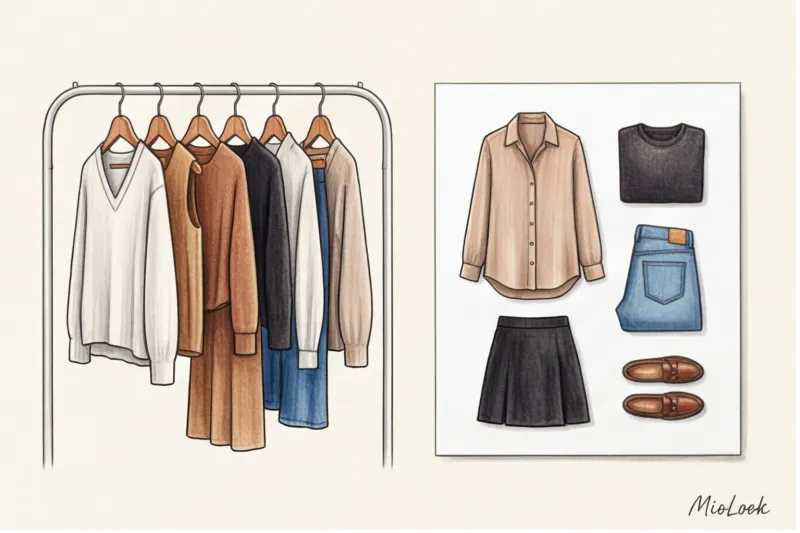
Вам потрібно завантажити всього 20–30 речей, які ви активно носите зараз, цього сезону. Ось моя перевірена формула для швидкого старту:
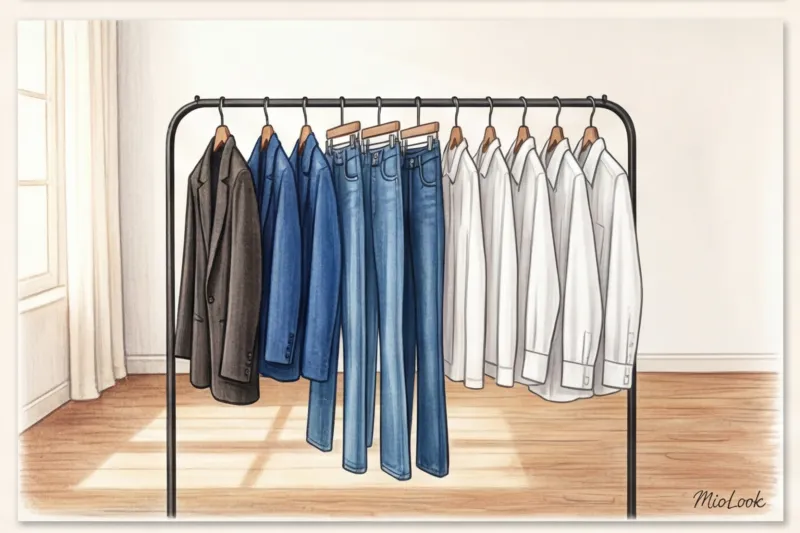
- 6-7 «верхів» Кабіна: базові футболки, пара сорочок, об'ємний светр.
- 4-5 «низів»: джинси з ідеальною посадкою, класичні штани, універсальна спідниця.
- 3 верхніх шари: структурний жакет, кардиган або тренч.
- Аксесуарна база: 3 пари сезонного взуття та 2 сумки.
На таку міні-зйомку потрібно максимум 40 хвилин. Зате ефект ви відчуєте вже наступного ранку. Як тільки ці речі виявляться в системі, алгоритми розумного гардеробу MioLook миттєво згенерують із цього компактного набору десятки свіжих поєднань. Ви прокинетеся, відкриєте телефон, і питання «що вдягнути» буде вирішено до того, як ви доп'єте ранкову каву.
Секрет успішного цифрового шафи над кількості завантажених одиниць, а щільності їх використання. Компактна, але на 100% активна капсула працює у рази ефективніше, ніж сотня забутих на антресолях суконь.
Як додавати нові речі «на льоту»
Ще один страх, з яким я постійно стикаюся: "Невже тепер кожну нову покупку доведеться спеціально фотографувати вдома при денному світлі?"
Абсолютно ні. Сучасний підхід до цифрового гардеробу має бути лінивим у хорошому значенні цього слова. Забудьте про домашні фотосесії для оновлень. Використовуйте лайфхак просунутих користувачів: скріншоти з онлайн-магазинів.
Допустимо, ви купили ідеальний кашеміровий джемпер у COS за €150 або замовили базові джинси на сайті H&M. Не чекайте, доки посилка приїде додому. Просто збережіть студійну фотографію товару прямо із каталогу бренду. Там уже виставлено професійне світло і немає спотворень відтінку — а як колорист я наголошу, що точна передача кольорів критично важлива для роботи ІІ-стиліста. Нейросітка сама за секунду виріже фон з каталожного фото. У результаті поповнення вашої віртуальної колекції займає рівно 15 секунд, доки ви стоїте в черзі до каси або їдете в таксі з шопінгу.
Як ІІ-гардероб допомагає будувати власний бренд експерта
Американські дослідники з Journal of Experimental Social Psychology (2012) довели феномен «уречевленого пізнання» (enclothed cognition). Суть концепції проста: одяг безпосередньо впливає на наші когнітивні процеси та внутрішню впевненість. Суворий крій жакета буквально змушує нас мислити більш аналітично, а м'який світлий кашемір схиляє до емпатії. Але парадокс полягає в тому, що сам процес вибору цієї «ідеальної обладунки» перед важливою подією часто спалює ту саму ментальну енергію, яка гостро необхідна для успішної роботи.
Секрет статусних експертів криється не у вродженому почутті стилю, а у продуманій візуальній стратегії та наявності власної «уніформи» для різних контекстів. Я говорю не про нудний сірий костюм, який ви одягаєте щодня від безвиході. Експертна уніформа – це набір перевірених, математично вивірених комбінацій, які бездоганно сидять, транслюють потрібний меседж та повністю відповідають вашому особистому бренду.
Від бізнес-сніданку до масштабної сцени
Різні професії вимагають кардинально різного підходу до дрес-коду. Те, що працює для креативного директора (наприклад, деконструйований крій, асиметрія та кросівки лімітованої серії за €400) миттєво знищить авторитет корпоративного юриста. Коли ви заздалегідь збираєте свої образи у цифровому просторі, ви берете під абсолютний контроль свою візуальну подачу.
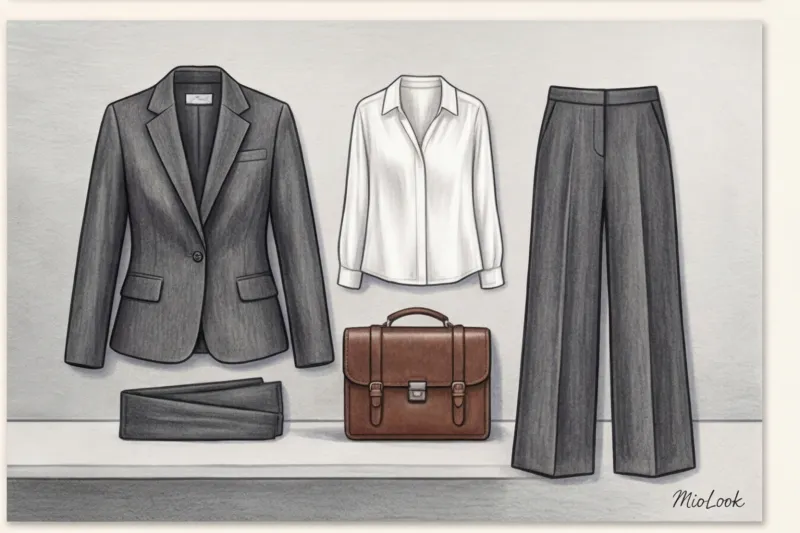
Минулого місяця я готувала топ-менеджера до серії публічних заходів. Замість того, щоб у паніці перебирати вішалки за годину до виїзду в аеропорт, ми за тиждень провели спокійне планування цибулі для бізнес-конференцій, вебінарів та короткої ділової фотосесії прямо у телефоні. Підготовка образів заздалегідь знижує рівень стресу перед важливими виступами в рази: моя клієнтка достеменно знала, що для панельної дискусії у неї готовий контрастний образ, а для неформальної вечері з партнерами — елегантна сукня міді. Рівень тривожності перед поїздкою впав майже до нуля.
Налаштування професійних тегів
Щоб алгоритми працювали на ваші кар'єрні цілі, необхідно створити кілька «цифрових капсул» (Smart Casual, Business Formal, Сцена) всередині однієї програми. Технічно це виглядає як система розумних фільтрів:
- Business Formal: Статусні, суворі речі для жорстких переговорів чи порад директорів. Глибокі кольори (темно-синій, графітовий, смарагдовий), щільні фактури, що добре тримають форму. Відкриваючи цей тег вранці, ви за секунди отримуєте готовий діловий аутфіт.
- Smart Casual: Щоденна робоча рутина, нетворкінг та онлайн-зустрічі. Тут фокус зміщується на комфорт та портретну зону. Для вебінарів у Zoom критично важлива правильна геометрія вирізу та відтінок, який підсвічує обличчя, оскільки низ вашого вбрання залишиться за кадром.
- Сцена: Образи для громадських виступів під софітами. Як колорист, я завжди перевіряю цю віртуальну капсулу на контрастність. Важливо не зливатися з фоном презентації та категорично уникати дрібної брижів (принта «гусяча лапка» або вузької смужки), яка неминуче стробить на професійних відеокамерах.
Ваш ідеальний образ
починається тут
Приєднуйтесь до тисяч користувачів, які щодня виглядають бездоганно з MioLook.
Відкрити доступ — €0,99 разовоРозподіливши свій робочий гардероб за цими категоріями MioLook , Ви перетворюєте ранкові збори з хаотичного квесту на хвилинне технічне завдання. Будемо реалістами: віртуальний стиліст не напише за вас блискучу мову та не додасть ораторської харизми. Однак він гарантовано зніме з вас вантаж візуальних сумнівів, дозволяючи сфокусуватися на найголовнішому – вашій бездоганній експертизі.
Усвідомлене споживання: екологічність та економія ваших грошей
За даними фундаментального звіту Ellen MacArthur Foundation (2023), кожну секунду у світі на звалище вирушає ціле сміттєвоз одягу — це колосальні 92 мільйони тонн текстильних відходів щорічно. Аналітики тренд-бюро WGSN прогнозують, що саме «розумні» гардероби стануть головним трендом sustainability до 2030 року. Механіка цього впливу проста: цифровий гардероб радикально знижує ваш особистий вуглецевий слід не за рахунок покупки футболок із переробленого пластику, а за рахунок максимальної утилізації того, що вже зроблено. Найекологічніша річ — та, що вже висить на вашій вішалці.
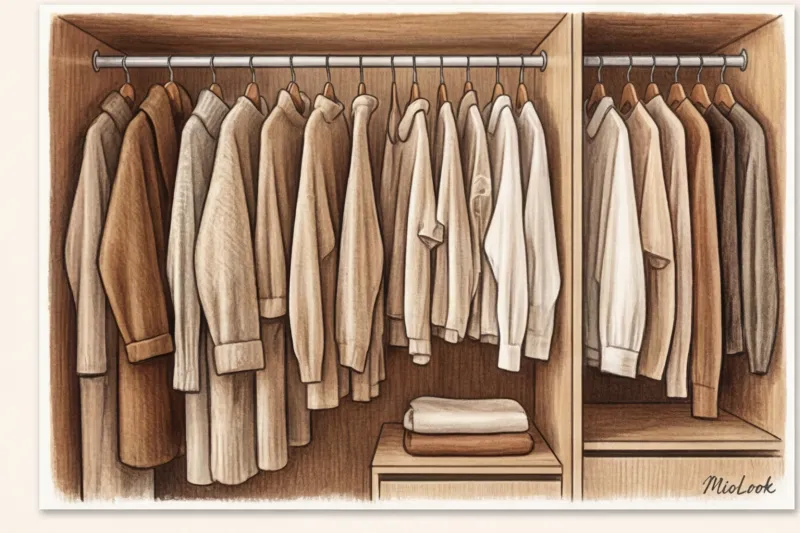
Головна трансформація, яку я спостерігаю у користувачів віртуальних шаф – це повна відмова від імпульсивного шопінгу. Замість безцільного блукання по торговому центру в пошуках «чого-небудь новенького для підняття настрою», ви переходите до складання суворого «шопінг-листу відсутніх ланок».
Що це означає на практиці? Маючи перед очима всю візуальну базу, ви відразу помічаєте «дірки» у своїх сезонних капсулах. Ви більше не купуєте красивий абстрактний джемпер. Ви цілеспрямовано шукаєте, наприклад, смарагдовий кардиган гладкої в'язки, тому що ІІ-аналітика показала: саме він зв'яже воєдино ваші сірі вовняні палаццо, базові білі топи та вінтажний тренч, розблокувавши одразу 14 нових луків. Ви купуєте не ізольовану річ, а функціональний множник гардеробу.
«Стійка мода (sustainable fashion) починається не з зелених бірок "Eco-friendly" у мас-маркеті, а з припинення нескінченного циклу повернень речей, що не підійшли, з інтернет-магазинів. Віртуальна звірка зводить вуглецевий слід від зворотної логістики до мінімуму».
Тепер давайте займемося математикою. Середня вартість спонтанної покупки в сегменті middle-market (наприклад, у COS або Massimo Dutti), яка одягається один раз і осідає на полиці, становить від $80 до $150. Завантаживши свою базу в програма MioLook , Ви отримуєте інструмент миттєвого протверезіння прямо в примірювальній.
Ви просто додаєте фото речі з магазину в додаток, і алгоритм відразу показує, з чим з вашої поточної бази вона поєднується за кольором та стилістикою. Якщо варіантів менше трьох – річ залишається на рейлі. Таким чином, MioLook окупає будь-які ваші тимчасові витрати на первісне оцифрування буквально після першої ж відмови від непотрібної спідниці акценту за €90. Ви перестаєте спонсорувати свій власний домашній склад і починаєте вкладати бюджет, що звільнився, в те, що дійсно працює на ваш імідж.
Покроковий план: як запустити свій цифровий гардероб сьогодні
Що можна встигнути за 60 хвилин? Переглянути один епізод серіалу або повністю, раз і назавжди, змінити те, як ви одягаєтеся щоранку. На своїх офлайн майстер-класах я часто проводжу цей експеримент: ми ставимо таймер рівно на годину, і до моменту, коли він дзвонить, у кожної учасниці в руках готова смарт-капсула, що працює. Чек-лист швидкого старту доводить - вам не потрібно витрачати всі вихідні на розбір завалів. Перший результат можна і потрібно отримати тут і зараз.
Крок 1: Інструмент має значення (Вибір ІІ-програми)
Забудьте про спроби сортувати фото у прихованих альбомах смартфона або вести нудні списки у нотатках. Нам потрібний повноцінний аналітичний інструмент. Завантажте правильну програму з функціями штучного інтелекту - я рекомендую використовувати MioLook.
Чому простого каталогізатора недостатньо? Базові галереї просто показують вам те, що ви вже маєте. Нейросітка ж працює як вбудований імідж-консультант: вона розпізнає фактури тканин, зчитує колірні коди з піксельною точністю та розуміє складні архітектурні правила багатошарової. Це перехід від банального зберігання до розумного управління стилем.
Крок 2: Відбір 15 базових речей цього сезону
Головна помилка новачків — спробувати дістати з далеких полиць узагалі все, включаючи сукні п'ятирічної давності. Зупиніться. Ваше завдання — відібрати рівно 15 базових та акцентних речей, які ви носите саме зараз, цього сезону.
Ось моя перевірена формула для ідеального старту:
- 4 низи: наприклад, класичні прямі джинси, штани-палаццо, атласна спідниця міді та базові джоггери.
- 6 топів: від щільної бавовняної футболки до шовкової блузи та об'ємного кашемірового светра.
- 3 жакети/шари: структурований блейзер, щільна сорочка-овершот та тренч.
- 2 пари взуття: універсальні лофери та мінімалістичні білі кеди.
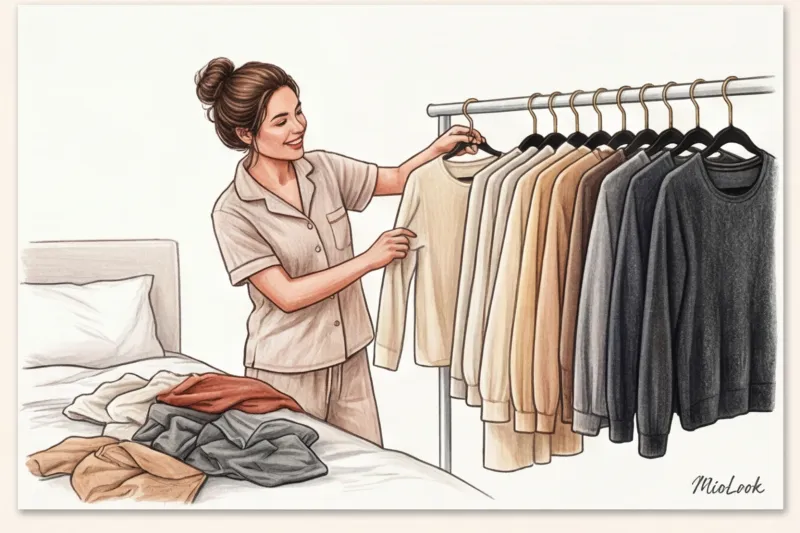
Крок 3: Фотографування за правилом «плоської розкладки»
Як візуалізатор, я постійно спостерігаю, як дівчата намагаються сфотографувати одяг на вішалках, що висять на ручці або спинці стільця. Це фатальна помилка: гравітація спотворює силует, а бічне світло створює глибокі, брудні тіні. Натомість використовуйте правило «плоскої розкладки» (flat lay).
Розкладіть річ на ліжку чи чистій підлозі. Акуратно розправте рукави та штанини, щоб алгоритму був зрозумілий крій. Знімайте рівно зверху, тримаючи смартфон паралельно поверхні. Важливий нюанс від колориста: робіть це за природного денного світла від вікна. Штучні домашні лампи дають жовтий підтон (близько 2700K), через який сканер може сплутати холодний попелясто-сірий із теплим бежевим. Як тільки ви зробите кадр, ІІ автоматично виріже фон за частки секунди, залишивши глянсове зображення.
Крок 4: Дозвольте алгоритмам зробити магію
Тепер настає той момент, заради якого ми починали оцифровку. Як тільки ваші 15 речей завантажені, переходьте у генератор образів та просто натисніть кнопку. Дозвольте алгоритмам зробити магію — буквально через кілька секунд система видасть вам генерацію перших 20 луків.
Можу гарантувати: щонайменше 5–7 з них складатимуться з поєднань, які ваш мозок просто відмовлявся бачити через звичку. Наприклад, ІІ може запропонувати одягнути ваш суворий офісний блейзер поверх худорлявості з джоггерами, додавши класичні човники, і тим самим створивши гостромодний образ в естетиці спорт-шик, про який ви навіть не замислювалися.
«Технології не вбивають творчість у моді. Навпаки, делегуючи машині рутинний перебір варіантів, ви звільняєте свій розум для сміливих стилістичних експериментів.
Цифровізація гардеробу – це не просто данина технологічним трендам. Це повернення абсолютного контролю за власним стилем, часом та бюджетом. Завершуючи цей гід, хочу дати вам одне фінальне, суто практичне завдання. Завтра вранці не відкривайте фізичні стулки шафи. Відкрийте програму, виберіть один із згенерованих образів і одягніться строго за цією схемою. Відчуття того, що ви виглядаєте бездоганно, витративши на вибір одягу рівно нуль хвилин, назавжди розділить ваше життя на стилістичне «до» та «після».
Глави гайда
Сезонна зміна гардеробу: порядок у шафі та смартфоні
Забудьте про вакуумні пакети і запорошені коробки. Дізнайтеся сучасний метод організації гардеробу, що поєднує цифрові технології та реальну шафу.
Як сфотографувати одяг для програми без помилок
Красива розкладка для соцмереж часто стає кошмаром для алгоритмів. Дізнайтеся, як знімати речі для оцифровки гардероба, щоб ІІ розпізнав все сам.
Ідеальний додаток для складання цибулі на тиждень
Витрачаєте по 20 хвилин щоранку на вибір одягу? Дізнайтеся, як цифровий гардероб позбавить вас стресу і допоможе планувати ідеальні образи заздалегідь.