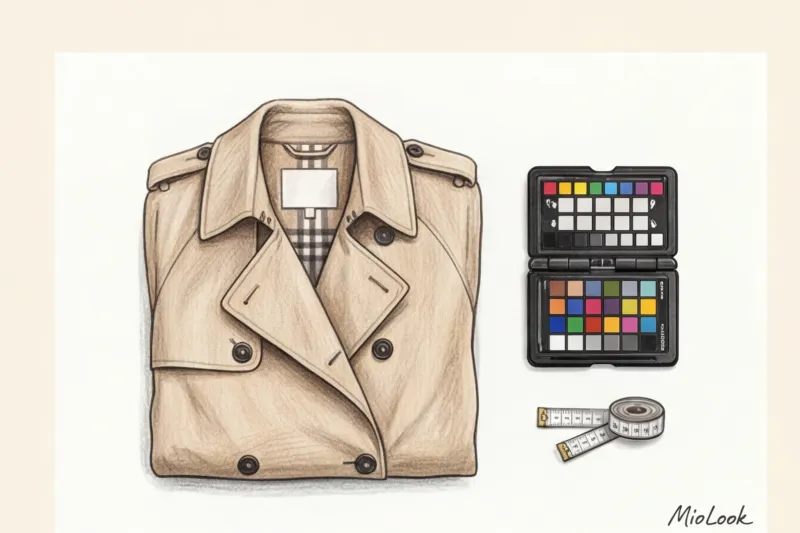
I vividly remember that rainy Parisian evening in 2019. My client and I decided to digitize her impressive collection of essentials. Cozily seated on a fluffy light beige carpet, we photographed about three hundred white shirts, cream cashmere sweaters, and silk tops. The result? I spent almost five hours manually cropping the background in a photo editor because the clever algorithms simply couldn't tell the difference between the ecru silk and the carpet pile.
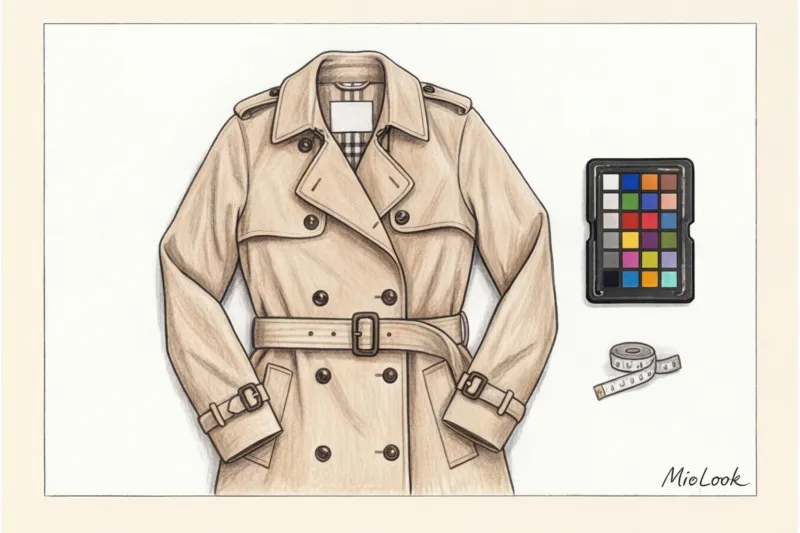
It was then that I learned the most important lesson of fashion tech: what seems beautiful to the human eye often becomes an insurmountable obstacle for artificial intelligence. Most articles online teach how to create aesthetically pleasing layouts for social media. But if your goal is to understand, How to photograph clothes for an app To ensure smart algorithms accurately calculate texture, silhouette, and color code (hex) for flawless capsule composition, you'll have to forget Instagram's rules. We've covered the smart storage concept in more detail in our complete guide. digital wardrobe and AI stylists , and today we will examine the purely practical, technical side of the issue.
Machine vision and your closet: how to take the right photos of your clothes for an app
When you upload a photo to MioLook The neural network doesn't see "that favorite jacket from COS." It analyzes a pixel array. For the virtual fitting room to function correctly, the algorithm needs to accurately recognize three parameters:
- Silhouette (Edge detection): where the thing ends and the background begins.
- Texture: how the fabric absorbs and reflects light (matte cotton or shimmery satin).
- Color code: the exact value of the hue according to the HEX or RGB color model.
A poor-quality source photo turns image selection into a game of chance. Research by MIT computer vision specialists shows that with poor contrast, AI models tend to misclassify materials by 30-40%. For example, a neural network might mistake dark blue velvet, which absorbs light, for black wool. As a result, the app will suggest combinations that look out of place in real life.
The biggest myth of digitalization: why you shouldn't take off your clothes on the bed
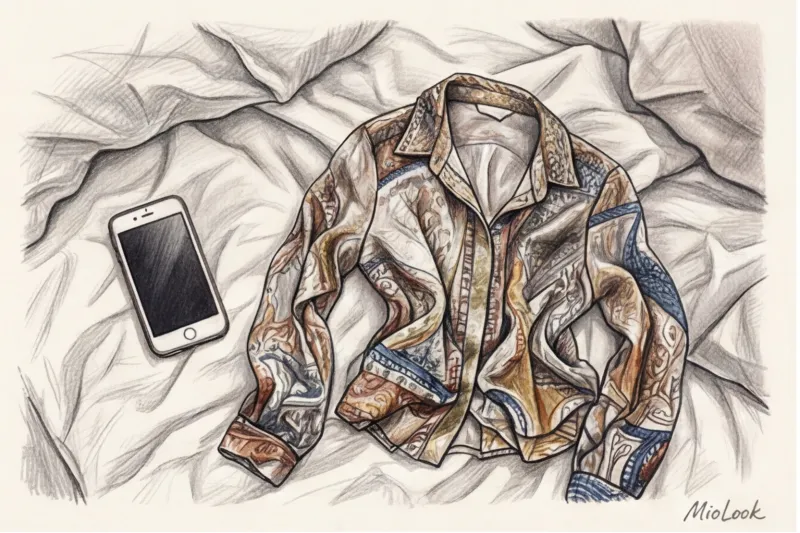
The most common mistake I see clients make is trying to arrange things neatly on a made bed or sofa. It sounds logical: it's a large, clean, and comfortable surface. But from a technological standpoint, this is the worst possible method.
The soft surface sags under the weight of the garment. The fabric collapses, creating micro-shadows and creases on the bedspread. Background removal algorithms perceive these folds in the sheet as part of your cardigan.
I once had a client digitize her business wardrobe on a soft velour sofa with me. With automatic clipping, half of the tailored jackets literally "lost" their lapels because their shadows blended with the texture of the furniture. According to internal tests by fashion app developers, background removal accuracy drops by 40% if an item's shadow is distorted by an uneven surface.
The "hard surface" rule: Always use a hard floor or a large table. Only a hard surface will ensure that the item lies flat and its outline remains clear.
Perfect Contrast: How to Trick a Neural Network for Clean Cuts
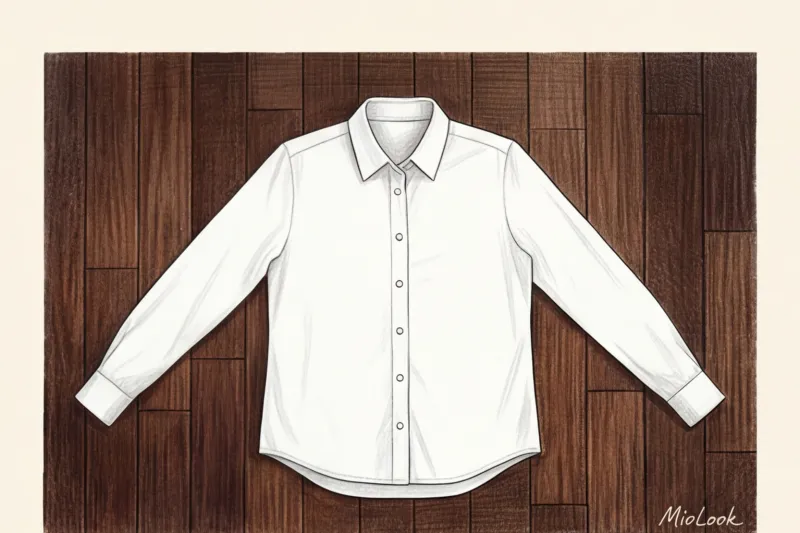
For the algorithm to work in a split second, it needs maximum color contrast. We photograph light-colored items (white T-shirts, beige trench coats) exclusively against a dark background—for example, a dark oak floor. Dark items (black pants, navy blue sweaters) require a light background.
If you have a colorful carpet or wood-effect linoleum with a vibrant pattern, buy two sheets of regular A1-size drawing paper (or craft paper for dark items). Simply lay them on the floor—it'll create the perfect portable studio for next to nothing.
Access to MioLook for €0.99 — one-time payment
A smart AI stylist will select the perfect look based on your correctly digitized items.
Get access — €0.99 onceDistortion-Free Lighting: How to Avoid Turning Emerald Green into Black
Light is the most underrated factor in creation capsule wardrobe Digital. Standard incandescent bulbs in homes have a color temperature of around 2700K (Kelvin). They cast a cozy but insidious yellow-orange glow over the room. Cool LEDs in the bathroom (around 8000K) give clothes a deathly blue tint.
According to the International Commission on Illumination (CIE), the gold standard for color is illuminant D65—daylight with a temperature of 5000–6500K. This light delivers colors accurately, as designers intended.
Why is this critical? Remember the theory of color types. If, because of the yellow light, the app "remembers" your cool emerald top as a warm grassy green, the AI stylist will suggest incorrect color combinations that won't work for your appearance in reality.
How to get perfect light at home:
Avoid direct sunlight—it creates harsh, black shadows. A technique stylists use is called "diffused window light." Shoot during the day, 1-2 meters from a large window. If the sun is shining directly into the room, draw a light white tulle curtain over it—it will act as a professional softbox, distributing the light evenly.
Flat lay vs. hanger: the architecture of different fabrics
One of the most frequently asked questions is: should I hang it or lay it flat? The answer depends on the fabric's texture and weight.
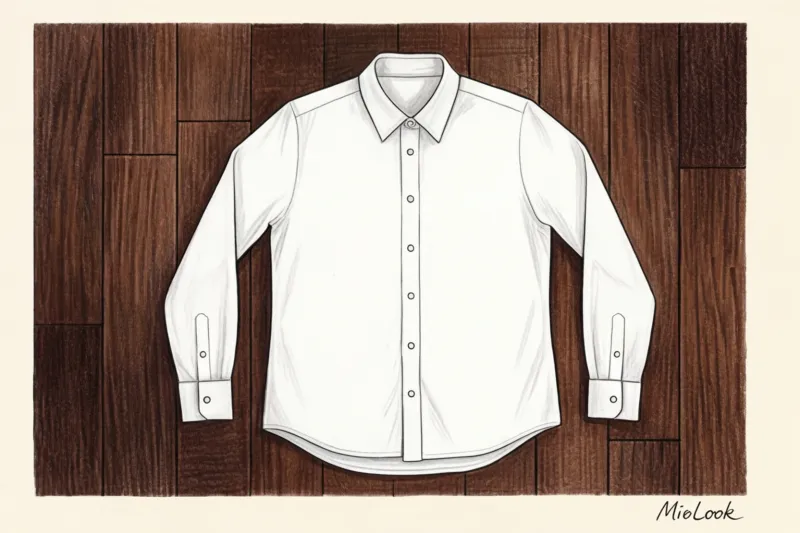
Flat lay only:
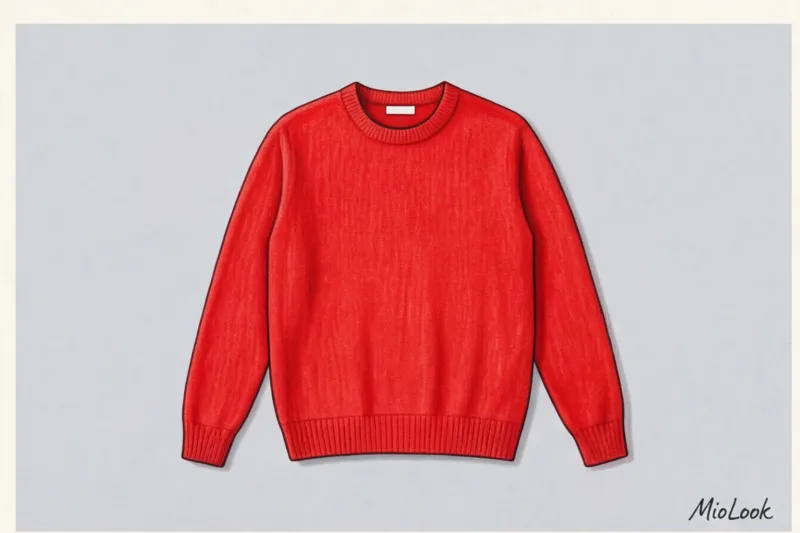
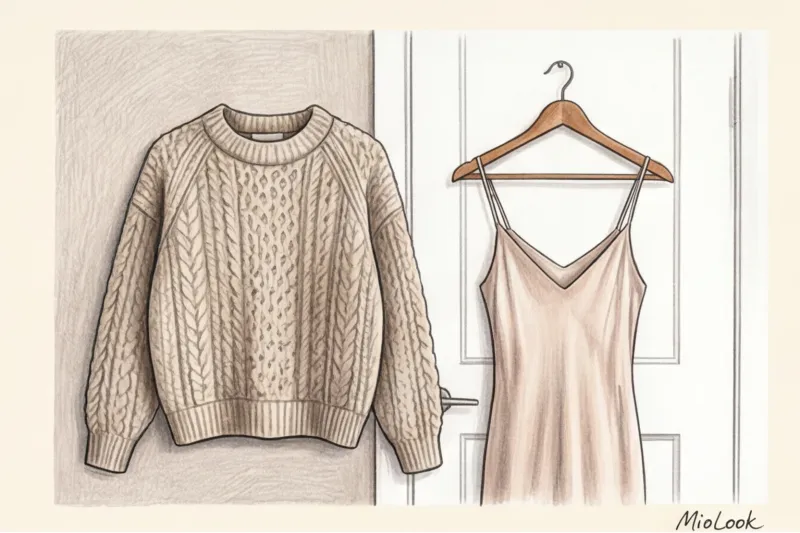
Heavy knitwear, bulky wool sweaters, long cardigans, and jeans. If you hang a heavy H&M or Massimo Dutti sweater on a hanger for a photo, it will stretch under its own weight, creating pointy "ears" at the shoulders. The algorithm will remember this distorted silhouette, and the garment will look sloppy on your virtual image board.
Only on hanger:
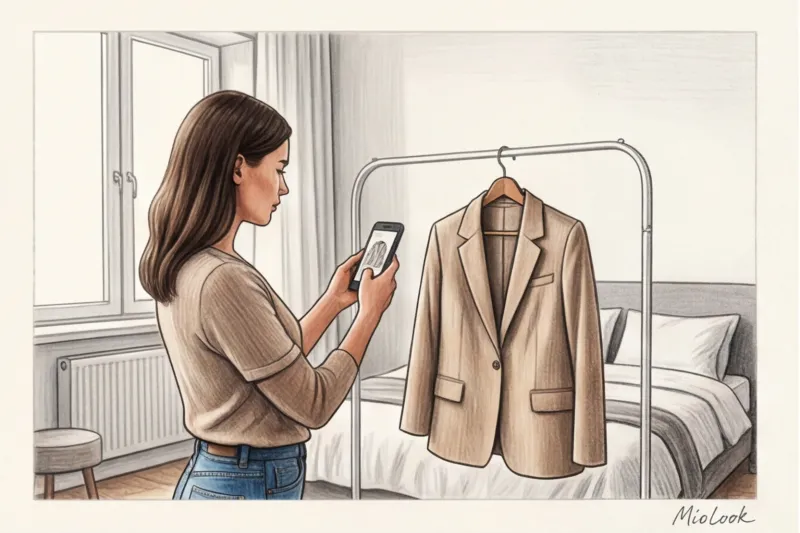
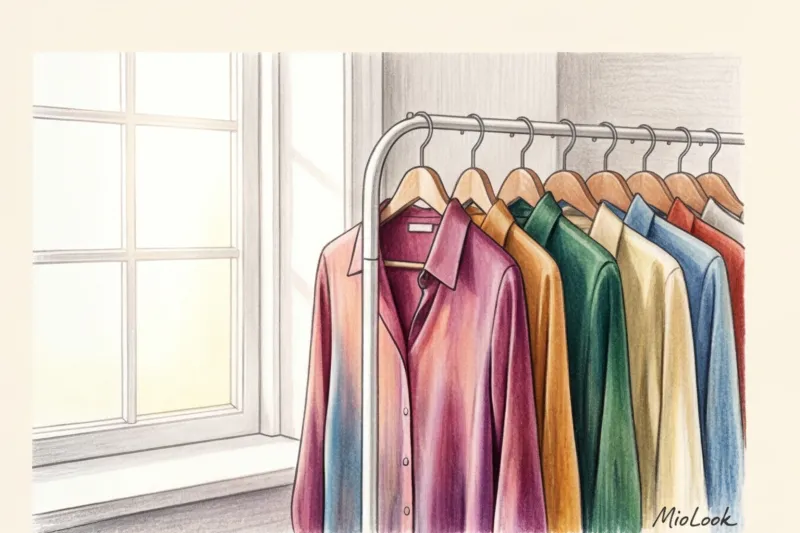
Lightweight fabrics—silk, chiffon, fine viscose—as well as items with a rigid structure (jackets, trench coats, and complexly cut blouses) should be photographed against a plain, smooth door (without panels or glass inserts) or a blank wall.
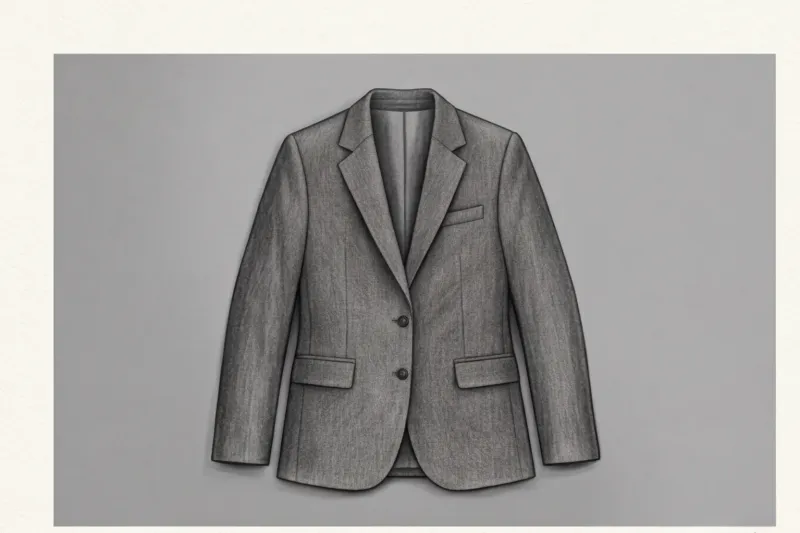
Professional secret: Before taking a photo of a jacket, be sure to fasten all the buttons (or at least the center one). This will maintain a fitted silhouette and a proper collar fit. For trousers and jeans that you're taking off on the floor, be sure to straighten the legs so they lie symmetrically—neural networks prefer predictable geometry.
Your perfect look starts here
Join thousands of users who look flawless every day with MioLook.
Get access — €0.99 onceSecrets to photographing "difficult" items: shoes, bags, and sheer fabrics
Basic t-shirts are easy to pull off, but what about accessories that create accents in status capsule wardrobe?
- Shoes: Shoot strictly in profile or at a 45-degree angle (three-quarter view). The algorithm needs to "understand" the heel height, toe shape, and last. Shooting shoes strictly from above will make them look flat and unrecognizable.
- Bags: Never photograph empty, sagging bags. Stuff them tightly with craft paper or newspaper to restore their factory-made volume and structure. Tuck a long strap inside if it visually overwhelms the frame.
- Translucent fabrics: Blouses made of organza or thin chiffon blend into the background. To ensure the AI cuts these items correctly, place a sheet of white paper inside the garment.
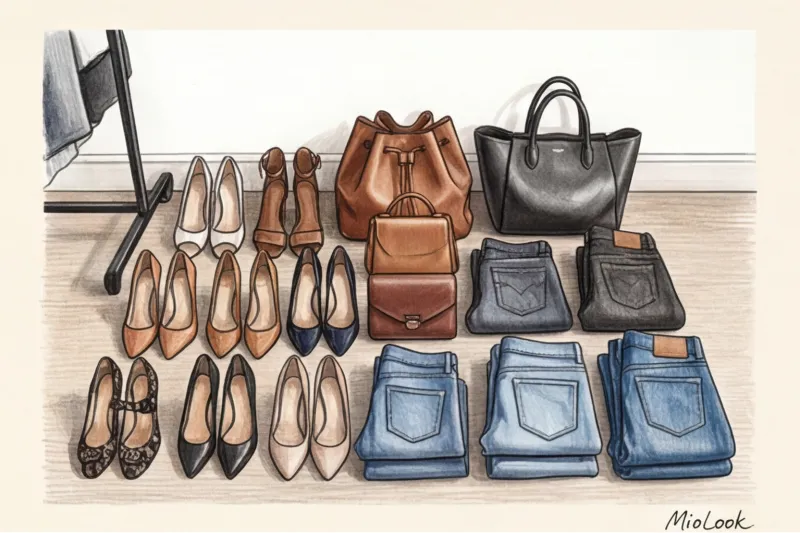
Checklist: How to Photograph Your Wardrobe Over the Weekend Without Going Crazy
Digitizing your wardrobe is often daunting because of the sheer scale of the task. The psychology of the process is more important than the technology. If you dump everything from your closet onto your bed, within an hour you'll hate both your clothes and the very idea of a smart app. Here's my "assembly line approach."
Divide the task into capsule batches. Today, you'll digitize only denim and trousers. Tomorrow, knitwear. This reduces the cognitive load. Statistics from my experience: if the items are pre-prepared, digitizing 50 items of clothing takes exactly 45 minutes (less than one minute per item).
Lifehack with tape:
Place masking tape on the floor to mark the frame (the rectangle your phone's camera sees). You'll no longer have to look at the screen to aim. Simply place the item in the tape frame, click, remove the item, and place the next one. The conveyor belt works flawlessly.
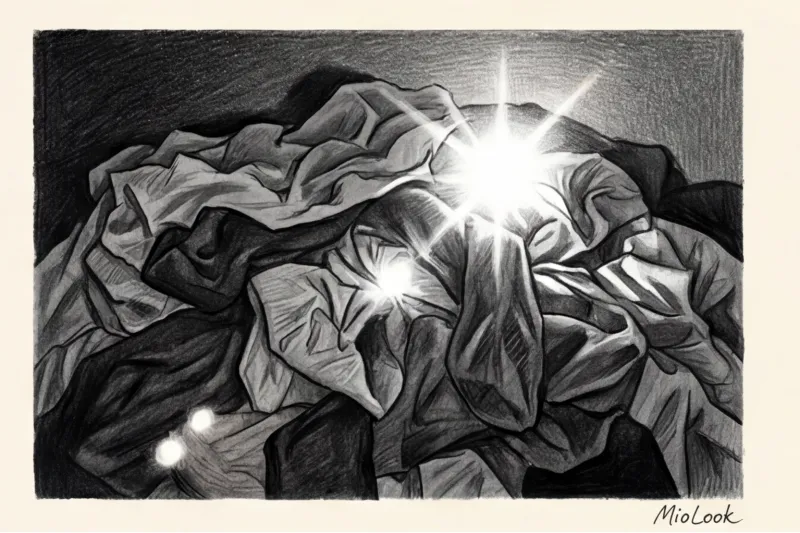
Top 5 Mistakes That Will Turn Your Virtual Closet into Chaos
Even the smartest algorithms are powerless against human error. Here are the main anti-patterns of clothing digitization that are guaranteed to ruin the results:
- Taking pictures of un-ironed clothes. Deep creases create false shadows, which the AI interprets as black spots. Yes, steaming will take time at first (and this advice doesn't work if you're trying to add an item five minutes before leaving the house), but it's an investment you only make once.
- Using flash. Smartphone flash creates harsh white reflections on synthetics, silk, and leather, completely destroying the true color information of the fabric.
- Shooting from an angle from below or above. If you stand next to a pair of pants lying on the floor and photograph them from an angle, the perspective will be distorted. The pants will appear short and baggy. Keep your phone perfectly parallel to the floor!
- Overlapping background. The frame shouldn't include your socked feet, the edge of the carpet, wires, or your beloved cat's tail. The cleaner the background, the more perfect the clipping.
- Camera filters. Any color correction, filters, or portrait mode enhancements before uploading the photo to the app are strictly prohibited. We require a raw, honest source.
Ready to get started?
Try MioLook's free plan—no strings attached, no hidden terms.
Get access — €0.99 onceFrom Pixels to Images: What Happens Next in the App
When you upload those boring, seemingly technical photos to MioLook , the real magic begins. Algorithms instantly recognize the edges of an item and remove the background with surgical precision. The system tags the item by color, season, and category.
With clean, contrasting sources without perspective distortion in hand, the built-in AI stylist begins to generate your first capsule images The sweater, photographed without the shoulders being outstretched, fits perfectly over a graphically cut white shirt. The pants are the right length, and the shoes have a clear heel.
A high-quality initial upload is 80% of the success in managing your digital wardrobe. By spending one weekend methodically and accurately capturing your base using machine vision principles, you'll gain a tool that will save you morning time for years. And adding new purchases one by one, observing the rules of contrast and lighting, will become a new, highly beneficial habit.