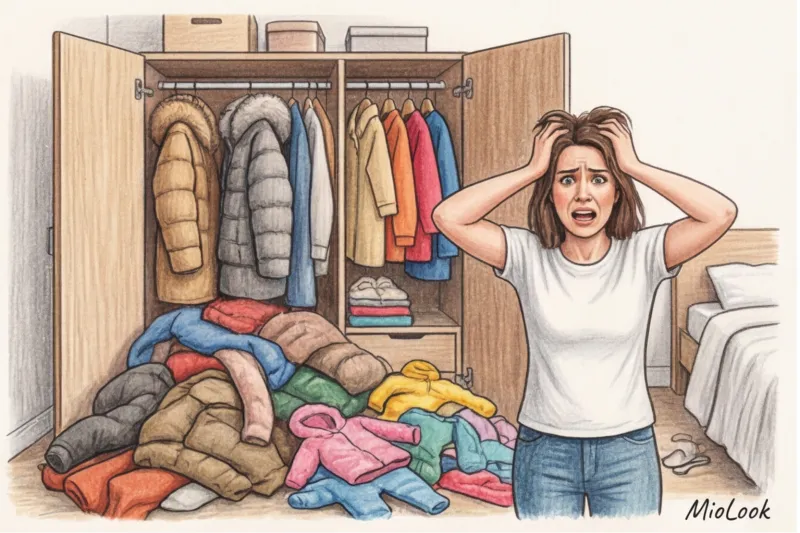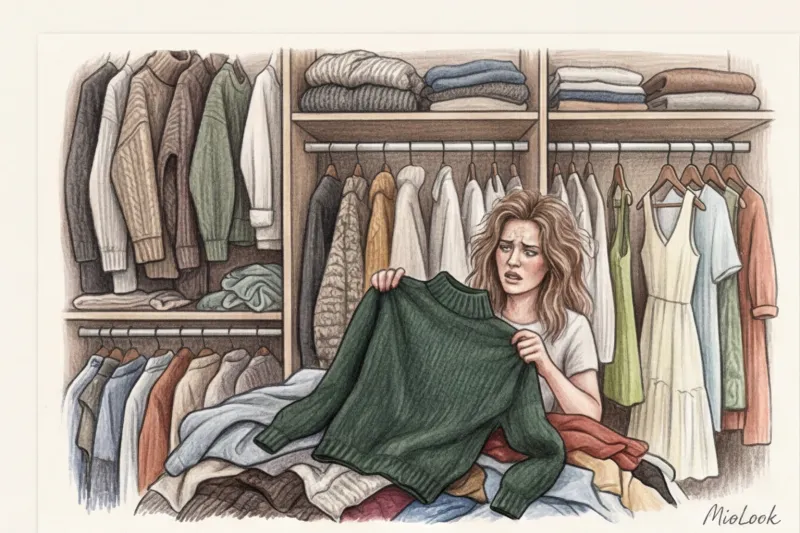
You know what sound I, as a stylist, hate most in early November? The rustling of giant plastic vacuum bags. Every six months, millions of women make the same mistake: when the cold weather sets in, they mercilessly roll up half their wardrobe, vacuum it out, and stash that plastic brick on the far side of the closet until May.
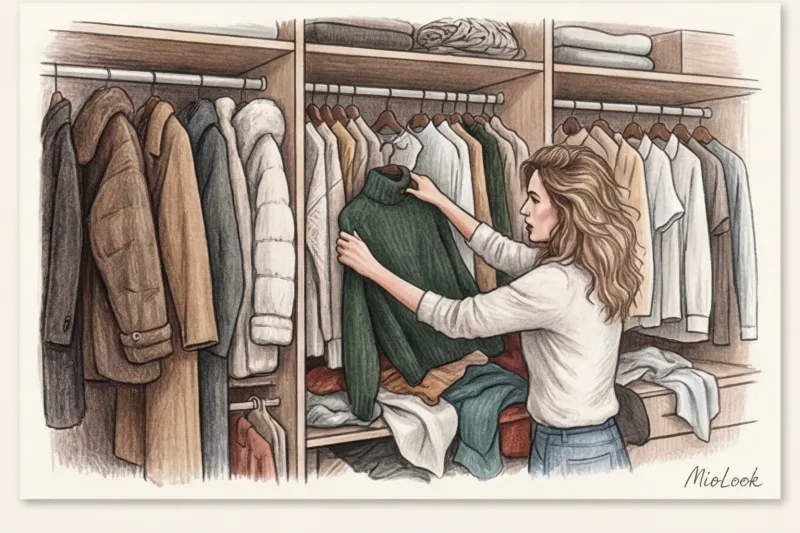
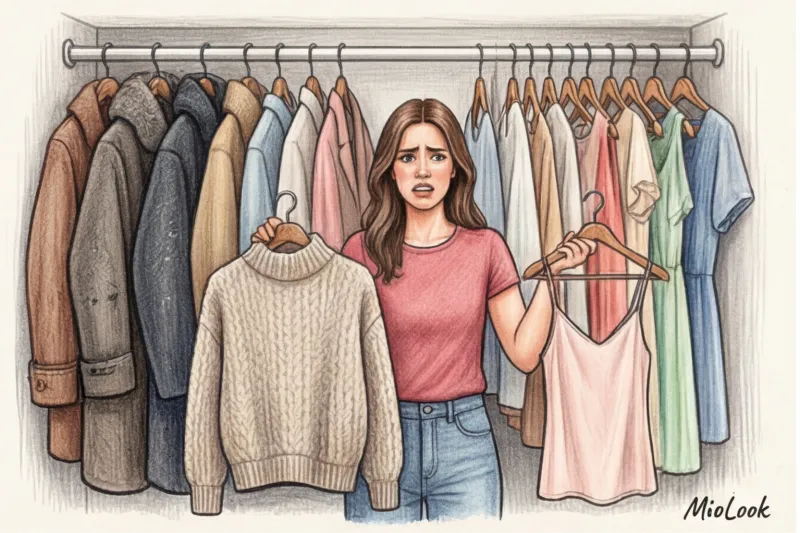
And then they open their closet and sadly utter the main phrase of the season: “I have nothing to wear, everything is so black and dull.”
As a colorist and image maker with 12 years of experience, I declare: traditional seasonal wardrobe change The idea of completely clearing shelves is hopelessly outdated. Today, we work differently. Instead of physically rearranging dusty boxes, I teach clients to start their inventory from their smartphone screen. We explain in more detail why this method is superior to traditional cleaning in our guide. Digital Wardrobe: Your Virtual AI Stylist But today we'll put this approach into practice and combine digital technologies with the proper organization of real space.
Seasonal Wardrobe Change: Why the "Boxing It All" Method No Longer Works
The traditional approach to sorting clothes is incredibly stressful and a loss of control over your own style. By limiting yourself to "winter only" or "summer only" styles, you artificially limit your style.
There's a dangerous psychological trap here. Things put away out of sight for six months are literally erased from our memory. One of my long-time clients, a top manager at an IT company, once bought a luxurious black merino turtleneck from Massimo Dutti. Imagine her surprise when, in the spring, she opened the vacuum-sealed bag and found two identical turtlenecks inside. Her brain simply forgot about them because they hadn't caught her eye.
According to statistics from the McKinsey Global Consumer Habits Report (2024), about 15% of our wardrobe consists of unintentional duplicates—items bought to replace those we simply lost in the depths of our own closets.
Moreover, approximately 30% of delicate fabrics deteriorate due to improper storage between seasons. Lack of ventilation in plastic cases destroys elastane, and perfume or antiperspirant residue turns into permanent yellow stains on silk within six months.
The 60/40 Rule: What Summer Items Should Never Be Stored Away for Winter?
Let's be honest: your wardrobe shouldn't be strictly divided into seasons. According to modern styling guidelines, about 60% of your items should be transseasonal essentials that work year-round.
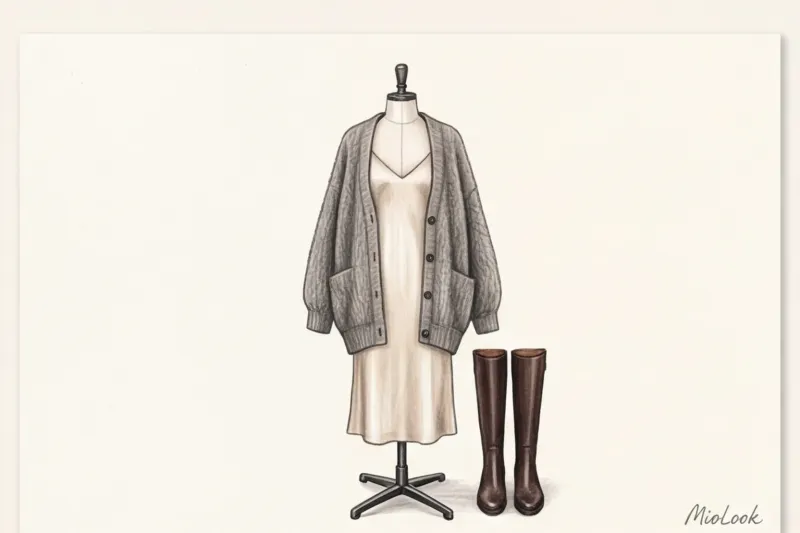
Never remove the following items:
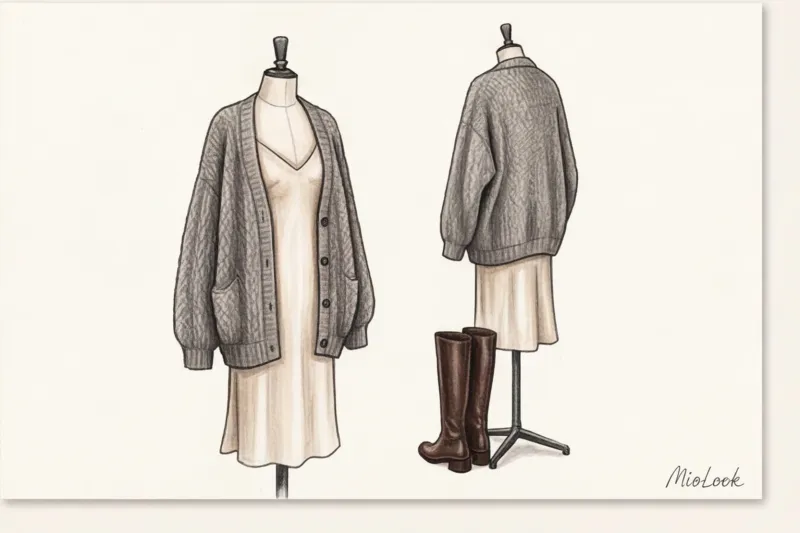
- Silk slip dresses and skirts. In winter, they create the perfect contrast of textures. Fine, flowing silk paired with a chunky, oversized, chunky knit sweater is a classic layering piece.
- Basic cotton t-shirts and shirts. Look for heavyweight cotton (180 g/m² and above). In winter, they serve as a hygienic base layer under itchy wool sweaters and create a stylish white vertical stripe if you let the edge of the shirt slip out from under the sweater.
- Things in summer pastel shades. As a colorist, I constantly see one mistake: a wardrobe becomes a black hole in winter. Forget the baby blue or dusty pink blouse! According to the laws of color, light accents visually lighten a heavy winter palette (graphite, camel, burgundy), creating a fresh look.
Of course, this rule has a fair limitation: This doesn't work with overtly beachy pieces. Linen shorts, translucent tunics, and sundresses with tropical prints should definitely be avoided.
Access to MioLook for €0.99 — one-time payment
A smart AI stylist will help you integrate your summer pieces into stylish winter looks.
Get access — €0.99 onceHybrid Method: Starting with a Virtual Closet
A proper seasonal wardrobe change should start in the app, not by pulling boxes out from under the bed.
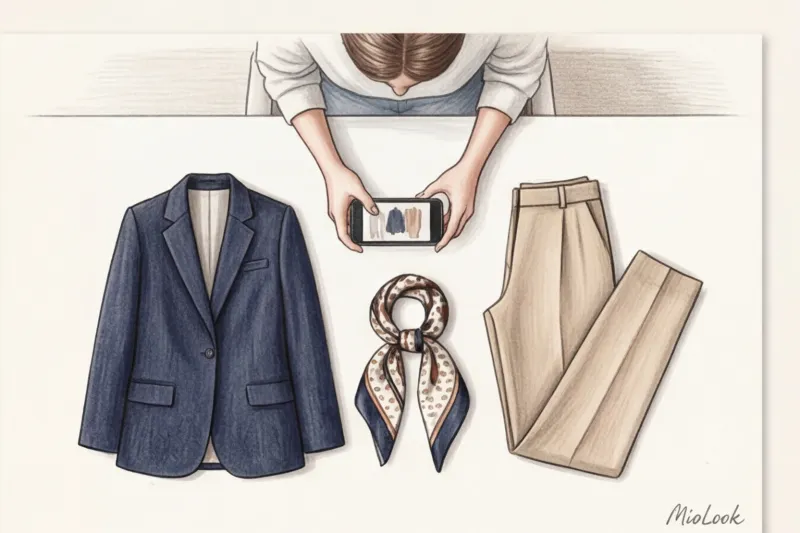
Before you put anything away, open your digital database and conduct an audit of the outgoing season. Analyze the statistics. Smart wardrobe algorithms show your Cost Per Wear (CPPW).
Ask yourself three questions based on the app data:
1. What items did I wear most often (top 5)?
2. What haven’t I worn even once all summer?
3. Which microtrends did I buy on impulse, and they didn't fit into the database?
Items in the second and third categories are prime candidates for resale or donation. Don't store anything that doesn't suit you. If you want to delve deeper into building the perfect inventory, I recommend checking out our A guide to creating a capsule wardrobe.
Digital Try-On: Testing Out Old and New
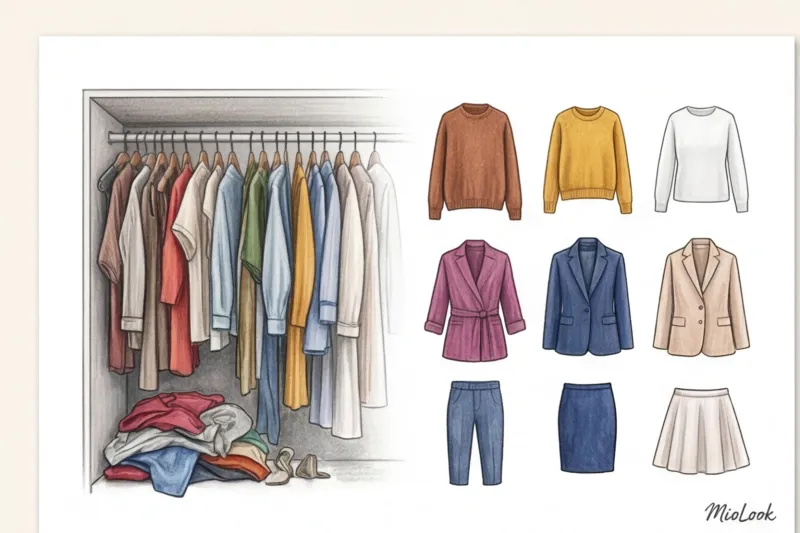
Before you take your winter sweaters to the dry cleaner, create collages in the app. Combine your all-season essentials (those shirts and silk skirts) with digital versions of your winter pieces. In just 15 minutes, just use the app. MioLook You will come up with more combinations than in three hours of grueling fittings in front of a mirror, standing in a mountain of clothes.
Step-by-step instructions: tidying up a real closet
Now that we have a clear numerical plan and we know what we are leaving on the bar, we move on to the physical work.
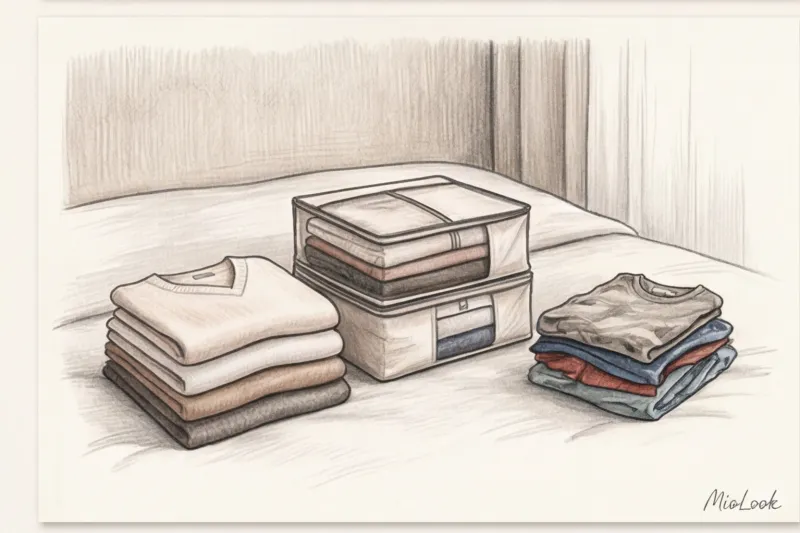
We act according to a strict algorithm:
- Ruthless sorting (one year rule). If you haven't worn an item for 12 months, its time has passed. Assess the wear: pilling on the acrylic, stretched elbows, deformed collar. Get rid of it without regret.
- Washing and dry cleaning (mandatory step). Never, under any circumstances, store unwashed items. Even if you only wore a blouse for two hours. Microscopic particles of skin and sweat are a literal smorgasbord for moths.
- Proper preservation. Forget vacuum bags for down and cashmere jackets! The jacket filling breaks down and loses its insulating properties, and natural wool suffocates. Use only breathable cotton covers or spunbond bags.
Visual merchandising of your closet
To make your winter wardrobe work for you, apply the visual merchandising rules used by high-end boutiques.
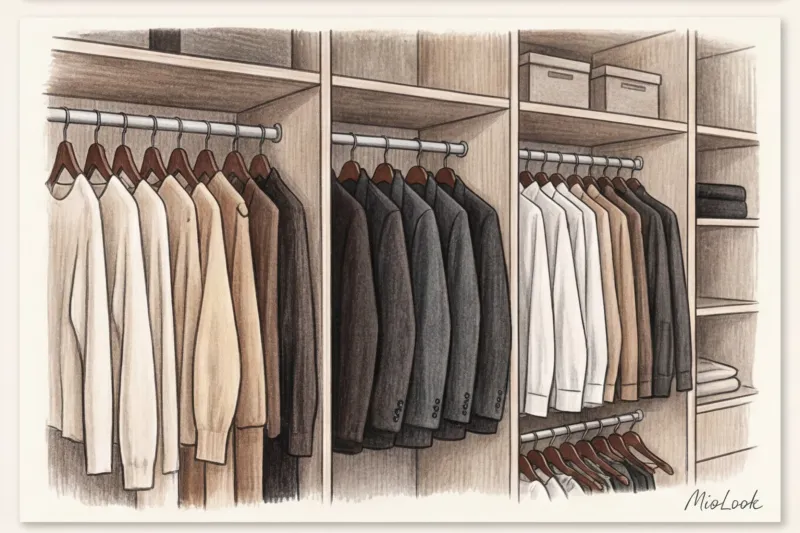
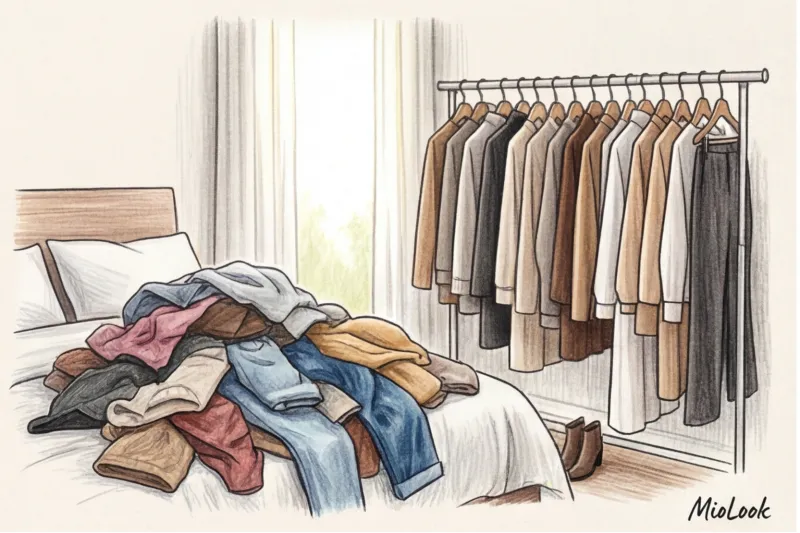
Winter wardrobes tend to develop a "blind spot"—when five dark blue and black jackets blend into a single, dark mass, making it impossible to see the difference between them. Break up this block! Layer a light shirt or a bright cardigan between the dark pieces.
Use uniform hangers. Replace mismatched plastic and wire hangers with thin velour hangers. They save up to 30% of rod space and prevent knitwear from slipping.
Your perfect look starts here
Join thousands of users who look flawless every day with the MioLook virtual stylist.
Get access — €0.99 onceDigitizing the new season: uploading your fall/winter wardrobe to an AI stylist
Once your winter gear is unpacked, clean, and ready to wear, it's time to update your digital base.
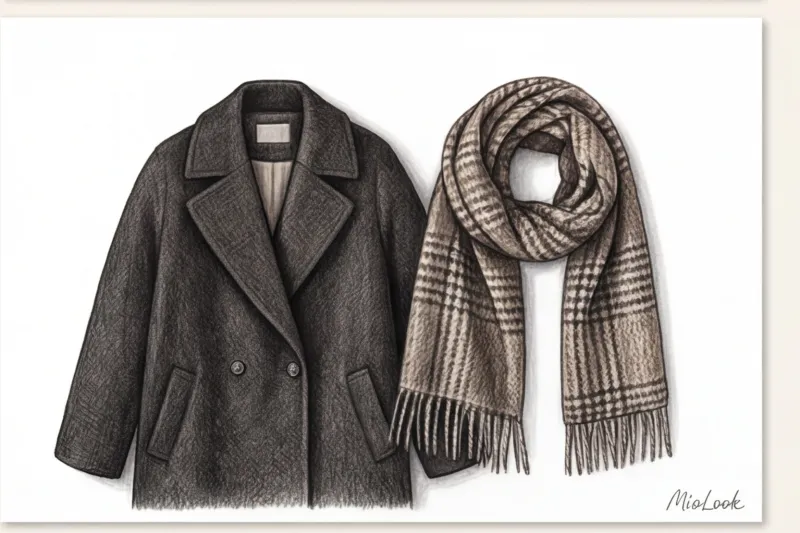
Digitizing bulky winter garments has its own technical nuances. In my experience, eight out of ten clients complain that their black coats turn into shapeless blob in the photo.
Life hack from a stylist: Photograph dark outerwear exclusively in daylight, placing it on a light sheet (or a contrasting floor). Be sure to unfold the sleeves so the AI can accurately read the garment's silhouette. When tagging an item in the app, specify not only the color but also the weight (for example, "fine wool" or "chunky knit")—this will help the algorithm avoid suggesting you wear a thick sweater under a slim, fitted jacket.
Once your items are loaded, instruct the AI stylist to put together 10 ready-to-wear looks for you for the coming week. This is the perfect start for creation of a business capsule for the office.
Top 5 Mistakes to Avoid When Changing Seasons: A Checklist from an Image Consultant
To consolidate your results, check yourself with this short checklist. Avoid these fatal mistakes:
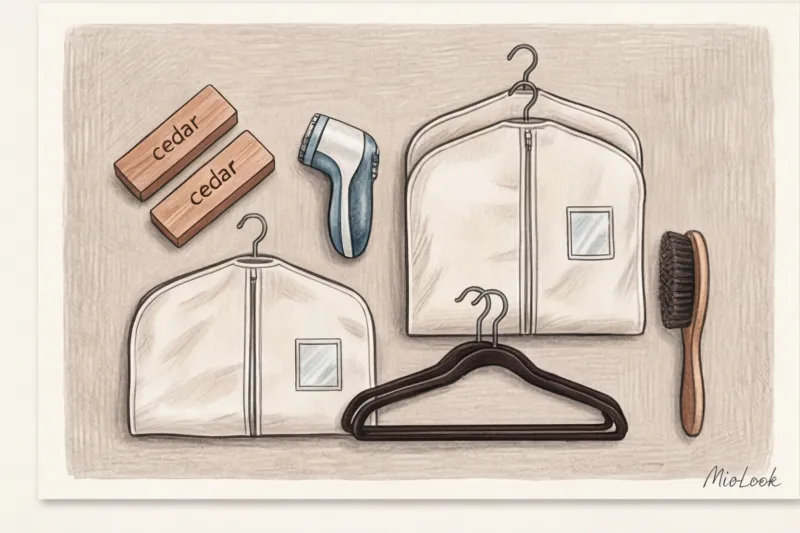
- Mistake 1: Storing sweaters on hangers. Heavy knits stretch out at the shoulders under their own weight, creating unsightly "ears." Sweaters just need to be folded.
- Mistake 2: Dry Clean Wire Hangers. They can distort the shoulder girdle of heavy wool coats within a couple of weeks. Immediately hang your outerwear on wide wooden hangers.
- Mistake 3: Storing shoes without shoe trees. Leather boots thrown into a box in a crumpled state will develop deep creases. If you don't have wooden lasts, at least use crumpled paper (but not newspaper—the printing ink can stain the light-colored lining).
- Mistake 4: Forgetting about accessories. Summer straw bags and bright plastic look out of place against drape and cashmere. Change your accessories in sync with your outfit.
- Mistake 5: Chemical moth repellent with lavender scent. This smell clings to fabrics. Replace the toxic slats with natural cedar blocks (just lightly sand them once a season to refresh the scent).
Conclusion: Your wardrobe is a single ecosystem
A seasonal wardrobe change is far more than just a mechanical shuffling of items from point A to point B. It's a comprehensive audit of your personal style, your habits, and your needs for the next six months.
My formula for perfect organization is simple: the combination of a virtual closet and physical merchandising gives you 100% control over your wardrobe. You stop buying duplicates, start wearing 100% of your own clothes, and always know what to wear tomorrow morning.
Ready for a transformation? Download the MioLook app, digitize your first 20 essential items while unpacking your winter boxes, and let artificial intelligence create fresh fall looks for you. Your perfect style starts with organization.