Еволюція б'юті-технологій: чому віртуальна примірка макіяжу стала інструментом номер один
За 12 років роботи персональним стилістом я провела ревізію сотень косметичок своїх клієнток. Знаєте, що я знаходила там щоразу? Справжній «цвинтар» невідповідних відтінків. За статистикою дослідницької компанії Mintel (2023), середньостатистична жінка витрачає даремно близько 350 € на рік на косметику, яка їй категорично не підходить - від рожевих тональних кремів до помад, які візуально роблять зуби жовтими.
Саме тому сьогодні віртуальна примірка макіяжу перестала бути просто кумедною іграшкою і перетворилася на базовий інструмент усвідомленого споживання та економії.
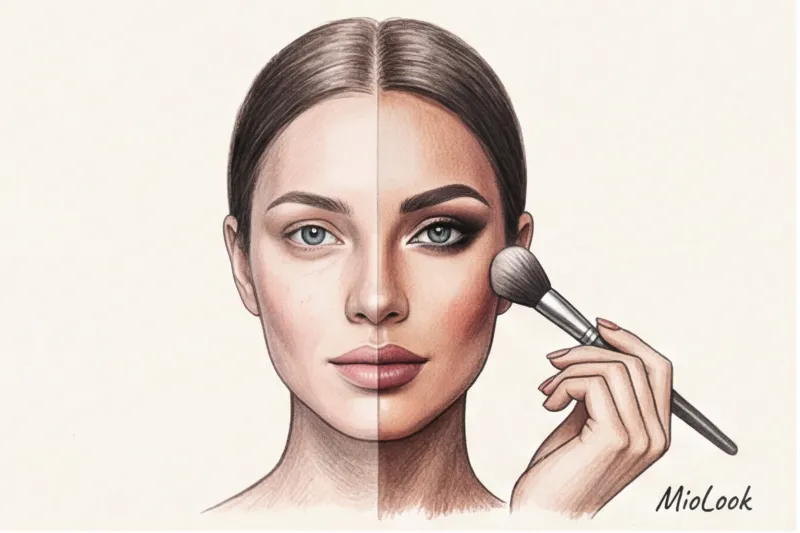
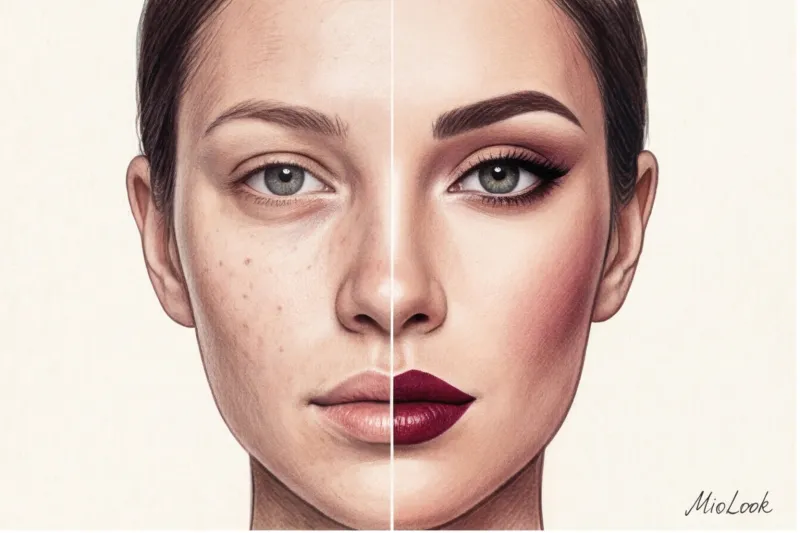
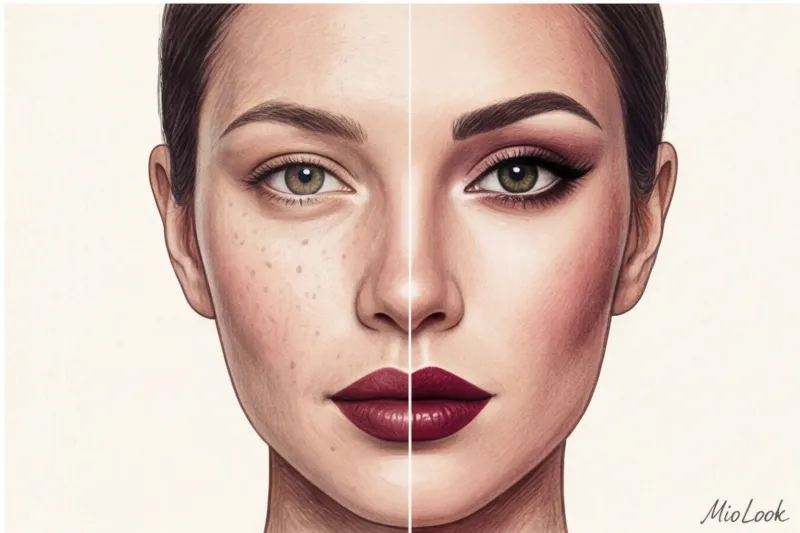
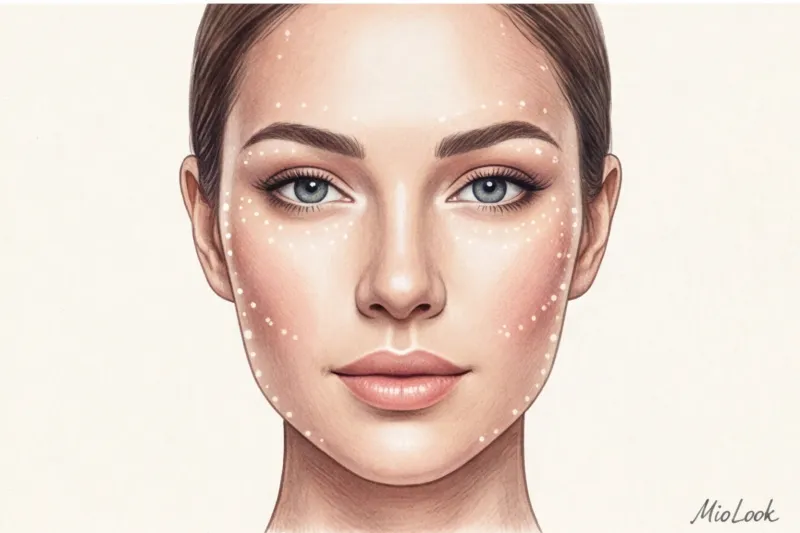
Давайте відразу розставимо крапки над «i»: забудьте про старі Instagram-маски 2017 року. Ті примітивні фільтри просто «замилювали» шкіру до стану пластику, прали рельєф носа і наклеювали неприродні вії кудись на лоба при найменшому повороті голови. Сучасний ІІ з урахуванням доповненої дійсності (AR) працює принципово інакше. Просунуті алгоритми з мікропіксельною точністю зчитують анатомію обличчя, зберігаючи ваші природні пори, мімічні зморшки та родимки. Нейросети навчилися розуміти різницю між матовим фінішом тональної основи, вологим блиском хайлайтера та сатиновою текстурою тіней.
Моїм клієнткам — керівникам, IT-фахівцям, зайнятим підприємницям — більше не потрібно проводити годинник біля стендів у косметичних магазинах. Погодьтеся, наносити на зап'ястя 15 свотчів, намагаючись відтерти їх вологими серветками, а потім виходити на вулицю, щоб перевірити відтінок при денному світлі - це недозволена витрата ресурсу. Спеціалізовані програми на зразок MioLook дозволяють протестувати десятки сміливих колірних рішень буквально за ранковою кавою. (До речі, цей же підхід ідеально працює і для урочистих випадків - докладніше про мінімізацію ризиків перед важливою подією ми писали у статті про те, як нареченій підібрати весільну зачіску та макіяж онлайн ).
«Технології подарували нам право на б'юті-експерименти без фінансових втрат і стертою до почервоніння шкіри. ІІ перевернув правила гри в індустрії краси».
На наших очах ІІ повністю змінює парадигму споживання. Ми уникаємо застарілої та збиткової моделі «купила в магазині під жовтими лампами - спробувала вдома - засмутилася - поклала в далеку скриньку». На зміну їй прийшов прагматичний підхід: «приміряла через камеру смартфона – переконалася, що продукт освіжає обличчя – купила». Використання якісних AR-інструментів у повсякденну рутину знижує відсоток невдалих покупок практично до нуля, назавжди позбавляючи нас від складування красивих, але абсолютно неносибельних баночок.
Як працює ІІ у б'юті-індустрії: анатомія ідеального метча
За даними аналітичного звіту розробників AR-технологій Perfect Corp (2024), конверсія косметичних брендів зростає майже вдвічі, коли клієнти використовують функцію віртуальної примірки. Виникає закономірне питання: чому ми, як споживачі, почали довіряти екрану смартфона більше, ніж фізичному дзеркалу в магазині? Відповідь криється в тихій технологічній революції — переході від примітивних 2D-фільтрів у соціальних мережах до найскладнішої математики та фізичного моделювання.
Коли мова заходить про сучасні AR-движки - такі флагмани індустрії, як ModiFace (нині частина L'Oréal) або технологія AgileFace, - ми говоримо про мілісекундні обчислення, що роблять віртуальний макіяж органічною частиною вашої особи. В основі цієї симуляції лежать три технологічні стовпи.
По-перше, динамічний трекінг обличчя. Сучасна нейромережа не просто накладає зверху плоску кольорову картинку. Вона вибудовує невидиму 3D-сітку (mesh), зчитуючи понад 100 мікроточок у режимі реального часу: глибину посадки очей, точний вигин надбрівних дуг, анатомічну висоту вилиць. Під час одного з тестів з клієнткою, яка має природно асиметричний контур верхньої губи, я спостерігала, як система ювелірно розпізнала так звану дугу Купідона. Програма наклала віртуальний олівець там, де пройшовся б пензлем професійний візажист, і пігмент ні на міліметр не зрушив, коли вона почала посміхатися і розмовляти.
По-друге, адаптація під освітлення. Це саме те, чому люксова помада за 45€ на екрані вашого девайсу буде блікувати абсолютно так само, як у реальності. Двигун аналізує колірну температуру та інтенсивність навколишнього світла через об'єктив камери. Підійдіть до вікна в похмурий день - і віртуальний блиск для губ спіймає холодний, розсіяний денний відблиск. Увімкніть кільцеву лампу - і шиммер в тінях для повік миттєво відреагує на спрямований промінь. Алгоритм буквально розраховує індекс спотворення світла для різних косметичних фінішів: матового, сатинового або вологого глянцю.
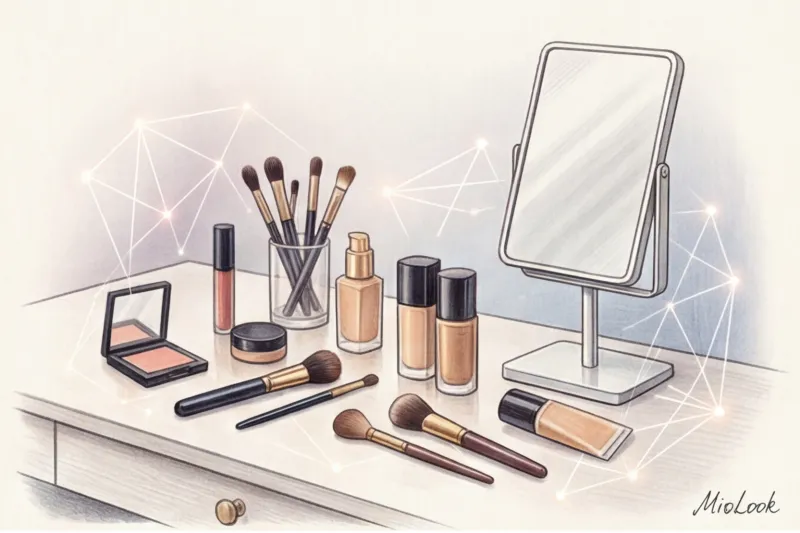
По-третє, облік підтону шкіри та її фізичної текстури. Головний страх моїх клієнток перед онлайн-приміркою - отримати ефект "пластикового, замиленого обличчя". Однак професійні нейромережі не займаються агресивною ретушшю. Вони симулюють густину конкретного продукту. Якщо ви віртуально тестуєте тональний флюїд із легким покриттям, алгоритм програмно розрахує його прозорість. Ви, як і раніше, бачитимете свої пори, природні ластовиння та зони з куперозом (почервоніннями), якщо цей флюїд насправді їх не перекриває. Лише щільні консилери алгоритм «покладе» те щоб математично нейтралізувати колірний пігмент запалення.
Колористика нового покоління: ІІ та 12 кольоротипів зовнішності
Концепція 12 кольоротипів (від «Світлої Весни» до «Глибокої Осені») існує у стайлінгу десятиліттями, але саме штучний інтелект перетворив її із суб'єктивної думки на сувору, доведену науку.
Проблема традиційної діагностики криється у людському факторі. Консультант біля стенду під яскравими галогеновими софітами легко може прийняти ваш холодний оливковий підтон за теплий жовтуватий. Як підсумок: куплений за 60€ тональний крем при природному світлі виглядає на вас сторонньою маскою.
Алгоритми назавжди виключають цю помилку людського ока. Нейросітка витягує точні HEX-коди (колірні значення) з пікселів вашої чистої шкіри, коріння волосся та райдужки очей на фотографії без макіяжу.
«ІІ не оперує категоріями "красиво" чи "некрасиво". Він аналізує спектральні дані, рівень світлопоглинання та колірні координати, обчислюючи контрастність вашої зовнішності з математичною непохитністю».
Обчисливши вашу температуру та рівень природного розмаїття, система автоматично генерує персональну палітру. Програма без жалю відсіче курно-рожеві рум'яна, якщо у вас теплий колорит, і запропонує персикові аналоги. Це заощаджує сотні євро на косметиці, яка вам не підходить.
Найпрагматичніше, що можна зробити із цими даними — інтегрувати їх у свій загальний стиль. Коли ви завантажуєте знайдені ідеальні відтінки макіяжу в функцію «розумний гардероб» MioLook Ви вибудовуєте систему, де ваша помада, базовий топ і навіть метал прикрас працюють у бездоганному кольоровому резонансі.
Доступ до MioLook за €0,99 — разовий платіж
Розумний AI-стиліст підбере ідеальний образ: від капсульного гардеробу до потрібної палітри макіяжу.
Відкрити доступ — €0,99 разовоНавіщо експерту та керівнику віртуальний макіяж? Прагматичний підхід
Забудьте стереотип про те, що AR-фільтри – це виключно розвага для покоління Z у соціальних мережах. Якщо ми подивимося на б'юті-рутину через призму бізнес-продуктивності, віртуальна примірка макіяжу виявиться найпотужнішим інструментом для зайнятих професіоналів. Для керівника, юриста чи публічного експерта зовнішність – це невід'ємна частина особистого бренду, а час – найдефіцитніший актив.
Давайте говорити мовою цифр. Скільки хвилин йде на те, щоб рівно завдати щільної матової помади перед дзеркалом, критично оцінити результат, зрозуміти, що відтінок візуально жовтить зуби, стерти її міцелярною водою (неминуче розтягуючи і дратуючи шкіру) і спробувати нанести наново? У середньому близько години втраченого ранкового часу. Алгоритми пропонують радикальну оптимізацію: ви можете протестувати 10 різних б'юті-образів за 2 хвилини. З погляду тайм-менеджменту це чисте повернення інвестицій.
Крім економії часу, технологія забезпечує нульовий ризик. Чи знайома вам ситуація, коли хочеться приміряти сміливе рішення — наприклад, графічні активні стрілки чи класичну червону помаду, — але ви відмовляєтеся ідеї просто тому, що боїтеся зіпсувати вже готовий тон обличчя? У цифровому просторі ви можете тестувати зухвалі акценти без необхідності вмиватися і починати макіяж з нуля, якщо експеримент виявився невдалим.
«Макіяж для ділової жінки не має бути зоною стресу. Технології дозволяють нам «прожити» в новому образі кілька хвилин на екрані смартфона, щоб мозок адаптувався до незвичної яскравості до того, як кисть торкнеться обличчя».
У моїй практиці був дуже показовий кейс. До мене звернулася клієнтка – фінансовий директор великої IT-компанії. Вона панічно боялася яскравих губ в офісі, вважаючи їх недоречними, і роками купувала той самий напівпрозорий нюдовий блиск (до речі, в люксовому сегменті він обходився їй близько 45 € за тюбик, але не давав потрібного статусного ефекту). Ми не почали йти до корнерів косметичних брендів. Натомість ми завантажили її фото у строгому темно-синьому жакеті у додаток та почали віртуально «приміряти» насичені текстури.
Виключивши з десяток невідповідних варіантів за пару хвилин, ми знайшли цей ідеальний «дорогий» винний відтінок з холодним підтоном. Він ювелірно нейтралізував землістий колір обличчя, викликаний хронічним недосипанням, і бездоганно підійшов до її ділового гардеробу. Побачивши себе на екрані без ризику виглядати безглуздо насправді, вона закохалася в цей образ. Тепер цей винний колір – її візитна картка на порадах директорів.
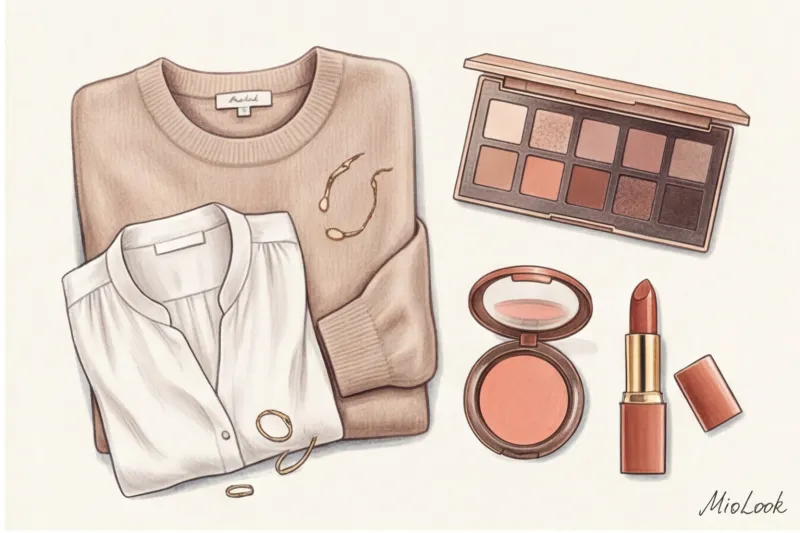
Тут ми підходимо до найважливішого правила сучасного стайлінгу: макіяж немає у вакуумі. Це такий самий аксесуар, як структурована сумка або лофери, і він потребує суворої синхронізації з вашим діловим капсульним гардеробом. Складання повного іміджу - це архітектура, де обличчя та одяг працюють в єдиній зв'язці. Холодний сірий костюм із мериносової вовни неминуче конфліктує з теплим персиковим рум'янцем, а строга монохромна капсула часто вимагає контрастного акценту на обличчі, щоб ви не «загубилися» у кадрі або на сцені.
Щоб досягти бездоганної гармонії, я рекомендую збирати Total Look заздалегідь. Ви можете сформувати комплект одягу на завтра у додатку MioLook а потім, відштовхуючись від температури та контрастності обраного аутфіту, віртуально протестувати варіанти макіяжу. Такий прагматичний підхід перетворює щоденні ранкові збори з хаотичного перебирання косметички на чіткий, передбачуваний процес, що гарантує бездоганний результат.
Топ-сценарії: коли без AR-примірки не обійтися
А ви коли-небудь дивилися на фотографії з важливого заходу та з жахом думали: «Куди зникло моє обличчя?»
Як стиліст, який регулярно готує спікерів до виступів, я поділюся з вами професійним інсайтом. Цифрові матриці камер і студійні софіти мають безжальну властивість спотворювати кольори. Світлове обладнання з температурою близько 4000-5500 Кельвінів (стандартне біле світло) буквально «з'їдає» до 40% насиченості вашого макіяжу. Те, що в дзеркалі домашньої ванни виглядає як свіжий рум'янець, об'єктив перетворить на хворобливу блідість, а делікатний нюд на губах повністю зіллється з тоном шкіри. Саме тому віртуальне тестування образу перед камерою смартфона, алгоритми якої імітують цифрове спотворення — це не розвага, а ваша страховка від іміджевого провалу.
Давайте розберемо три критичні ситуації, коли покладатися тільки на дзеркало — значить ризикувати.
Сценарій 1: Макіяж для публічного виступу
Коли ви виходите на сцену або стоїте перед великою аудиторією, ключову роль відіграє контрастність. Щоб глядачі на двадцятому ряду зчитували вашу міміку, риси обличчя повинні бути акцентовані набагато сильніше, ніж звичайно. Але як знайти грань, де виразність переходить у безглуздий театральний грим?
AR-примірка вирішує це завдання математично точно. Одна з моїх клієнток, топ-менеджер фінтех-компанії, готувалася до першого виступу формату TEDx. Ми прогнали її звичний повсякденний макіяж через симулятор яскравого освітлення у додатку. На екрані її обличчя моментально втратило рельєф. Це змусило нас переглянути план і підібрати віртуально глибші відтінки. Ви можете накласти у додатку щільну червону помаду (якісний професійний пігмент обійдеться вам приблизно в 30–45 €, так що краще вибрати правильний підтон до покупки) та подивитися, як вона балансує з графічними стрілками. Штучний інтелект дозволяє викрутити експозицію і переконатися, що світло прожекторів не перетворить вас на безлику пляму.
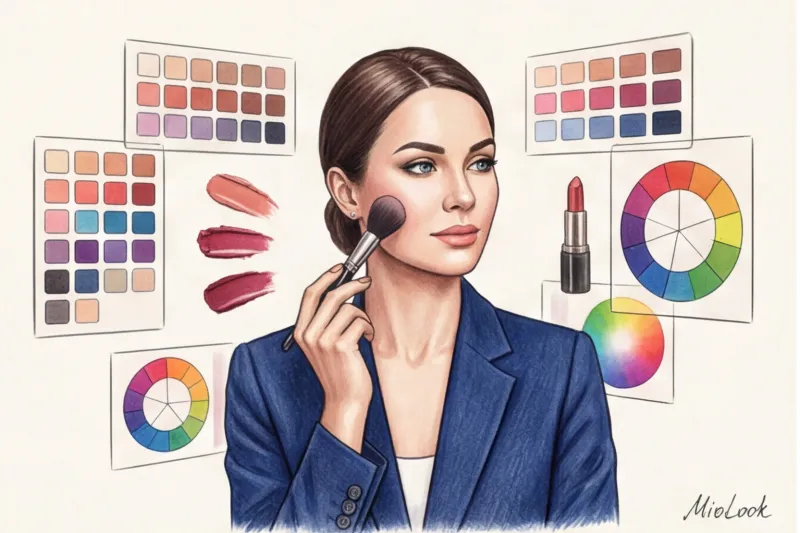
Сценарій 2: Підготовка до ділової фотосесії
Глобальний тренд на "glass skin" (вологу, сяючу шкіру) чудовий для бранча з подругами, але категорично протипоказаний для корпоративного портрета. Спалах студійного моноблоку, вдаривши по хайлайтеру або сяючого тонального крему, неминуче створить ефект жирного блиску.
Специфіка фото-макіяжу полягає в тому, що камера інакше зчитує текстури. Інгредієнти на кшталт діоксиду титану (найпопулярніший SPF-фільтр) при спалаху дають ефект білої маски - так званий flashback. Віртуальні б'юті-утиліти рятують ситуацію: вони дозволяють протестувати різні фініші баз до того, як ви нанесете їх на шкіру. Програмні алгоритми чудово симулюють відблиски: наклавши матову текстуру, ви відразу побачите, як світло лягатиме на виступаючі точки обличчя - вилиці, спинку носа, лоб. Це дозволяє заздалегідь узгодити образ із візажистом та вибрати продукти з абсорбуючими частинками (наприклад, діоксидом кремнію), уникаючи небезпечного блиску.
Сценарій 3: Адаптація офісного образу у вечірній (day-to-night)
Уявіть робочі будні: о 18:00 ви закінчуєте складні переговори, а о 19:00 у вас закрита вечеря чи прем'єра у театрі. У вас є рівно 15 хвилин у вбиральні бізнес-центру, щоб перетворити суворий денний нюд на вечірній образ. Ціна помилки гранично висока - якщо ви нанесете невдалі темні тіні або криву стрілку, вмиватися і знову починати часу вже не буде.
Я завжди наполягаю: тестуйте варіанти трансформації заздалегідь. Завантаживши своє селфі прямо з офісу в MioLook Ви можете за пару кліків «приміряти» активну винну помаду поверх вашого поточного макіяжу. Технологія дозволить оцінити, чи не сперечається новий яскравий акцент із вашим суворим жакетом. Ви йдете поправляти макіяж із вже готовим, візуально підтвердженим планом дій.
Специфіка макіяжу для відеоконференцій: тест через ІІ
Цифровий етикет диктує свої жорсткі правила і макіяж для Zoom кардинально відрізняється від повсякденного. Ви напевно помічали, що на відеодзвінках обличчя часто виглядає плоскішим, а тіні під очима стають глибокими. Це пряма вина алгоритмів стиснення відео та автоматичного підвищення різкості, які вбудовані у платформи для відеоконференцій.
Програми намагаються штучно витягнути якість картинки при нестабільному інтернет-з'єднанні, безжально підкреслюючи кожну мікротінь. Крім того, кільцева лампа чи світло від монітора ноутбука мають холодний синій спектр. Якщо ви нанесете свої улюблені холодні рожеві рум'яни, на відео вони дадуть ефект синця. «Відео-макіяж» вимагає зовсім іншої архітектури: теплого контурингу та повної відмови від дрібного шиммера, який камера сприймає як цифровий шум.
Тест через ІІ тут працює як ідеальна тренувальна база. Сучасні AR-програми використовують ті ж методи обробки зображення, що і веб-камери. Нанесіть віртуальний щільний консилер і теплі персикові рум'яна, потім подивіться на результат через вбудовані фільтри різкості. Якщо штучний інтелект показує, що ваше обличчя зберігає здоровий колір, а контуринг не виглядає як брудні плями – ваш образ для важливого пітчингу перед інвесторами повністю готовий.
Доступ до MioLook за €0,99 — разовий платіж
Почніть створювати ідеальні образи за допомогою штучного інтелекту
Відкрити доступ — €0,99 разовоМіфи та реальність: чому AR-макіяж — це не «покращайзинг»
Існує стійкий стереотип, що будь-які примірки макіяжу через камеру смартфона – це не більш ніж забава для підлітків. Головний міф, який відлякує дорослу, усвідомлену аудиторію, звучить так: «Ці програми роблять обличчя пластиковим, штучним та неприродним». У багатьох виникає міцна асоціація з дешевими фільтрами в соціальних мережах, які стирають ніс, збільшують очі до анімешних пропорцій і перетворюють шкіру на замилений шматок гуми.
Але давайте розділимо розважальні маски-«покращайзери» та професійні інструменти для стайлінгу, оскільки це технології із принципово різних ліг. Правда в тому, що сучасні enterprise-рішення працюють за зовсім іншим алгоритмом. За технічними специфікаціями розробників систем машинного зору, звичайний фільтр використовує близько 40 точок для базового трекінгу. У той же час, професійний ІІ задіює понад 120 точок, вибудовуючи складну мікрокарту рельєфу вашого обличчя.
Що це означає на практиці? Серйозний AR-рух не стане розгладжувати ваші носогубні складки або прибирати мімічні зморшки біля очей. Навпаки, він скрупульозно збереже природну текстуру шкіри, пігментацію, легкий пушок на щоках та природну асиметрію. Саме такий аналітичний підхід закладено в інструментах MioLook система сканує реальну базу, щоб показати, як косметичний продукт поведеться за межами екрана.
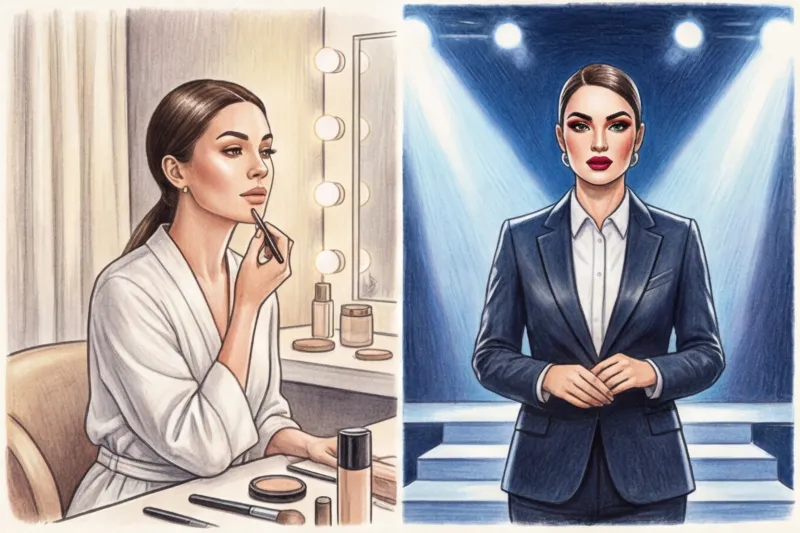
Звідси випливає один із найбільш контрінтуїтивних інсайтів сучасної б'юті-індустрії: найкращий віртуальний макіяж - той, який показує ваші недоліки, а не стирає їх у нуль.
Чому це критично важливо для ділової жінки, яка цінує свій час та гроші (особливо коли вартість якісного тонального флюїду сьогодні легко перевищує позначку 80 €)? Уявіть, що ви тестуєте щільну матову помаду або активний сяючий хайлайтер. Якщо ІІ попередньо «заблукає» шкіру, ви побачите ідеальну глянсову картинку з обкладинки журналу. Але насправді шиммер безжально підкреслить розширені пори на вилицях, а суха матова текстура миттєво збереться в мікротріщинах на губах.
Чесний алгоритм продемонструє цей неприємний фізичний ефект ще етапі вибору. Він без прикрас покаже, як надто щільний консилер збільшить погляд, а невдало підібраний скульптор ляже плямою на текстурну шкіру. Для статусних клієнток такий прагматичний функціонал стає надійною страховкою від стилістичних помилок та невдалих покупок. У цей момент технологія перестає бути розвагою для зумерів та перетворюється на строгий аналітичний інструмент дорослої жінки.
Покрокове керівництво: як правильно тестувати макіяж онлайн
Знаєте, чому майже половина діджитал-експериментів із зовнішністю закінчується фразою «у житті цей колір мені не йде»? Проблема криється не в технологіях, а як вихідні дані. У моїй практиці був показовий випадок: клієнтка категорично заперечила розкішну віртуальну палетку тіней від Tom Ford. Пізніше з'ясувалося, що вона тестувала її, сидячи на задньому сидінні таксі з нестабільним інтернетом та під мерехтливим світлом вуличних ліхтарів.
Щоб віртуальна примірка макіяжу давала феноменальну точність передачі кольору, потрібен системний підхід. ІІ – це аналітик, а не чарівник. Нижче наведено мій суворий протокол з чотирьох кроків, яким я готую клієнтів до онлайн-сесіям.
Крок 1: Правильна підготовка обличчя та нейтральне тло
Сучасним AR-алгоритмам потрібне абсолютно чисте полотно. Ретельно змийте залишки косметики з активним блиском — сильні відблиски на вилицях нейромережа може помилково прийняти за рельєф. Обов'язково приберіть волосся в тугий хвіст або під обідок. Пряді, що вільно падають, створюють динамічні тіні на обличчі, що збиває трекінг-сітку (ті самі 100+ мікроточок, про які ми говорили раніше). Як фон вибирайте однотонну стіну нейтрального відтінку - білу або світло-сіру. Строкаті шпалери або книжкові полиці на задньому плані змушують камеру смартфона постійно перефокусуватися.
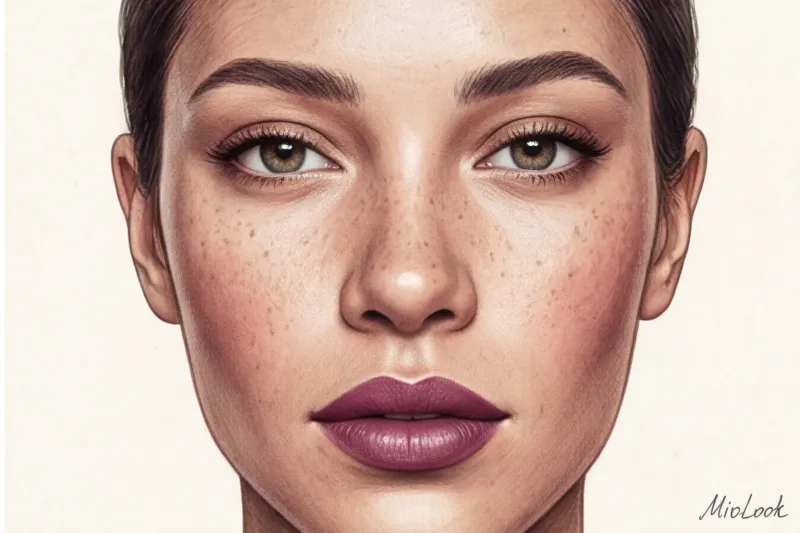
Крок 2: Налаштування природного освітлення
Давайте поговоримо про фізику світла. Чому категорично не можна тестувати макіяж при жовтому світлі домашньої люстри? Звичайна лампа розжарювання видає температуру близько 2700 кельвінів (теплий жовтий спектр). Щойно це світло падає на ваше обличчя, автоматика смартфона намагається вирівняти баланс білого. В результаті віртуальний холодний тауповий скульптор раптом набуває брудно-рудого підтону, а класична червона помада йде в морквяний. Ідеальні умови для алгоритму - це розсіяне денне світло від вікна (але не пряме сонячне проміння!) або професійна кільцева лампа з колірною температурою 5000-5500 Кельвінів, що імітує нейтральний опівдні.
Крок 3: Тестування за зонами (тон, контуринг, акценти)
Часта помилка новачків – натиснути кнопку «вечірній гламур» та жахнутися результатом. Я вчу збирати цифровий образ так само, як працює візажист у реальності: нашаровуючи продукти крок за кроком. Спочатку ми калібруємо тон: перевіряємо, чи не конфліктує згенерований відтінок обличчя з реальним кольором шиї в кадрі. Потім переходимо до контурингу: якісний ІІ повинен покласти тінь туди, куди падає ваша природна анатомічна тінь, а не просто намалювати темні смуги на щоках. І лише у фіналі додаємо акценти – стрілки чи яскраву помаду.
Крок 4: Аналіз поєднання з поточним одягом
Макіяж – це повноправний елемент гардеробу. Цілком безглуздо тестувати холодну фуксію на губах, якщо прямо зараз на вас одягнений теплий гірчичний кашеміровий светр за 150 €. Відтінки негайно вступлять у конфлікт. Щоб створити продуманий Total Look, я рекомендую використовувати можливості програми MioLook. Ви можете відкрити свою оцифровану капсулу, надіти річ, з якою плануєте носити конкретний макіяж, і лише тоді запускати AR-примірку. Це єдиний спосіб оцінити, як бьюті образ працює на ваш особистий бренд в комплексі.
Ваш ідеальний образ починається тут
Приєднуйтесь до тисяч користувачів, які щодня виглядають бездоганно з MioLook.
Відкрити доступ — €0,99 разовоГоловні помилки при віртуальній примірці
Навіть ідеальне освітлення не врятує, якщо ви порушуєте базові принципи взаємодії з технологією. Ось три пастки, в які регулярно потрапляють мої клієнти під час самостійних тестів:
- Тестування макіяжу поверх вже нафарбованого обличчя: Це найпоширеніша помилка. Якщо на вас вже є тональний крем або рум'яна, ІІ накладе цифровий пігмент поверх реального. В результаті виходить ефект листкового пирога - текстура шкіри виглядає перевантаженою, а відтінки змішуються непередбачуваним чином, створюючи візуальну «бруд».
- Оцінка результату у статиці: Замріть перед екраном з кам'яним обличчям — і будь-який AR-фільтр виглядатиме журнально. Але ми живемо у русі! Щоб перевірити якість накладання віртуального макіяжу, обов'язково поверніть голову на 45 градусів по обидва боки, посміхніться, скажіть пару фраз. Якісний алгоритм повинен утримувати контур губ навіть під час артикуляції і не з'їжджати зі вилиць при повороті.
- Ігнорування температури освітлення в кімнаті: Я називаю це «світлою шизофренією». Це ситуація, коли ви стоїте обличчям до вікна з холодним денним світлом, а згори на вас світить тепла лампа з коридору. Змішане освітлення змушує нейромережу панікувати: на одній половині обличчя тіні здаватимуться холодними, на іншій — відверто теплими. Завжди залишайте лише одне, що домінує джерело світла.
Синхронізація з гардеробом: від обличчя до туфель
У світі професійного стайлінгу є негласне правило: ідеальний образ зчитується глядачем за перші три секунди. Але чомусь багато жінок досі сприймають свою косметичку та шафу з речами як дві ізольовані екосистеми. Ви можете інвестувати 600 € в бездоганно скроєний жакет з вовни альпаки, але якщо його теплий карамельний відтінок набуває жорсткого конфлікту з холодним рожевим блиском на губах, візуальна магія руйнується. Макіяж ніколи не існує окремо від одягу - це фінальний штрих, який або збирає силует воєдино, або жорстоко його дробить.
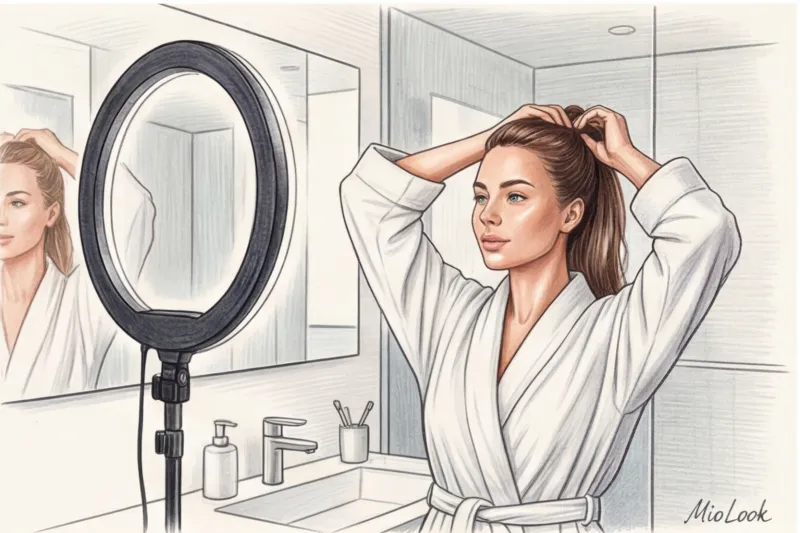
Щоб зв'язати обрану палітру макіяжу з вашою колірною капсулою, я рекомендую впровадити базове правило «температурного резонансу». Проаналізуйте ядро гардеробу. Якщо ваша базова капсула побудована на глибоких холодних тонах (смарагд, кобальт, графіт), вінтажний червоний на губах повинен мати синій підтон. І навпаки: речі відтінків охри, верблюжої вовни або теплої оливи вимагають підтримки персиковими рум'янами та теракотовими акцентами у макіяжі. За даними звіту Image Consulting Institute за 2023 рік, саме така колористична гармонія між обличчям та портретною зоною одягу підвищує авторитетність експерта, що сприймається, на 35%.
Тут ми виходимо на рівень концепції Total Look - розумного підходу до формування особистого бренду. Сьогодні це поняття означає не просто речі одного бренду, одягнені разом, а абсолютну синергію всіх елементів: від густини тканини до фінішу тонального крему. Наприклад, матова помада і пудрове обличчя чудово працюють зі структурними матеріалами на кшталт твіду або драпу, тоді як шовкова блуза, що струмує, буквально вимагає ефекту вологої, сяючої шкіри.
На моїй практиці був показовий випадок із топ-менеджером, яка скаржилася, що на бізнес-портретах виглядає «втомленою», хоча використала якісну косметику. Помилка крилася в банальному дисонансі: її капсула для виступів складалася зі строгих холодних ахроматів (чорний, чистий білий, сірий сталевий), а макіяж був виконаний у теплій бронзовій гамі. Як тільки ми синхронізували температури, зробивши вибір на користь холодного скульптурування, образ став бездоганним та статусним.
Саме у цій точці сучасні технології розкривають свій справжній потенціал. Макіяж це лише верхній рівень візуального послання, і приміряти його потрібно виключно в контексті. Я завжди наполягаю: коли ви оцифровує свої речі через розумний гардероб MioLook , будуйте б'юті-образ, відштовхуючись від вже зібраного комплекту. Спочатку ви формуєте капсулу в додатку, чітко бачите домінуючу кольорову гаму на день, і лише потім підбираєте віртуальний макіяж, звіряючи відтінки з портретною зоною. Така синхронізація перетворює набір розрізнених речей на потужний інструмент позиціонування, що працює на вас.
Майбутнє персонального стилю: ІІ як ваш особистий візажист та стиліст
Аналітики McKinsey у звіті про споживчі звички (2024) привели протверезну статистику: щорічно середньостатистична жінка витрачає від 150 до 300 € на декоративну косметику, яка відправляється у відро для сміття після одного-двох використань. Це знаменитий «цвинтар» на дні косметички: тональні основи за 50 €, які безжально окислюються через годину після нанесення, дизайнерські помади за 40 €, що роблять посмішку візуально жовтою, і трендові глітери, куплені під впливом хвилинної слабкості.
Враховуючи, що повернення розкритих б'юті-продуктів у більшості європейських країн просто неможливе, ціна помилки вкрай висока. Технології віртуальної примірки більше не є іграшкою для підлітків — це потужний фінансовий інструмент. Вони буквально зберігають ваші гроші, відсікаючи 80% невдалих варіантів задовго до того, як ви дістанете банківську картку на касі.
Крім бюджету, ми заощаджуємо найцінніший актив — час. Згадайте класичний похід у великий косметичний стор: дорога, пошук потрібного стенду, тестування щільних текстур на тильній стороні долоні під нещадними лампами флуоресцентними, нескінченне стирання пігменту вологими серветками. На підбір однієї лише ідеальної нюдової помади можна витратити дві години. Сучасний ІІ двигун сканує ваше обличчя за мілісекунди і дозволяє протестувати 40 відтінків за пару хвилин, поки ви п'єте ранкову каву. Штучний інтелект ініціює глобальний перехід від імпульсних покупок до усвідомленого формування б'юті-кейсу. Ми нарешті починаємо збирати косметичку за тими ж строгими правилами, за якими формуємо капсульний гардероб: нічого зайвого, тільки 100% робочі інструменти, що ідеально підходять вашій контрастності і ритму життя.
Досить зберігати те, що не працює, і купувати те, що вам не потрібно. Як ваш діджитал-коуч, я пропоную перевести теорію на практичну площину прямо зараз. Ось короткий план дій: з чого розпочати віртуальну примірку вже сьогодні, щоб назавжди змінити свій підхід до краси.
- Проведіть нещадний аудит. Викладіть усю свою декоративну косметику. Зберіть в окрему купу ті продукти, які ви носите нечасто, тому що «щось не так». Зафіксуйте ці відтінки.
- Оцифруйте палітру. Знайдіть аналогічні кольори у будь-якому якісному AR-симуляторі. Наведіть камеру на чисте обличчя за нейтрального денного світла від вікна. Штучний інтелект миттєво та неупереджено покаже, чому той холодний рожевий рум'янець робить вас втомленою – ви ясно побачите дисгармонію з теплим підтоном вашої шкіри.
- Налаштуйте крос-поєднання гардероба та обличчя. Щоб образ виглядав дорого, макіяж має продовжувати ідею одягу. Зберіть свої ключові комплекти на тиждень через розумний гардероб. MioLook. Оцініть колірну гаму капсули. Для монохромного костюма кольору camel ІІ-візажист порекомендує теплу сатинову палітру макіяжу, а для суворого темно-синього жакета — холодніші, матовіші текстури.
- Складіть смарт-вішаліст. Сформулюйте список із 2–3 продуктів, які не вистачає. Протестуйте їх віртуально у трьох різних сценаріях освітлення (денне світло, офісні лампи, приглушене вечірнє світло). Купуйте тільки ті позиції, які успішно пройшли усі три тести.
«Ваша особа — це смисловий центр будь-якого аутфіту. Безглуздо інвестувати 500 € у бездоганний кашеміровий светр ідеального крою, якщо ваш макіяж транслює візуальний хаос та конфліктує із природним колоритом».
Завершуючи нашу розмову про технології в б'юті-індустрії, я хочу дати вам одну головну пораду: дозвольте алгоритмам взяти на себе математику кольору. ІІ не забирає у нас індивідуальність, він забирає рутину та стрес. Вам більше не потрібно гадати, чи підійде актуальний тренд, чи боятися сміливих рішень перед важливою подією. Ви отримуєте право на чисту творчість та передбачуваний, розкішний результат. Оптимізуйте не тільки свою шафу, а й косметичку — і ви здивуєтеся, наскільки впевненішим стане кожен ваш вихід.
Глави гайда
Як приміряти трендовий макіяж онлайн без помилок
Купуєте популярну косметику, а вона вам не підходить? Дізнайтеся, як сучасні нейромережі допомагають віртуально тестувати макіяж і заощаджувати.
Вечірній макіяж онлайн примірка: уникаємо б'юті-помилок
Боїтеся зіпсувати образ невдалим макіяж перед важливим виходом? Дізнайтеся, як віртуальна примірянка допоможе підібрати ідеальний стиль до вашої сукні.
Як прикрасити весільний макіяж онлайн без пробних візажів
Забудьте про дорогі і виснажливі пробні візажі. Дізнайтеся, як віртуальна примірка допоможе знайти ідеальний весільний образ швидко та без зайвих витрат.
Як ідеальний нюдовий макіяж підібрати онлайн з ІІ
Досить скуповувати помади, які вам не йдуть. Розповідаємо, як штучний інтелект допомагає вирахувати ідеальний повсякденний нюд без походів у магазин.
Як віковий макіяж підібрати онлайн: ліфтинг-образ
Звичний макіяж більше не освіжає обличчя, а купівля нових помад обертається розчаруванням? Дізнайтеся, як підібрати ідеальні ліфтинг текстури зі смартфона.
Як підібрати тон обличчя онлайн за допомогою ІІ
Купуєте дорогі тональні засоби, але раз-по-раз промахуєтесь з відтінком? Розповідаємо, як нейромережі допомагають вибрати ідеальний продукт, не виходячи з дому.
Віртуальний макіяж очей: підбір за формою повік
AR-прикладка косметики – це точний інструмент для роботи з пропорціями обличчя. Дізнайтеся, як підібрати ідеальні стрілки для будь-якої форми повік за допомогою ІІ.
Як підібрати форму брів по фото онлайн: ІІ примірка
Віртуальна примірка брів за допомогою ІІ – найкращий спосіб уникнути невдалого татуажу. Дізнайтесь, як знайти свою ідеальну форму за 15 хвилин.
Як підбирає макіяж формою обличчя нейромережа: контуринг
Класична теорія форм особи безнадійно застаріла. Дізнайтеся, як алгоритми ІІ підбирають макіяж, створюючи персональну карту світлотіні.
Як підібрати макіяж за кольоротипом онлайн за допомогою ІІ
Досить скуповувати косметику методом спроб і помилок. Дізнайтеся, як нейромережі аналізують зовнішність і знаходять ваші ідеальні відтінки за кілька кліків.
Як підібрати колір помади онлайн: віртуальна примірка
Втомилися витрачати гроші на невідповідні відтінки косметики? Дізнайтеся, як віртуальна примірка та AR-алгоритми допоможуть знайти ідеальний колір через камеру смартфона.
Як приміряти макіяж по фото: покроковий гайд
Віртуальна б'юті-примірювальна - потужний інструмент для пошуку свого ідеального образу. Дізнайтесь алгоритм стиліста для підбору косметики онлайн.