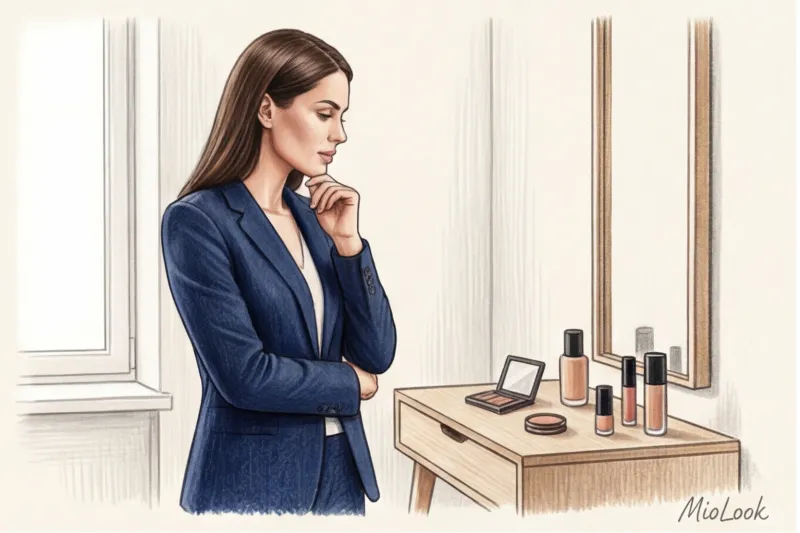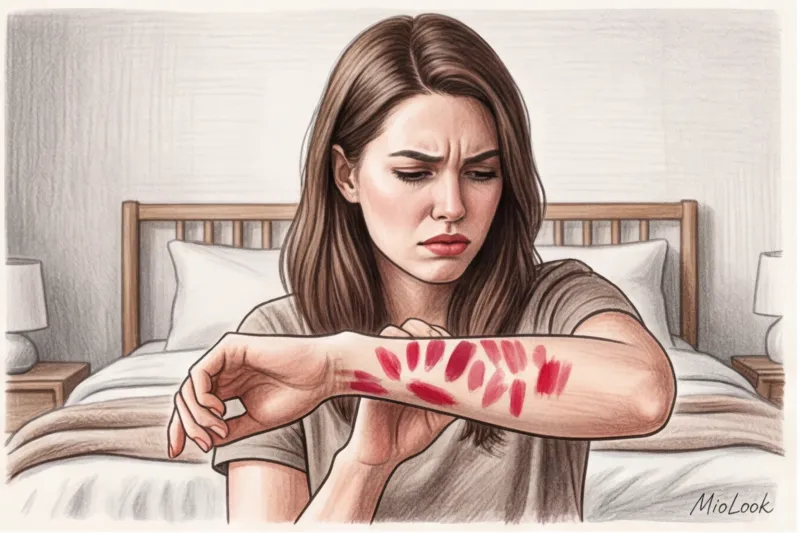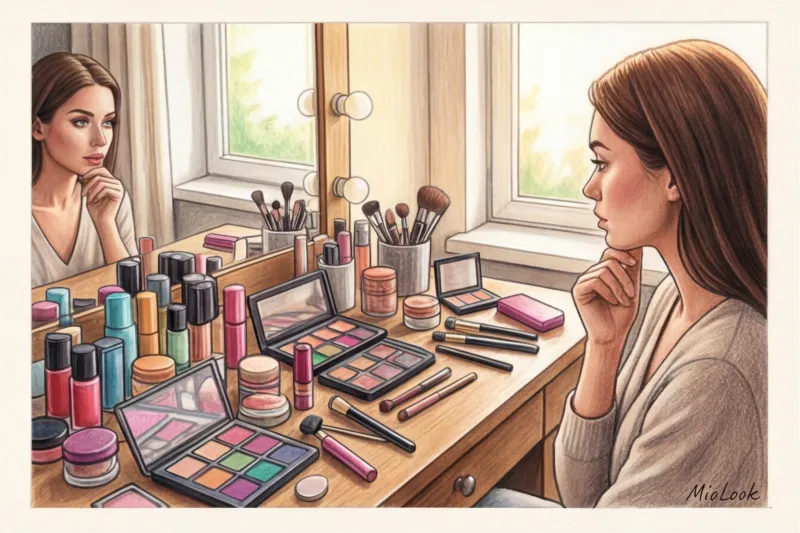
One of my clients, let's call her Anna, once came in for a consultation with a bag of makeup she'd bought inspired by viral videos. Five trendy blushes (from Dior to Rare Beauty), three bronzers, and a couple of shimmery primers cost her almost €250. The problem was: on her cool-olive skin, all those warm peach and terracotta TikTok hits looked like dirty spots. Anna was upset and asked how she could avoid making similar mistakes in the future.
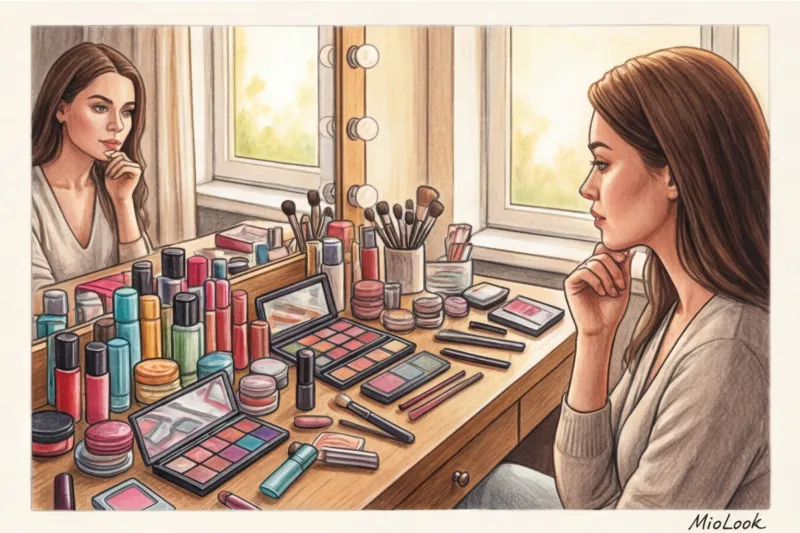
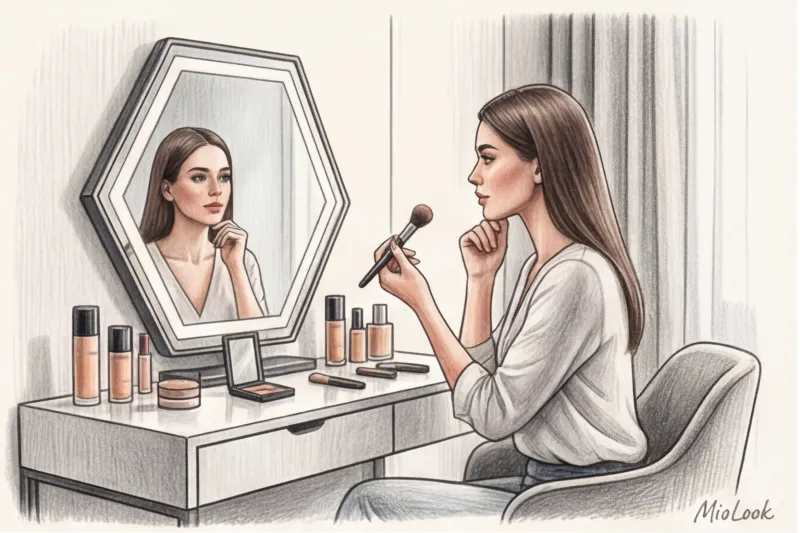
I asked her a counter question: "Have you ever tried on trendy makeup online before going to the checkout?" She shook her head in surprise, thinking that virtual try-ons were just fun filters that distorted your face. But modern artificial intelligence has come a long way. Today, it's not just a toy, but a powerful styling tool that helps you save money and find the perfect proportions for your look. We've covered the technical nuances and how algorithms analyze your appearance in more detail in our article. The complete guide to virtual makeup try-ons with AI.
The Era of AR Beauty: Why Trying Trendy Makeup Online Is All About the Environment and Mindfulness
As a sustainable fashion expert, I often talk about conscious clothing consumption. But the beauty industry is no less problematic. According to a 2023 Mintel study, the average European woman throws away approximately €350 worth of cosmetics annually simply because she chose the wrong shade or texture.
Impulse purchases prompted by short Reels aren't just bad for our budgets. A Zero Waste Europe report shows that up to 70% of plastic packaging from impulse-bought cosmetics ends up in landfills, as complex pumps and tubes can't be recycled. By buying that next €30 viral lip gloss that doesn't suit you, you're contributing to plastic pollution.
This is why virtual AR try-on is becoming a basic skill for mindful consumption. Modern AI reads over 100 points on your face, determining contrast, skin tone, and even the depth of your eyes. Apps like MioLook allow you to evaluate your Total Look: how a specific lipstick shade will complement your natural complexion and the clothes you're currently wearing.
The Anatomy of Hype: How Algorithms Sell Us "Alien" Colors
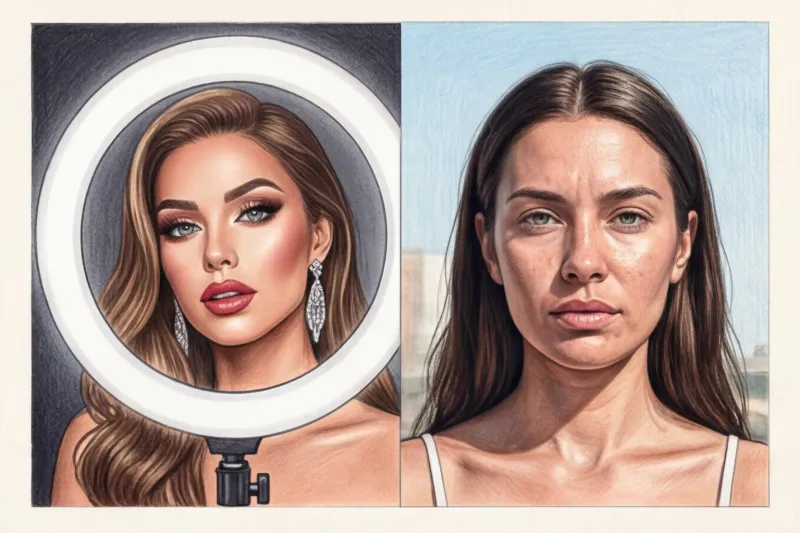
This is where the biggest pitfall of beauty marketing lies. You watch a video of an influencer applying heavy contouring, and their face looks stunningly sculpted. But try doing it in real life, and you look five years older.
"TikTok filters are deceiving you. They alter your facial bone structure, make your nose look smaller, and blur your pores. A true AR makeup try-on isn't supposed to make you look perfect—it's supposed to project pigment onto your actual pores, cheek fuzz, and wrinkles to show you the true result before you buy."
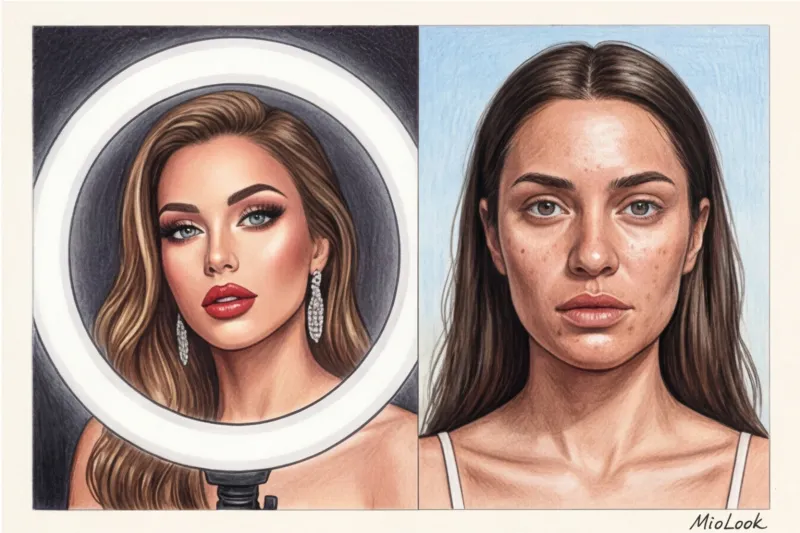
Professional ring lights in blogger studios literally "eat" up to 40% of the actual pigment. A warm bronzer appears soft and translucent, but under office lighting, it will turn into a reddish streak. The AI algorithms of honest try-on apps "wash out" this studio lighting. If you're testing a thick matte lipstick, a good neural network will show how it will accentuate dry lips—and that's great, because it will help you avoid a bad purchase.
Access to MioLook for €0.99 — one-time payment
Start creating your perfect look with AI and virtual makeup try-ons.
Get access — €0.99 onceTop 5 TikTok Makeup Trends: How to Adapt Them to Your Personal Style
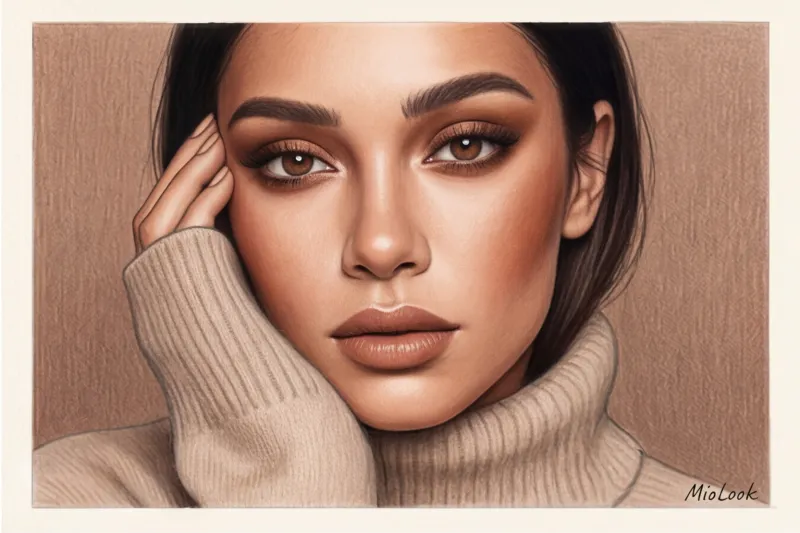
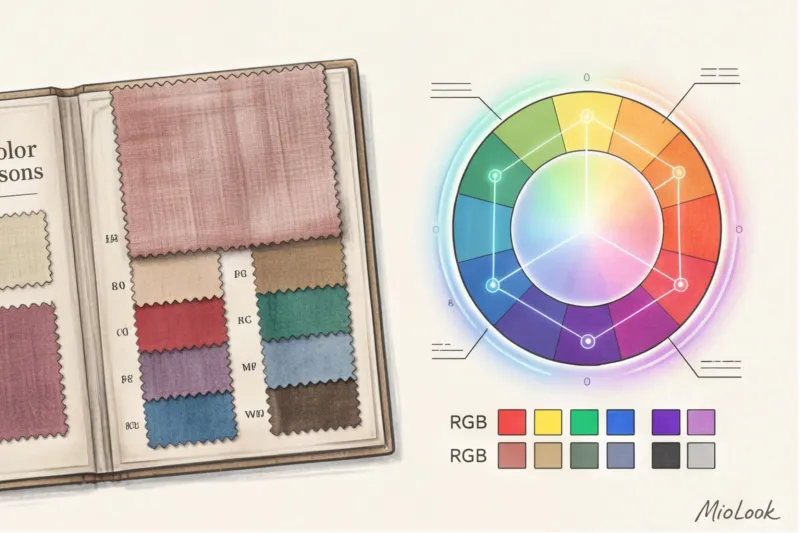
Any trend can be adapted to suit your needs if you understand the principles of color. In my work, I often refer to Johannes Itten's classic theory of contrasts. Let's explore how to try on the season's biggest hits through the prism of 12 Color Types of Appearance: A Guide to Choosing a Palette.
Latte Makeup and Espresso: Finding the Right Undertone
Monochrome makeup in coffee tones has taken over the internet. On warm-toned women (Autumn), caramel and terracotta eyeshadow look luxurious. But if you have ash-colored hair and cool skin, "coffee" makeup will make your face look tired, as if you haven't slept in a week.
Stylist's advice: Upload your photo to the app and experiment with color temperature. Cool skin tones should swap out warm terracotta for a taupe or cocoa shade with a cool undertone. A virtual preview will immediately show how a sallow complexion can be reduced with the right pigment choice.
Strawberry Girl and Cold Girl: The Bright Blush Trap
The trend is for a bold blush that extends to the bridge of the nose. The problem is that, in reality, dense, dry blush in red shades often looks like inflammation or rosacea.
When trying this trend online, pay attention to the difference in texture. AI applies creamy, translucent formulas softly, leaving your skin translucent. Dry formulas apply more heavily. If you're prone to redness on your cheeks, this trend in its classic form is definitely not for you—it's better to focus on your lips.
Glass Skin and Glossy Lips: A Matter of Texture
The "glassy," dewy skin effect looks magical on screen. But this trend has a severe limitation in real life: any gloss acts as a magnifying glass for texture.
If you have large pores or active breakouts, a rich glow will only accentuate them. Smart AR try-on algorithms take into account the microrelief of your face. Apply a virtual liquid highlighter and see how it shimmers on your cheekbones—if your skin texture becomes too obvious, it's better to choose a satin finish rather than a dewy one.
AI and Fabrics: How to Match Makeup with the Textures of Your Closet
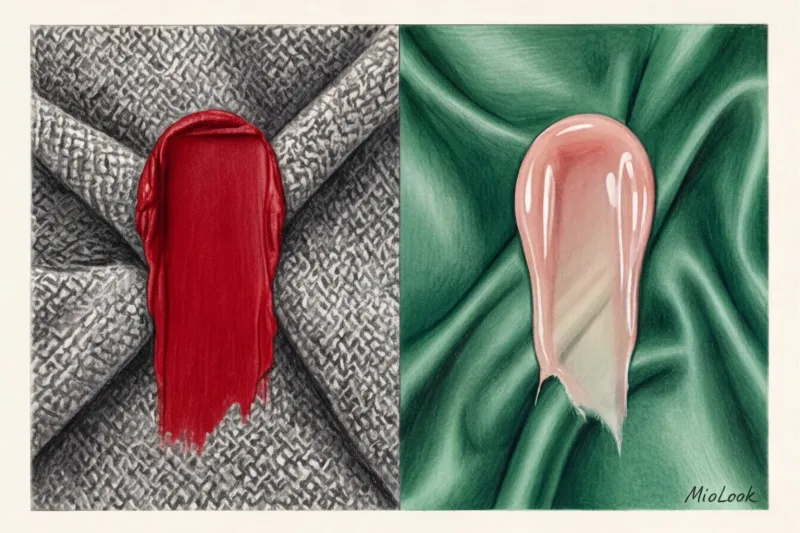
This is where my favorite topic as a textile expert begins. Most beauty tips consider the face in isolation from the body. But makeup is an accessory, just like a silk scarf or a brooch. It should resonate with the texture of the fabric in your portrait area.
Over 12 years of working with visual images, I have developed a strict rule: Light is reflected from the face and fabric according to the same physical laws.
- Matte textures + dense fabrics: Deep, velvety lipstick and powdery leather pair perfectly with textured, light-absorbing fabrics. Whether you're wearing heavy English tweed, thick cashmere, or coarse wool weighing at least 300 g/m², matte makeup will create a luxurious, cohesive look.
- Wet finish + smooth fabrics: Shimmering cream eyeshadows, "Glass Skin" effects, and sheer lip glosses call for shiny, flowing textures. Natural silk, satin, or high-quality viscose create a shimmering effect on the face.
If you wear a matte, heavy cotton turtleneck and overly glossy makeup, your face will appear oily and disconnected from your body due to the texture clash. That's why before buying makeup, I recommend opening the MioLook app, putting on your favorite office blouse, and trying on your makeup to see how it all works.
Your perfect look starts here
Join thousands of users who look flawless every day with MioLook. Experience the perfect combination of makeup and wardrobe.
Get access — €0.99 onceInstructions: How to Try Trendy Makeup Online
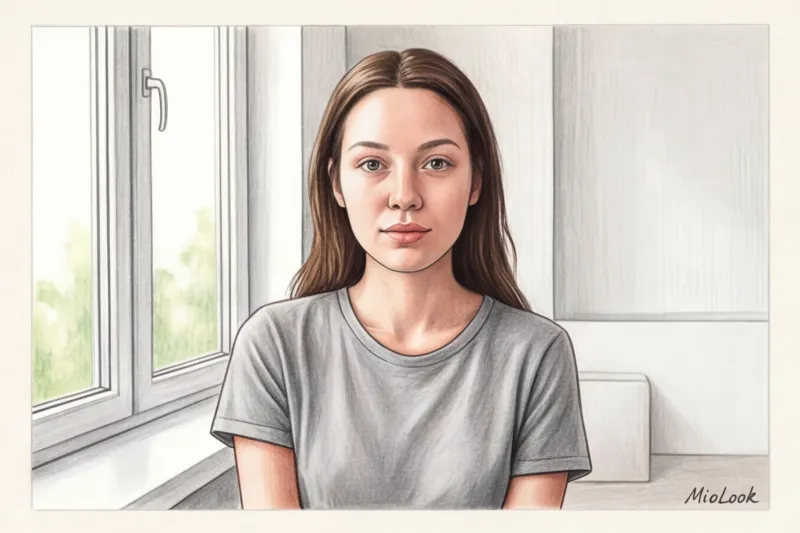
To ensure the algorithms are 100% accurate and don't distort colors, you need to properly prepare the digital "canvas." Most users make mistakes even at the selfie stage.
- Cleanse your face. Never test virtual makeup over existing foundation. The AI analyzes the pigmentation of your clear skin to determine whether the chosen concealer will cover it.
- Light decides everything. Sit facing a large window. You need diffused natural light. Yellow incandescent bulbs in the bathroom will turn any neutral beige into a yolk, and cold neon will make you look sickly pale.
- Clothes matter. Wear a basic T-shirt in a neutral color (white or light gray). Due to the physics of light, a bright neon pink sweater will cast a color reflection on your jaw and chin, causing the camera to misread your skin tone.
- Testing in motion. After taking the photo, move your head in real time. The virtual highlighter highlights and contour shadows should move anatomically correctly, following the contours of your cheekbones.
From digital try-ons to a real cosmetic bag: the beauty capsule method
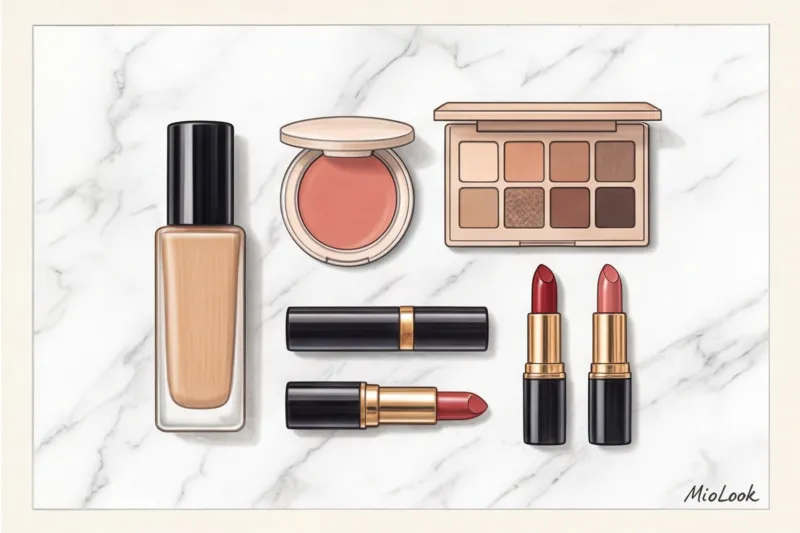
We all know how it works Capsule Wardrobe: A Complete Guide to Creating One which helps solve the "nothing to wear" problem. The same principle applies perfectly to your makeup bag. Instead of buying dozens of random palettes, put together your own beauty capsule.
A basic beauty capsule (in the €100–€150 range) typically includes one universal shade, a multifunctional cream blush (which can be applied to lips and eyelids), a basic eyeshadow palette, and two lipsticks (nude and accent).
One of my clients' frequent challenges is choosing makeup that won't violate a strict office dress code while still looking fresh. For such cases, we use an AR dressing room: we find the perfect dusty pink shade that pairs flawlessly with a white shirt and gray jacket. If you're interested in this topic, check out our article. Business Makeup: Rules, Instructions, and Common Mistakes.
Stylist's Resume: 4 Steps Before Buying Viral Cosmetics
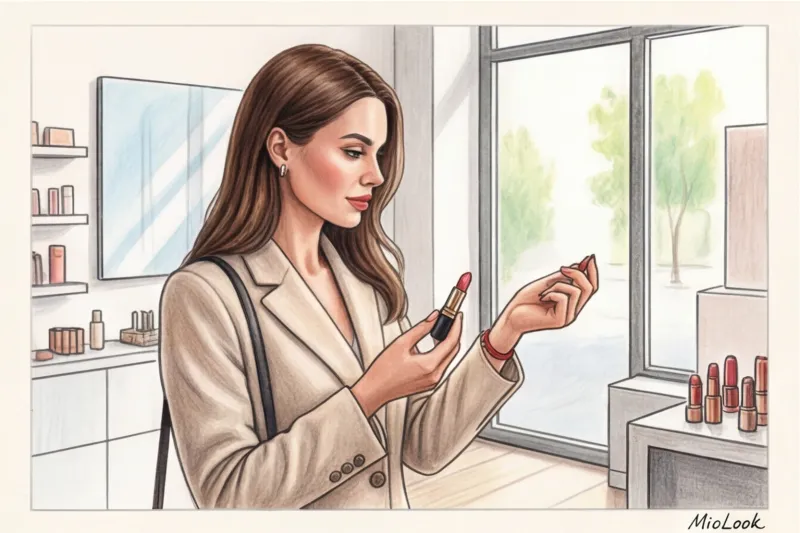
So, you're scrolling through your feed and see a stunning lip gloss or a viral eyeshadow palette. Your hand is tempted to click the "Buy" button. Stop and follow these 4 simple steps:
- Take a screenshot of the trending look to clearly capture the textures and application areas.
- Go to the MioLook app and try these same shades on your bare face, sitting in front of a window in natural light.
- Wear 3-4 tops from your wardrobe (for example, a silk blouse and a textured sweater) to see how your makeup interacts with the texture of your clothes.
- Compare the virtual swatch with what's already in your makeup bag. Eight times out of 10, my clients find they can recreate a "new" trend using products they already own.
Mindfulness doesn't mean refusing to experiment. It's the ability to choose only what truly makes you beautiful, without cluttering your shelves with plastic jars or emptying your wallet. Trust your own color more than social media algorithms!