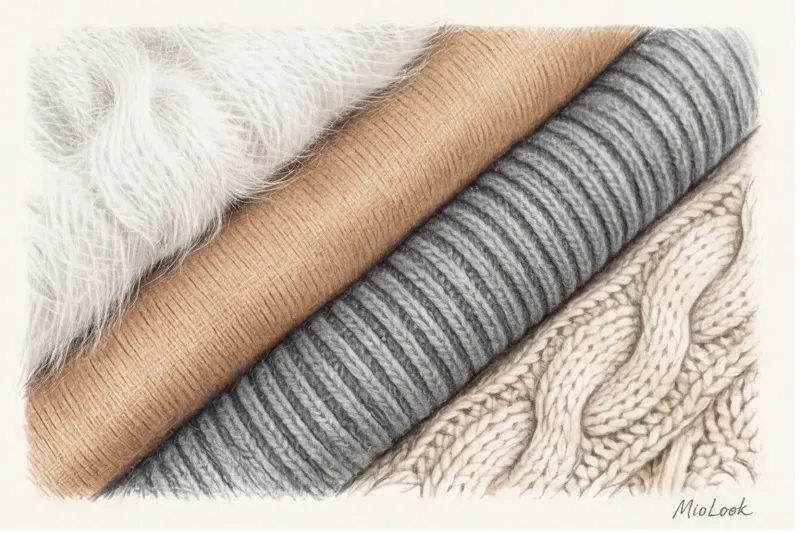
Анатомия трикотажа: почему не все виды свитеров одинаково полезны
За 12 лет работы стилистом и колористом я сотни раз наблюдала одну и ту же сцену в примерочной: клиентка надевает вещь, смотрит в зеркало и расстроенно вздыхает: «Я в этом как квадратный шкаф». И в 90% случаев проблема не в фигуре и не в лишнем весе. Проблема в том, что мы пытаемся выбирать и носить трикотаж по тем же правилам, что и обычную одежду. Но этот фокус не работает. Сегодня мы разберем основные виды свитеров не просто как список теплых вещей для зимы, а как сложный архитектурный инструмент, который может как вытянуть ваш силуэт, так и беспощадно его деформировать.
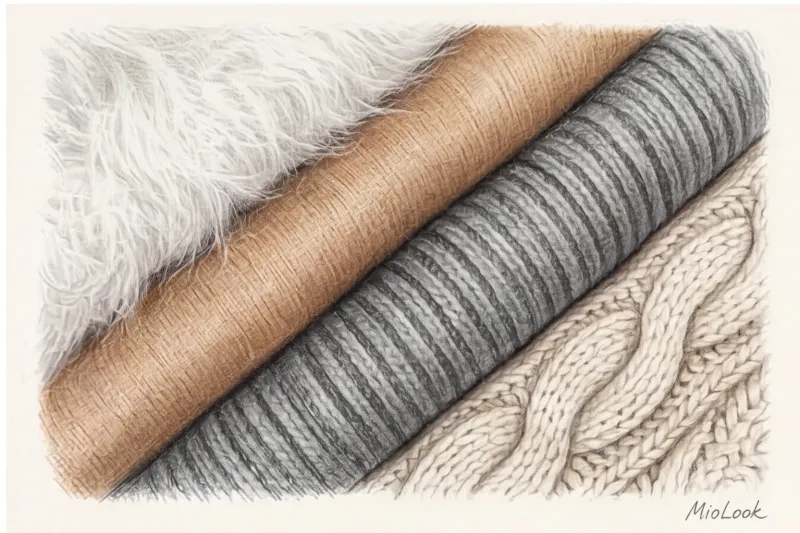
Давайте начнем с фундаментального отличия, которое часто упускают даже модные блогеры. В чем разница между классической тканью и трикотажем? Тканое полотно (например, хлопок для рубашек или костюмная шерсть) создается путем переплетения двух систем нитей — основы и утка. Оно стабильно, держит форму и задает жесткий каркас. Трикотаж же — это вязаное полотно, состоящее из непрерывно соединенных петель. Он пластичен, тянется во все стороны и стремится повторить контуры того, на что надет. Именно поэтому неудачно подобранный трикотаж мгновенно выдает малейшие нюансы фигуры, от натяжения белья до складочек на талии.
«Трикотаж не прощает ошибок в посадке. Если жакет строит вашу фигуру за счет плечиков и вытачек, то трикотаж работает как вторая кожа. И то, как эта кожа ляжет, зависит от плотности вязки».
В профессиональном материаловедении есть понятие gauge (индекс плотности вязки, или класс вязальной машины). Он показывает количество игл на один дюйм игольницы. Вещи с индексом 12–14 gauge — это тонкий, гладкий трикотаж, который струится и облегает. А вот 3–5 gauge — это та самая крупная, объемная вязка, которая создает архитектурный силуэт, скрывает рельеф тела, но при этом добавляет визуальный объем. Понимание этого индекса — ключ к управлению своими пропорциями.
Прежде чем мы углубимся в составы, давайте проведем краткий ликбез без занудства и навсегда закроем вопрос терминологии. Как отличить одно от другого?
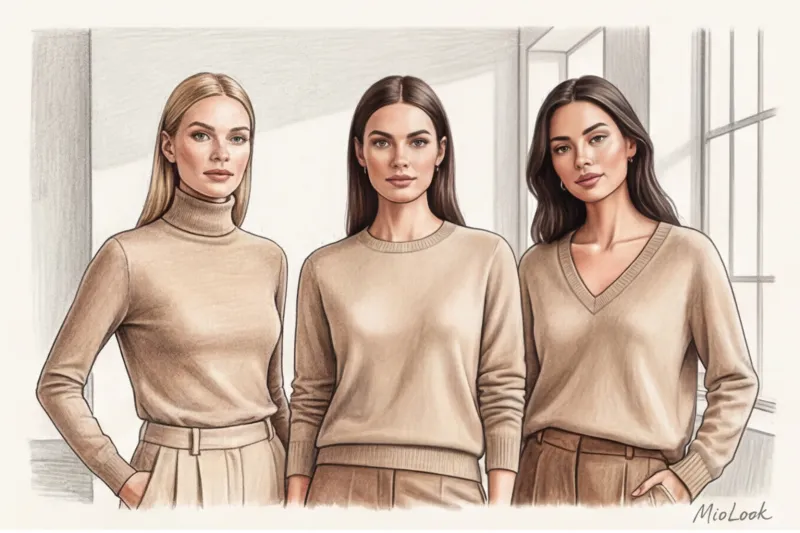
- Свитер: всегда имеет высокий воротник (горло), который облегает шею. Никаких пуговиц или молний.
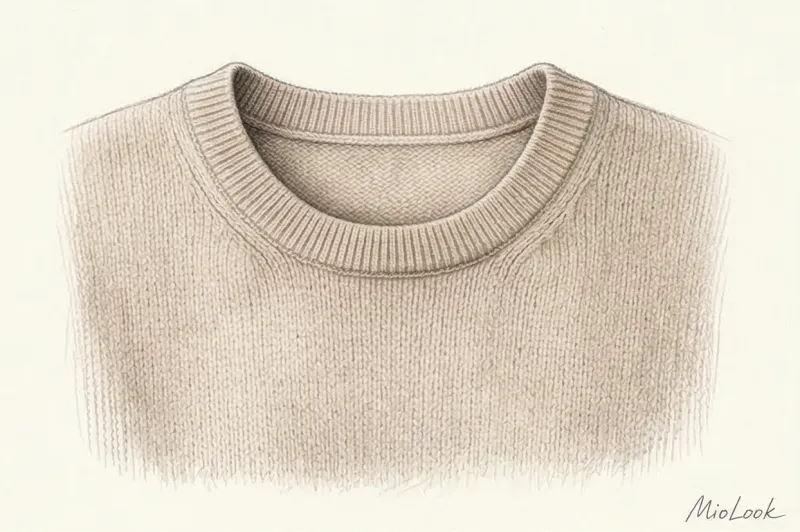
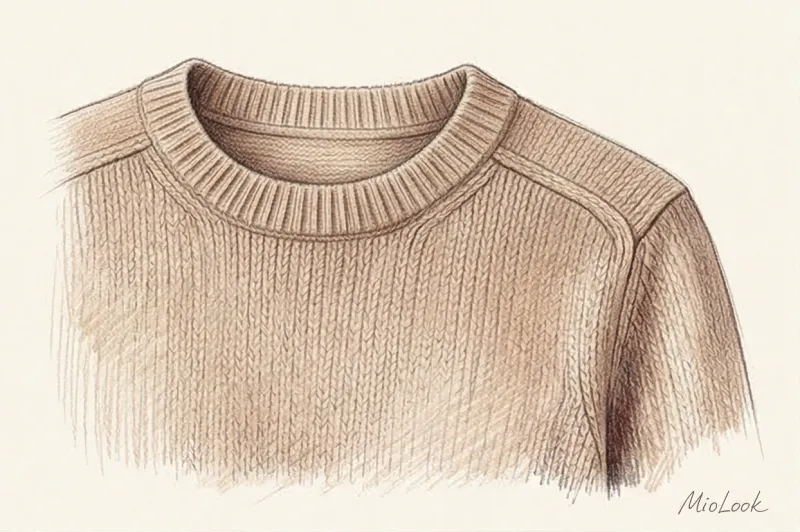
- Джемпер: вязаная вещь с круглым вырезом (crewneck).
- Пуловер: ближайший родственник джемпера, но с V-образным вырезом. Идеален для многослойности.
- Кардиган: трикотажная одежда, которая расстегивается сверху донизу (на пуговицах, молнии или с запахом).
Почему один и тот же базовый джемпер в одном магазине выглядит статусно, словно из коллекции Loro Piana, а в другом — как уставшая тряпка уже на вешалке? Весь секрет кроется в пряже. Дешевая нить не способна держать упругость петли, она провисает под собственным весом, деформируя фасон.
Пряжа и плотность: от кашемира до акрила
Если вы хотите читать этикетки как профи, вам нужно знать не только названия животных, но и такое понятие, как микронность шерсти. Микрон — это толщина самого волоска. Чем он тоньше, тем мягче и дороже пряжа.
Кашемир — это подшерсток горных коз. Его микронность составляет всего 14–16 микрон. Он в восемь раз теплее овечьей шерсти при той же толщине, абсолютно не колется, но требует деликатного обращения. Меринос (шерсть тонкорунных овец) имеет толщину около 19.5 микрон — это идеальная, гладкая и упругая база на каждый день, которая отлично держит форму. Альпака чуть жестче, но в ней нет ланолина (животного воска), поэтому она гипоаллергенна и отталкивает воду. А вот мохер (шерсть ангорских коз) создает красивое пушистое «гало» вокруг вещи, но визуально сильно расширяет силуэт.
Теперь о главном мифе масс-маркета. Я часто слышу: «Я покупаю только 100% натуральный состав!». Но давайте будем реалистами. 100% кашемир — это прекрасно, однако он неизбежно вытянется на локтях, если вы весь день работаете за компьютером. Добавление 10–20% полиамида или нейлона в шерстяную пряжу — это не экономия производителя, а технологическая необходимость для прочности и стабилизации формы.
Чего действительно стоит избегать, так это свитеров из 100% акрила. Акрил — это продукт нефтепереработки. В таком свитере создается эффект локального парникового эффекта: в помещении вы мгновенно потеете, а выйдя на мороз — замерзаете, так как влага не отводится от тела. К тому же акрил не греет, он лишь имитирует объем шерсти.
Фактура и цвет: как вязка меняет ваш цветотип
Как сертифицированный аналитик-колорист, я обожаю работать с трикотажем, потому что он ведет себя с цветом совершенно иначе, чем гладкие ткани. Физика процесса проста: любая фактурная вязка (косы, рубчик, букле) создает микротени. Она поглощает свет, а не отражает его.
Именно поэтому черный цвет на гладком шелке выглядит резким и драматичным, а черный объемный свитер крупной вязки смотрится мягким, скорее графитовым. Текстура «съедает» агрессивность цвета. Это отличная новость для тех, кто любит темные оттенки, но боится, что они подчеркнут морщинки или усталость лица.
Но есть и обратная сторона медали. Яркие, неоновые оттенки (фуксия, электрик) на натуральной шерсти почти всегда выглядят дешево. Шерсть — это природный, органический материал. Когда ее пытаются «подружить» с химическим, искусственным цветом, возникает визуальный диссонанс. Хотите, чтобы свитер выглядел на сотни евро? Выбирайте сложные, природные тона: цвет овсянки, кэмел, шалфей, глубокий винный или меланж (когда в одной нити сплетены несколько близких оттенков).
Секрет стилиста: при выборе трикотажа всегда учитывайте контрастность своей внешности. Девушкам с высокой контрастностью (темные волосы, светлая кожа) отлично подходят гладкие пуловеры насыщенных, чистых цветов. А вот обладательницам мягкой, приглушенной внешности лучше сделать ставку на фактурные джемперы в меланжевых оттенках — они идеально повторят природную мягкость черт лица. Если вы сомневаетесь, какие именно оттенки и фактуры вытянут вашу внешность, рекомендую загрузить свои повседневные образы в умный гардероб MioLook — алгоритмы приложения помогут проанализировать вашу контрастность и составить идеальную палитру для зимней капсулы.
Базовые виды свитеров: фундамент осенне-зимнего гардероба
По данным исследования потребительских привычек McKinsey (2024), среднестатистическая женщина тратит на выбор утреннего наряда около 12–15 минут. И чаще всего это время уходит впустую на попытки «подружить» между собой сложные, акцентные вещи. Когда ко мне обращаются за разбором гардероба, первая проблема, которую я вижу — это переизбыток фактурных, ярких кофт при полном отсутствии качественной базы. В итоге шкаф ломится, а надеть нечего.
Давайте определимся: понятие базового трикотажа в моей практике имеет строгие и бескомпромиссные критерии. Это полное отсутствие лишних деталей (никаких страз, вышивок, сложных кос, асимметрии или декоративных пуговиц), абсолютно гладкая вязка (кулирная гладь) и идеальная посадка. Правильная базовая вещь не должна обтягивать вас, как гидрокостюм. Между телом и тканью всегда должно оставаться 3–4 сантиметра «воздуха» — это тот самый зазор, который визуально стройнит и позволяет надеть вниз первый слой.
Как базовые свитеры работают в капсульном гардеробе? Они действуют как холст или архитектурный каркас. Вы можете сочетать их с шелковыми юбками-слип, строгими офисными брюками, потертыми джинсами или надевать под сложносочиненные жакеты. База успокаивает любой активный принт и балансирует сложный крой.
Когда мои клиентки загружают свои вещи в функцию умного гардероба MioLook, алгоритмы наглядно показывают поразительную статистику: всего три правильных базовых вида свитеров способны покрыть 90% потребностей в повседневных образах. Приложение генерирует десятки свежих сочетаний, доказывая, что вам не нужно скупать половину магазина — достаточно грамотно выбрать фундамент.
Водолазка и бадлон: кому идут и как стилизовать
Начнем с терминологии, в которой часто путаются даже продавцы-консультанты. Разница между классической водолазкой и свитером с высоким горлом (бадлоном) заключается в плотности и прилегании. Водолазка — это тонкий трикотаж (часто из вискозы, мериноса или хлопка с добавлением эластана), который сидит по фигуре. Свитер с высоким горлом вяжется из более толстой пряжи, держит собственную форму и имеет объемный, часто отворачивающийся воротник.
Как имиджмейкер, я обязана предупредить: высокий ворот — очень коварный элемент. Опасность высокого ворота кроется в том, что он работает как жесткое паспарту для картины. Он визуально «съедает» длину шеи и работает как лупа для овала лица. Если у вас укороченная шея, выраженные щеки или заметные возрастные изменения в нижней трети лица, глухой черный воротник, упирающийся в подбородок, только усугубит ситуацию.
«Трикотаж у лица — это ваш личный отражатель света. Неправильный оттенок водолазки способен накинуть вам 5-7 лет возраста и подчеркнуть синяки под глазами, которых вы даже не замечали».
Но что делать, если вы уже инвестировали 150–200 евро в роскошную кашемировую водолазку, а она категорически не подходит вам по цветотипу и делает лицо уставшим? Лайфхак из моей колористической практики: создайте барьер и разбейте цветовой блок. Наденьте поверх водолазки структурированный жакет с глубоким V-образным вырезом правильного, «вашего» оттенка. Если жакета нет, используйте украшения — длинная многоярусная цепь или кулон на шнурке создадут искусственную V-образную вертикаль, которая отвлечет внимание от неподходящего цвета у самого лица.
Джемпер с круглым вырезом (Crewneck): универсальный солдат
Если бы меня заставили оставить в гардеробе только один вид трикотажа, это был бы классический crewneck (дословно — «вырез лодочной команды»). История происхождения этого фасона отсылает нас к 1930-м годам: изначально это была часть формы военно-морского флота США, защищавшая шеи матросов от натирания жесткими форменными воротниками. Позже, в 1950-х, фасон перекочевал в университеты Лиги Плюща и стал незыблемой основой преппи-стиля.
Почему вырез crewneck идеален под рубашки и базовые футболки? Его округлая геометрия создает безупречную рамку для нижнего слоя. Белая футболка из плотного хлопка, выступающая ровно на 1,5–2 сантиметра из-под круглого выреза джемпера — это тот самый стилистический микро-прием, который делает образ многослойным, завершенным и слегка небрежным. Главное правило: край горловины джемпера должен быть плотным и не растянутым.
Здесь кроется важная визуальная иллюзия, о которой редко пишут: ширина горловины напрямую влияет на восприятие ширины ваших плеч. Широкий, слегка растянутый круглый вырез, открывающий ключицы, визуально расширяет плечевой пояс (отличный инструмент для фигур типа «груша», чтобы сбалансировать бедра). И наоборот, узкий crewneck, плотно прилегающий к основанию шеи, визуально сужает плечи.
Пуловер с V-образным вырезом: геометрия стройности
Если crewneck дает нам мягкость линий, то пуловер с V-образным вырезом — это чистая геометрия и динамика. Его главное преимущество — мощное удлинение шеи и вытягивание всего силуэта. За счет острых углов взгляд наблюдателя рефлекторно скользит вниз, к центру груди, создавая центральную вертикальную ось. Это абсолютное спасение для девушек с пышным бюстом (размер D и больше) или широкими плечами.
Однако при выборе такого пуловера важно соблюдать баланс, особенно если вы планируете носить его на голое тело. Глубина выреза и деловой этикет имеют строгие границы. Для офиса с консервативным дресс-кодом нижняя точка выреза не должна опускаться ниже линии подмышечных впадин (это примерно 12–15 см вниз от яремной впадины). Все, что глубже — переходит в категорию расслабленного casual или требует обязательного нижнего слоя.
Кстати, о нижнем слое. Пуловер с V-образным вырезом — это идеальная пара для водолазок контрастного цвета. Попробуйте надеть шоколадный мериносовый пуловер поверх тонкой небесно-голубой водолазки. Это не только решает проблему холодных офисов, но и демонстрирует сложную колористическую работу. Вы получаете тепло, цветной акцент у лица и сохраняете стройнящую V-образную геометрию.
Доступ к MioLook за €0,99 — разовый платёж
Умный AI-стилист подберёт идеальный образ
Открыть доступ — €0,99 разовоФактурные и акцентные виды свитеров: когда одежда говорит за вас
В живописи и дизайне интерьеров есть непреложный закон: если вы убираете из палитры яркие цвета, вам неизбежно придется усиливать фактуру, иначе композиция станет плоской и безжизненной. В стайлинге это правило работает с математической точностью. Как только мы совершаем переход от гладкой базы к statement-вещам (акцентным элементам гардероба), именно сложная, рельефная вязка берет на себя роль главной скрипки.
Для поклонниц лаконичного стиля фактура гениально заменяет принты в минималистичном гардеробе. Если вы устали от цветочных паттернов, гусиной лапки или клетки, но обычный гладкий джемпер кажется вам слишком пресным, ваш выход — рельеф. Гладкий бежевый пуловер — это просто униформа. Тот же бежевый оттенок, но в исполнении фактурной пряжи букле или сложной рубчатой вязки — это уже модное заявление, которое не требует ни массивных колье, ни кричащих логотипов.
Свитер крупной вязки (Chunky knit) и миф о лишнем объеме
Самый стойкий стилистический миф, с которым я борюсь из года в год: «объемные свитеры делают меня толстой». На самом деле, всё ровно наоборот.
Недавно ко мне обратилась клиентка — финансовый директор с роскошной фигурой размера L. Она панически избегала любого объема в верхней части тела, предпочитая носить тонкие кашемировые и вискозные водолазки в облипку, искренне веря, что так она выглядит стройнее. Результат? Тонкий трикотаж работал как вторая кожа, предательски подчеркивая каждую складочку, контуры белья и малейшие нюансы фигуры.
«Контрарианский инсайт стилиста: тонкий трикотаж в обтяжку полнит вас в разы сильнее, чем правильный архитектурный оверсайз. Объемный свитер создает жесткий каркас, внутри которого ваше тело кажется более хрупким».
Мы подобрали ей плотный свитер крупной вязки (chunky knit) из смесовой шерсти стоимостью около 130 евро, который держал форму и не облегал талию. Чтобы избежать превращения в «квадрат», мы применили золотое правило баланса фактур: сочетали тяжелый, грубый верх с летящим низом. Когда она надела этот массивный свитер поверх струящейся шелковой юбки-слип, разница объемов сработала как оптическая иллюзия — она визуально потеряла минимум пять килограммов.

При выборе chunky knit критически важны два параметра: жесткий край и правильная длина. Подол свитера ни в коем случае не должен заканчиваться на самой широкой горизонтали ваших бедер (это визуально расширит их). Идеальная длина — либо укороченная (до тазовых косточек), либо удлиненная (закрывающая пах), с плотной резинкой, которая позволяет слегка подвернуть край внутрь.
Аранский свитер (в косичку): история и современность
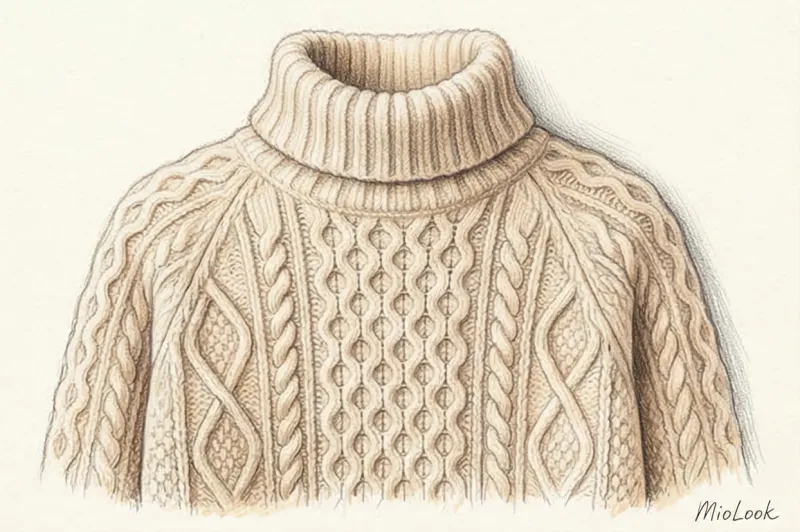
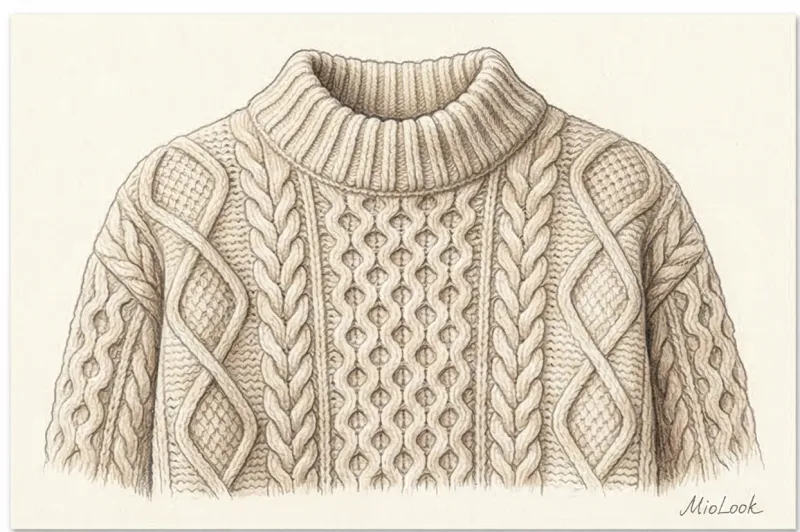
Свитеры крупной вязки с характерными выпуклыми узорами часто называют просто «свитерами с косами», но у них есть гордое историческое имя — аранские. Они появились на суровых Аранских островах у западного побережья Ирландии. Изначально это был сугубо утилитарный предмет гардероба рыбаков, вязавшийся из немытой овечьей шерсти (ланолин делал её водоотталкивающей).
Смысл узоров здесь гораздо глубже, чем просто эстетика. Косы и ромбы — это исторический шифр. Коса символизировала рыбацкие канаты и служила пожеланием удачи в море. Ромбы обозначали рыболовные сети и ассоциировались с богатством и щедрым уловом. Зигзаги повторяли изломанную линию островных утесов.
Как носить аранский свитер сегодня, чтобы не выглядеть старомодно, словно вы сошли со страниц журнала по вязанию за 1995 год?
- Играйте на контрастах стилей: откажитесь от банального сочетания «свитер в косичку + синие джинсы». Надевайте его с костюмными брюками-палаццо со стрелками, кожаными юбками миди или даже поверх полупрозрачных платьев.
- Внимание к масштабу узора: это правило часто игнорируют, а зря. Крупные, массивные косы великолепно смотрятся на высоких девушках с крупными чертами лица. Если же вы миниатюрная (рост до 160 см), гигантские ромбы вас просто «раздавят». Выбирайте модели с мелким, деликатным переплетением.
Свитер поло и хенли: тренд на спорт-шик
В последние несколько сезонов мы наблюдаем триумфальное возвращение трикотажа с отложным воротником. Свитер-поло перестал ассоциироваться исключительно с гольф-клубами и стал полноправным элементом эстетики old money (тихой роскоши). Бренды первого эшелона задали планку, показав кашемировые поло за 1500 евро, а сегодня этот тренд блестяще адаптирован в сегменте масс-маркета и мидл-ап.
Почему свитер-поло стал абсолютным хитом делового дресс-кода casual? Отложной воротник добавляет образу структуру, которой так не хватает обычным джемперам. Он обрамляет лицо, делает портретную зону более собранной и статусной, но при этом сохраняет мягкость и комфорт трикотажа, полностью заменяя жесткие, мнущиеся офисные рубашки.
Близкий родственник поло — свитер хенли (модель без воротника, но с вертикальным рядом пуговиц на груди). Это гениальный инструмент для коррекции фигуры. Расстегнутые пуговицы хенли создают четкую вертикальную линию и глубокий V-образный вырез, который визуально удлиняет шею и вытягивает силуэт.
Интеграция таких акцентных вещей в повседневные образы требует насмотренности. Если вы сомневаетесь, с чем сочетать сложную фактуру поло или массивный chunky knit, попробуйте загрузить их фотографии в MioLook. Алгоритм умного гардероба поможет составить балансные комплекты, миксуя ваши фактурные новинки с уже имеющейся гладкой базой, чтобы образ получился сложным, но не перегруженным.
Кардиганы и жилеты: искусство умной многослойности
В профессиональной среде имиджмейкеров существует понятие «градус стиля». Это невидимая шкала, определяющая, насколько ваш образ выглядит продуманным, визуально сложным и, как следствие, дорогим. Самый быстрый и рабочий инструмент, чтобы мгновенно повысить этот градус — использовать умную многослойность. И здесь на сцену выходят кардиганы и жилеты.
Многослойность работает как архитектура: каждый новый слой добавляет фактуру, игру теней и глубину. Гладкий шелк топа, матовая хлопковая рубашка и объемный пушистый кардиган вместе создают ансамбль, который хочется рассматривать. Но главная суперсила расстегивающегося трикотажа кроется в сочетании эстетики и утилитарности.
С точки зрения физиологии, такие вещи идеальны для терморегуляции. Вы заходите с морозной улицы в натопленный офис или спускаетесь в метро — и вам достаточно расстегнуть пару пуговиц, чтобы чувствовать себя комфортно, не разрушая при этом целостность наряда. Куда важнее оптическая иллюзия, которую они создают. Расстегнутый кардиган или удлиненный жилет формируют две четкие вертикальные линии вдоль вашего тела. Эти контрастные вертикали словно «срезают» лишние объемы по бокам, визуально вытягивают силуэт и делают вас стройнее без всяких диет. Это чистая геометрия, которая работает безотказно на любой фигуре.
Кардиган: от «бабушкиной кофты» до статусного элемента
Начнем с боли. Главная стилистическая ошибка, которую я безжалостно вычищаю из шкафов клиенток во время ревизий — это тонкий, хлипкий трикотажный кардиган на мелких пуговицах, заканчивающийся на самом широком месте бедер. В застегнутом виде он предательски обтягивает каждую складку, а пуговицы натягиваются, создавая дешевый и неряшливый вид.
Чтобы кардиган работал на ваш статус, а не против него, обращайте внимание на современные виды свитеров на пуговицах:
- Укороченные модели в стиле Шанель: Плотная вязка, напоминающая твид, контрастная окантовка и акцентные металлические пуговицы. Идеальная пара для широких брюк на высокой посадке.
- Уверенный оверсайз: Объемные кардиганы крупной вязки со спущенным плечевым швом. Они создают тот самый расслабленный шик.
- Длинные кардиганы-пальто: Модели ниже колена из плотной шерсти, которые отлично заменяют легкую верхнюю одежду в межсезонье.
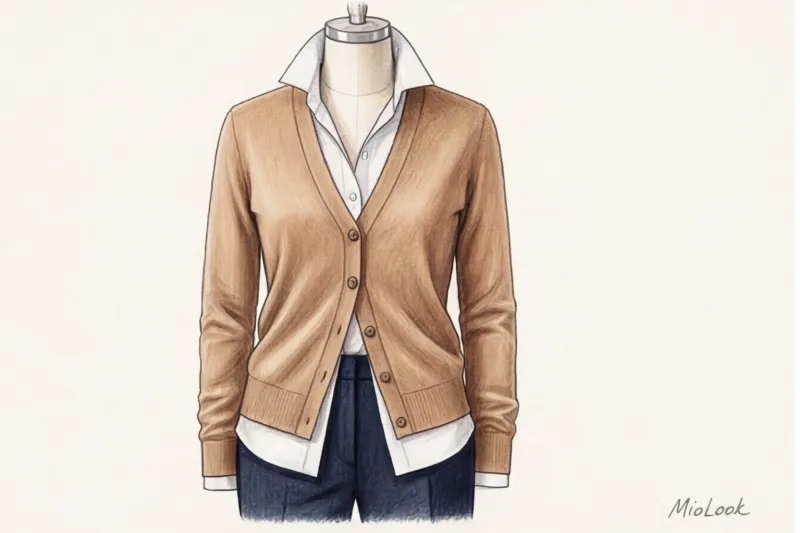
Один из моих любимых стилистических приемов — носить кардиган как самостоятельный топ, надевая его прямо на голое тело. Даже базовая модель из качественной смесовой шерсти (в ценовом сегменте 80–120 евро) выглядит невероятно чувственно и дорого, если застегнуть ее не до конца. V-образный вырез открывает ключицы, удлиняя шею, а плотная фактура держит форму. Кстати, если вы сомневаетесь, с какими низами сочетать такой акцентный верх, просто загрузите его фото в функцию «умный гардероб» в MioLook — алгоритм мгновенно предложит десятки свежих комбинаций из ваших же вещей.
Доступ к MioLook за €0,99 — разовый платёж
Начните создавать идеальные образы с помощью искусственного интеллекта
Открыть доступ — €0,99 разовоТрикотажный жилет: как избежать эффекта школьной формы
Еще несколько лет назад вязаный жилет ассоциировался исключительно с униформой частных школ или нафталиновым дедушкиным гардеробом. Сегодня, во многом благодаря таким модным домам, как Prada и Miu Miu, он стал незаменимым элементом интеллектуального гардероба.
Дьявол, как всегда, кроется в пропорциях. Чтобы избежать эффекта «первоклашки на линейке», категорически избегайте куцых, плотно прилегающих жилеток из тонкого акрила. Актуальный силуэт строится на контрастах: это либо уверенный оверсайз со спущенной линией проймы (которая, к слову, гениально маскирует полноту верхней части рук), либо гипертрофированно укороченные кроп-жилеты свободной посадки.
Жилет — это абсолютный чемпион по вариативности стилизации:
- Поверх платья-рубашки: Жесткий воротник и летящий подол платья в сочетании с плотной фактурой жилета создают сложный, многогранный образ.
- С базовой футболкой: Если надеть объемный жилет поверх свободной белой футболки (так, чтобы рукава футболки немного торчали), вы мгновенно снизите градус формальности и получите идеальный casual-лук выходного дня.
- На голое тело: По данным аналитической платформы Lyst, поисковые запросы на вязаные жилеты для ношения 'solo' стабильно растут каждый теплый сезон. Надев жилет как самостоятельный топ под строгий мужской пиджак, вы получаете безупречный вечерний образ с легкой ноткой дерзости.
Главные ошибки при выборе трикотажа (и как их избежать)
Знаете, какой вопрос мне задают чаще всего во время шопинг-сопровождения? «Почему на манекене этот джемпер выглядел роскошно, а на мне — как растянутая вещь с рынка?» Дело редко в особенностях фигуры. Чаще всего мы спотыкаемся о три незаметные глазу, но критичные технические ошибки кроя и сборки. Давайте разберем их так, чтобы вы могли отбраковывать неудачные вещи прямо в примерочной.
Ошибка 1: Неправильная длина (свитер заканчивается на самом широком месте бедер)
Первая и самая коварная ловушка — горизонталь, режущая силуэт в его максимальной точке. Если плотный край свитера заканчивается ровно на самом широком месте ваших бедер, вы визуально прибавляете себе полтора-два размера. Это безжалостный закон оптики: глаз считывает ширину горизонтальной линии как ширину всего вашего тела.
Как избежать: В примерочной сделайте простой тест — поднимите руки вверх, затем опустите. Если край зафиксировался на критичной линии, у вас два пути. Либо ищите укороченные модели (заканчивающиеся на тазовых косточках), либо удлиненные (закрывающие пах и ягодицы). Если вещь уже куплена, используйте стилистический прием «french tuck» (частично заправьте край спереди или сбоку). Это создаст диагональ и сломает опасную расширяющую горизонталь.
Ошибка 2: Хлипкая резинка на манжетах и подоле
Вы можете выбрать премиальный состав, но если резинка (ластик) на подоле и манжетах слабая и вялая, образ мгновенно теряет статусность. Фабрики масс-маркета часто экономят именно на плотности краевых элементов, из-за чего вещь выдает свою дешевизну.
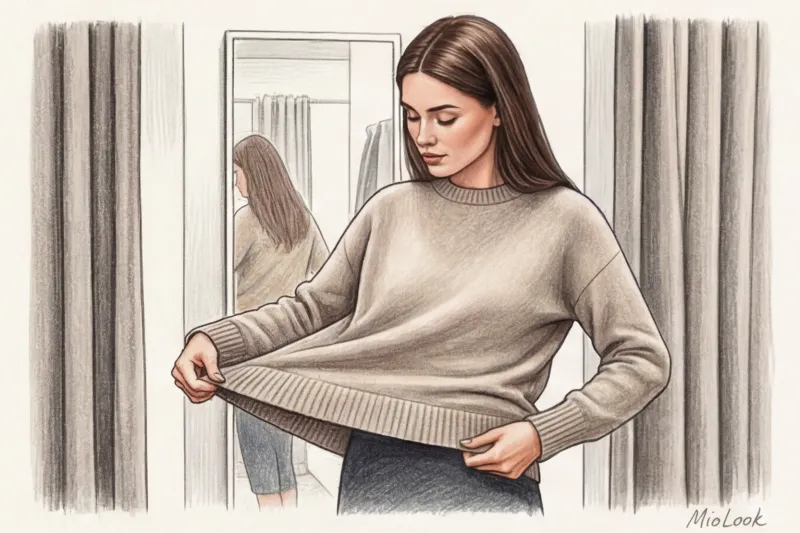
Как избежать: Прямо в магазине с усилием растяните манжет. Если он возвращается в исходное состояние медленно или идет мелкими «волнами» — смело оставляйте вещь на вешалке. Качественный трикотаж обладает отличной «памятью формы». Упругий, жесткий край формирует правильный напуск на рукавах и не дает свитеру превратиться в бесформенный мешок.
Ошибка 3: Несоответствие плотности свитера и верхней одежды
Третий провал случается уже дома, когда вы пытаетесь интегрировать обновку в текущий гардероб. Разные виды свитеров требуют разного объема верхнего слоя. Попытка втиснуть плотный объемный свитер под классическое приталенное пальто — это эстетическая и физическая катастрофа. Рукав пальто трещит по швам, вы не можете согнуть руки, а в области подмышек образуются валики, искажающие пропорции.
Как избежать: Покупая плотный chunky knit, убедитесь, что у вас есть пальто-оверсайз со спущенным плечом. Для классической верхней одежды с втачным рукавом выбирайте только гладкую базу. Чтобы не держать все комбинации в голове, я рекомендую оцифровать верхнюю одежду через MioLook — так вы прямо в магазине сможете проверить, поместится ли понравившийся объемный свитер под ваш любимый тренч или пуховик.
Чек-лист стилиста: как выбрать идеальный свитер в магазине
Когда мы с клиентками отправляемся на шопинг, я всегда провожу один и тот же ритуал, который со стороны консультантов порой выглядит как придирка. Я мну, тяну и выворачиваю трикотаж наизнанку. Рассматривая разные виды свитеров на рейлах, легко обмануться красивым дизайном или приятной на ощупь фактурой, но реальный потенциал вещи всегда кроется в технических деталях. Вот мой личный протокол отбора, который убережет вас от неудачных покупок.
- Тест на сминаемость и возврат формы. Возьмите край рукава или подол, слегка потяните его в стороны и резко отпустите. Качественная, плотно скрученная пряжа мгновенно спружинит обратно. Если трикотаж остался растянутым хотя бы на миллиметр — смело возвращайте вещь на вешалку. После первой же носки под верхней одеждой она превратится в бесформенный мешок.
- Проверка швов: кеттлевка горловины. Это мой любимый маркер качества, который безошибочно отделяет вещь-однодневку от добротного изделия (обычно такие начинаются в ценовом сегменте от 150 евро). Выверните воротник: он должен быть пришит «петля в петлю», образуя плоский, эластичный и аккуратный стык. Если вместо кеттлевки вы видите толстый, грубый шов оверлока — горловина быстро растянется и пойдет неопрятными волнами.
- Оценка состава: правило золотой середины. Почему я всегда ищу минимум 50% натуральных волокон (меринос, кашемир, альпака, хлопок)? Потому что всё, что ниже этой отметки, перестает выполнять функцию терморегуляции и создает эффект сауны. При этом я совершенно не боюсь 20–30% полиамида или нейлона в составе. Синтетика здесь работает как невидимая арматура, не давая деликатной шерсти протираться на локтях.
«Как колорист, я заклинаю вас: никогда не доверяйте лампам в примерочной. Искусственный свет искажает температуру оттенка до неузнаваемости».
Поэтому финальный шаг — оценка цвета при дневном свете. Возьмите выбранный джемпер и подойдите к витрине или окну магазина. Тот роскошный изумрудный, который так выгодно подсвечивал вашу кожу в глубине зала, на дневном свету может оказаться плоским бутылочно-зеленым, который подчеркнет следы усталости.
Ваш идеальный образ
начинается здесь
Присоединяйтесь к тысячам пользователей, которые каждый день выглядят безупречно с MioLook.
Открыть доступ — €0,99 разовоУход за трикотажем: как продлить жизнь любимым вещам
Существует популярное, но в корне неверное убеждение: если новый джемпер покрылся катышками после первой недели носки — значит, вам продали дешевую подделку. На самом деле, пилингуется даже премиальный кашемир за 500 евро, и это абсолютно нормальный физический процесс. Катышки образуются из-за трения коротких волокон друг о друга. Более того, чем мягче и пушистее пряжа (как у дорогого монгольского кашемира), тем активнее она будет скатываться в местах постоянного контакта с ремешком сумки или подкладкой пальто в первые недели использования.
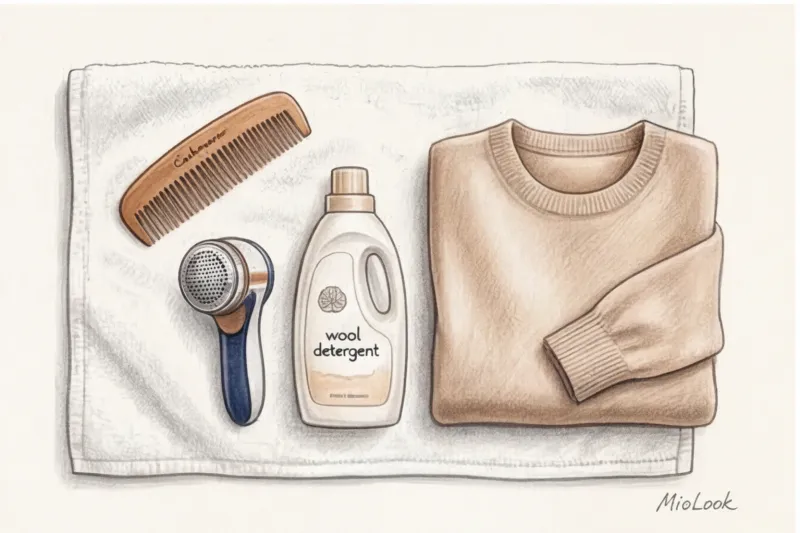
Чтобы вернуть вещи первозданный вид, вам понадобятся правильные инструменты. Здесь многие совершают фатальную ошибку, применяя электрическую машинку от катышков абсолютно для всех видов свитеров. Запомните техническое правило: машинка с вращающимися лезвиями отлично подходит для плотной гладкой шерсти, мериноса и смесовых составов. Но если вы пройдетесь ей по пушистому кашемиру или воздушной альпаке, лезвия срежут не только катышки, но и сам ворс, истончая нить вплоть до микроразрывов. Для деликатной пряжи используйте исключительно специальный кашемировый гребень — он бережно вычесывает свалявшиеся волокна, не повреждая структуру основного полотна.
Стирка трикотажа — это отдельная наука. Натуральная шерсть имеет белковую структуру, похожую на человеческий волос. Обычный стиральный порошок с агрессивными щелочами и энзимами буквально пересушивает и разрушает нити. Я рекомендую использовать только специализированные жидкие средства с добавлением ланолина — природного животного воска, который возвращает пряже первоначальную эластичность. Температура воды строго не должна превышать 20–30°C (причем как при стирке, так и при полоскании, иначе от резкого перепада температур вещь сядет на три размера). Сушка разрешена только в горизонтальном положении на сухом махровом полотенце, вдали от батарей.
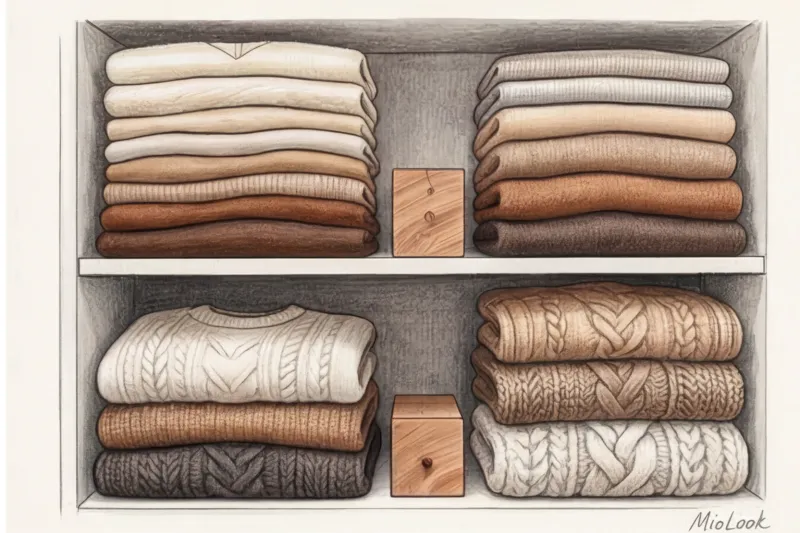
Финальный этап, на котором гибнет львиная доля хороших вещей — хранение. Недавно ко мне на разбор гардероба принесли роскошный базовый пуловер Jil Sander, у которого линия плеч вытянулась почти до локтей. Причина банальна: вещь полгода висела на плечиках. Свитеры категорически нельзя вешать. Под воздействием гравитации тяжелое вязаное полотно деформируется, безвозвратно растягивая горловину и проймы. Трикотаж должен храниться исключительно в сложенном виде на полке. А чтобы не забыть, что именно лежит в объемных стопках, я советую оцифровать свои теплые вещи через MioLook — так весь ваш сезонный арсенал будет перед глазами прямо в смартфоне, позволяя составлять образы без необходимости перерывать весь шкаф.
Заключение: инвестиции в тепло и стиль
Свитер — это не просто утилитарный слой ткани, чтобы пережить холода. Если мы посчитаем финансовый показатель Cost Per Wear (цена за одно надевание), базовый качественный трикотаж обходит по рентабельности даже классические джинсы. Как мы убедились, различные виды свитеров — это не случайные покупки на зиму, а точные инструменты управления вашими пропорциями и производимым впечатлением.
V-образный пуловер работает как графичный вектор, вытягивая шею и транслируя собранность делового дресс-кода. Объемный chunky knit, напротив, говорит о расслабленности и, парадоксальным образом, подчеркивает хрупкость фигуры за счет контраста объемов. Гладкая водолазка служит идеальным архитектурным холстом для акцентных украшений, а фактурный кардиган добавляет образу ту самую статусную многослойность.
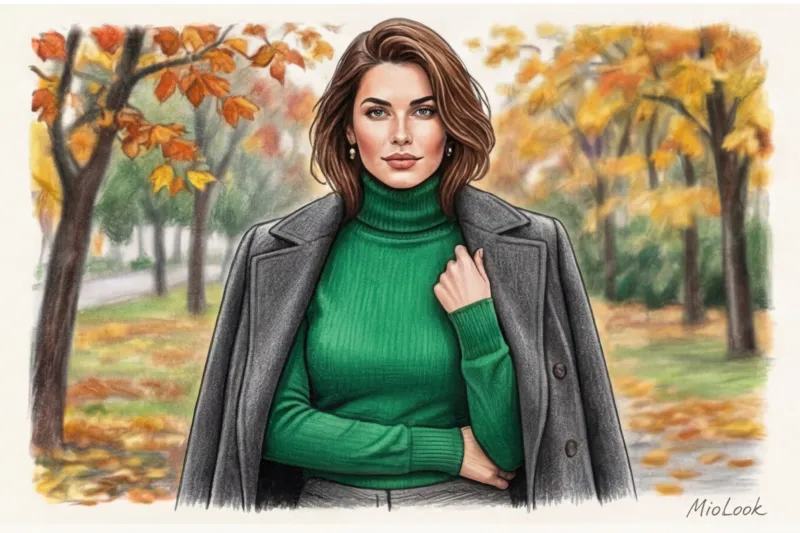
Вместо того чтобы завтра утром снова стоять перед полкой с мыслью «мне нечего надеть, хотя шкаф не закрывается», я предлагаю вам провести безжалостную ревизию. Достаньте абсолютно все теплые вещи. Первым делом избавьтесь от «уставшего» 100% акрила. Если вещь скрипит под пальцами, электризует волосы при снятии, а на животе и внутренней стороне рукавов образовался непробиваемый панцирь из катышков — ее время вышло. Даже если этот джемпер стоил всего 20 евро на распродаже, он ежедневно ворует у вас уверенность в себе и удешевляет любой, даже самый продуманный образ с дорогой обувью.
Оставшиеся вещи проанализируйте на предмет визуального разнообразия. Одна из моих клиенток, топ-менеджер IT-компании, жаловалась на тотальную скуку в зимнем гардеробе. При разборе мы обнаружили двенадцать абсолютно одинаковых гладких джемперов серого и черного цвета. Гардероб буквально «спал». Мы заменили половину из них на фактурные вещи: добавили аранский свитер молочного оттенка, изумрудный кардиган крупной вязки и терракотовый свитер-поло. Образы мгновенно стали глубокими и статусными без добавления кричащих принтов. Оцените честно: каких фактур не хватает именно вам?
Чтобы не совершать импульсивных покупок и точно знать, что новая вещь идеально интегрируется в вашу капсулу, перенесите управление стилем в цифровую плоскость. Загрузите прошедший строгий отбор трикотаж в MioLook. Алгоритмы приложения помогут наглядно оценить палитру ваших свитеров и подскажут, какие оттенки будут максимально выигрышно работать с вашим цветотипом у лица. Вы сможете виртуально примерить новые фактуры к вашим любимым брюкам или юбкам еще до похода в магазин, составляя десятки новых комплектов из того, что у вас уже есть.
Моя философия как колориста и стилиста неизменна: вы не обязаны мерзнуть ради элегантности, и вы не должны выглядеть бесформенно ради тепла. Компромисс между комфортом и стилем — это иллюзия, которую нам навязывает масс-маркет. Когда правильный природный оттенок пряжи подсвечивает кожу, кеттлеванный шов идеально ложится по плечу, а натуральный состав греет, но дышит — вы транслируете абсолютную уверенность. Инвестируйте в правильные формы, не бойтесь сложных фактур и помните: ваш идеальный свитер — это тот, в котором вы чувствуете себя роскошно даже в самый промозглый февральский понедельник.
Главы гайда
Что такое кардиган: виды, история и правила стилизации
Что такое свитер: виды, отличия и правила сочетания
Что такое водолазка: определение, история и с чем носить
Что такое свитшот: определение, отличительные черты и стиль
Что такое худи: определение, особенности и с чем носить
Что такое пуловер: особенности кроя и отличия от свитера
Что такое джемпер: виды, отличия и с чем носить
Что такое толстовка: виды, материалы и с чем носить
Кашемир: что это за ткань, свойства и правила ухода
Что такое лонгслив: определение и виды | Модный глоссарий
Ткань футер: что это такое, виды материала и правила ухода
Шерсть мериноса: что это за материал, свойства и уход
Шерсть альпаки: что это, виды и правила ухода | Глоссарий
Стиль кроше: что это такое, особенности и с чем носить
Что такое бадлон: история вещи, отличия от водолазки и с чем носить
Бадлон — это не просто петербургский синоним водолазки, а базовая вещь с интересной историей, которая легко вписывается в любой многослойный образ.
Ангора: что за ткань, свойства и правила ухода
Мохер: что это за ткань, виды и свойства материала
Ткань кашкорсе: что это такое, свойства и применение
Жаккард в вязании: что это такое, виды и с чем носить
Ткань рибана: что это, состав, свойства и правила ухода
Принт аргайл: что это за узор, история и с чем его носить
Аргайл давно вышел за рамки формы для гольфа и стал базовым элементом стилей преппи и dark academia.
Меланж в одежде: что это за цвет, виды ткани и сочетания
Букле: что это за ткань, свойства и с чем носить
Что такое пончо: определение, виды и с чем носить
Что такое араны в вязании: виды узоров и с чем носить
Араны — это традиционная ирландская техника рельефного вязания, которая превращает обычный свитер в теплый и фактурный акцент гардероба.