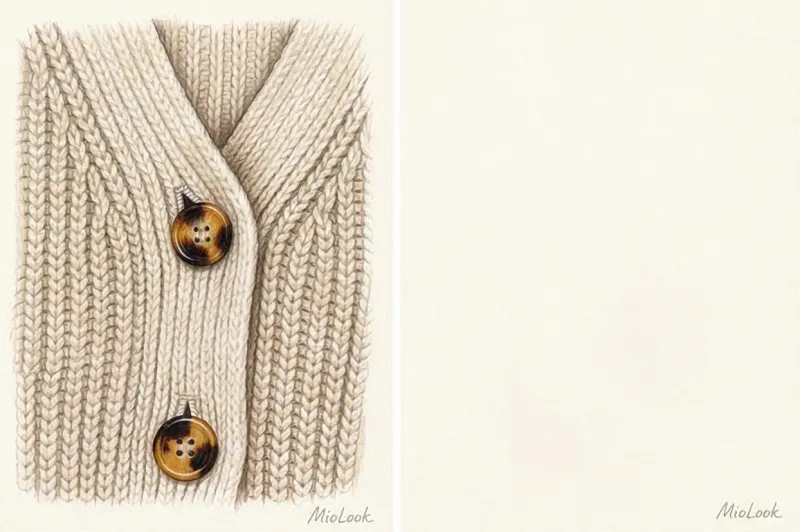
What is a cardigan?
Cardigan A knitted garment with a full-length front slit that can be fastened with buttons, a zipper, snaps, or worn open. The main difference between this garment and a sweater or jumper is the front placket with fastenings, eliminating the need to pull the garment over the head.
The term comes from James Brudenell, 7th Earl of Cardigan. During the Crimean War, he popularized this garment as a practical, insulating uniform element that was easily removed and did not restrict movement.
Main types
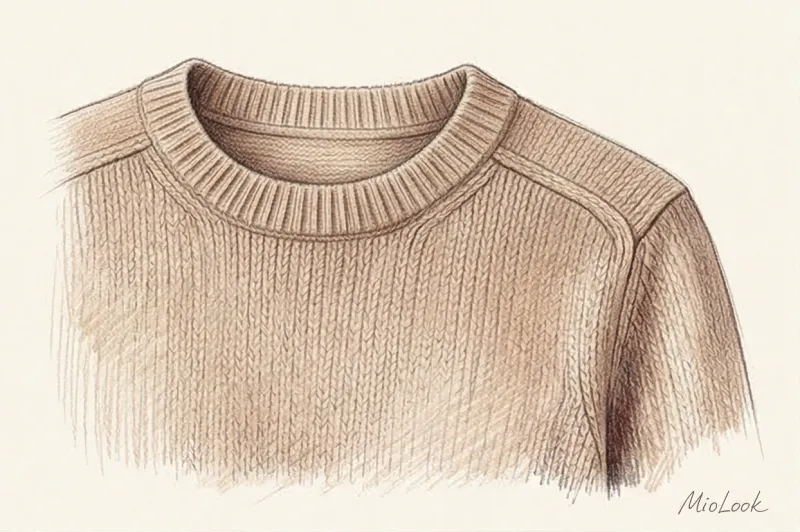
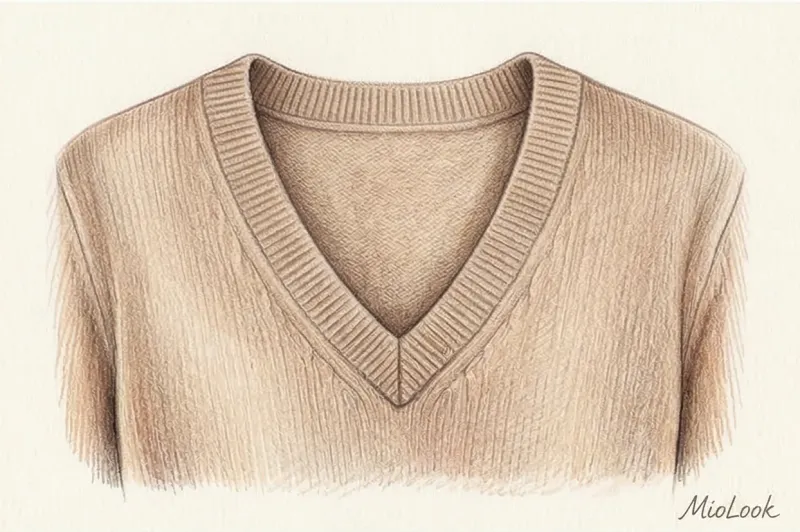
A classic cardigan is made from smooth, fine knit fabric—wool, cashmere, or cotton. The traditional style features a V-neck or crew neckline and set-in sleeves with standard shoulders.
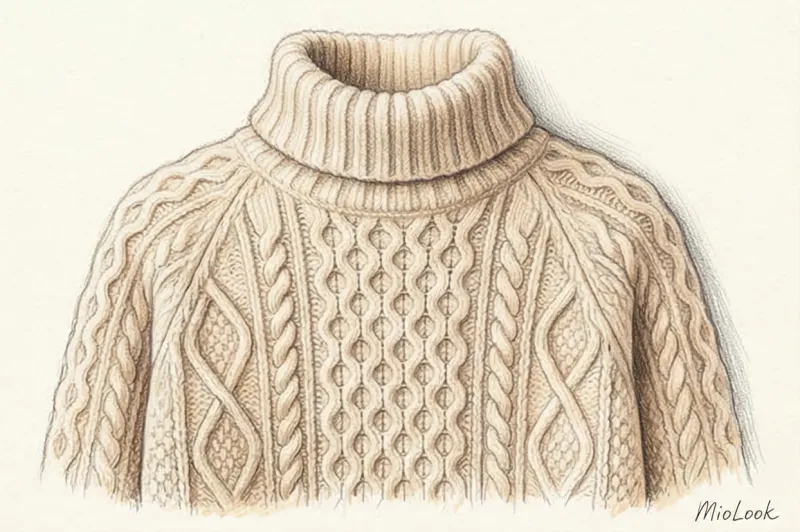
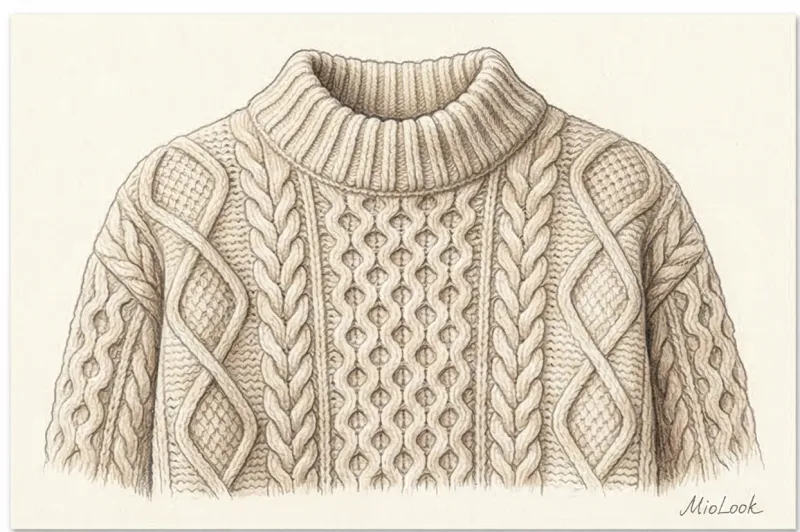
Oversized (chunky knit) styles feature chunky textured knits, a loose silhouette, and dropped armholes. During the off-season, thick, voluminous cardigans often replace lightweight outerwear, serving as an alternative to windbreakers or light coats.
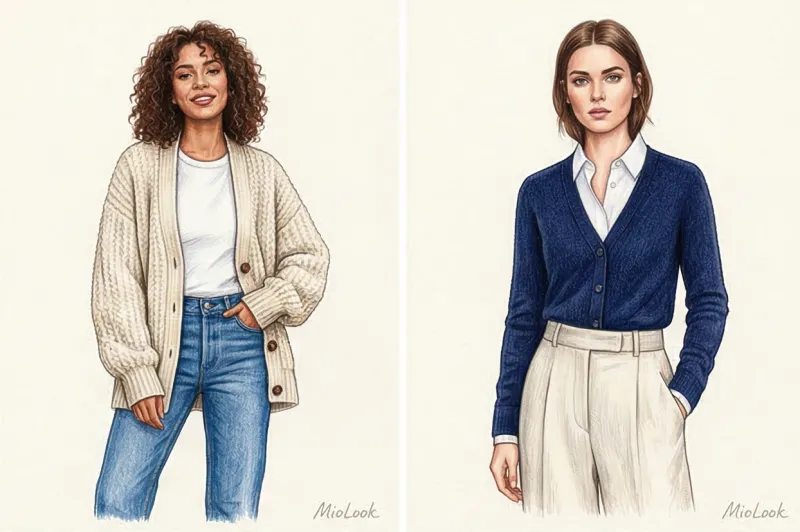
A crop cardigan is a waist-length cardigan that falls just above the waist. This design complements high-waisted waistbands proportionally.
Longer versions (maxi) cover the hips and can reach to the ankle. Long cardigans are often made without buttons and are worn open or secured at the waist with a wide fabric or leather belt.
What to combine with
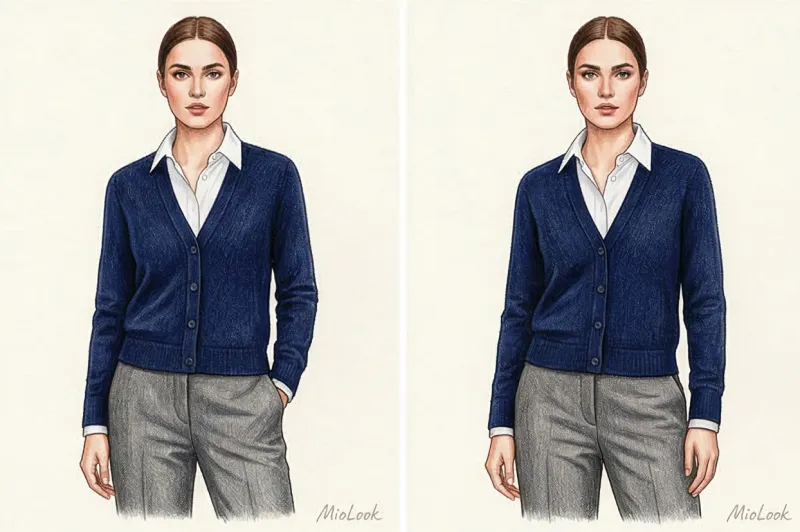
For a smart-casual business look, a thin, basic cardigan is worn over a classic shirt or blouse, with the collar untucked. Dressy wool trousers or a pencil skirt are worn underneath.
For everyday looks, oversized chunky knits are paired with basic white T-shirts and straight-leg jeans. The look is completed with flat shoes—leather loafers, brogues, or minimalist sneakers.
This trendy style allows you to wear a cropped cardigan as a standalone wardrobe item. It fastens with all the buttons and can be worn over a top or blouse.
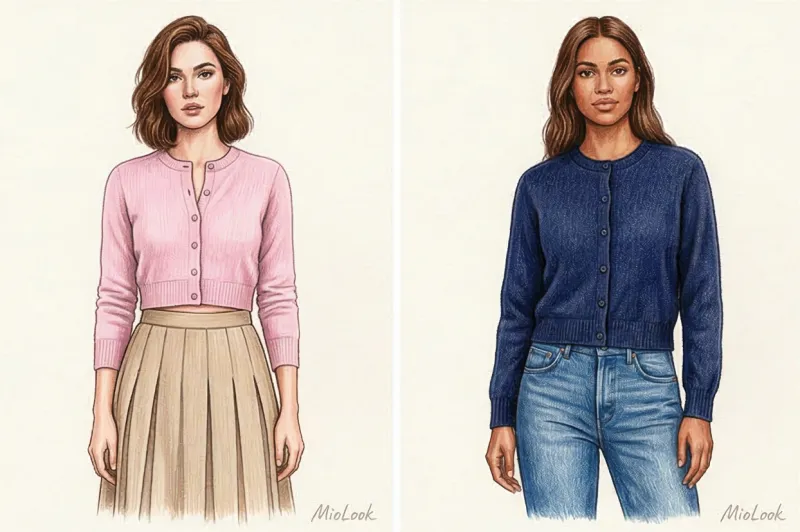
In this version, the cardigan pairs harmoniously with wide palazzo trousers, straight-leg jeans or flowing silk midi-length skirts.