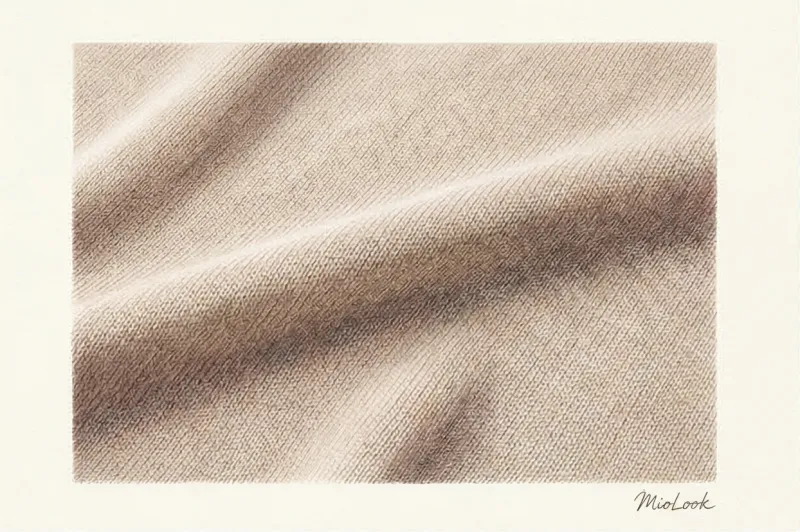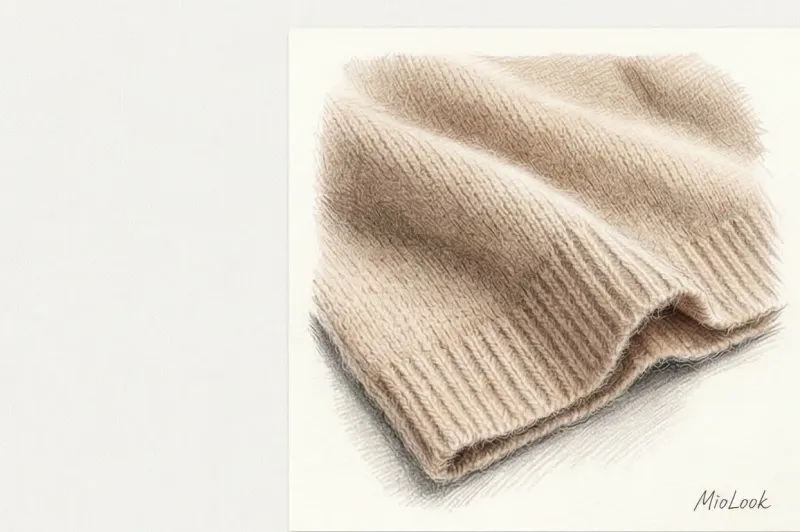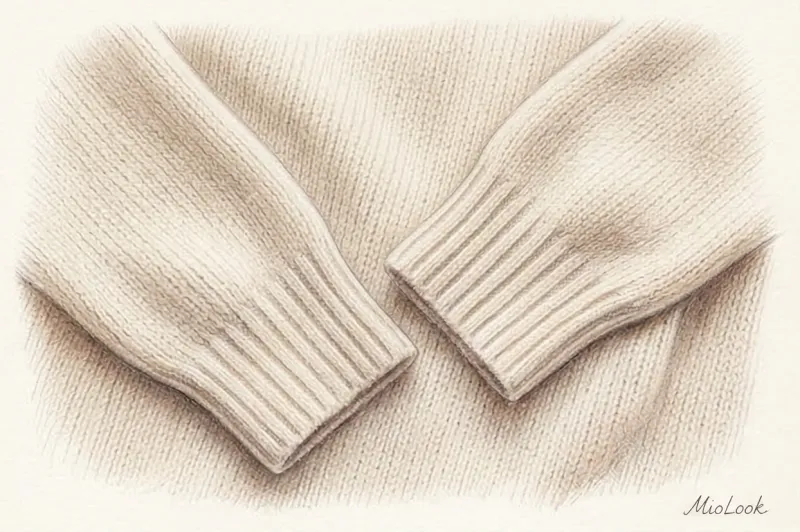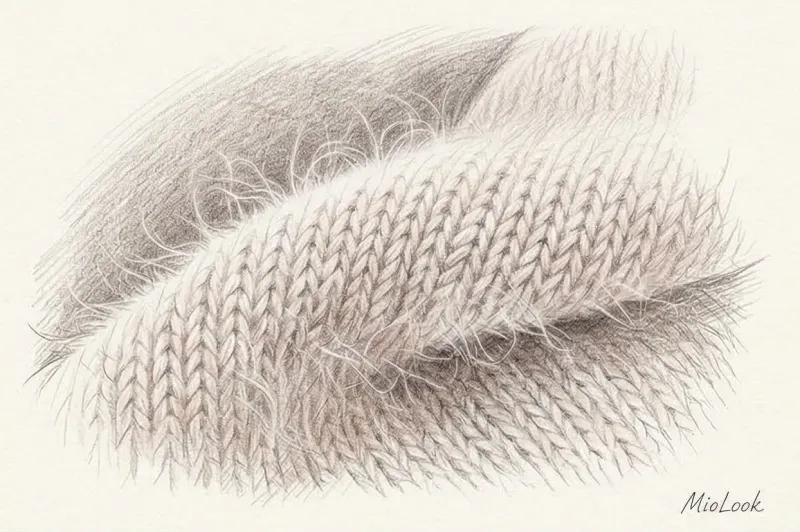
What is Merino wool?
Merino — is a natural fiber obtained from a special breed of fine-wool sheep, historically bred in Spain. This breed is adapted to extreme temperature fluctuations in harsh climates, which determines the unique properties of its fleece.
The main physical characteristic of merino wool is its extremely fine fibers. Their thickness ranges from 15 to 24 microns, which is several times finer than a human hair. Currently, Australia and New Zealand are the main suppliers of the highest-quality raw materials for the textile industry.
Distinctive features of the material
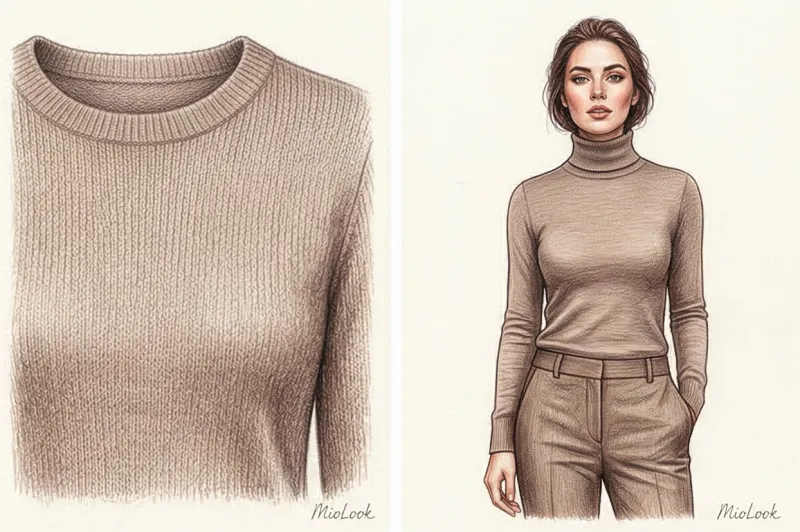
Thanks to the fineness and flexibility of the fibers, the material is non-prickly and non-irritating to the skin. This allows merino wool to be used in base layers, including thermal underwear, turtlenecks, and thin sweaters worn next to the skin.

Merino wool has excellent thermoregulation properties. Active fibers respond to body temperature, trapping warm air in microcavities in cold weather and wicking away excess heat when overheated. The material can absorb up to 30% of its own weight in moisture while remaining dry to the touch.
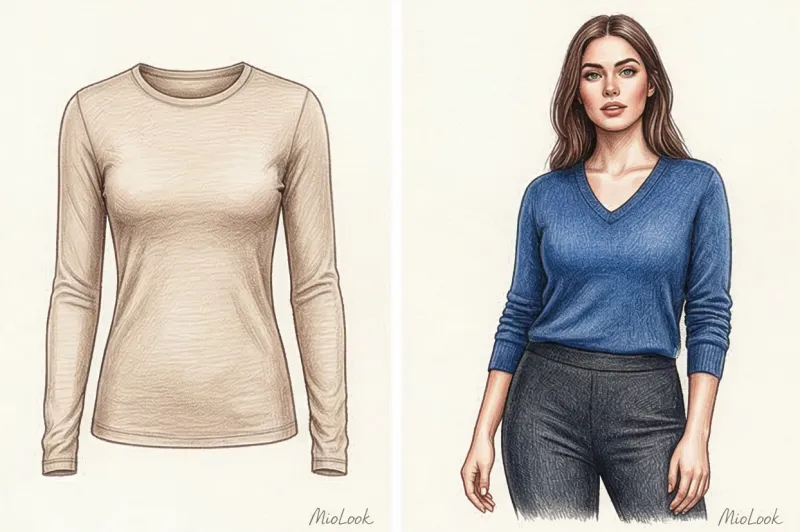
The natural animal wax (lanolin) present in the fibers prevents the growth of odor-causing bacteria. Merino yarns are naturally elastic and springy when stretched. Knitwear made from this material holds its shape well, does not stretch at the elbows and knees, and is virtually wrinkle-free.
How to care
Merino wool products require careful handling to preserve the fiber structure. They can be hand washed or machine washed on a special "Wool" delicate cycle. Water temperature should not exceed 30°C. For cleaning, use liquid detergents that do not contain enzymes, which can destroy the protein compounds in the natural wool.
When spinning, do not wring out the garment; remove excess moisture by gently patting it with a terry towel. Dry only horizontally on a flat surface. Store the garment away from direct sunlight and heating devices to prevent shrinkage and deformation of the knitted fabric.
Merino wool garments should be stored folded on shelves. Using hangers can cause the garment to stretch under its own weight. Natural repellents, such as sachets of dried lavender or cedar blocks, can be used to protect against moths.