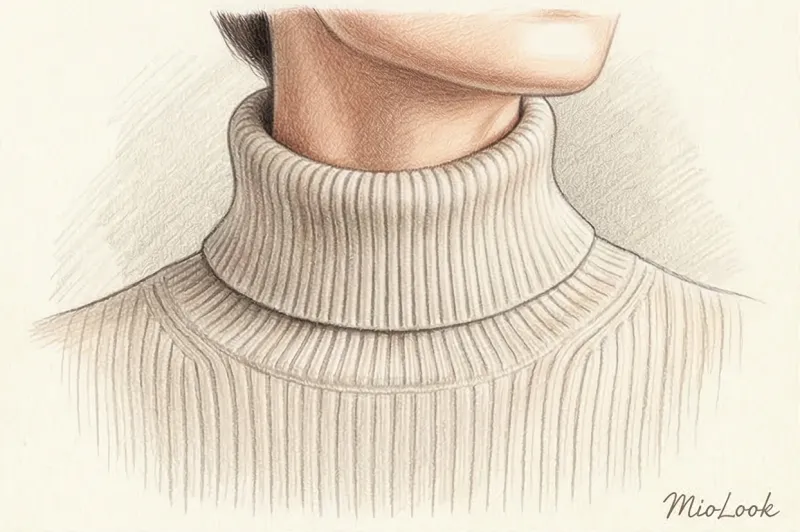
What is a turtleneck?
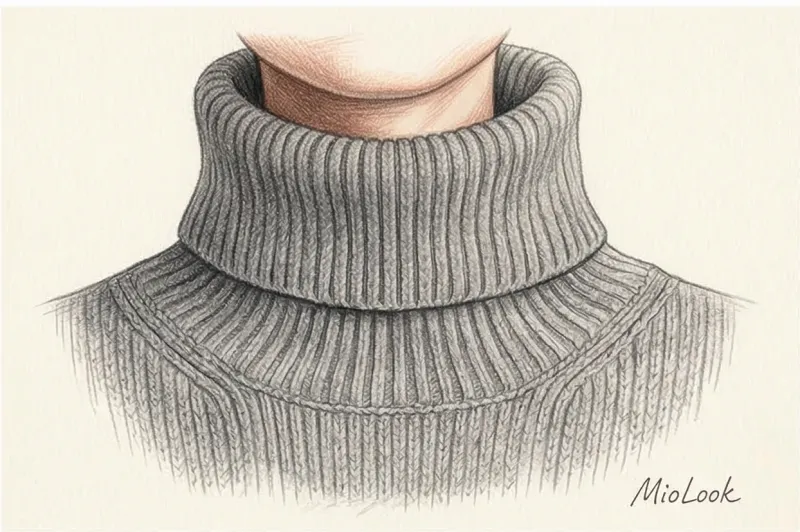
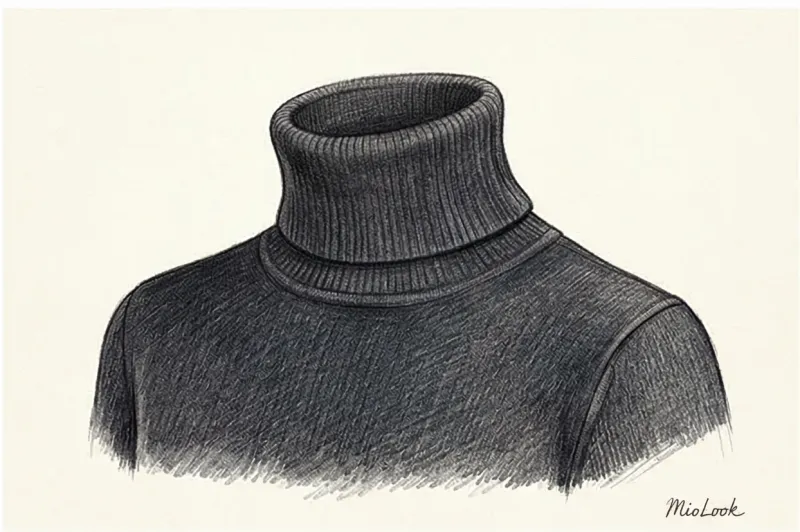
turtleneck (also known as a turtleneck or turtleneck) is a thin, fitted sweater with a high collar that completely covers the neck.
The Russian name for this garment derives from its original utilitarian purpose. In the late 19th century, divers wore this garment under their metal diving suits: the high collar protected the neck from hypothermia and harsh friction against the metal.
Historically, the turtleneck was part of the uniform of sailors, pilots, and race car drivers who needed protection from the cold wind. In the mid-20th century, it moved from the category of workwear to a basic element of everyday wardrobe.
Distinctive features
The turtleneck's main element is the collar. It's a high neckline that fits snugly around the neck and is often folded into one or two lapels.
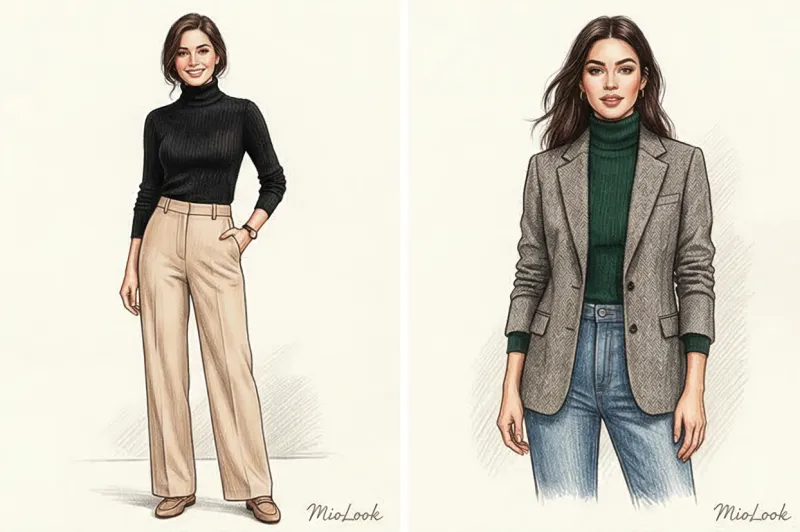
The silhouette of the product is traditionally fitted or semi-fitted. The absence of bulky details, patch pockets, and complex embellishments makes the turtleneck an ideal base layer without adding unnecessary bulk under outerwear.
Turtlenecks are made from stretchy materials that retain their shape after being stretched. These are most often fine, smooth knits, merino wool, cashmere, and also cotton or viscose with added elastane.
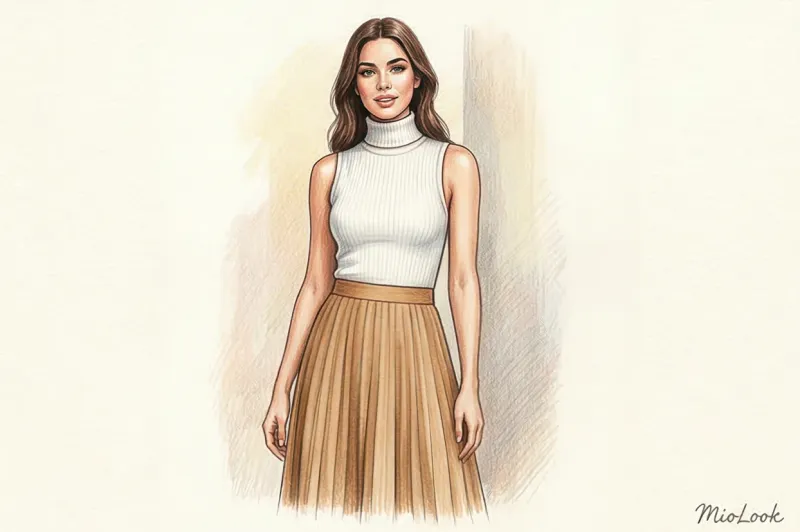
What to combine with
In a business wardrobe, a classic solid-color turtleneck is used as a softer alternative to a formal shirt. It's worn under a single- or double-breasted jacket, or as part of a classic pantsuit.

In layered looks, a turtleneck serves as a warming base layer. It's paired with heavy cotton shirts, leaving the top buttons undone, and also worn under slip dresses, sundresses made of thick fabric, or oversized V-neck sweaters.
For everyday wear, the basic model pairs harmoniously with straight, full-length jeans, denim or wool midi skirts, and trousers made of genuine or faux leather.