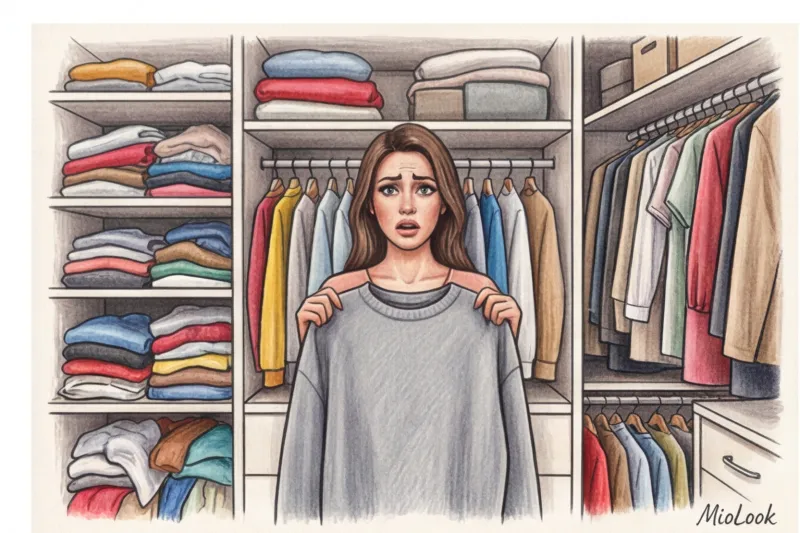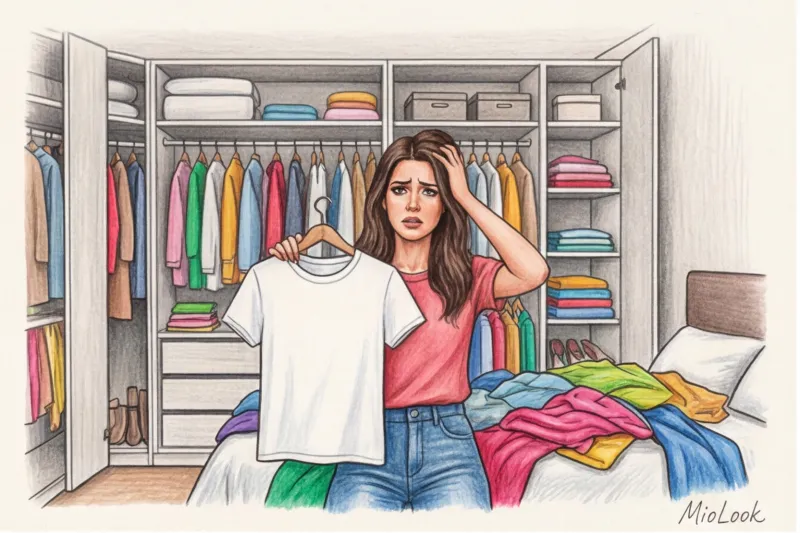
«У меня сорок шелковых блузок, Камилла, но каждое утро я надеваю одну из трех дежурных водолазок», — сказала мне на прошлой неделе топ-менеджер крупной IT-компании, глядя на свою гардеробную размером с небольшую студию. Это классический сценарий. Мы привыкли думать, что проблема утреннего ступора кроется в нехватке базовых футболок, плохой насмотренности или дефиците вешалок. Но за 12 лет работы стилистом я усвоила один фундаментальный урок: женщины крайне редко страдают от физической нехватки одежды. Мы страдаем от дефицита готовых стилистических формул.
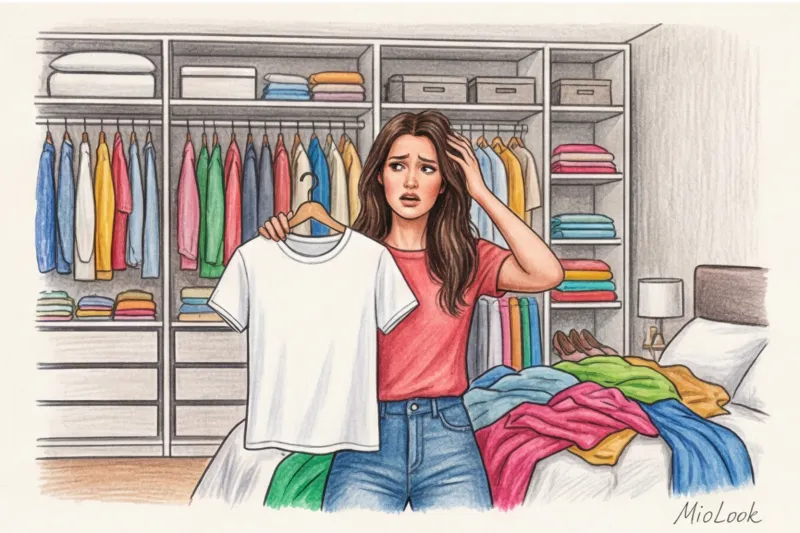
Если вы каждое утро смотрите на плотные ряды рейлов и чувствуете подступающую панику, знайте: полный шкаф, а надеть нечего — причины этого состояния лежат не в плоскости моды, а в когнитивной психологии. Подробнее об этом мы рассказали в нашем полном гиде по психологии гардероба, но сегодня я хочу разобрать анатомию этого визуального шума на молекулы и объяснить, почему популярные советы в духе «просто выбросьте половину вещей» на самом деле только усугубляют ситуацию.
Феномен «полный шкаф, а надеть нечего»: психологические причины ступора
Чтобы понять, почему изобилие нас парализует, обратимся к науке. В 2004 году американский психолог Барри Шварц опубликовал знаковую книгу «Парадокс выбора». Его теория идеально описывает то, что происходит в наших гардеробных каждое утро.
Представьте, что у вас есть капсула всего из 25 вещей (включая обувь и аксессуары). Математически из них можно составить более 1500 комбинаций. Когда вы открываете шкаф, где висит не 25, а 150 или 300 единиц одежды, ваш мозг сталкивается с астрономическим количеством возможных решений. Возникает когнитивная перегрузка. Защитная реакция психики в этот момент — отказаться от выбора вообще и потянуться к проверенному, безопасному варианту: тем самым джинсам и черной водолазке.
«Каждая новая вещь в несистематизированном шкафу не дает вам больше свободы. Она отнимает вашу энергию на принятие решений».
Ловушка «Фантазийного Я»: для кого вы покупаете одежду?
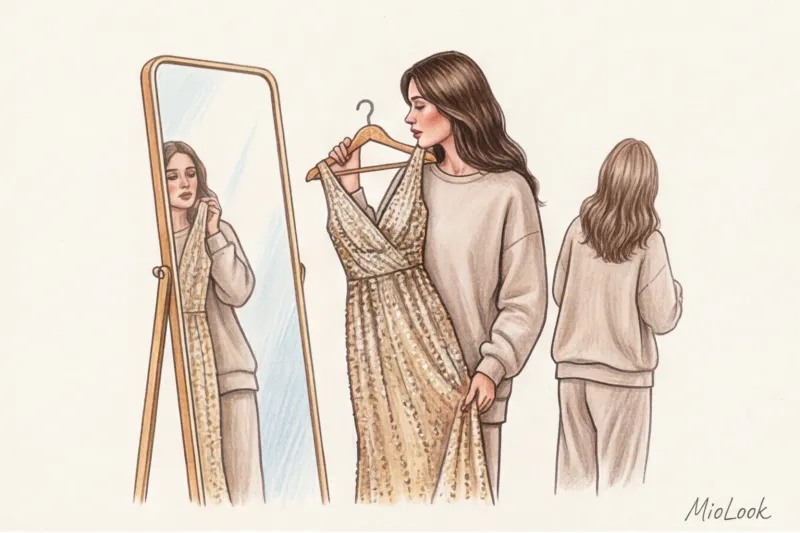
Одна из главных причин захламления — концепция «Фантазийного Я» (Fantasy Self). Мы регулярно покупаем одежду не для той жизни, которой живем прямо сейчас, а для идеализированной версии себя. Вы работаете из дома и проводите дни в зуме? Но почему-то покупаете строгие костюмы-тройки. Ездите на работу на метро с двумя пересадками? Но в шкафу выстроилась армия туфель на 12-сантиметровых шпильках.
Диссонанс между реальным образом жизни и наполнением шкафа порождает чувство вины. Вещи висят как немые упреки. Если вы узнали себя, рекомендую изучить наш гайд по созданию капсульного гардероба для фрилансера — он помогает примирить реальность удаленки с желанием выглядеть собранно.
Эмоциональный багаж на вешалках: почему мы храним то, что не носим
Гардероб подчиняется закону Парето: 80% времени мы носим лишь 20% вещей. Остальные 80% объема — это наш эмоциональный багаж, материализованный в тканях.
В поведенческой экономике есть термин «Ошибка невозвратных затрат» (Sunk Cost Fallacy). На моей практике была клиентка, которая три года хранила в чехле вечернее платье Prada за 2000 € с нетронутой биркой. Она купила его на пике карьеры, чтобы отпраздновать повышение, но повод надеть его так и не представился. Продать его на ресейл-платформе за 500 € казалось ей предательством собственных амбиций. Каждый раз, открывая шкаф, она спотыкалась об это платье взглядом, и вместо радости получала микродозу стресса.
Секция ожидания: вещи «когда я похудею»
Отдельный вид психологического мазохизма — полка с одеждой на два размера меньше. Многие женщины искренне верят, что узкие джинсы из 2018 года будут служить мотивацией для похода в спортзал. Реальность же такова: эта одежда ежедневно саботирует вашу самооценку.
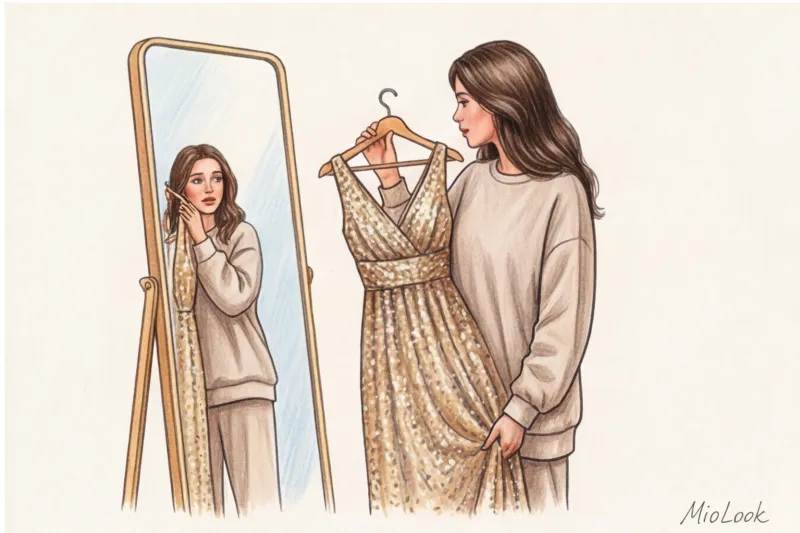
Одежда должна обслуживать ваше тело в его нынешнем состоянии, а не тело должно подстраиваться под кусок хлопковой ткани с эластаном. Если вы готовы отпустить этот груз, почитайте о том, куда сдать старую одежду для экологичного расхламления.
Вещи-одиночки и клоны: анатомия импульсивного шопинга
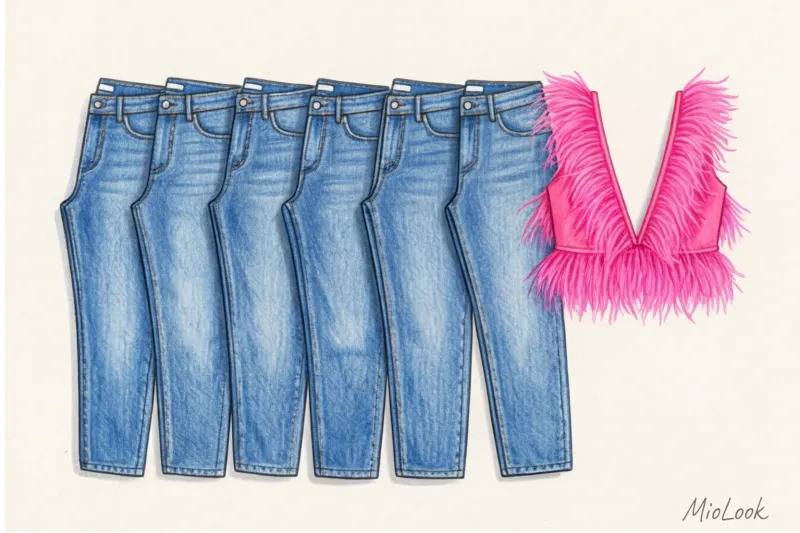
Исследование потребительского поведения от McKinsey (2024) показывает, что более 60% покупок в сегменте fast fashion совершаются импульсивно. Такие бренды, как Zara или H&M, гениально эксплуатируют нашу дофаминовую петлю. Мы покупаем неоновый топ с перьями марабу не потому, что он решает стилистическую задачу, а ради мгновенного всплеска эндорфинов после тяжелой рабочей недели.
В результате в шкафу появляются две категории вредителей:
- Вещи-одиночки: эффектные, но абсолютно не вписывающиеся в ваш стиль предметы. Чтобы надеть такую юбку сложного кроя, вам придется докупить к ней «спокойный» топ, нейтральную обувь и правильные колготки. Итог: вещь висит мертвым грузом.
- Клоны: когда вы не знаете, что у вас уже есть, вы покупаете седьмую белую рубашку или десятые синие джинсы в бюджете 30–80 €, надеясь, что именно эта покупка все изменит. Спойлер: не изменит.
Контринтуитивный подход: почему радикальное расхламление вредит
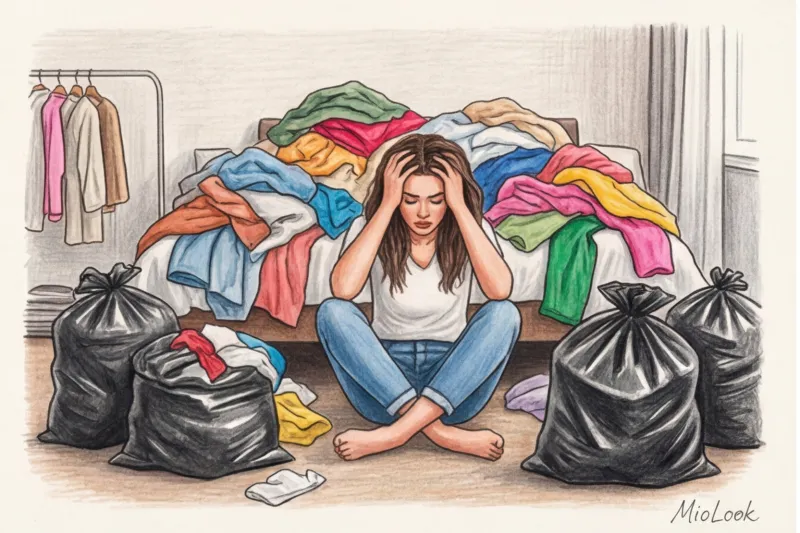
Сейчас я скажу то, с чем категорически не согласятся фанаты Мари Кондо и популярных шоу про организацию пространства. Радикальное расхламление за один день — это психологически травматичный опыт, который чаще всего дает обратный эффект.
Когда вы в приступе решимости сгребаете половину шкафа в черные мусорные мешки, мозг испытывает стресс потери. Возникает феномен мстительного шопинга (revenge shopping). Образовавшаяся пустота на вешалках вызывает панику: «Мне буквально не в чем пойти в офис!». В течение следующих 3-6 месяцев вы, поддавшись тревоге, скупите еще больше случайных вещей сомнительного качества, чтобы заполнить брешь. В гардеробе действует закон сохранения энергии: без изменения покупательских паттернов шкаф всегда возвращается к привычному объему.
Готовы начать осознанный подход?
Попробуйте бесплатный план MioLook — умный помощник проанализирует ваш гардероб без стресса и радикальных чисток.
Открыть доступ — €0,99 разовоПошаговая терапия: лечим шкаф, опираясь на психологию
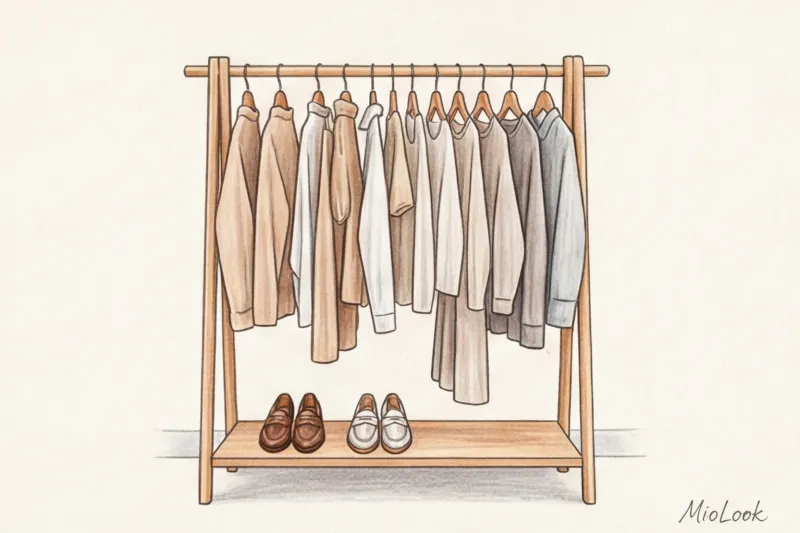
Если радикальная чистка не работает, как найти истинные причины того, почему полный шкаф, а надеть нечего, и исправить ситуацию? Я использую со своими клиентами метод постепенного аудита.
- Составьте «Диаграмму жизни». Честно распишите, сколько процентов времени вы тратите на офис, дом, активный отдых и вечеринки. Если 70% вашего времени занимает работа с нестрогим дресс-кодом, а 60% шкафа составляют шелковые платья-комбинации и строгие жакеты — мы нашли корень проблемы.
- Техника «Слепого карантина». Не выбрасывайте спорные вещи сразу. Сложите их в непрозрачный контейнер и уберите с глаз на 30 дней. Это снимет эмоциональную привязанность. Если за месяц вы ни разу не вспомнили о вещи — с ней можно прощаться. Справедливое ограничение: этот метод не работает для ярко выраженной сезонной верхней одежды — пуховик летом прятать бессмысленно.
- Мыслите готовыми формулами, а не единицами. Перестаньте покупать «просто красивый свитер». Принося вещь в дом, вы должны сходу придумать с ней минимум 3-4 образа из того, что уже висит в шкафу.
Управление гардеробом без стресса: как технологии снижают тревогу
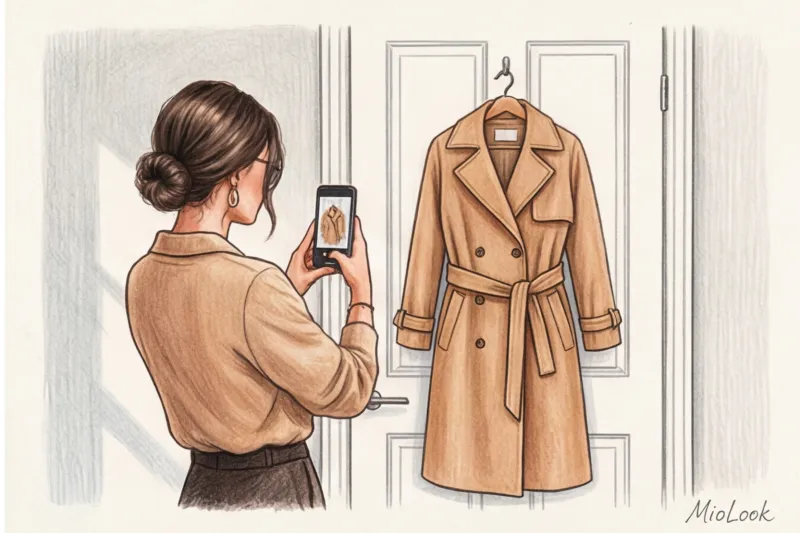
Запомнить состав шкафа из 150 позиций физически невозможно. Именно поэтому технологии становятся лучшим антидепрессантом для шопоголиков. Оцифровка гардероба отключает эмоции и включает холодную логику.
Когда клиентка переносит свои вещи в приложение MioLook, происходит магия. Видя свои вещи в виде аккуратной сетки на экране смартфона, абстрагированно от брендов и стоимости, мозг перестает паниковать. Искусственный интеллект берет на себя математическую перегрузку, о которой писал Шварц, и выдает готовые комбинации на основе погоды и повода.
Ваш идеальный образ начинается здесь
Присоединяйтесь к тысячам пользователей, которые каждый день выглядят безупречно и экономят утреннее время с MioLook.
Открыть доступ — €0,99 разовоРезюме: от гардеробной тревоги к стилистической уверенности

Давайте начистоту: переполненный, трещащий по швам шкаф — это не признак богатства или тонкого вкуса. Чаще всего это индикатор нерешенных психологических запросов, страха перед будущим или ностальгии по прошлому. Синдром «надеть нечего» лечится не шопингом и не мусорными пакетами, а честным разговором с самой собой о том, кто вы есть сегодня.
Ваш гардероб — это просто инструмент. Он должен обслуживать вашу жизнь, экономить ваше время по утрам и дарить уверенность. Если сейчас он служит источником стресса, значит, пора перехватить управление. И начать стоит не с новой покупки, а с ревизии собственных привычек.