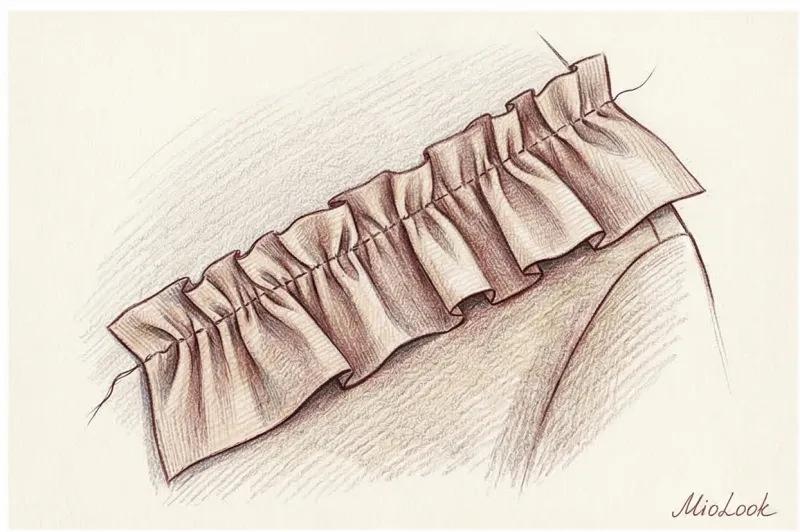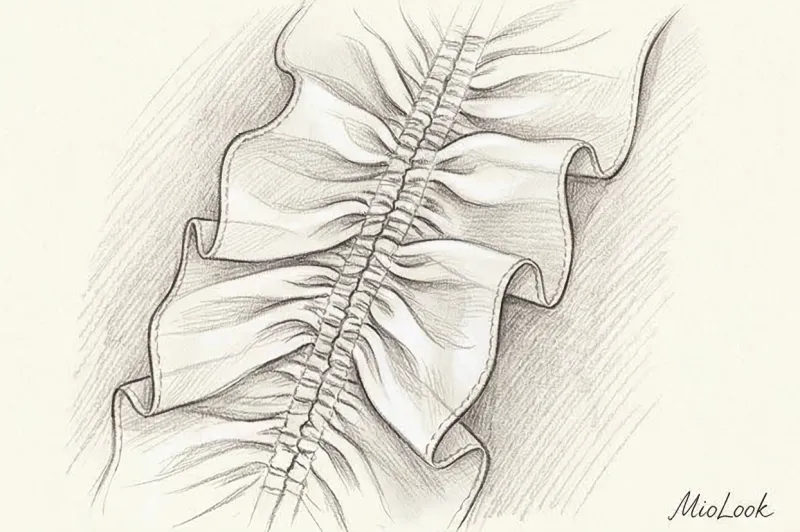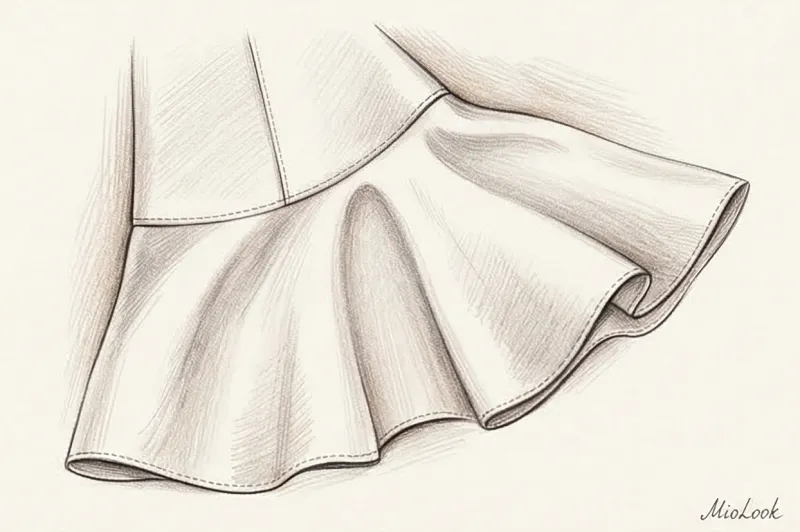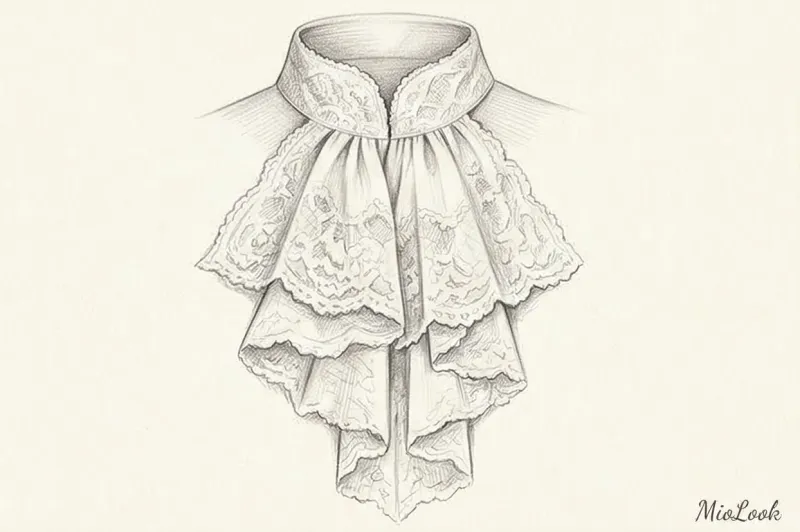
A jabot is a decorative clothing element featuring a cascading ruffle or lace frill descending from the neckline down the chest. It is constructed with tiered folds or pleats using delicate lace, sheer chiffon, or crisp cotton. It adorns formal blouses, dresses, and historical costumes.
What Is A Jabot In Fashion?
The term originates from the French language, initially describing a bird's crop, which perfectly illustrates the voluminous, protruding nature of this garment detail. When people ask what a jabot is, they are usually referring to the dramatic, cascading fabric seen on vintage-inspired blouses. Unlike a standard collar that frames the neck, this element focuses entirely on the chest area.
It serves as a powerful focal point, eliminating the need for heavy necklaces or scarves. By creating a strong vertical line down the center of the torso, it visually elongates the silhouette, making the wearer appear taller and leaner. Designers utilize this feature to add complex texture and movement to otherwise simple silhouettes, transforming a basic top into a statement piece.
The Historical Evolution Of Jabots
Understanding jabot meaning requires a brief look at its rich history. This distinctive element first appeared in Europe during the 17th century as a mandatory detail of aristocratic men's attire. Initially, it served a highly practical purpose: concealing the front buttoning of a shirt, which was considered underwear at the time. Wealthy noblemen wore extravagant versions crafted from handmade lace, signaling their high social status and wealth.
It made its way into women's wardrobes much later, becoming a true staple only in the mid-19th century. During the Victorian era, women began adopting tailored jackets and blouses that mimicked menswear, using the ruffled chest piece to retain a sense of femininity. In the 1980s, the detail experienced a massive resurgence through power dressing, where female executives wore silk blouses with soft chest ruffles under sharp, broad-shouldered suits. Today, it remains a beloved detail for designers exploring romantic, gothic, and vintage aesthetics.
Main Types Of Jabot Clothing
Modern variations of this element differ significantly in design, shape, and the materials used. They can completely transform the mood of an outfit, ranging from strictly professional to highly theatrical.
Classification By Attachment Method
Sewn-in models are integrated directly into the cut of a blouse or dress during the manufacturing process. The ruffle is permanently attached to the placket or collar, ensuring it always drapes perfectly without shifting throughout the day.
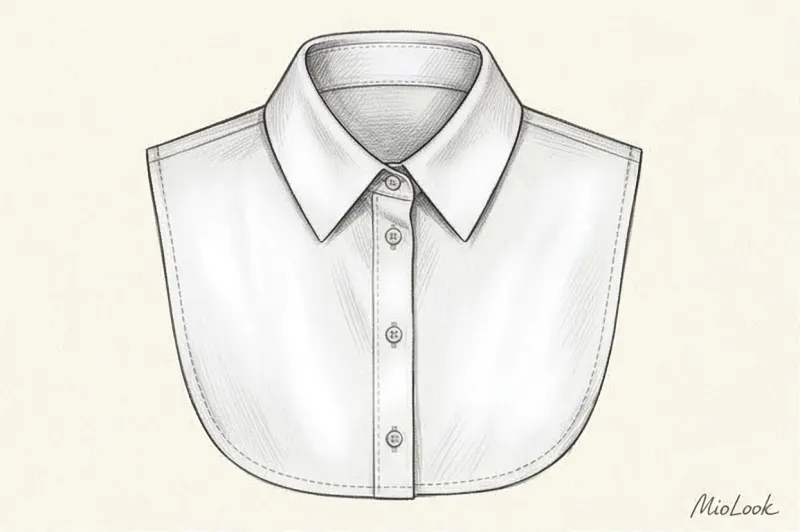
Detachable models function as stand-alone accessories. They are secured around the neck with a ribbon, a structured stand-up collar, a button, or a vintage brooch. This versatility allows you to attach the ruffle to a plain crewneck sweater, a simple button-down shirt, or even a bare neckline when wearing a low-cut jacket.
Classification By Shape And Volume
- Classic Cascades: Feature several tiers of fabric overlapping each other, creating maximum volume and a dramatic historical look.
- Bow-Jabots: Combine a traditional necktie or pussy-bow with a ruffled base, often with the ends tied neatly at the throat for a polished finish.
- Geometric Folds: Offer a more minimalist approach, using sharp, pressed pleats instead of gathered ruffles to create a structured, architectural aesthetic.
Characteristics Of Jabot Styles
| Style | Fit & Volume | Common Materials | Best Season |
|---|---|---|---|
| Classic Cascade | High volume, tiered | Lace, Chiffon | All seasons |
| Geometric Pleat | Flat, structured | Crisp Cotton, Organza | Spring, Fall |
| Bow-Jabot | Medium volume, tied | Silk, Satin | Winter, Fall |
| Detachable | Adjustable, standalone | Mixed materials | All seasons |
How To Wear A Jabot Today
Mastering jabot fashion relies on a precise balance of volumes and a clever combination of contrasting textures. Because the chest area carries so much visual weight, the rest of the outfit should generally remain streamlined.
Business And Office Attire
In a corporate wardrobe, a silk blouse with a simple, understated jabot pairs beautifully with a tailored single-breasted jacket and a high-waisted pencil skirt. This combination softens a strict formal dress code while maintaining a highly professional and put-together appearance. Opt for neutral tones like ivory, navy, or soft gray. The jacket lapels should sit flat to avoid competing with the volume of the blouse.
Casual And Everyday Looks
Everyday outfits thrive on a deliberate play on contrasts. An airy, romantic lace jabot looks exceptionally stylish when paired with rough, utilitarian textures. Tuck a ruffled blouse into thick denim jeans with a classic straight-leg cut. Alternatively, layer a smooth leather biker jacket over a sheer chiffon ruffle. The toughness of the leather and denim neutralizes the inherent sweetness of the lace, resulting in a balanced, contemporary aesthetic.
Evening And Theatrical Styling
Voluminous, heavily layered options are perfectly appropriate for evening wear and Victorian-inspired styles. For a dramatic entrance, these elaborate pieces are worn with textured velvet blazers, flowing silk palazzo pants, or thick, structured maxi skirts. Darker colors, such as deep emerald, burgundy, or classic black, enhance the dramatic flair of the cascading fabric.
Choosing The Right Material
The fabric dictates the final look and behavior of the frill. Traditional models rely on delicate lace, which offers intricate patterns and a lightweight feel. Translucent chiffon is favored for creating soft, flowing volume that moves gracefully with the wearer. For strict, geometric options, designers turn to dense cotton or shape-resistant silk organza, which hold sharp creases and maintain a rigid structure throughout the day.