What are Wayfarers?
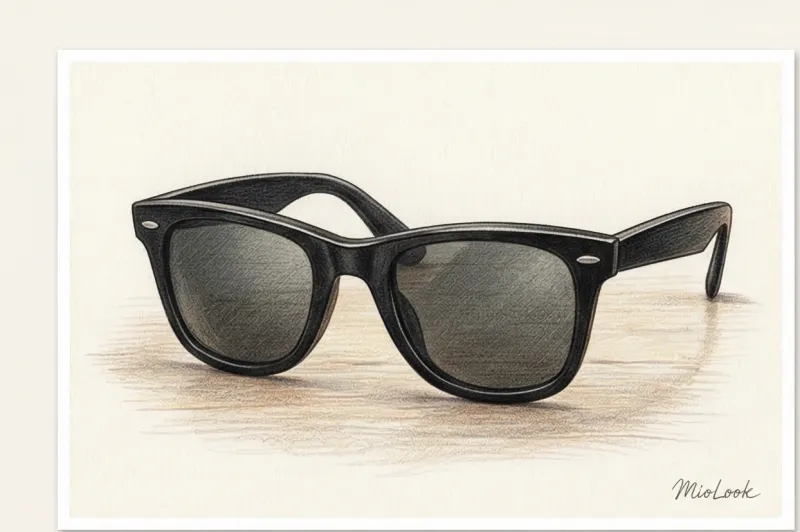
Wayfarers (from English) wayfarer Wayfarers (traveler, wanderer) are a classic style of sunglasses with a massive, trapezoid-shaped plastic frame. To understand exactly what Wayfarers are, it's important to note that they were the first plastic sunglasses to become a full-fledged alternative to thin metal frames.
The design was developed in 1952 by optical designer Raymond Stegeman for the Ray-Ban brand. The use of innovative materials for the time allowed for a durable and lightweight construction that quickly gained popularity.
The model gained cult status thanks to cinema. The glasses appeared on Audrey Hepburn in Breakfast at Tiffany's and on the leading characters in The Blues Brothers, and subsequently became the signature look of many musicians and actors.
Distinctive features
Wayfarer lenses have a trapezoidal shape, widening at the top and tapering slightly at the bottom. Visually, this contour often resembles an inverted D.

The oversized frames are made of cellulose acetate or molded plastic. The top line of the frame is almost straight, with a slight curve at the bridge. Small metal rivets, usually in the shape of an elongated oval or diamond, are located on the outer upper corners of the front.
The frame's geometry visually corrects round and oval faces. Straight lines and angles add structure and expressiveness to soft features, making the silhouette universal for a variety of face types.
What to combine with
For everyday style, classic black Wayfarers are a harmonious addition to basic outfits. They look great with a straight-leg cotton T-shirt, classic blue jeans, and a leather biker jacket.

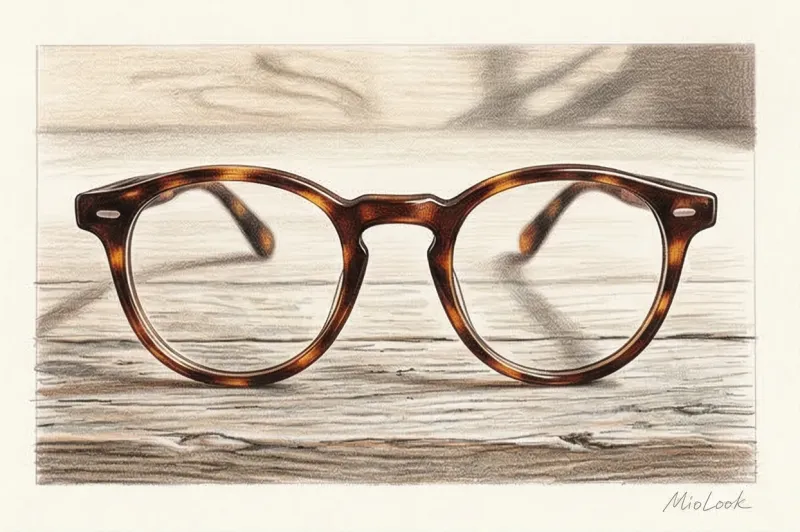
The tortoiseshell frame is perfect for smart-casual looks. This style pairs perfectly with an unstructured blazer, a polo shirt, and chinos.

In a summer wardrobe, Wayfarers pair seamlessly with lightweight linen shirts, sundresses, Bermuda shorts, and straw hats. Unlike sporty sunglasses, simple black Wayfarers without unnecessary embellishments are acceptable with a classic business suit in warmer weather.