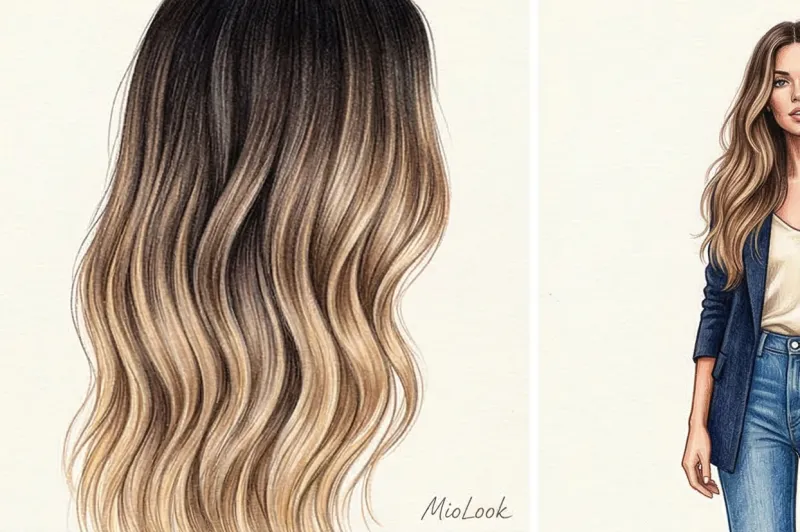
What is shatush?
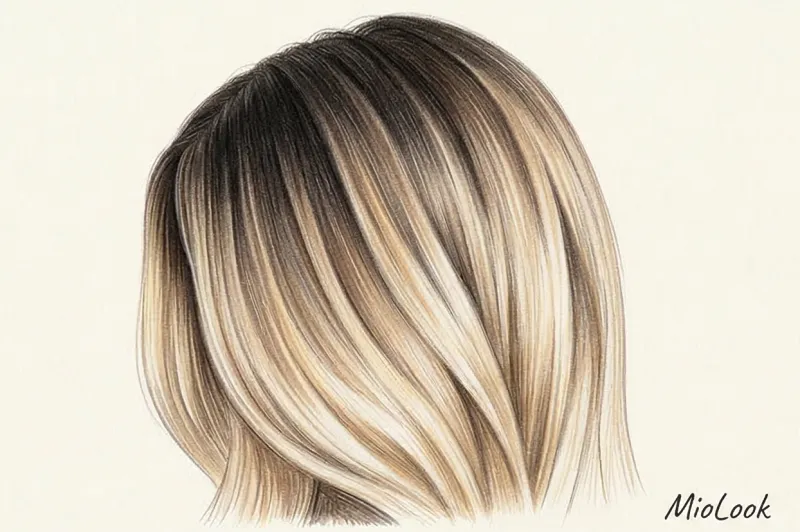
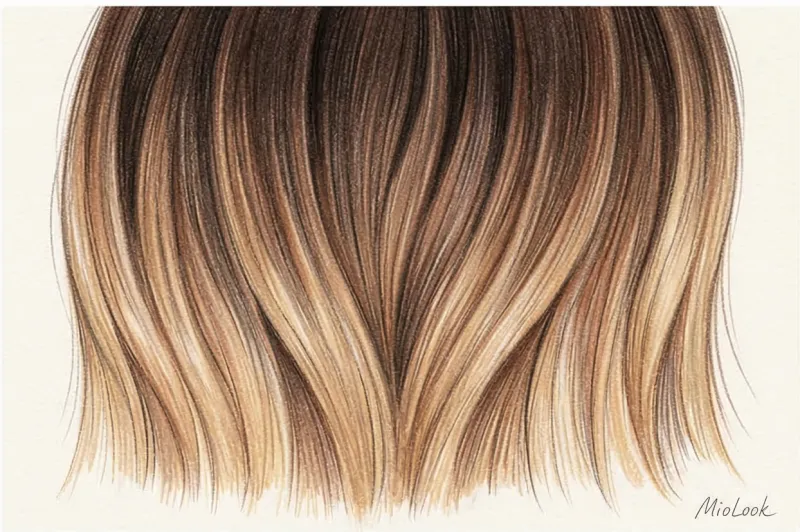
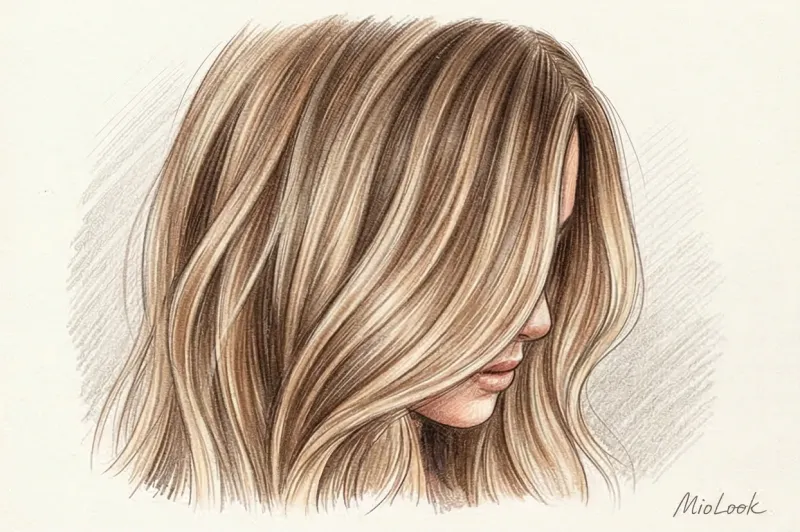
Shatush — is a hair coloring technique that creates the effect of natural sun-bleached hair strands with a smooth gradient from dark roots to light ends.
The technique was developed by Italian stylist Aldo Coppola, who pioneered the trend for maximum naturalness in color. The name refers to the finest premium wool of the Tibetan antelope (shahtoosh). This term symbolizes the status, softness of color transitions, and exclusivity of the procedure.
Unlike full-on lightening, this technique preserves the depth of natural color at the roots. Light highlights distributed along the lengths add visual volume and definition to the hairstyle.
Distinctive features
The key technical feature of the procedure is the mandatory preliminary backcombing of the strands before applying the lightening solution. This step prevents the appearance of harsh streaks and graphic lines during color stretching.
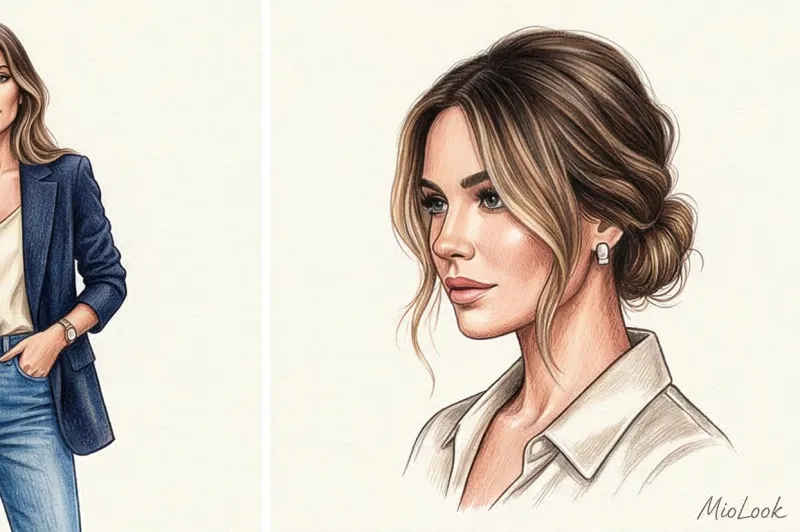
The coloring is done open-air: the colorist doesn't use foil, thermal paper, or a special cap. The lightening solution is applied in random, shallow strokes, well away from the roots, blending gently toward the ends to achieve a watercolor-like transition.
Shatush is visually distinct from related techniques. Unlike ombre, there is no clear horizontal boundary between shades. It differs from balayage in that it uses a backcomb, which allows for more precise control of the tone depth and creates a softer gradient.
How to wear
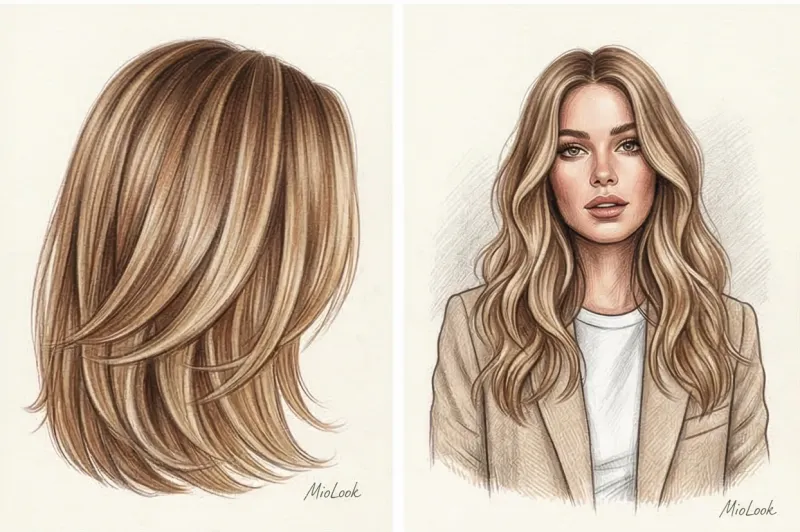
The color pattern is most effectively revealed on medium-length hair and layered cuts. This length allows for ample room to fully showcase the color's extensions.
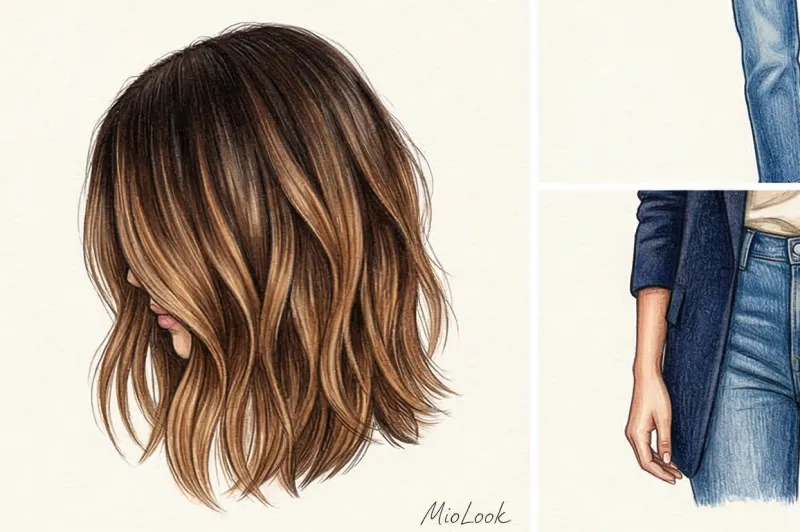
In casual and formal looks, shatush is beautifully accentuated by textured hairstyles and loose, casual curls (beach waves). The wavy texture enhances the play of light on the highlighted strands, making the color more multifaceted.
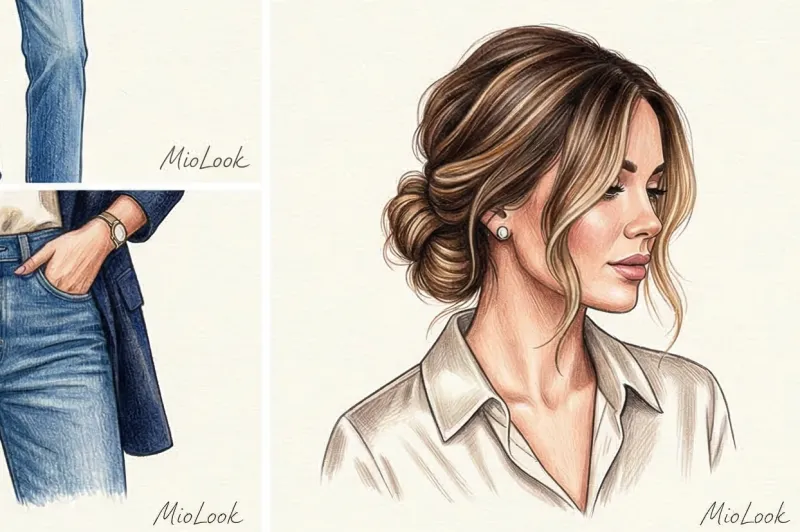
This technique fits seamlessly into the aesthetics of "quiet luxury" (old money) and smart casual style, as it mimics a natural, rather than artificial, hair color. Thanks to the gradual root growth, the style doesn't require monthly touch-ups. Color corrections are sufficient once every 3-6 months.