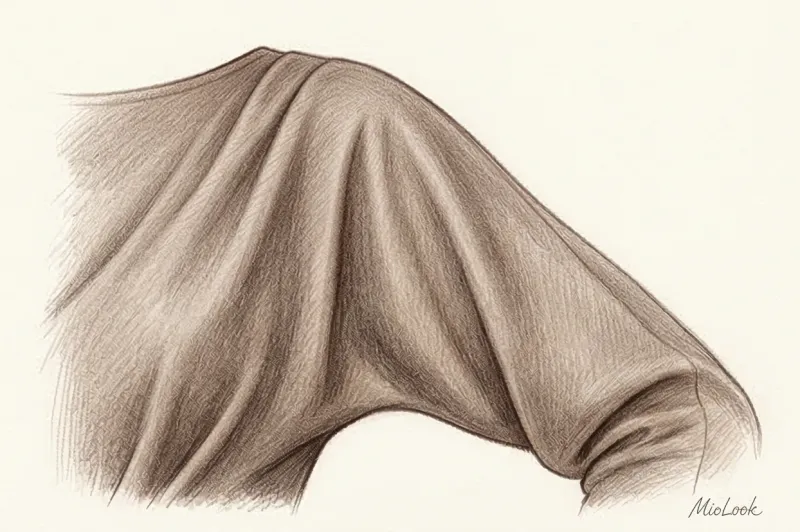
What is a one-piece sleeve?
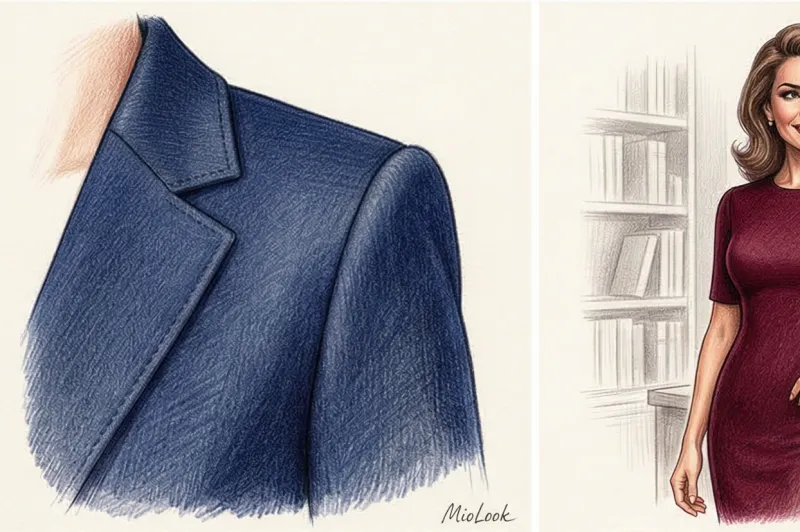
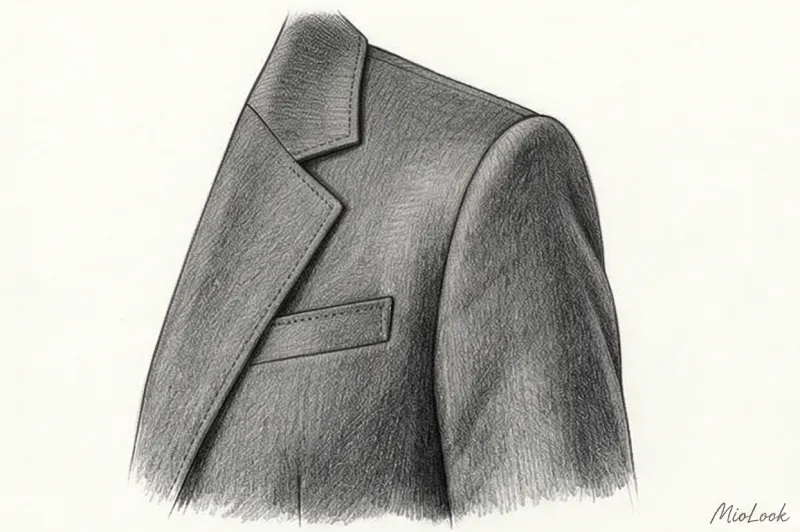
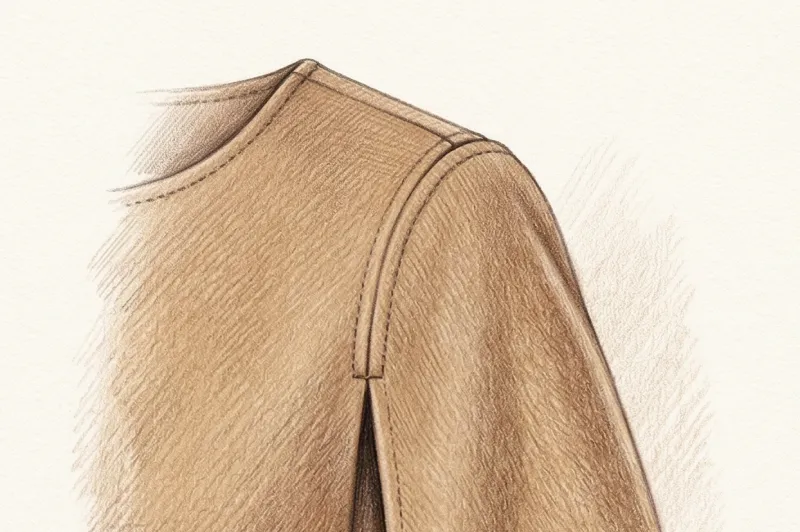
One-piece sleeve A shoulder seam is a garment detail that is cut out in one piece, along with the front and back, without a seam along the armhole. The key design feature of this cut is the absence of a shoulder seam. This creates a soft, sloping shoulder line, visually smoothing the silhouette.
Historically, this construction method originates from traditional Eastern clothing, particularly the Japanese kimono. In European fashion, the style gained popularity in the 1950s thanks to the elegant coats of Cristóbal Balenciaga. The cut later experienced a boom in the 1980s, when voluminous blouses and sweaters became fashionable.
Main types
The design has several variations, differing in volume and shape:
- "Bat" — a sleeve with a very deep armhole, which starts almost from the waistline and gradually tapers towards the wrist.
- Kimono — a wide, straight sleeve that doesn't taper toward the bottom. In modern clothing, it's often shorter, such as 3/4 or elbow-length.
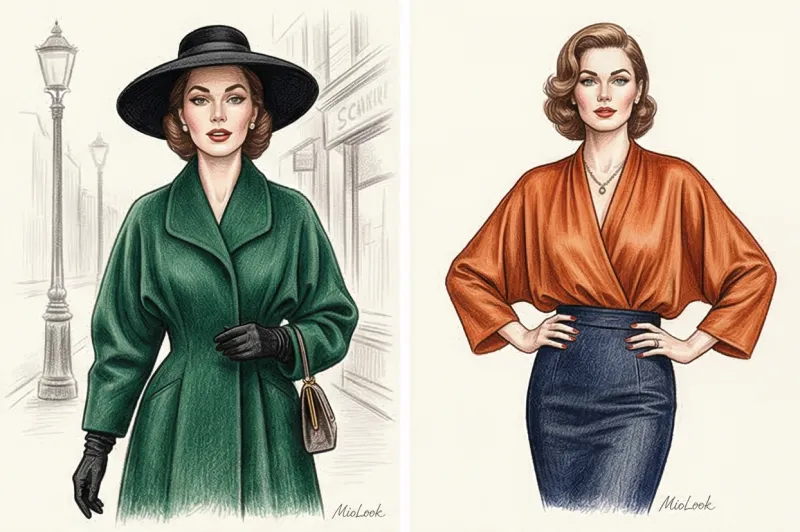
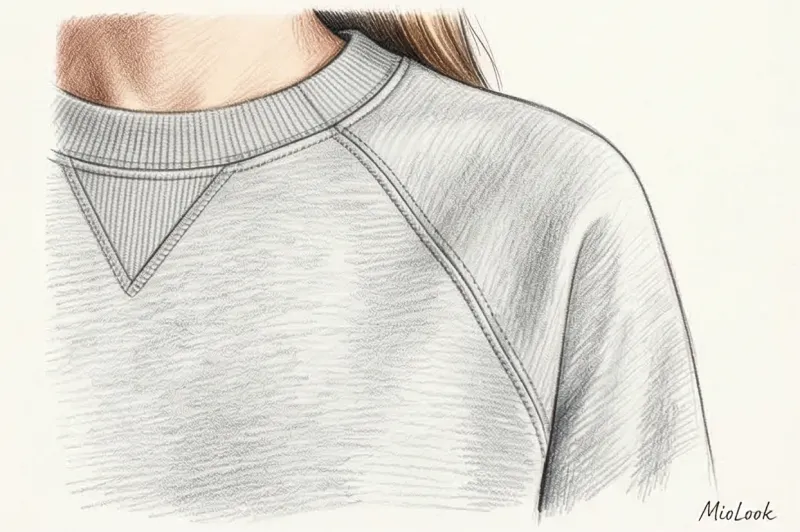
- With a gusset — a cut option for close-fitting garments. A diamond-shaped piece of fabric (a gusset) is sewn into the underarm area, allowing freedom of arm movement.
- Dropped shoulder — a short, one-piece sleeve used in minimalist summer tops and t-shirts. The edge of the fabric barely covers the upper forearm.
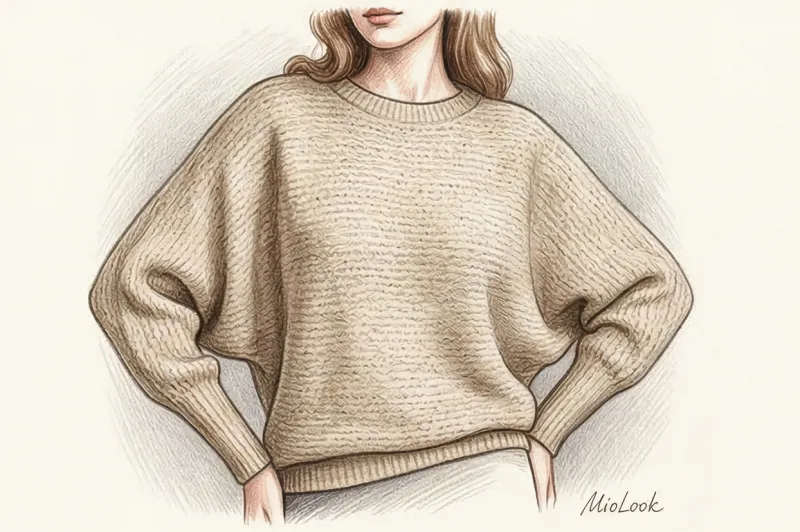
What to combine with
Cap sleeves create extra volume in the upper body. They are traditionally paired with slim or straight bottoms: pencil skirts, classic straight trousers, or skinny jeans.
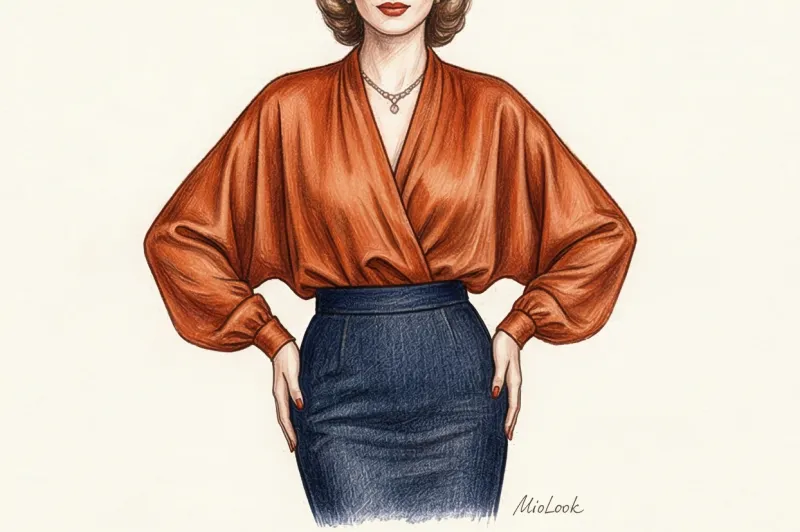
To maintain proportions, loose blouses and jumpers with this cut are recommended to be tucked into a belt. A belt at the waist can also be used to create an accent and structure the silhouette.
When choosing outerwear (coats or raincoats) with full sleeves, avoid bags with short shoulder straps. They wrinkle the fabric at the armholes and distort the silhouette, so it's better to choose tote bags with short handles or crossbody bags.
It's not recommended to wear dolman sleeve tops under standard-fit jackets or cardigans with set-in sleeves. The excess fabric will create rough folds in the armpit and restrict movement.