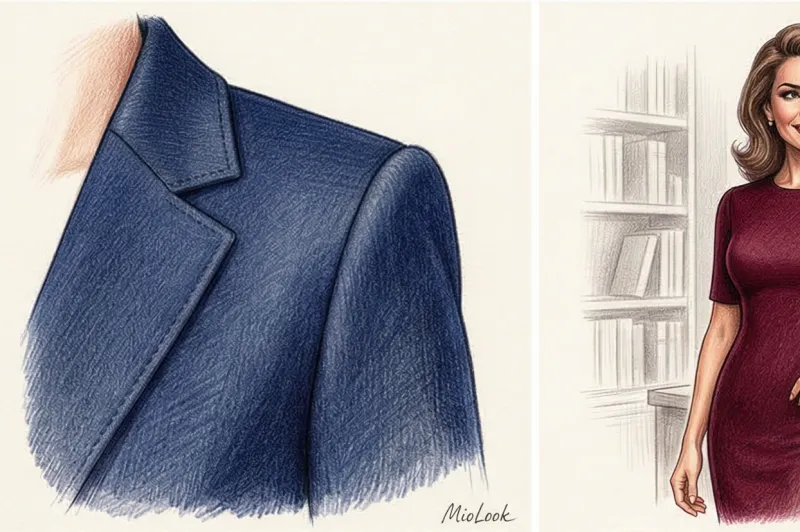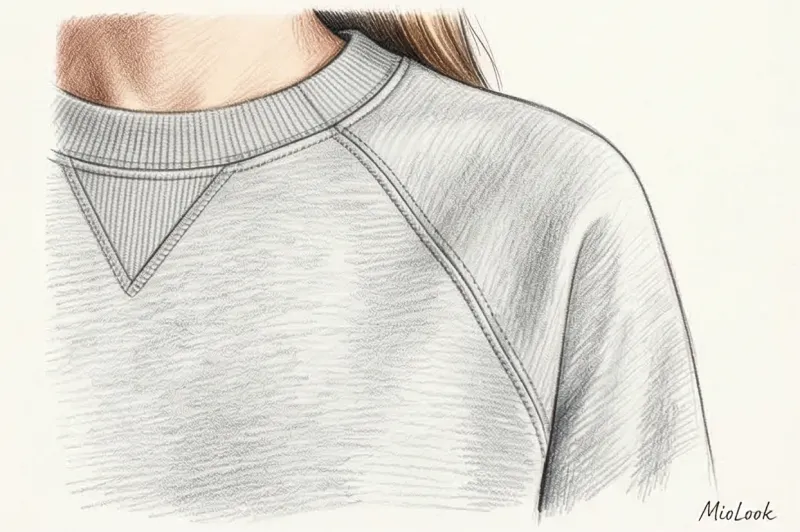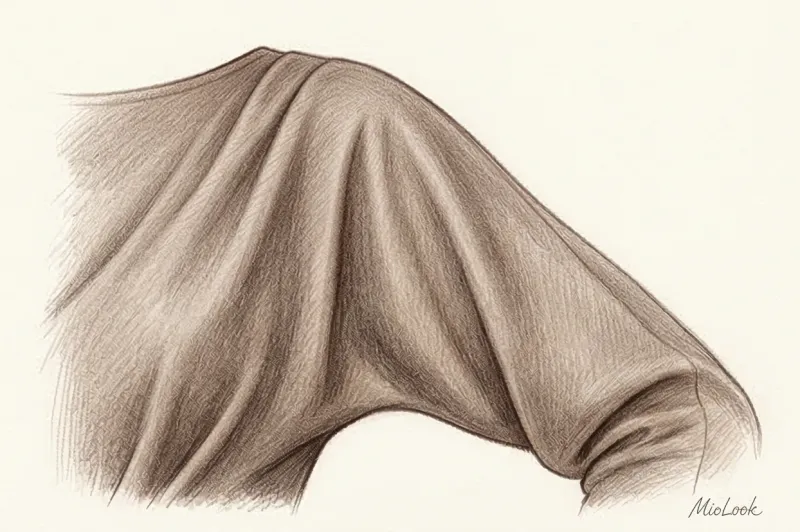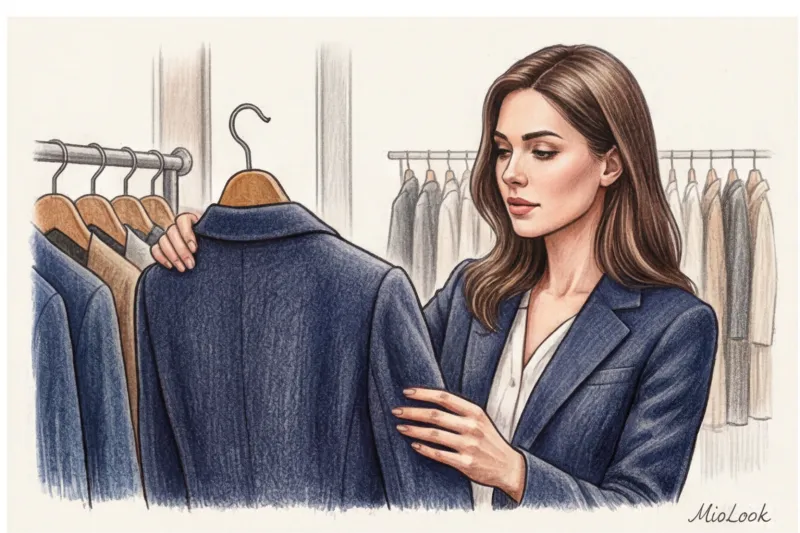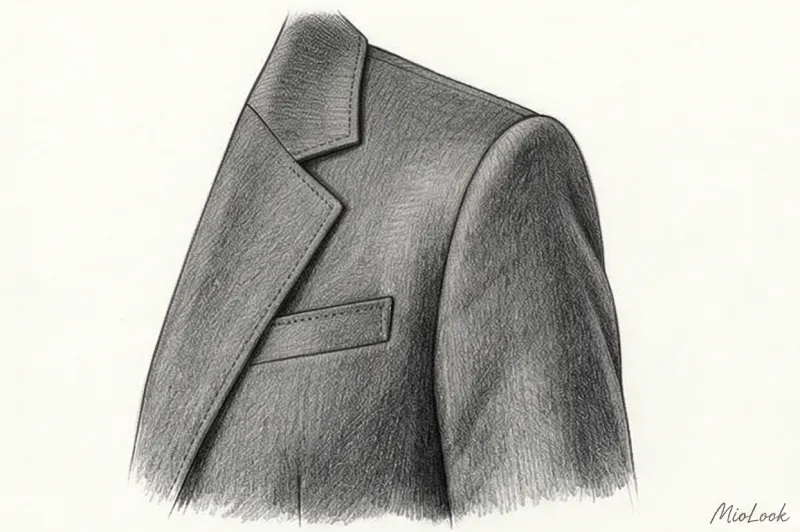
Armhole is a structural cutout in a garment bodice designed for attaching a sleeve or allowing the arm to pass through. This element varies in depth and shape, ranging from a high anatomical cut to a wide dropped line. It is used in shirts, jackets, and dresses to define fit.
What Is an Armhole in Clothing
When people ask about the armhole meaning, they are referring to the specific opening in a garment that accommodates the wearer's arm. The armhole in a piece of clothing is not just a simple hole; it is a carefully calculated geometric curve essential to pattern making. The front of the armhole is typically scooped out more deeply than the back to accommodate the natural forward movement of human arms.
A well-cut armhole ensures that the garment rests smoothly on the shoulders without pulling across the chest or back. Whether you are wearing a tailored blazer or a casual tank top, this structural cutout dictates how the fabric drapes over your upper body and how comfortably you can move throughout the day.
Main Types of Armholes and Their Names
Understanding the specific armhole name for different styles helps significantly when shopping for clothes or communicating with a tailor. Designers utilize various cuts to achieve different silhouettes and functional benefits.
Set-in Armhole
This is the classic standard found in most traditional menswear and womenswear. The seam sits right at the natural shoulder point, creating a clean, structured look. It closely follows the anatomical line of the shoulder and arm, making it the preferred choice for business suits, formal shirts, and tailored sheath dresses.
Raglan Armhole
Instead of a circular seam at the shoulder, the raglan cut features a diagonal seam running from the collarbone down to the underarm. This design eliminates the bulky shoulder seam, providing a softer silhouette. It is highly typical for trench coats, baseball tees, and sportswear because it allows for excellent mobility and easy layering.
Dropped Armhole
In this design, the sleeve attachment line falls off the natural shoulder, sitting further down the bicep. This creates a relaxed, rounded silhouette that minimizes shoulder width. You will frequently see this cut in oversized sweaters, casual T-shirts, and modern streetwear.
American Armhole
Also known as a halter cut, this is a deep diagonal cutout from the armpits to the neckline, completely exposing the shoulders and collarbones. It visually narrows the upper body and is widely used in summer sundresses, evening gowns, and elegant tops.
Deep Armhole
Sometimes referred to as a dolman or batwing cut, these are wide armholes that extend significantly lower down the ribcage, sometimes reaching all the way to the waist. They provide maximum volume in the underarm area, creating a dramatic, draped effect.
How the Armhole Cut Affects Garment Fit
A common misconception is that a lower, wider armhole automatically provides more freedom of movement. In tailored garments like suit jackets or blazers, the exact opposite is true. A high set-in armhole sits close to the armpit. When you raise your arm, the fabric of the jacket body stays in place. If the armhole is cut too low, lifting the arm pulls the entire side of the jacket up, ruining the silhouette and restricting upward mobility.
For casual wear, however, a dropped or deep armhole provides a relaxed, slouchy aesthetic where structural integrity is less of a concern. The extra fabric allows for maximum airflow and a comfortable, unrestrictive feel, which is why these cuts dominate loungewear and oversized fashion.
Armhole Types and Their Characteristics
| Armhole Type | Typical Fit | Common Garments | Mobility Level |
|---|---|---|---|
| Set-in | Structured, close to body | Suits, blazers, dress shirts | High (if cut close to the armpit) |
| Raglan | Relaxed, sloping shoulder | Trench coats, sportswear | Very High |
| Dropped | Oversized, slouchy | Sweaters, casual tees | Moderate (restricts high upward reach) |
| American | Fitted at neck, bare shoulders | Evening dresses, summer tops | High |
| Deep | Voluminous, draped | Vests, batwing sweaters | Moderate (limits independent arm movement) |
Choosing the Right Armhole for Different Occasions
Business and formal settings demand precision. A high set-in armhole on a tailored blazer or a crisp button-down shirt maintains a sharp, professional appearance. It allows you to gesture naturally during presentations without your clothing shifting uncomfortably or looking untidy.
For transitional weather and layering, raglan and dropped armholes are superior. A trench coat with a raglan sleeve glides easily over chunky knitwear or a suit jacket. The lack of a rigid shoulder seam prevents the fabrics from bunching up, ensuring you remain comfortable even with multiple layers.
Summer events and evening wear often feature the American armhole. This cut visually narrows the shoulders and highlights the collarbones, creating an elegant, elongated neckline. It requires specific undergarments, such as strapless bras or adhesive options, to keep the shoulder area completely bare and seamless.
Deep armholes in vests or casual sundresses offer excellent ventilation and a relaxed vibe. They require deliberate styling, often paired with a fitted turtleneck, a crisp bandeau, or a contrasting bralette underneath to balance the volume and maintain appropriate coverage.
Measuring and Fixing Common Fit Issues
Finding the right armhole in clothing requires knowing how it should measure against your body. When trying on a tailored jacket, you should be able to slide just two fingers between your armpit and the bottom of the armhole. If it pinches, it is too tight. If there are several inches of extra fabric, it is too loose.
Even high-quality garments can suffer from poorly designed armholes. One frequent issue is armhole gaping, especially common in sleeveless dresses and tops. This occurs when the curve is cut too straight, causing the fabric to flare out near the armpit. Tailors fix this by taking in the side seam or adding a small dart to contour the fabric back to the body.
Another issue is a restrictive front curve. If the armhole cuts into the front of your shoulder when you reach forward, the garment lacks sufficient ease. Lowering an armhole that is too tight at the bottom is a relatively simple alteration, provided there is enough seam allowance, but fixing a front curve that is too narrow is often impossible without completely recutting the garment.