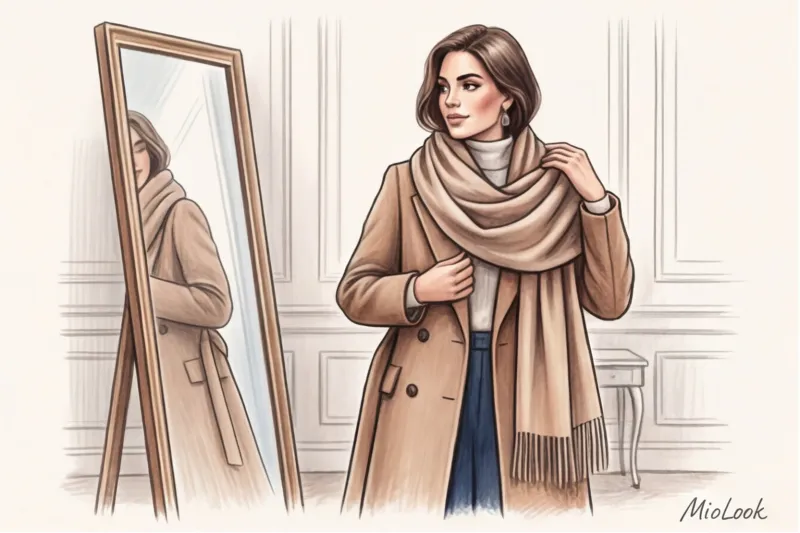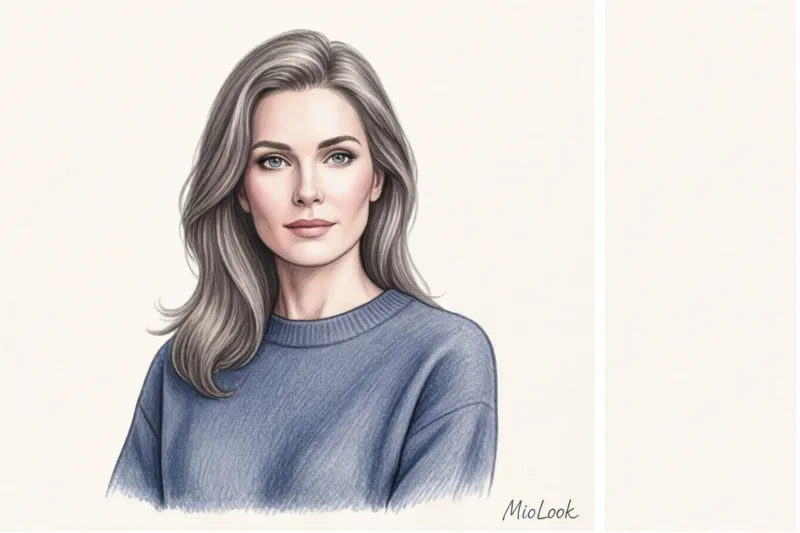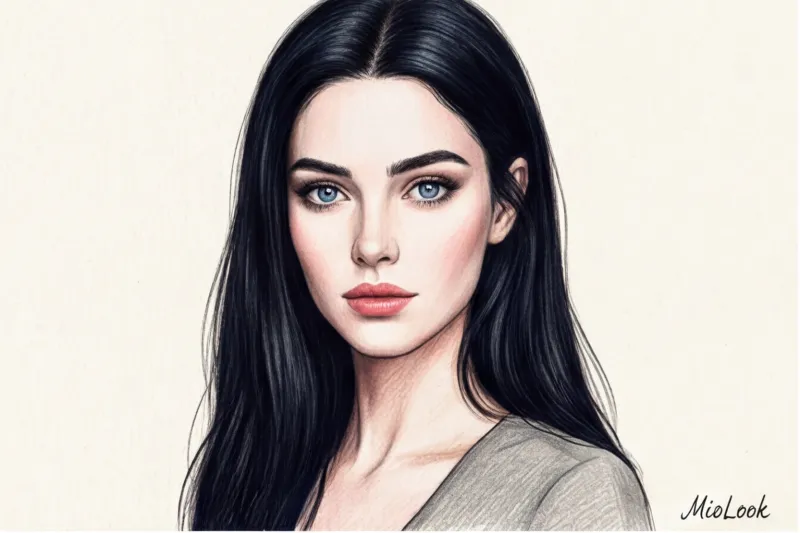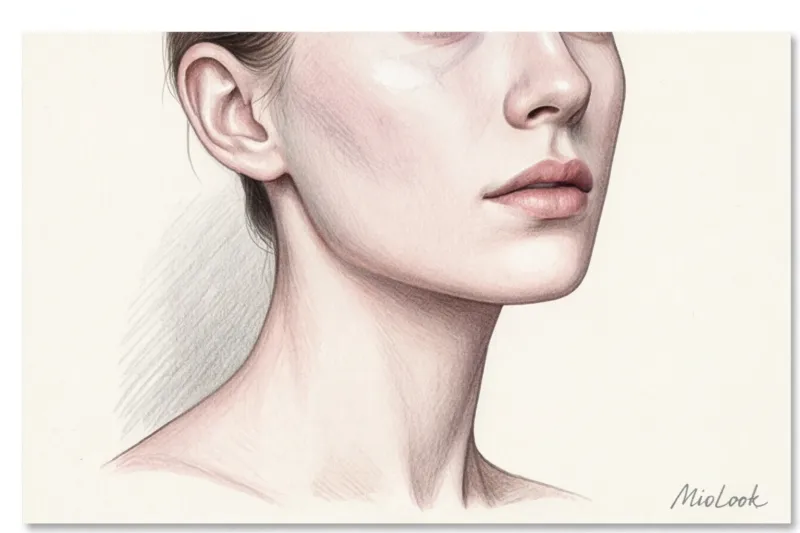

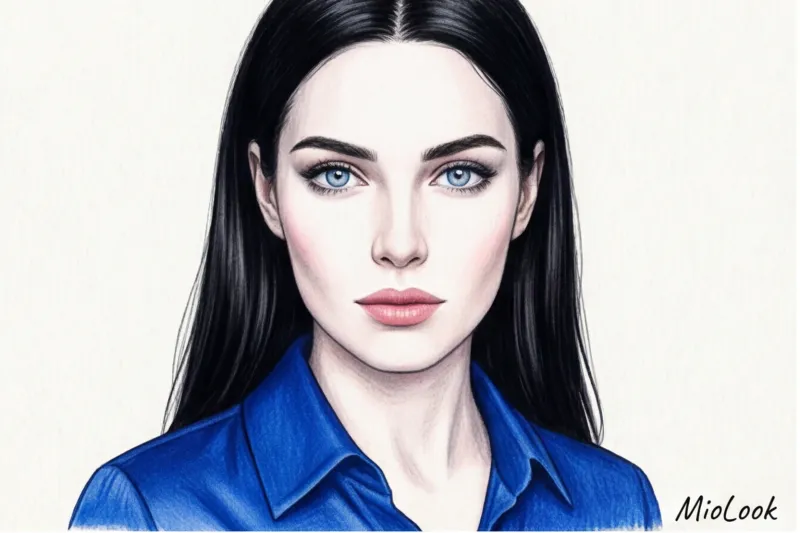
Over 14 years of working as a personal stylist, I've learned one ironclad rule: if a woman obsessively buys beige sweaters and dusty cardigans, trying to look "softer," she's most likely a true representative of a contrasting color type who's simply afraid of her appearance. The Cold Winter color type isn't about the banal "only black and red suit you." It's about the physics of light, the geometry of lines, and the ability to wear the most complex, dramatic shades as if you were born with them.
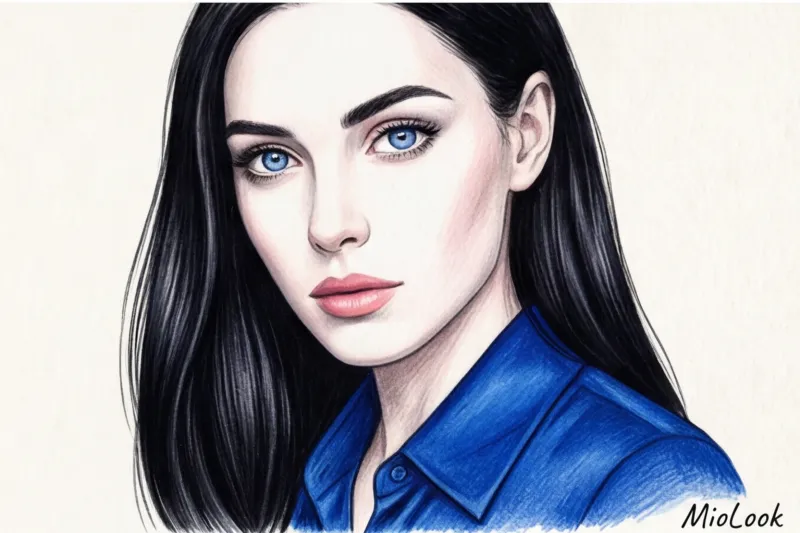
We have already discussed the basics of coloristics and other types in more detail in our complete guide to 12 color types of appearance But today I want to explore True Winter specifically. We'll move away from outdated stereotypes and explore how the physics of fabric reflectivity helps create an expensive, high-status wardrobe without unnecessary theatrics.
The Anatomy of the Cold Winter Color Type: How to Know if It's You
To accurately determine my coloring, I always refer to Albert Munsell's Color System. This paradigm evaluates appearance along three dimensions: temperature, purity (chroma), and value. For Cold Winter, the parameters are extreme: the temperature is absolutely icy (the pigmentation of the skin, hair, and eyes is completely devoid of yellow carotene), and the color purity is at its highest (no gray admixture).
"The purity of the color is more important than its darkness. A cold winter can wear icy pink and look stunning, but add a touch of gray and the complexion instantly takes on an earthy hue."
The main markers of your appearance:
- Leather: From alabaster-porcelain to olive. Yes, olive. The olive undertone is formed by mixing blue pigment with a slight green tint; it's completely cool.
- Hair: Blue-black, dark ash, graphite. Without a reddish or golden sheen in the sun.
- Eyes: Piercingly clear. The whites of Winter's eyes are always snow-white, often with a slightly bluish tint, which creates that famous high contrast with the iris (icy blue, sapphire, cool brown).
In my practice, a typical self-diagnosis error occurs with olive skin. The presence of freckles or a slight swarthiness leads women to mistakenly consider themselves Autumn. One of my clients hid in casual beige for 10 years, considering her natural contrast "too aggressive," until we applied a piece of sapphire silk to her face. The under-eye shadows disappeared without concealer, and her face contours were visually lifted.
The Perfect Palette for a Cold Winter: From Base to Accents
Forget boring mouse gray and camel. Your base should offer natural contrast. If you want to look expensive, try jet black, snow white (without yellowing), sapphire, night sky, and deep graphite. These shades work like a frame for a painting.
The accent colors of Cold Winter are a scattering of precious stones:
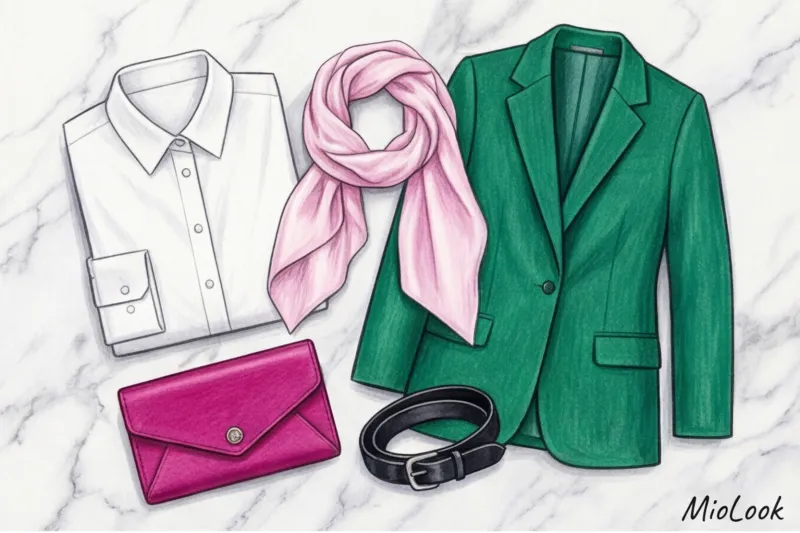
- Fuchsia and magenta (instead of peach)
- Royal blue (instead of blue denim)
- Emerald (instead of khaki)
- Icy pink (instead of powdery)
- True red (the pure color of arterial blood, strictly without any admixture of orange)
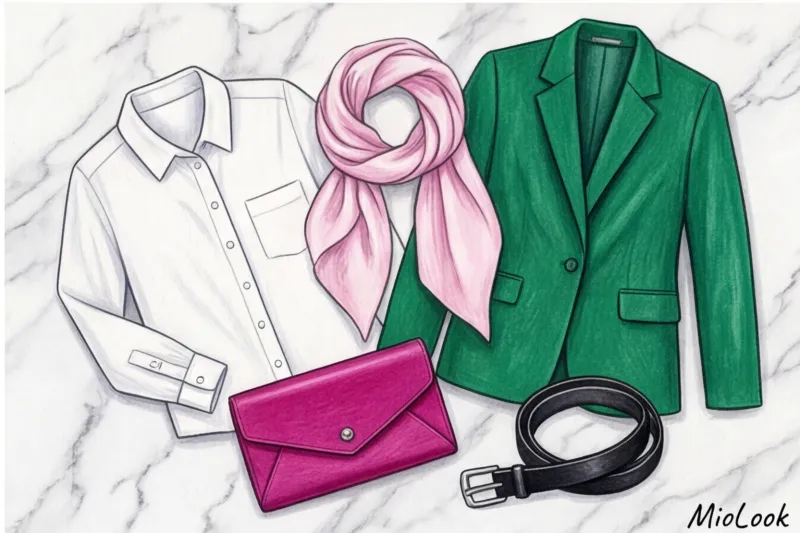
The best way to highlight your natural features is to use color blocking. The juxtaposition of two pure, contrasting shades works flawlessly in the cold winter. Try pairing emerald trousers with a crisp white shirt and a sapphire jacket.
Have you ever noticed how difficult it can be to judge the true color of an item in a store? Artificial light in fitting rooms mercilessly distorts colors. I always recommend using the "smart wardrobe" feature in MioLook right while you're shopping—the camera and algorithms are great at eliminating the telltale warm undertones that the eye might miss under incandescent bulbs.
Your ideal image begins Here
Join thousands of users who look flawless every day with MioLook.
Get access — €0.99 onceStop list: colors and textures that blur your appearance
The main enemies of the cold winter color type are warm, muted, and earthy shades. Mustard, terracotta, khaki, warm beige, rust, and peach react chemically with your cool skin undertone, instantly making your face look tired, unhealthy, and visually adding 5-7 years.
But herein lies the most counterintuitive insight I work with every day. There's a myth that Winter always looks perfect in all-black. In fact, for women over 35, solid black against the face without icy accents is a trap. Age-related changes thin the skin, and a deep black without contrast accentuates wrinkles and nasolabial folds. You don't just need darkness; you need contrast If you're wearing a black turtleneck, add large white metal earrings or a crisp white collar.
The physics of light is no less important. In coloristics, there's a concept called LRV (Light Reflectance Value). Fabrics with a high LRV are vital for cold winters.
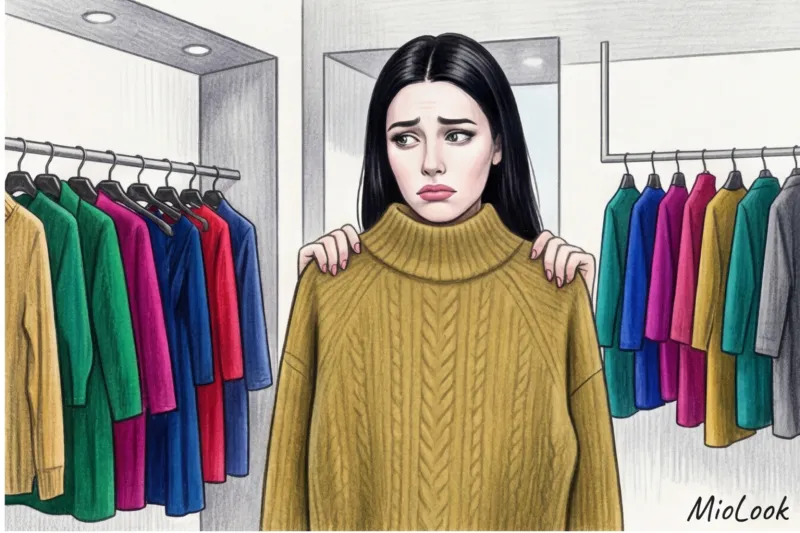
Matte, loose fabrics (linen, bouclé, corduroy) absorb light and dull the purity of winter hues. Even a perfect sapphire blue on loose linen will appear faded, and therefore dirty. That's why matte fabrics often "kill" this color palette. Smoothness and shine are your superpower.
A Capsule Wardrobe for a Cold Winter: Assembly Instructions
Putting together a functional capsule wardrobe for a contrasting look is more challenging than for soft summer types, where everything flows seamlessly into one another. To ensure pieces combine without turning you into a harlequin, I use a foolproof formula: 50% dark, cool base, 30% icy light shades, and 20% clean, bright accents.
Prints require special attention. Blurred, small florals (like boho-style flowers) will make your face look harsh. Your style should be bold geometric patterns, abstract designs, stripes, houndstooth prints, and color blocking. The print contrast should be high (for example, black and white zebra print, not gray and blue leopard print).
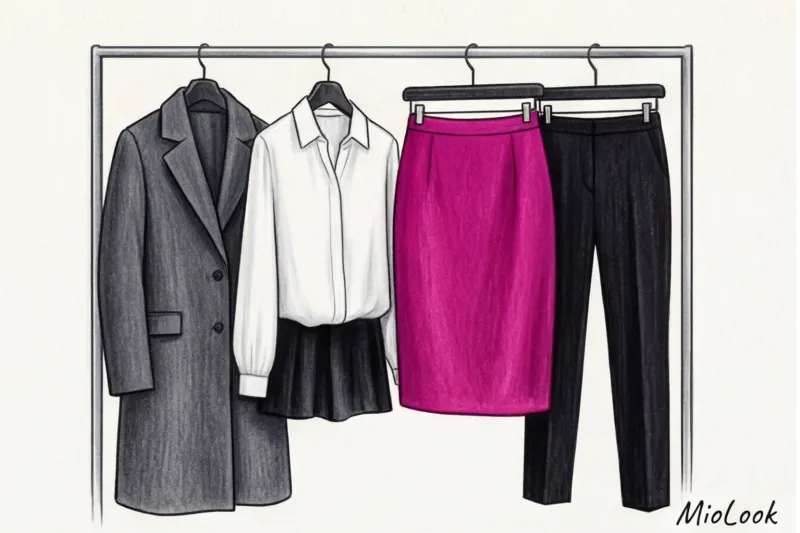
For a smart-casual look, try this combination: graphite wool palazzo pants, a crisp white cotton shirt of at least 120 g/m² (it should be crisp and hold its collar shape), and a fuchsia jumper draped over the shoulders. You'll get just the right amount of formality from the cut and just the right amount of drama from the color.
Access to MioLook for €0.99 — one-time payment
A smart AI stylist will select the perfect capsule wardrobe specifically for your color type.
Get access — €0.99 onceMaterials that enhance your contrast
As I mentioned before, texture is everything. Fabrics that hold pure color perfectly include natural silk, heavy satin, smooth suiting wool (cashmere, merino), thick, smooth leather, and patent leather. If you love "imperfect" textures like chunky knits or linen, wear them lower down—away from your face. For example, emerald linen trousers paired with a smooth silk top would work perfectly.
Cold Winter Color Type in Business Dress Code: Status and Authority
In the context of corporate culture, Cold Winter has a huge advantage. According to research by the PANTONE Color Institute and WGSN's 2024 analysis, pure, contrasting colors are subconsciously perceived as markers of authority, competence, and a high level of distance. Your color palette is the most valuable and prestigious for a business.
But there's a limitation here: high contrast can come across as too harsh if you work in helping professions or in negotiations that require empathy. This is precisely the case where the high contrast rule requires adjustment.

How to soften your look without losing your personality? Ditch the black for navy, graphite, or cool burgundy. Studying business wardrobe by color type I often advise my Winter clients to swap out white blouses for icy blue or cool pink. This reduces tension while leaving a fresh face. And if your dress code allows for more relaxed options, read on to learn how to incorporate bright colors in office wear , so as not to overdo it.
Makeup and Jewelry: Cutting for an "Ice Diamond"
Winter's jewelry wardrobe brooks no half-measures or vintage brass. Yellow gold, copper, and bronze will flatter your appearance. Your best friends are highly reflective white metals: platinum, white gold, and rhodium-plated silver. For gemstones, consider diamonds, sapphires, emeralds, rubies, and pearls.
As for makeup, ditch the warm peach blush and bronzer. Bronzer is generally contraindicated in cold winters—it will always look like a reddish stain on your skin. Sculpting should be done with cool gray-brown shades.
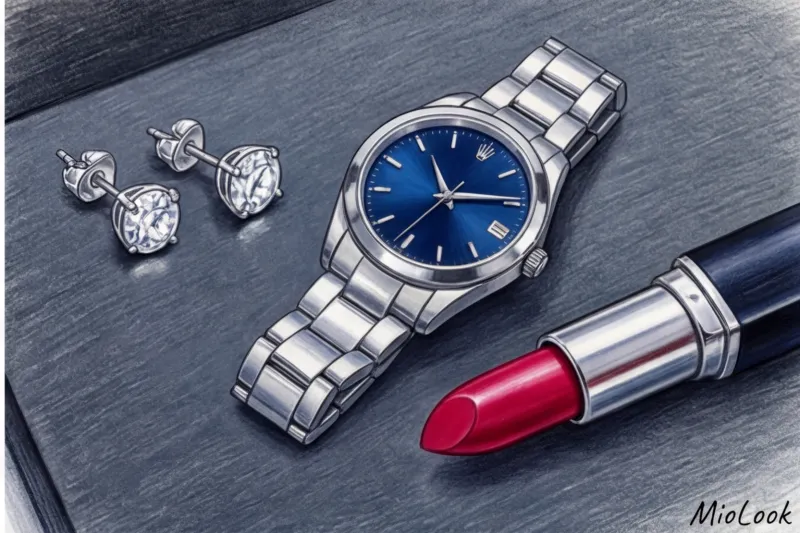
I once had a client who was convinced she looked tired due to age. She was sporting a trendy warm nude makeup look. We washed off her peach lipstick and applied a classic cool red to her lips, highlighting her eyes with a graphic black liner. Her face literally lifted, her contours became more defined, and her eyes sparkled. Winter calls for clean lines, not watercolor-like shading. Shades of fuchsia, plum, and cherry are your everyday base.
Ready to get started?
Try the MioLook free plan—no commitments. Digitize your wardrobe in just a few clicks.
Get access — €0.99 onceChecklist: Wardrobe Audit for a Cold Winter
Theory is dead without practice. Set aside the next weekend to do a closet audit. Start by ruthlessly sorting out the items closest to your face: all mustard, brick red, dusty pink, and warm beige tops should leave the portrait area.
How to save your favorite items that don't match? If you have an expensive cashmere sweater in a warm shade, keep it away from your face. Wear a crisp white shirt underneath, ensuring the collar and cuffs create the right barrier, or use an icy blue silk scarf.
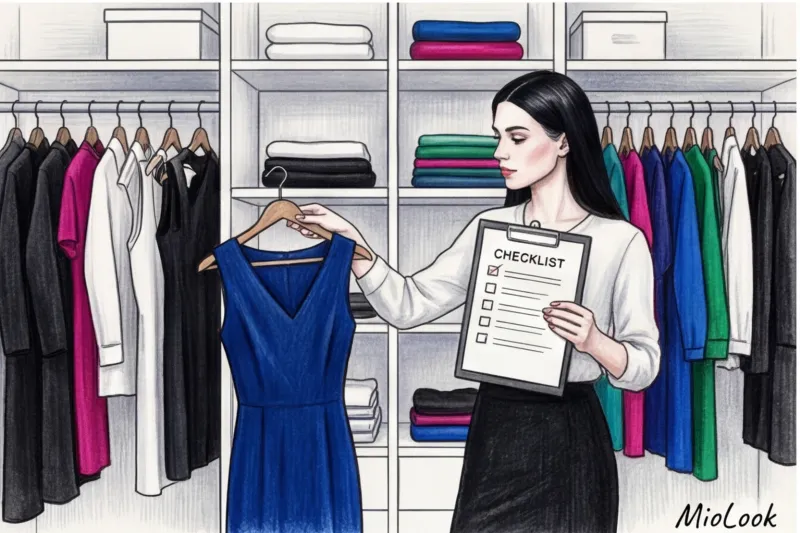
When shopping, use the 3-second rule: glance at the rails, looking for only the purest, most vibrant colors and smooth textures. If a color raises doubts or seems "dusty," pass it on.
Cold winter is a color that brooks no apologies or compromises. Your natural contrast is a powerful tool of influence. Don't try to disguise it with soft cardigans and bland beige. Give your appearance the right "cut" of pure shades and smooth textures, and you'll see how your wardrobe will start working for you, not against you.