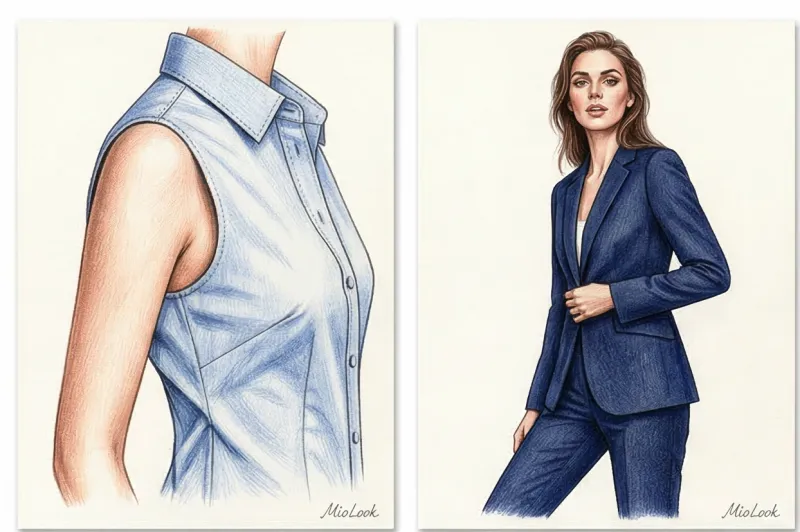
What is Slim-Fit?
Slim-fit — is a clothing cut designed to closely follow the natural contours of the body without being too tight. The term comes from the English words slim (slender, thin) and fit (fit). Understanding what a slim fit is requires comparison with basic silhouettes. Unlike a classic cut ( regular fit ), a slim-fit eliminates excess fabric, creating a more compact and gathered silhouette. However, it differs from a skinny cut ( skinny ), as it does not hug the figure like a second skin and leaves a small space between the material and the body.
This style is used for sewing shirts, trousers, jeans, jackets, business suits and basic knitwear.
Distinctive features of the cut
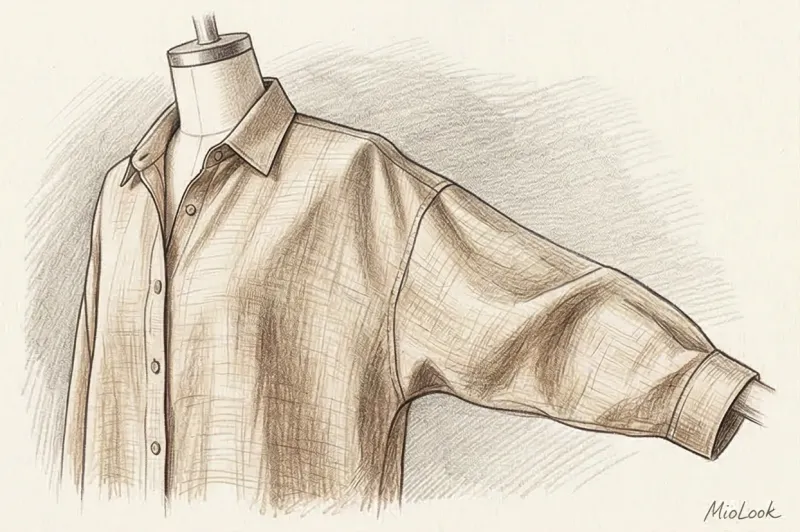
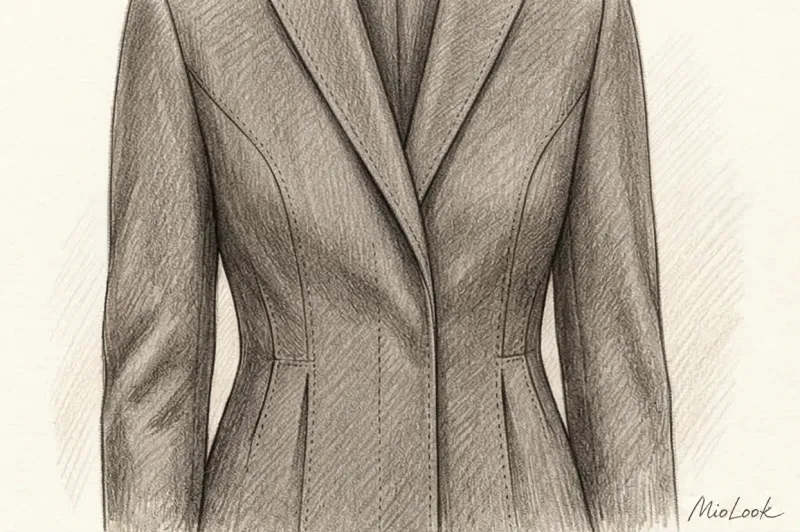
Slim-fit tops are characterized by high armholes and tapered sleeves. They fit snugly around the arm while still allowing freedom of movement. Shirts and jackets often feature darts in the back, which narrow the silhouette toward the waist and prevent the fabric from bunching up above the belt.
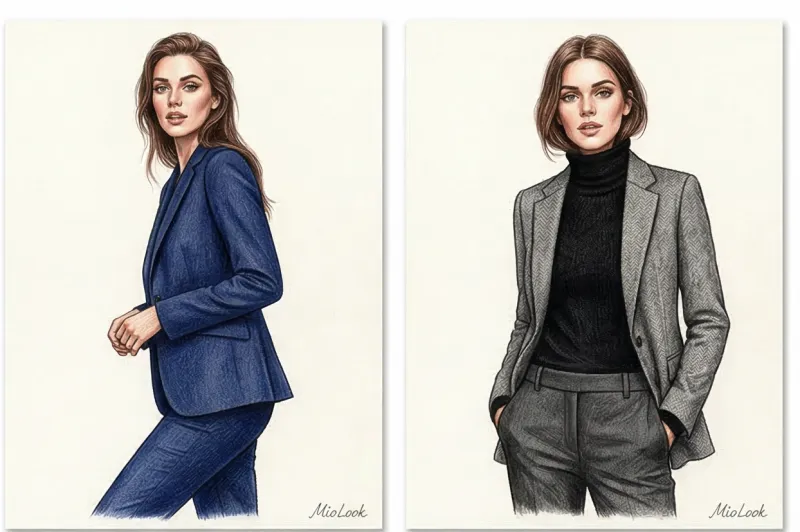
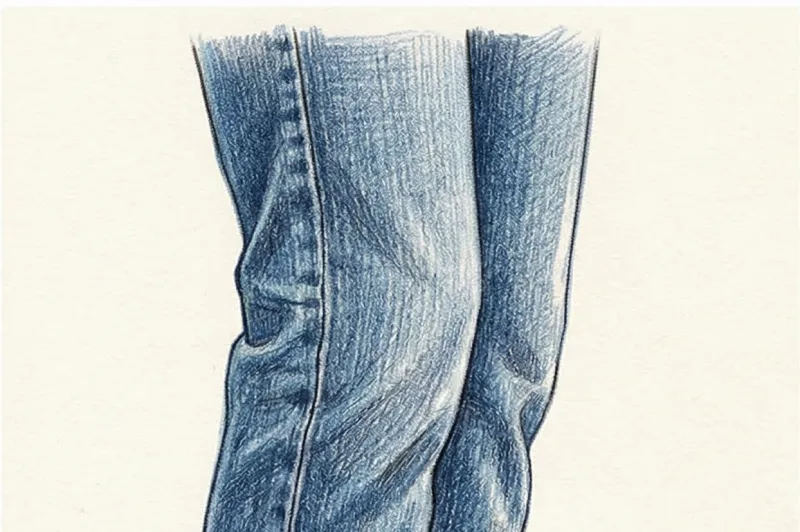
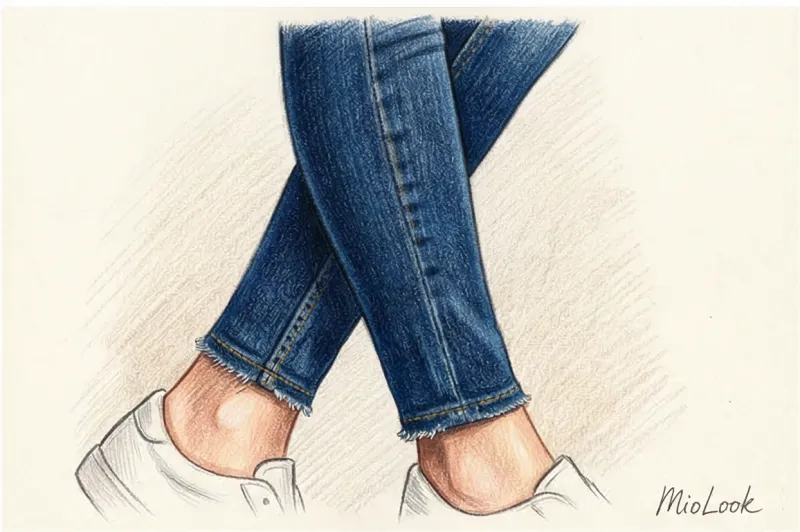
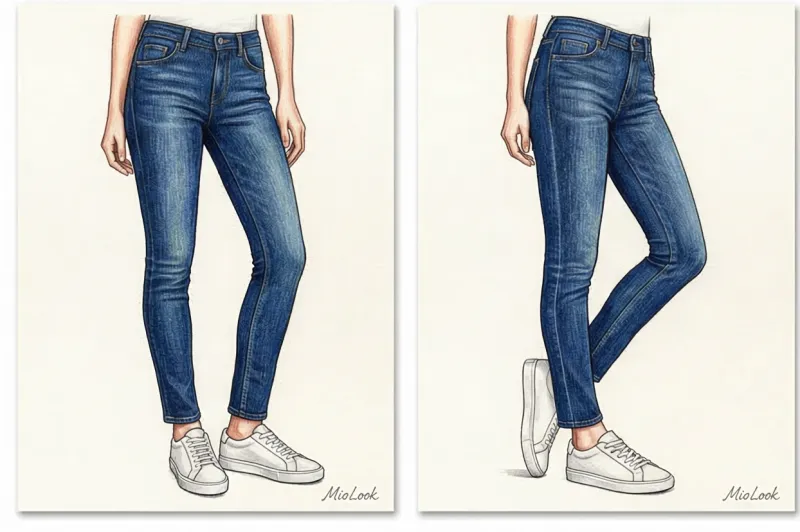
Pants and jeans of this style have a precise fit across the hips. The legs taper evenly from the knee to the ankle, without clinging to the calf muscles. Slim-fit jackets and shirts are often cut slightly shorter than their classic counterparts to maintain a modern silhouette.
To ensure comfort with a tight fit, manufacturers often add 1-3% elastane or spandex to cotton or wool fabrics.
How to wear and what to combine with
Slim-fit pieces like turtlenecks, T-shirts, and thin shirts are ideal for layering. They provide a smooth base layer under cardigans and oversized jackets without adding unwanted bulk.
A tapered top pairs harmoniously with both straight-leg trousers and looser bottoms, such as palazzo pants. When creating a business wardrobe, a slim-fit jacket requires a shirt of a similar cut. This is necessary to prevent excess cotton from bunching up under the suit fabric.
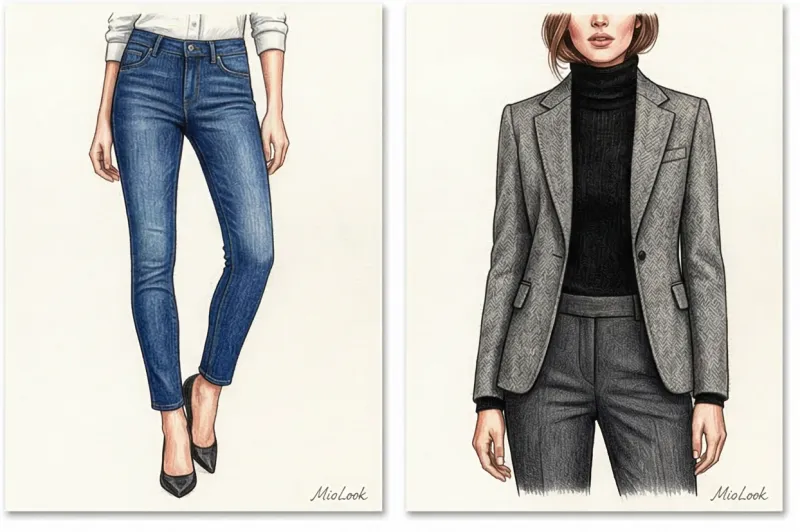
Slim-fit tapered trousers look best with neat shoes without chunky soles. Loafers, oxfords, minimalist sneakers, or classic pumps are perfect for pairing.