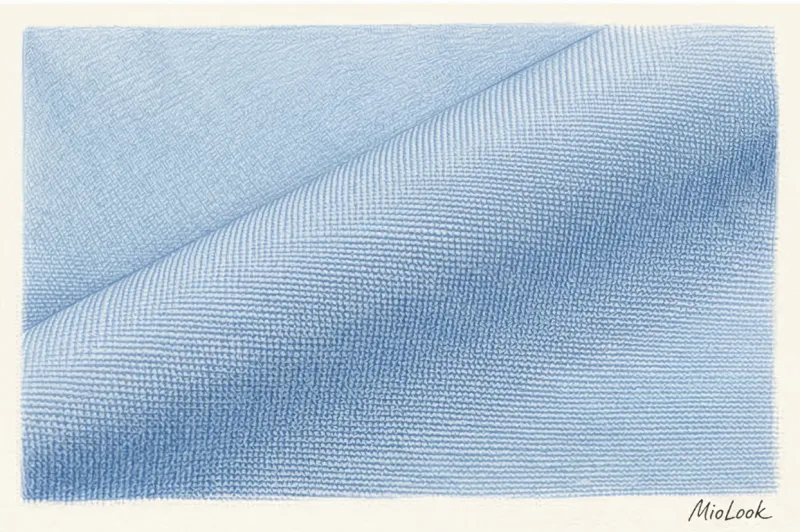
What is poplin?
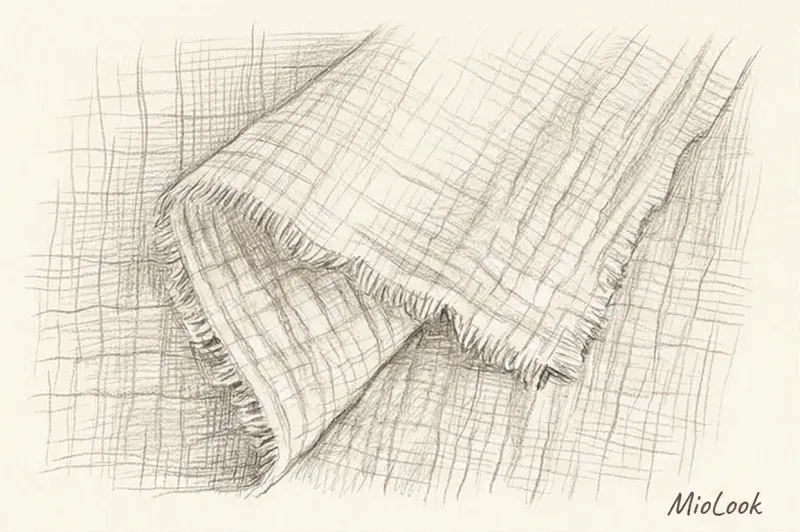
Poplin - is a dense, smooth fabric of plain weave, the characteristic feature of which is a small transverse rib on the surface.
Historically, the material appeared in the 15th century in Avignon, France, where the Pope's residence was located. Initially, the fabric was made from a blend of silk and wool threads.
When answering the question of what kind of fabric is poplin in modern times, it's worth noting that today it's predominantly a 100% cotton material. Blended versions with added silk, viscose, or a small percentage of synthetic fibers for added elasticity are also available.
Distinctive features
The ribbed texture is created by using threads of varying thicknesses. During production, thin warp threads are tightly interwoven with denser, thicker weft threads.
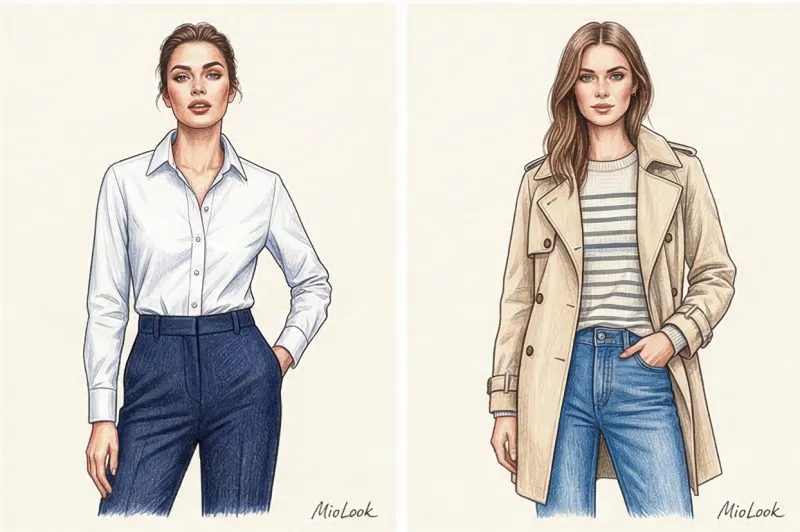
The material has high dimensional stability. Poplin garments maintain clean lines, form architectural folds, and don't stretch at the elbows or knees with wear.
The fabric is hygroscopic, breathable, and has a refined matte surface without a noticeable sheen. Poplin is divided into four main types based on dyeing method: bleached, plain-dyed (solid), variegated (a pattern created by interweaving colored threads, such as checks or stripes), and printed (with a printed design).
How to use and care
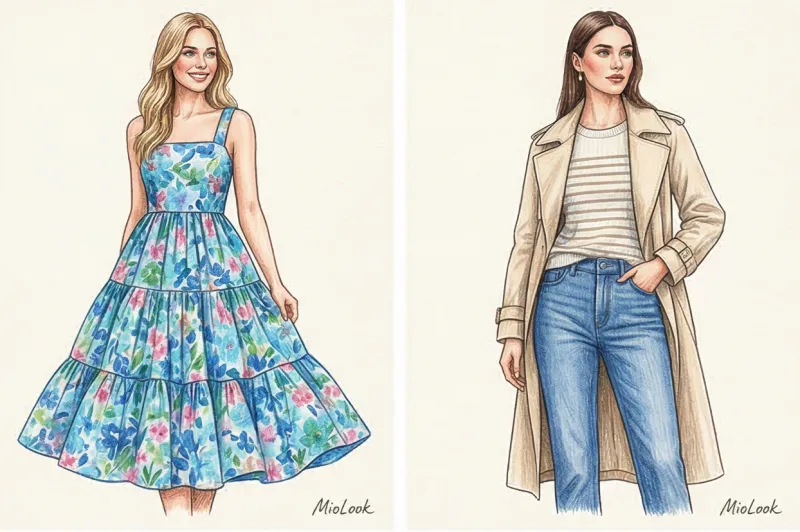
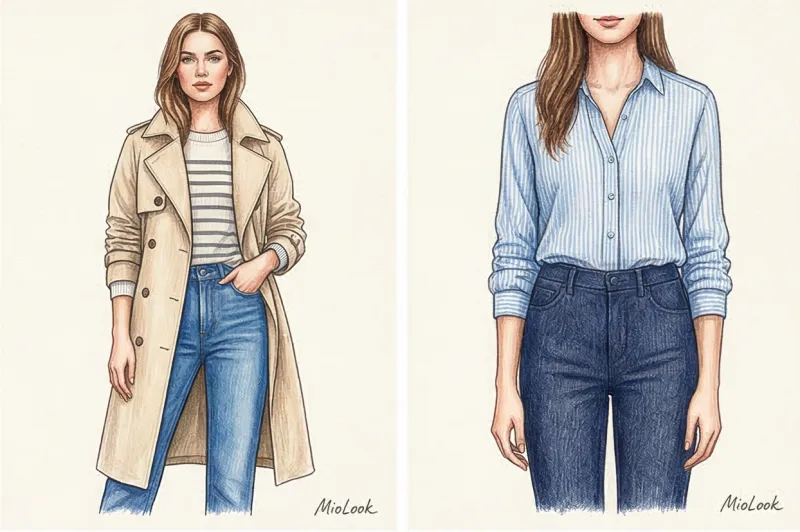
In business and casual wardrobes, poplin is considered the gold standard for tailoring formal men's and women's shirts, blouses, summer shirt dresses, and lightweight raincoats.
It is recommended to wash cotton poplin at 30–40°C on a delicate or everyday cycle. Turn the garment inside out before loading.
The material does not tolerate harsh chlorine bleaches, which destroy the fiber structure and cause color loss. It's best to iron poplin items when slightly damp. The optimal iron temperature is 150–200°C (Cotton setting), and using steam helps easily remove stubborn creases.