What is gabardine?
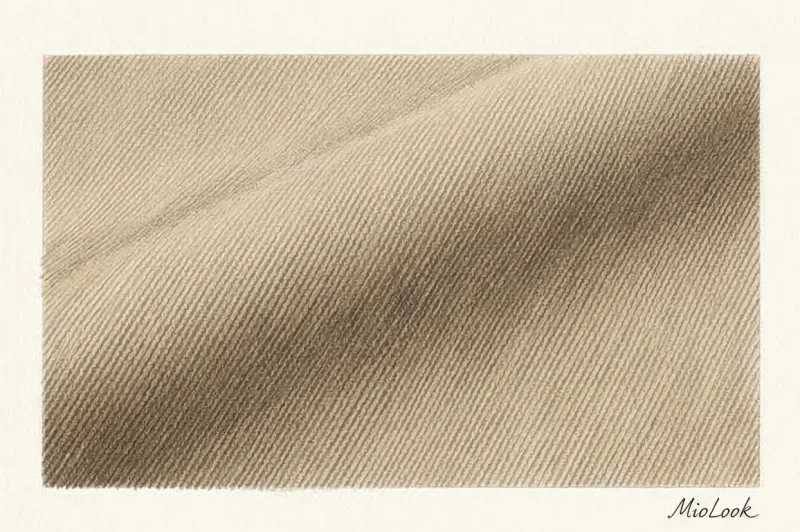
Gabardine - is a dense twill fabric with a pronounced diagonal rib on the front surface.
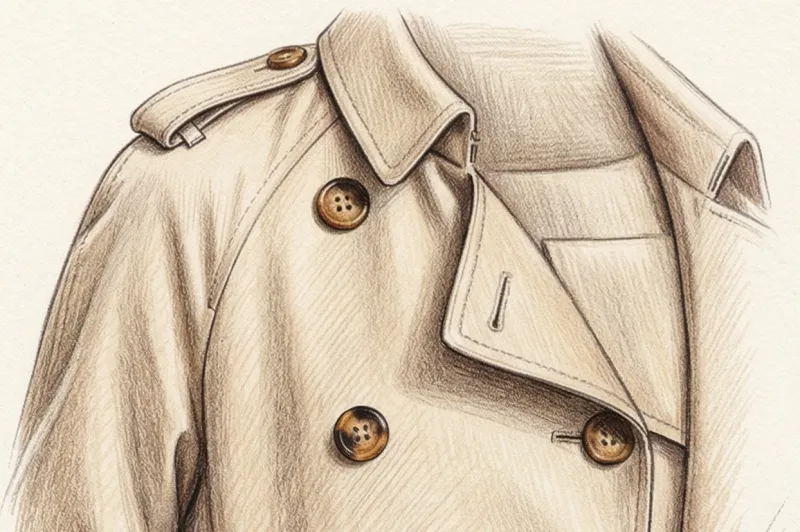
The material was invented by Thomas Burberry in 1879 as a lightweight and breathable alternative to heavy rubberized raincoats. Historically, it was used to make military uniforms, polar explorers' gear, and classic trench coats.
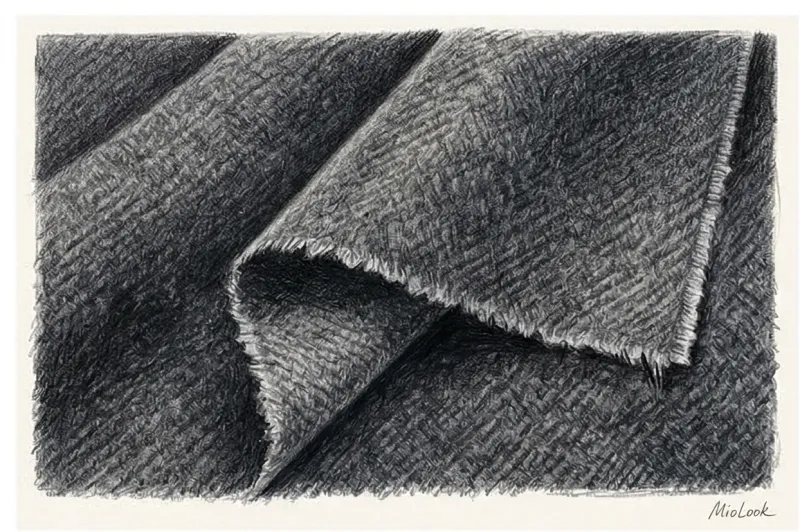
When determining gabardine's composition, technologists look to its production history. Initially, the material was made exclusively from Merino sheep wool. Today, the textile industry also uses cotton, silk, and various synthetic fibers.
Distinctive features and types
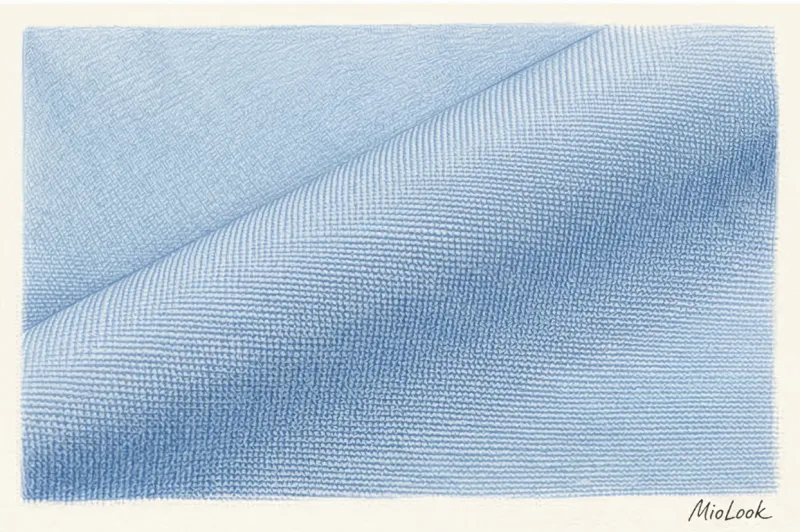
The material's main visual feature is a raised diagonal pattern at a 60-70 degree angle on the front side, while the back side is completely smooth. The fabric is highly dense, holds its shape perfectly in the finished product, and is virtually wrinkle-free.
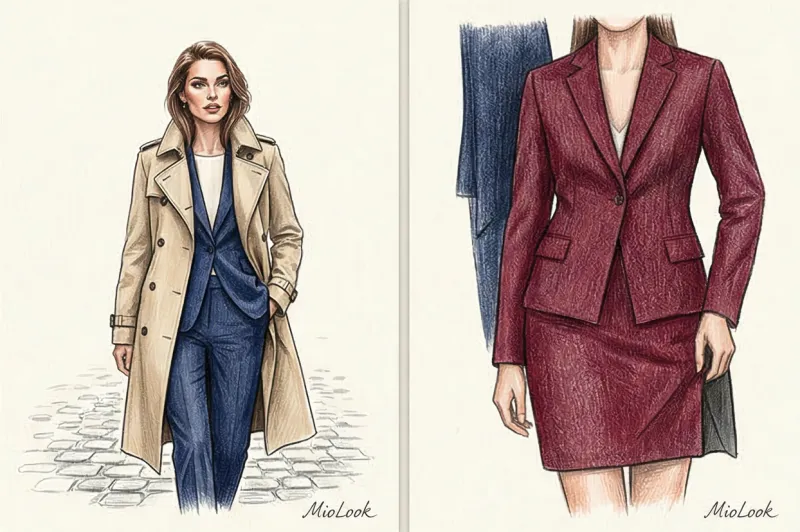
Due to the very tight twisting of the warp and weft threads, gabardine repels water droplets. Depending on the fiber composition, there are several main types of this material:
- Wool gabardine used for sewing demi-season coats and premium formal suits.
- Cotton gabardine used in the creation of summer coats, trousers and skirts.
- Synthetic and mixed material (with the addition of polyester) is characterized by high wear resistance and is often used for the production of uniforms and corporate clothing.
How to wear and care
Gabardine is used to create items with clear geometric lines: classic trench coats, structured jackets, pencil skirts, and pleated trousers.
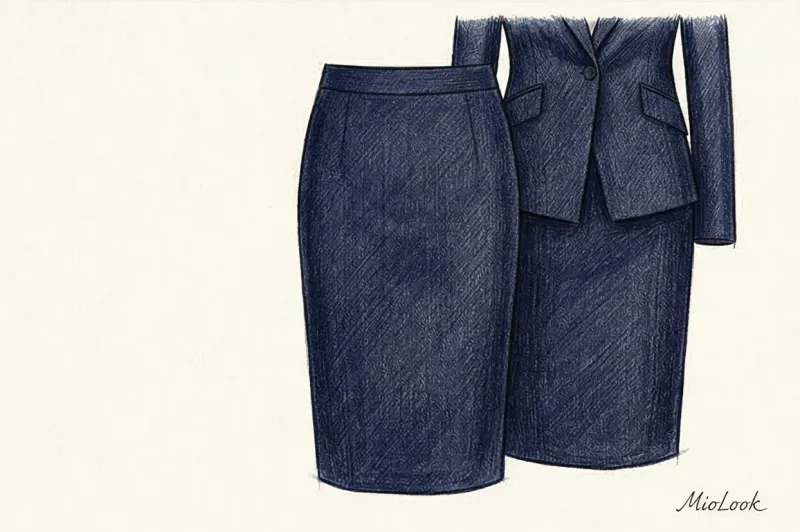
The looks feature a dense, textured material that harmoniously combines with smooth, lightweight fabrics. It's paired with silk blouses, cotton poplin shirts, and fine knits.
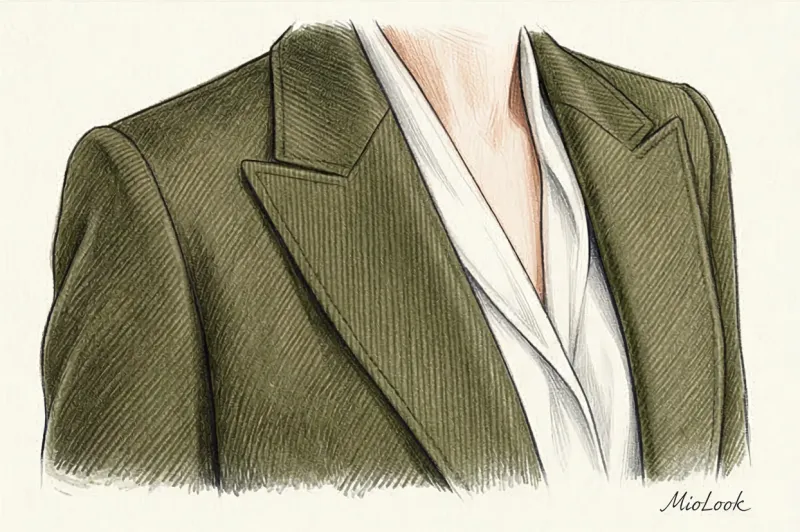
Wool gabardine items, such as coats and suits, require dry cleaning only. This is necessary to maintain their shape and water-repellent properties. Cotton and cotton-blend items can be machine washed on a delicate cycle at a temperature not exceeding 30-40 degrees Celsius.
Gabardine should only be ironed on the reverse side or through a damp cloth. Direct contact of a hot iron with the right side of the fabric will leave an irremovable glossy sheen on the surface.