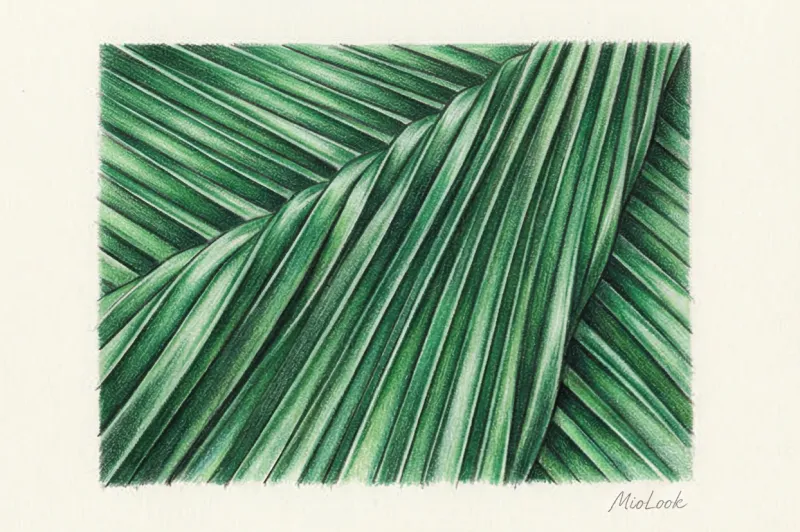
What is pleated blinds?
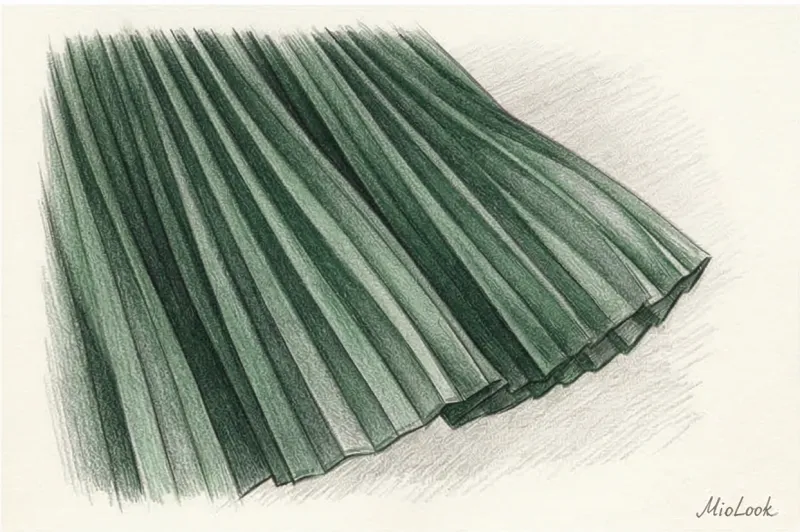
Pleated blinds — is a method of thermal or chemical fabric treatment that creates distinct, parallel, flat folds in the material. This technique allows for the creation of textured fabrics that retain their shape even during vigorous movement.
Historically, the technique of pleating was known as far back as Ancient Egypt. In modern fashion, this technique became widespread thanks to designer Mariano Fortuny, who created the famous silk Delphos dress in the early 20th century. Later, Japanese fashion designer Issey Miyake took the technique to a new level with the release of his iconic Pleats Please clothing line, which featured pleats added to the finished garment.
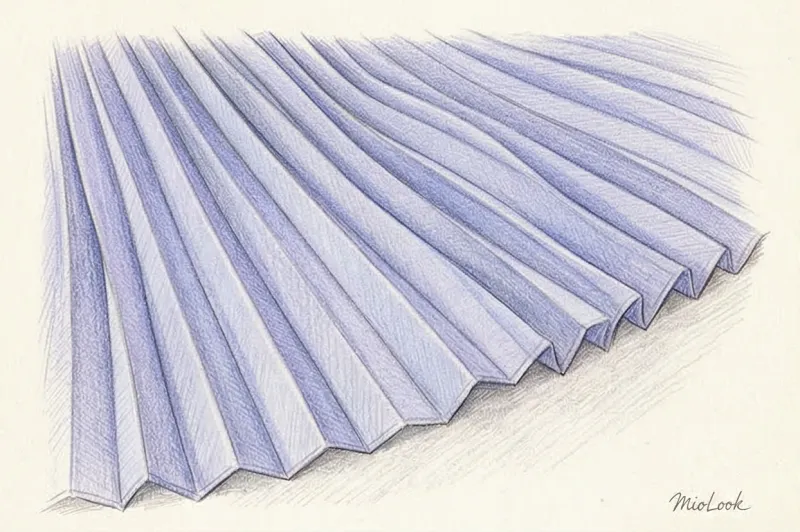
It's important to distinguish pleating from the related technique of goffering. In pleated fabric, the folds lie flat, strictly parallel to each other, and have the same width along the entire length, which is always wider than the hem itself. Goffering, on the other hand, resembles an accordion: the folds are angled and widen at the bottom, creating a more voluminous silhouette.
Main types and materials
Fabrics with a high synthetic fiber content, such as polyester or silk blends, are best for creating long-lasting pleats. Synthetics are excellent for heat setting: under high temperatures, the pleats are set and retain their shape even after repeated washings. Natural fabrics, such as pure cotton or linen, are less able to hold pleats and require special chemical treatment.
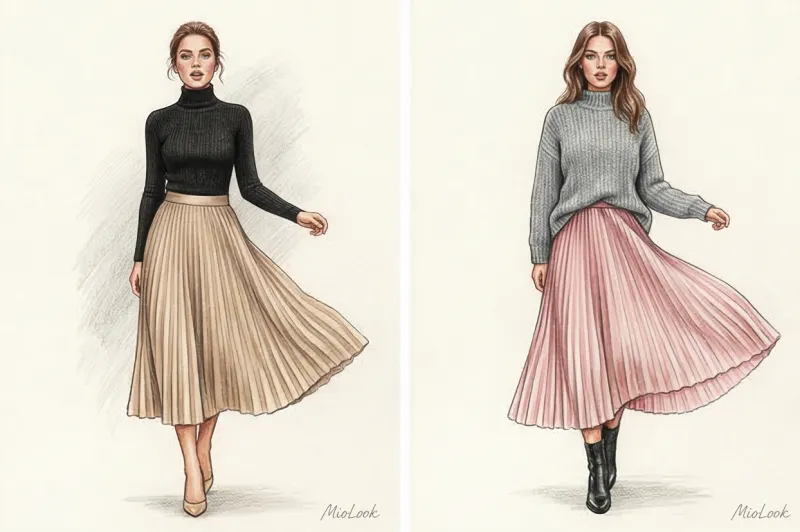
The scale of pleats in garments varies depending on the design concept. Micropleats are very fine, flowing folds that, from a distance, look like textured fabric. Classic pleats have a pleat width of 1 to 3 centimeters, while more formal, architectural pieces feature larger, wider folds.
Pleating is used to create a wide variety of wardrobe items. The most common types are classic midi and maxi skirts, as well as wide, flowing palazzo pants. Pleats are also widely used in straight-line or A-line one-piece dresses, as well as as accent details on blouse sleeves.
What to combine with
Pleated garments are styled using contrasting textures. The light, flowing fabric of a pleated skirt or dress looks most striking when paired with dense, heavy materials. These pieces pair perfectly with oversized knit sweaters, classic leather biker jackets, or tailored wool suit jackets.
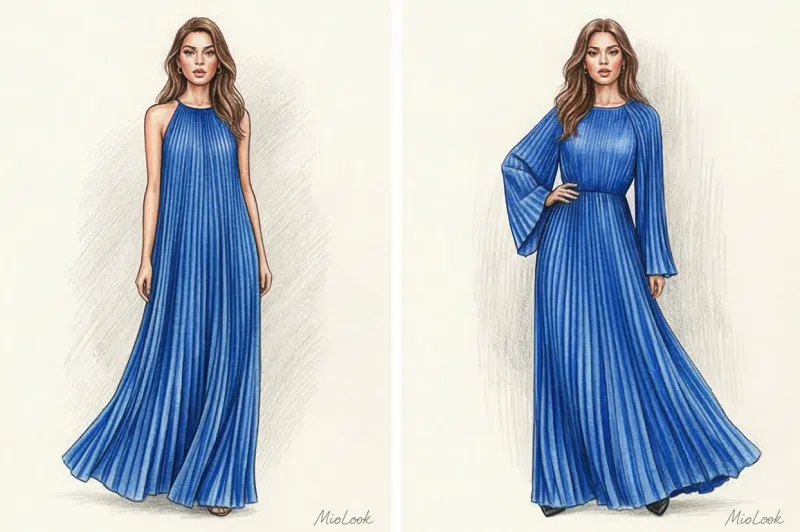
Since vertical pleats can add visual volume to the lower body, the silhouette requires a careful balance of proportions. A wide pleated skirt should be paired with a fitted top—for example, a smooth turtleneck or a tucked-in basic blouse. Another option: layer a long, straight jacket over the skirt and tie it with a belt to create a distinct waistline.
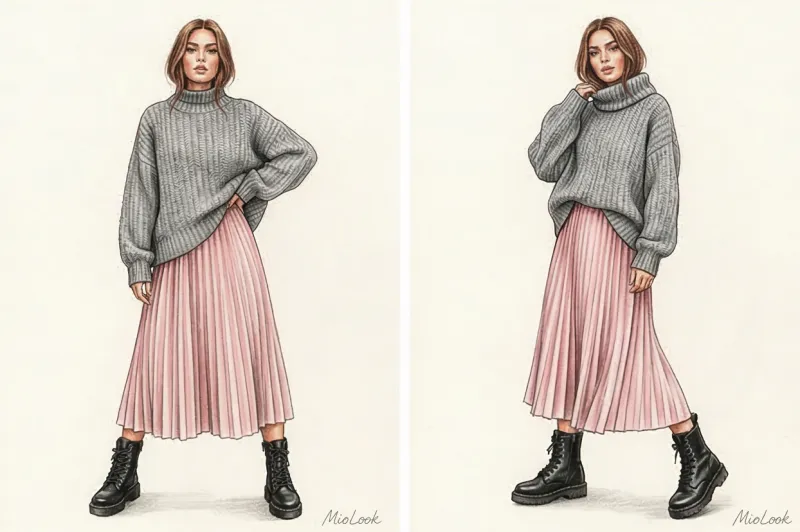
The choice of footwear depends on the overall style of the outfit, as pleated fabrics are highly versatile. Classic pumps are perfect for evening wear. In the cold season, pleated midi skirts are paired with tall leather boots whose shafts extend below the hem. For a relaxed, smart-casual look, textured pieces are paired with chunky sneakers or chunky lace-up boots.