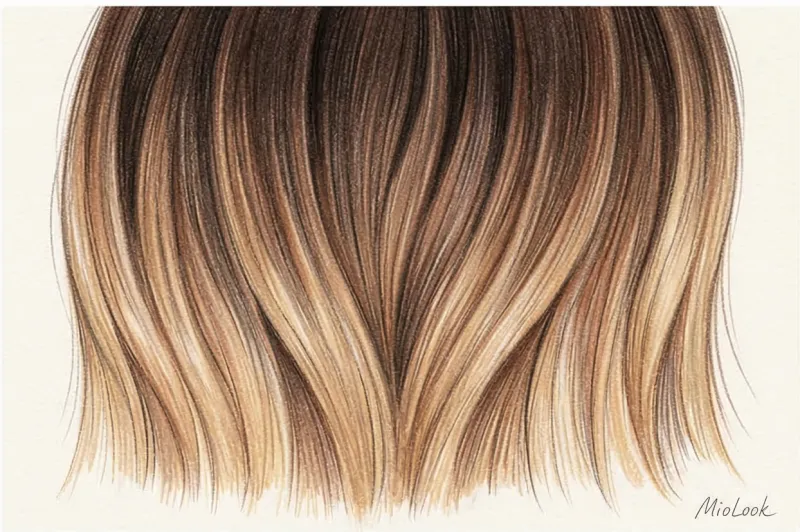
What is balayage?
Balayage — is a hair coloring technique in which the stylist applies the lightening compound with a brush using loose, sweeping movements.
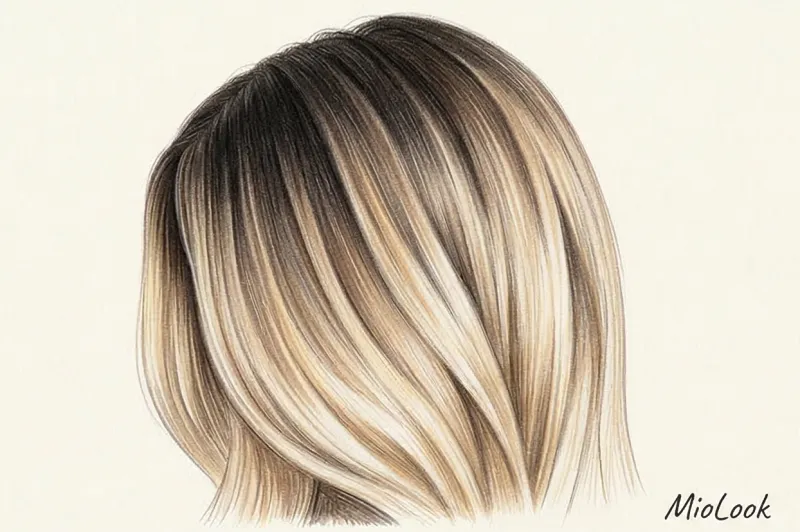
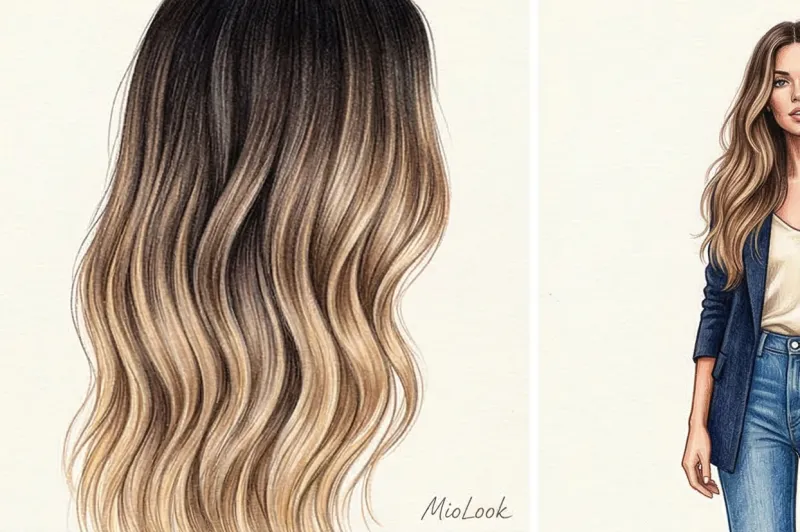
The name itself comes from the French word balayer , which translates as "to sweep" or "to brush away." The main visual feature of this method is the creation of naturally sun-bleached strands. The gradient is created with a smooth, low-contrast transition from darker roots to lighter ends, be it honey, ash, or wheat-colored shades.
Unlike classic highlights or ombre, balayage rarely uses foil or heat-shrinkable paper. The lightening powder or dye is applied in the open air, resulting in a soft, blurred transition without harsh color blocks.
Distinctive features
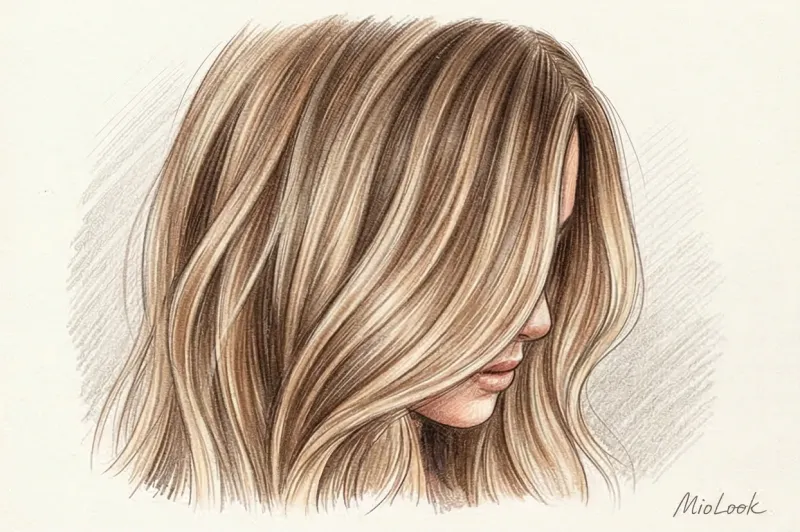
The dye is applied superficially, primarily to the top layer of hair. Hairstylists often use a V-shaped application pattern on each individual strand, creating a unique highlight pattern, visual volume, and multidimensional texture.
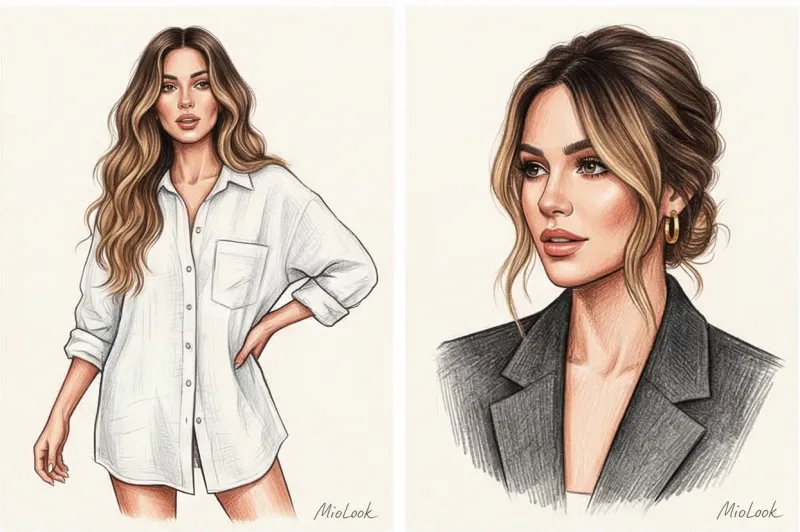
The coloring begins with a gradual fade from the scalp, maintaining a natural base at the roots. This allows the hair to grow out unnoticeably, without creating a distinct horizontal stripe that requires immediate coloring. Balayage is often combined with accent highlighting of strands near the face.
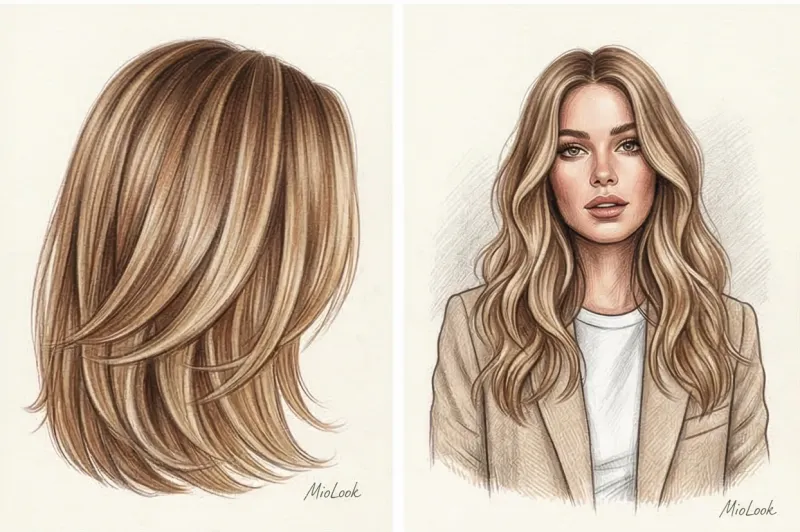
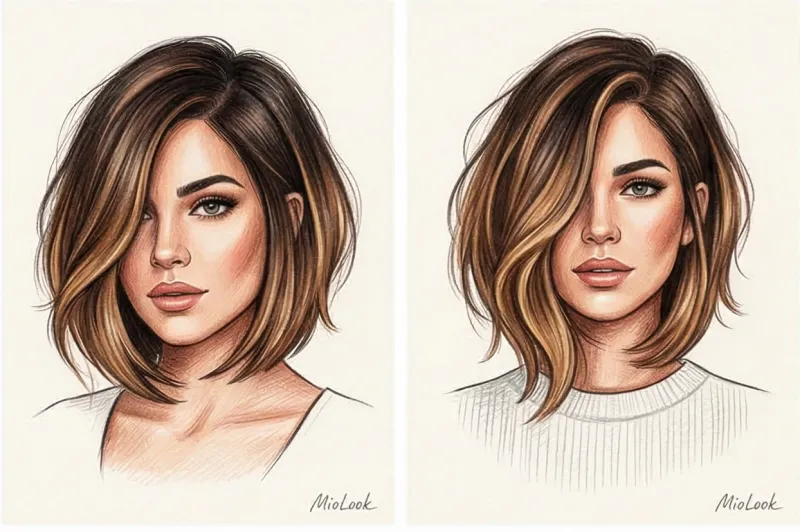
The technique is versatile in terms of texture and length. Balayage works beautifully on both straight and curly hair, highlighting the geometric shapes of any haircut—from a textured bob to a layered cascade on very long locks.
How to care
Thanks to the natural color at the roots and the lack of harsh edges, balayage rarely requires touch-ups. On average, touch-ups are performed once every 3-6 months, making the technique convenient for those who don't plan to visit the salon every month.
To prevent color fading and unwanted warmth, toners are used. Blondes are recommended to use shampoos or masks with violet pigment to neutralize brassiness, while brunettes with caramel or copper balayage should use pigmented conditioners to maintain the richness of warm tones.
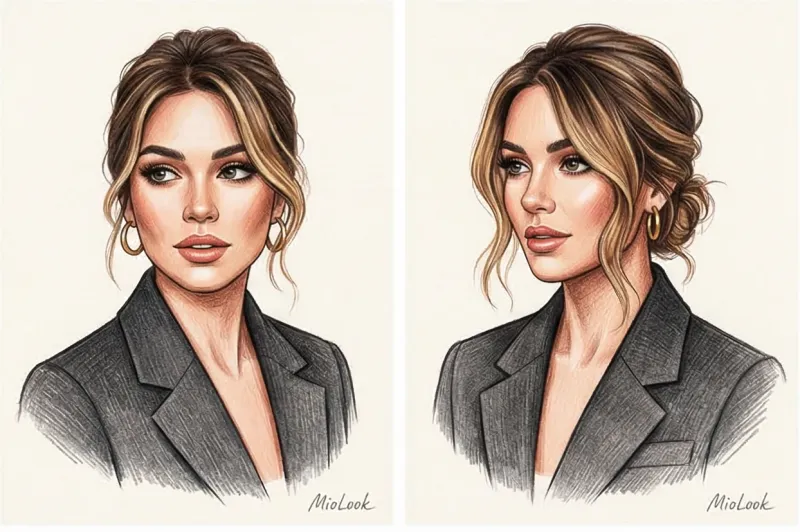
Since this technique involves lightening the ends, the hair structure requires intensive restoration. Regular at-home care should include lipid masks, moisturizing conditioners, and leave-in heat protection in the form of a cream or spray to prevent dryness and split ends.