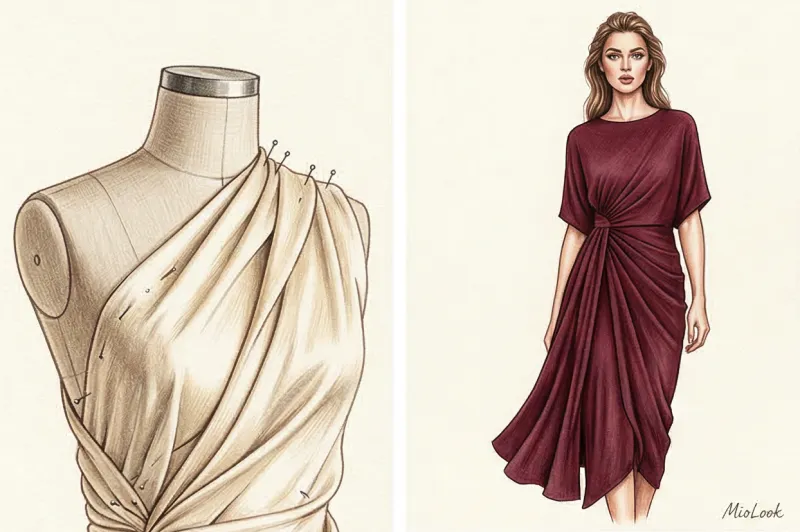
What is draping?
Draping — is a method of creating clothing on a mock-up basis, in which fabric is laid out, folded, and pinned directly onto a mannequin or figure, bypassing the step of constructing flat paper patterns.
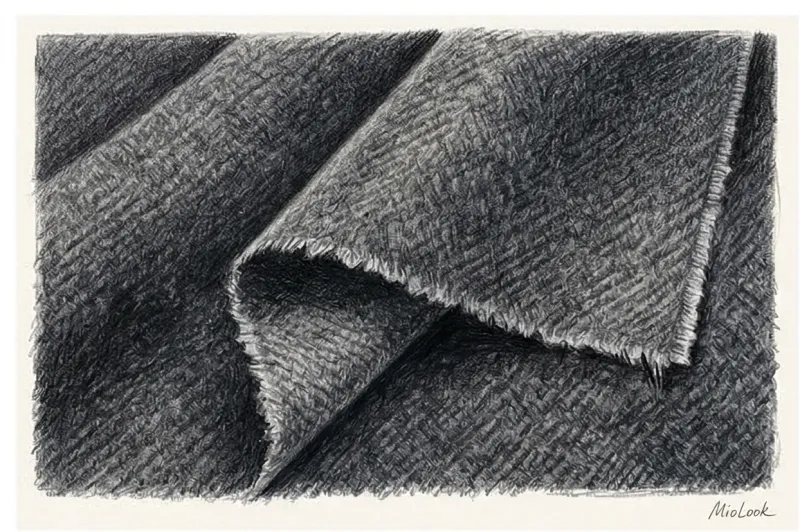
In the context of ready-to-wear, draping refers to the presence of soft, flowing folds, gathers, knots, and waves on a garment, which shape the garment's architecture and impart movement. Historically, this technique dates back to ancient clothing, such as Greek chitons and Roman togas. French fashion designer Madeleine Vionnet introduced the draping method to modern fashion in the early 20th century, creating dresses that flow along the natural curves of the figure.
Distinctive features
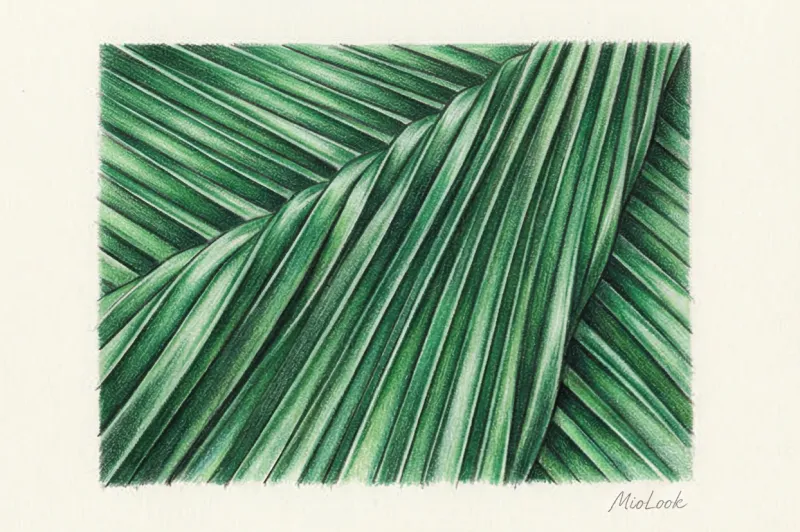
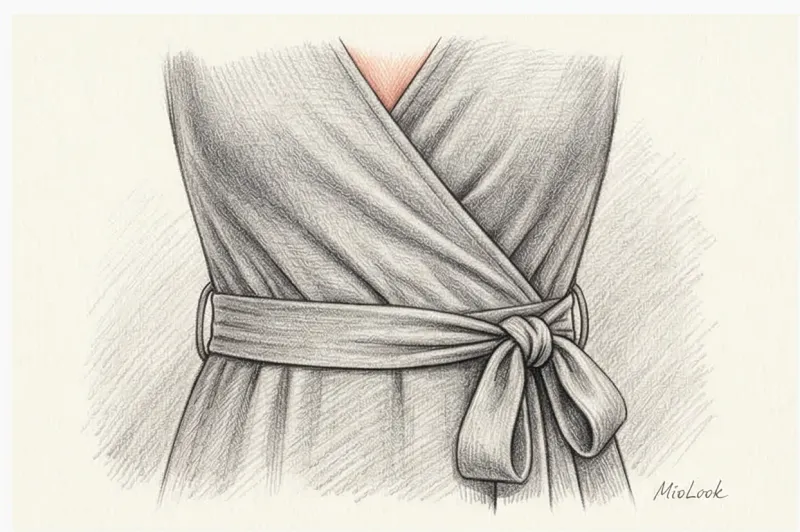
The key feature of draping is asymmetry and complex geometric cuts. Pleats are often gathered at a single focal point—at the waist, hip, or shoulder—or positioned diagonally, creating a voluminous 3D relief.
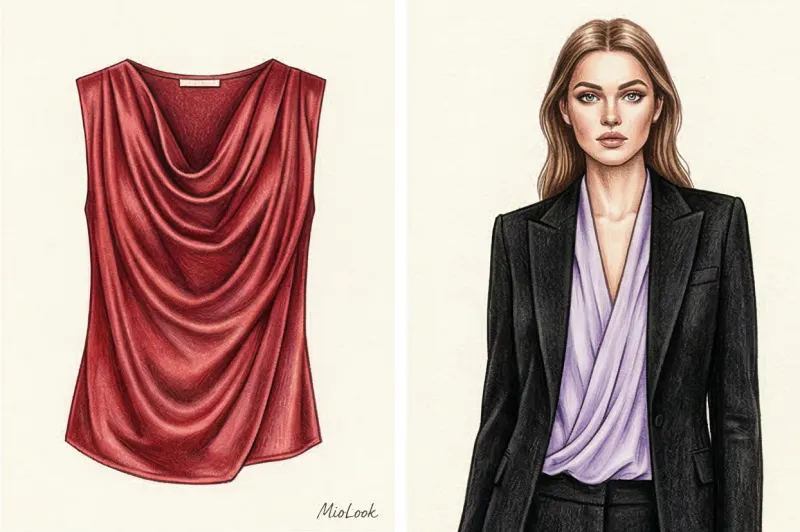
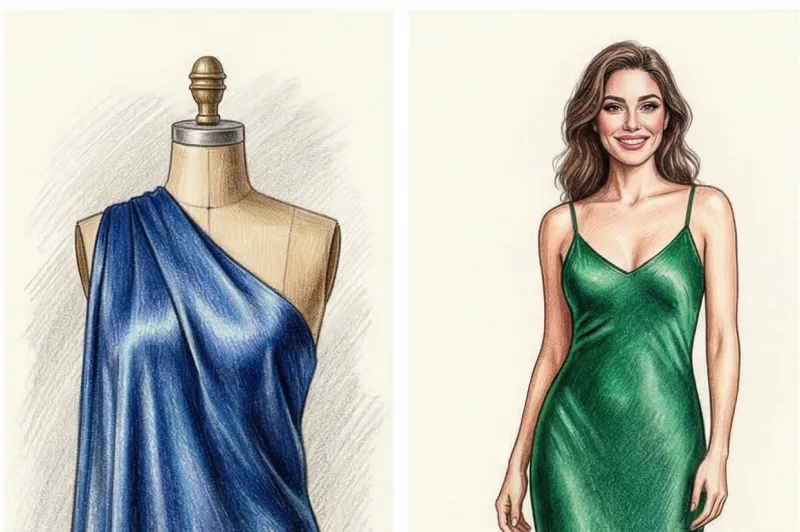
Unlike rigid, set folds like pleats or pintucks, draping is not ironed. This allows the fabric to retain its movement and flow freely as you walk. To create proper draping, only flexible, flowing materials are used: silk, chiffon, viscose, fine knits, crepe, and satin.
The directed lines of these folds can create optical illusions. They visually correct the silhouette by adding volume in the right places or by concealing figure features.
How to wear
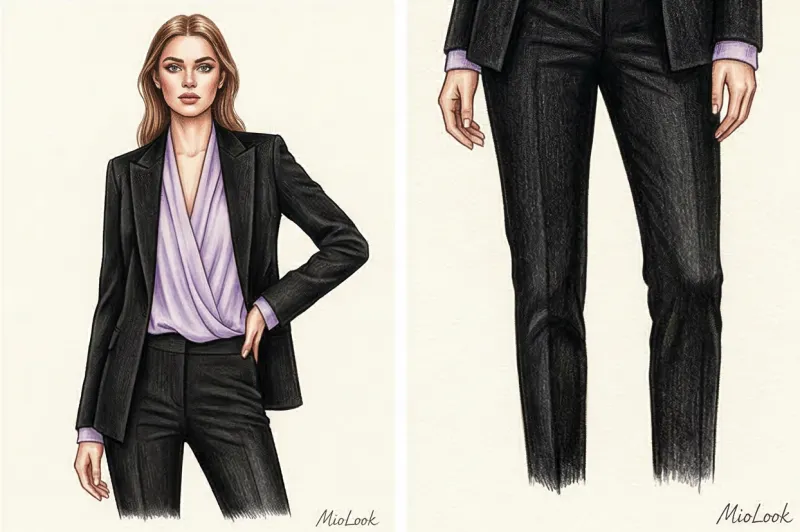
A heavily draped garment requires a simple, straight-cut or fitted pairing. For example, a top with intricate pleats pairs harmoniously with tailored pleated trousers or a classic pencil skirt.
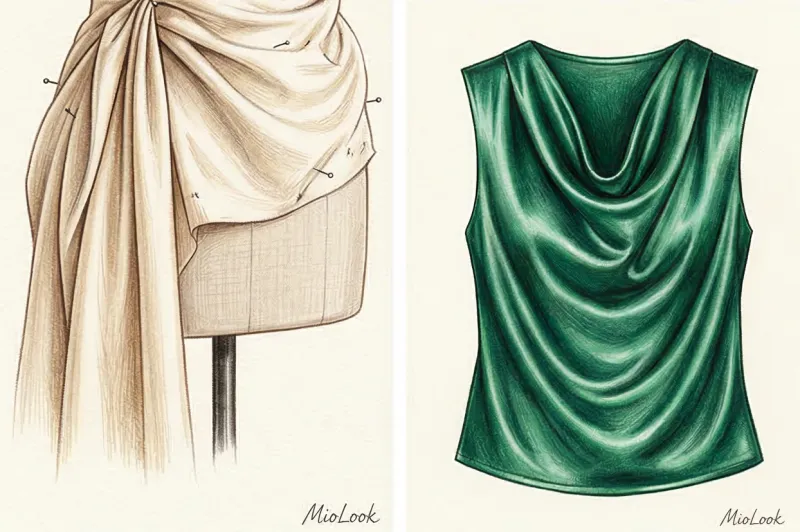
Draping helps create a subtle figure contouring effect. A knot or wrap at the waist conceals the belly, while a swing neckline visually enhances the décolleté. When adapting to a business dress code, choose matte fabrics, such as thick viscose or suiting crepe, with minimalist draping on a sheath dress.
For evening looks, glossy textures with deep, shimmering folds are used. The intricate texture of the fabric is a stand-alone accent, so accessories should be kept to a minimum in the draped area. Massive necklaces or brooches placed over the folds overwhelm the look and disrupt the geometric structure of the garment.