What is mohair?
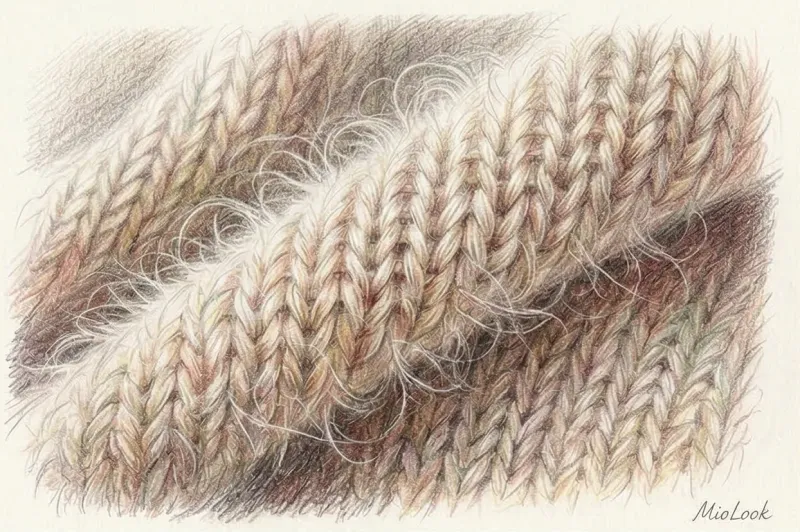
Mohair — is a yarn and fabric obtained exclusively from the wool of Angora goats. It is important not to confuse this material with angora, which is produced from the down of Angora rabbits.
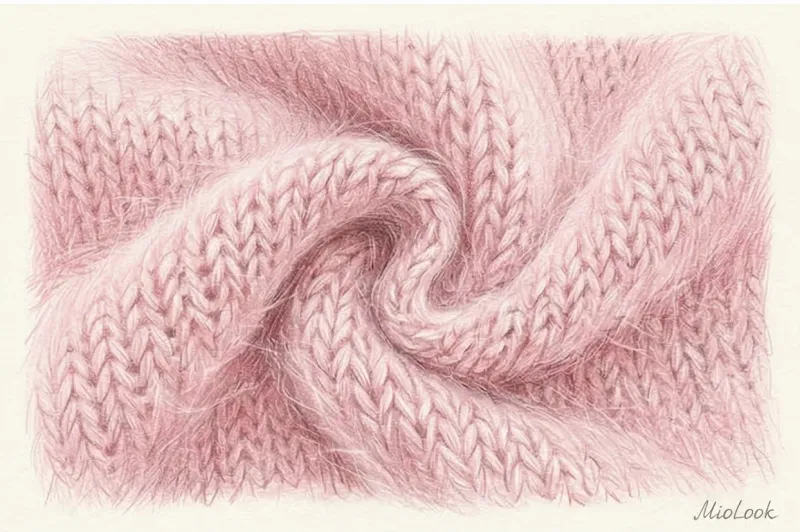
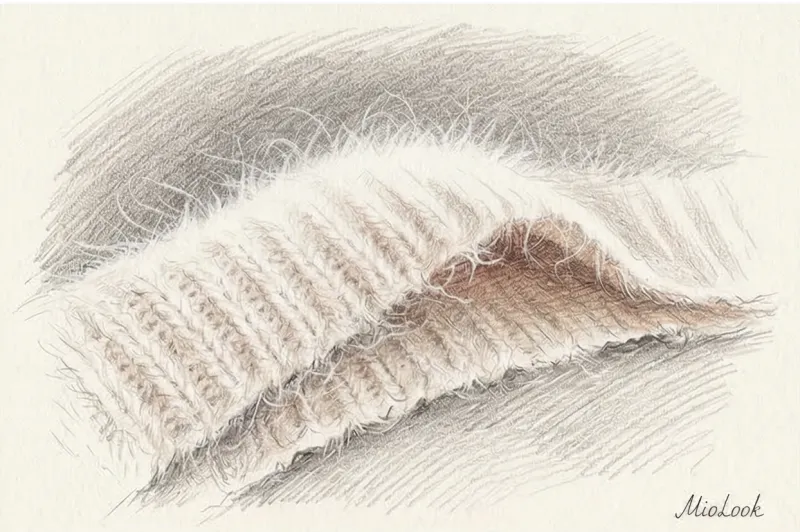
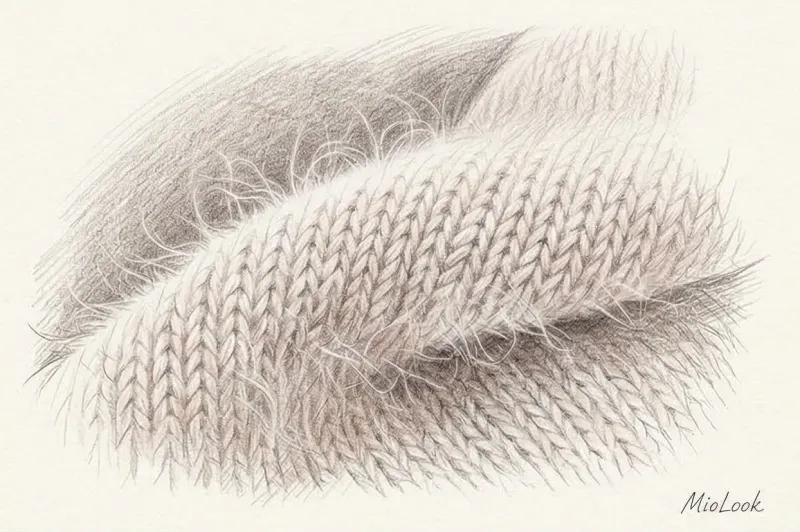
The fiber is distinguished by its characteristic long, fluffy pile, which forms a so-called halo around the thread. The material has a natural silky sheen, is extremely lightweight, and has excellent thermal insulation properties.
Due to the smooth structure of goat hair scales, mohair does not form a dense thread on its own. During the production process, it is always blended with a base yarn: natural silk, sheep's wool, or acrylic. This allows the yarn to retain its shape and strength.
Main types
Mohair classification depends on the age of the animal from which the wool was obtained. There are three main categories of fiber.
- Kid Mohair (kid mohair): Goat wool from the first shearing, up to six months of age. This is the finest, softest, and most expensive fiber. It is used to knit weightless, translucent jumpers and gossamer shawls.
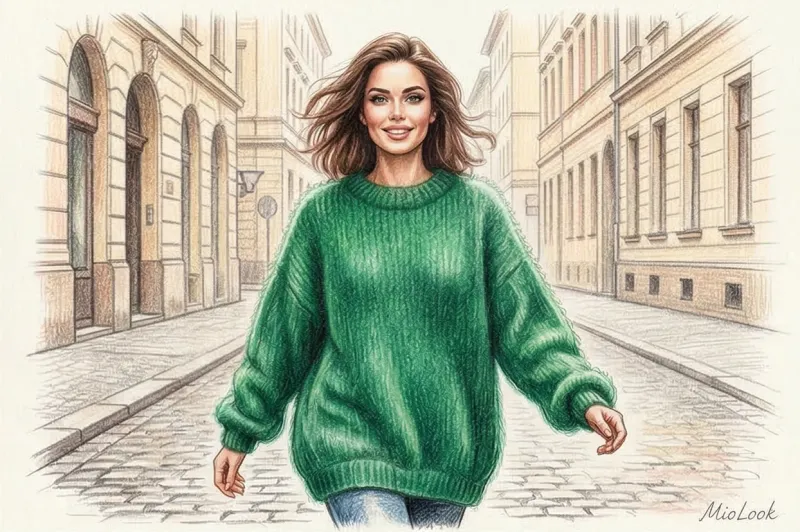
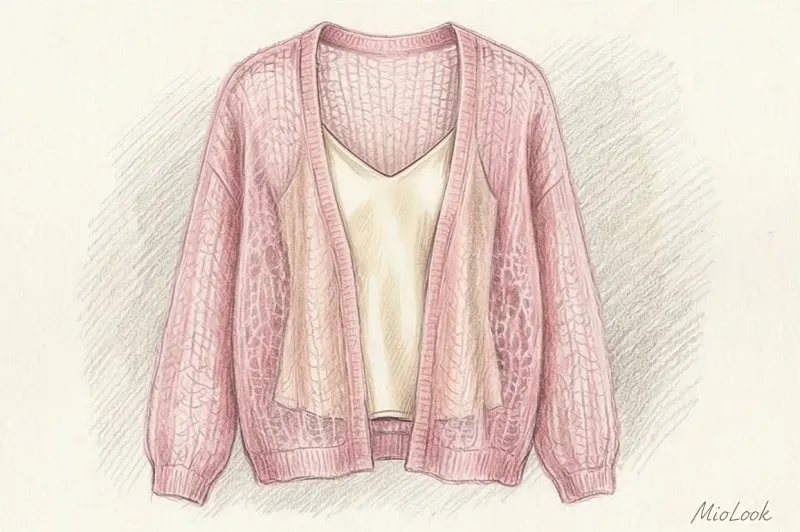
- Goating Mohair Wool from animals aged six months to two years. The resulting yarn is denser and more elastic. It is used to create voluminous sweaters, warm cardigans, and suiting fabrics.
- Adult Mohair Wool from adult goats. The thickest, stiffest, and most durable fiber. It is used for outerwear, such as fleecy coats, and heavy knitwear.
How to care
Mohair items require delicate handling and should only be hand washed. Use cool water, no hotter than 30°C. Only specialized liquid detergents for delicate fabrics or wool are suitable for cleaning.
Never rub, wring, or spin the mohair in a washing machine. Dry mohair flat. Lay the damp item flat on a dry terry towel away from direct sunlight and heating devices to prevent shrinkage and deformation.
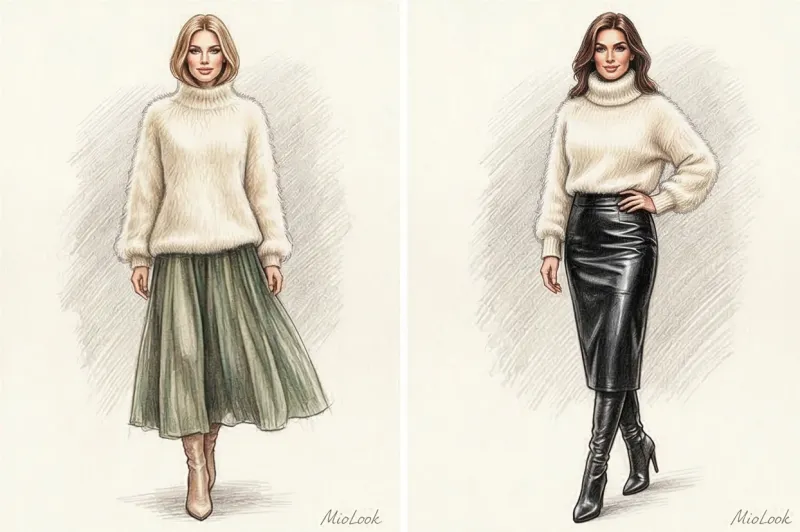
To restore the fluffy pile after drying, gently shake the item or brush it with a special clothes brush, strictly in the direction of the pile. Mohair knitwear should be stored folded on a shelf. When hung, such items quickly stretch under their own weight and lose their original shape.