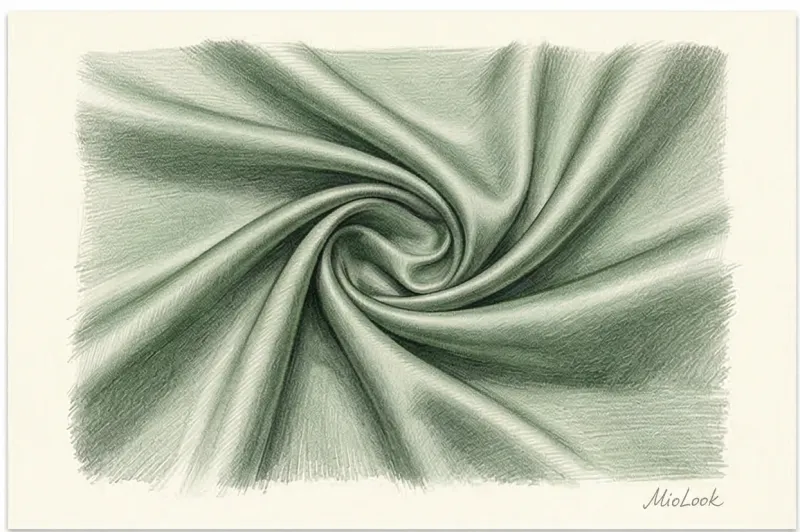
What is cupra?
Cupra (copper-ammonia fiber) is an artificial fabric created from natural raw materials: cotton fluff (linter), which remains on the cotton seeds after primary processing.
The production process involves dissolving cellulose in a special copper-ammonia solution. After a chemical reaction, the resulting mass is transformed into ultra-fine, perfectly smooth threads.
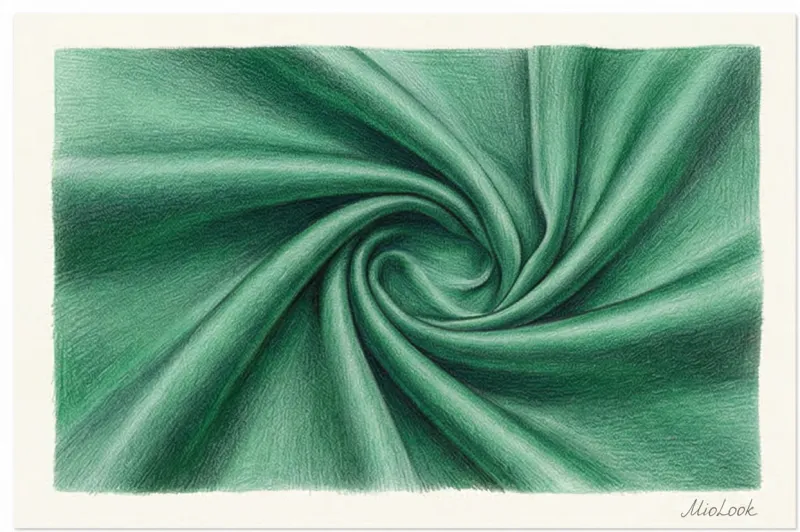
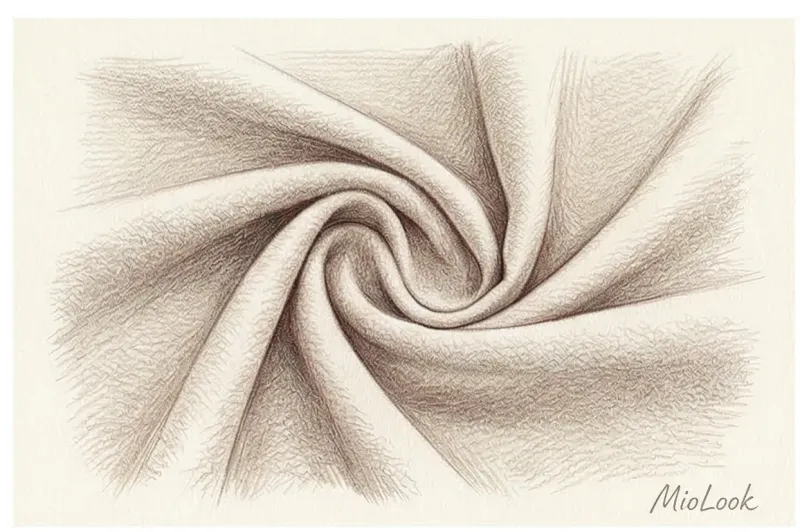
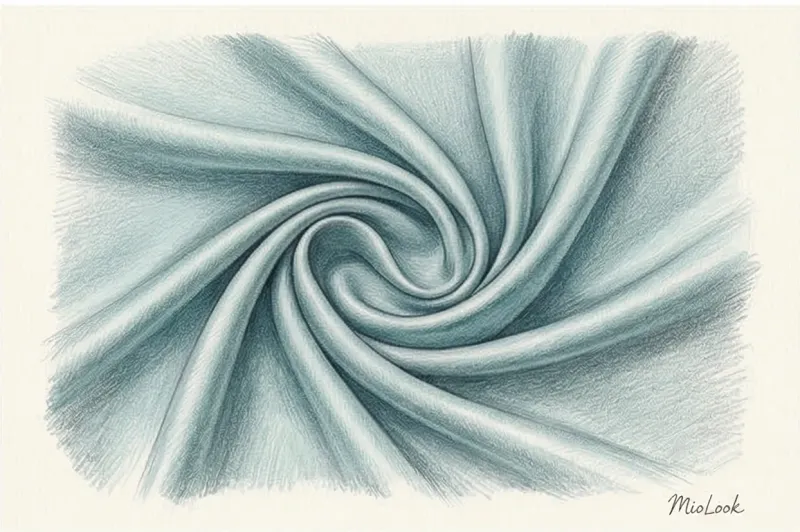
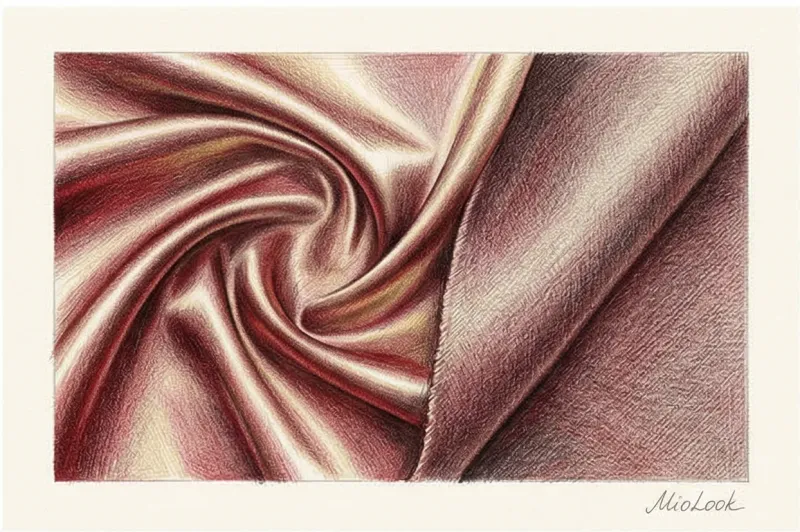
In the fashion industry, this material is often referred to as "vegan silk." The fabric has a visual and tactile similarity to natural silk, but is made exclusively from plant fibers.
Distinctive features
The fabric has a muted sheen and a smooth surface. It easily forms fluid folds, making it suitable for creating intricate draperies.

Cupra is highly hygroscopic and breathable. The material has a thermoregulatory effect: it cools the skin in hot weather and retains heat when the temperature drops. Unlike many synthetic alternatives, cupra does not accumulate static electricity and does not stick to the body.
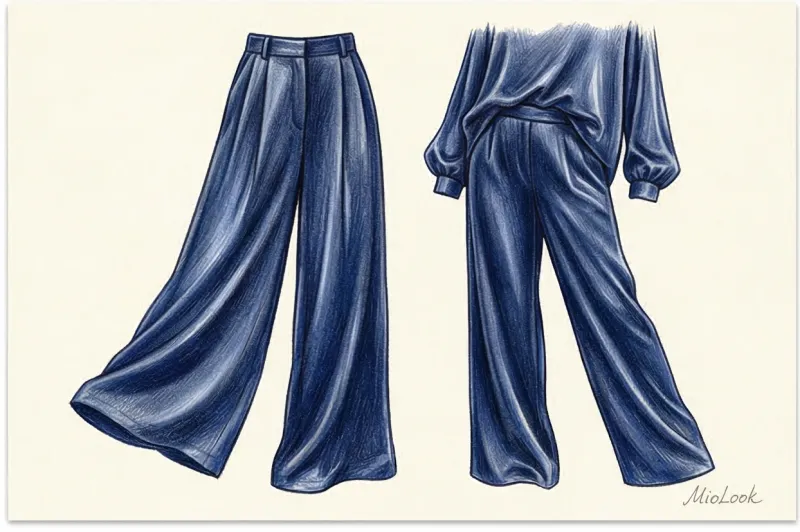
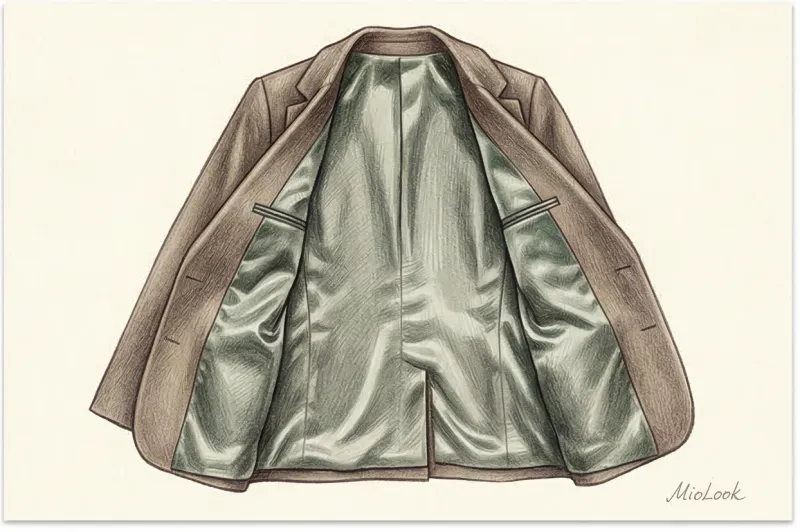
This material is used to create flowing dresses, loose blouses, and wide-leg palazzo pants. Cupra is also often used as a premium lining for classic men's and women's suits, jackets, and coats.
How to care
Copper-ammonia fiber products require delicate handling. Hand or gentle machine washing at a temperature no higher than 30°C (86°F) using mild liquid detergents is recommended.
When washing, do not rub, wring, or spin wet fabrics at high speeds. Dry items flat or on a soft hanger.
To prevent shrinkage and pigment fading, avoid direct sunlight and near heating appliances. Iron cupra fabrics on the reverse side only, using the lowest temperature setting (marked "silk").
When using an iron or steamer, avoid allowing water droplets to come into contact with the surface of the fabric. Spots of moisture can leave visible streaks and stains on the fabric, requiring rewashing.