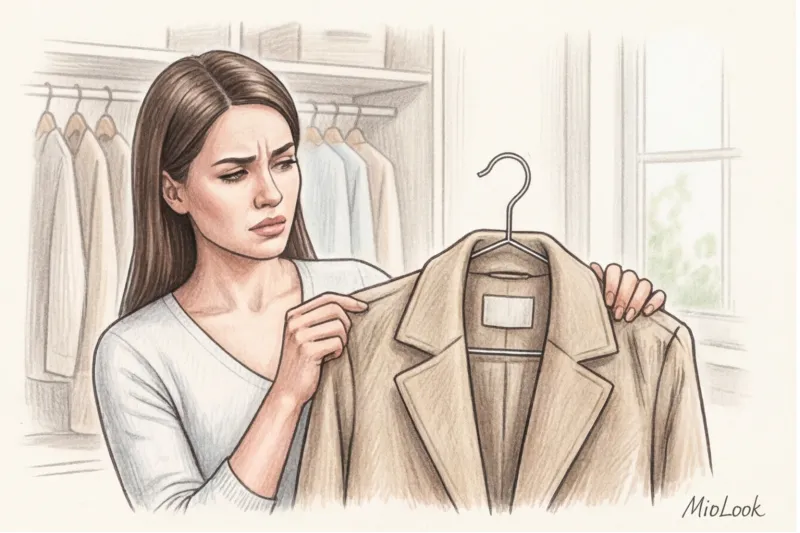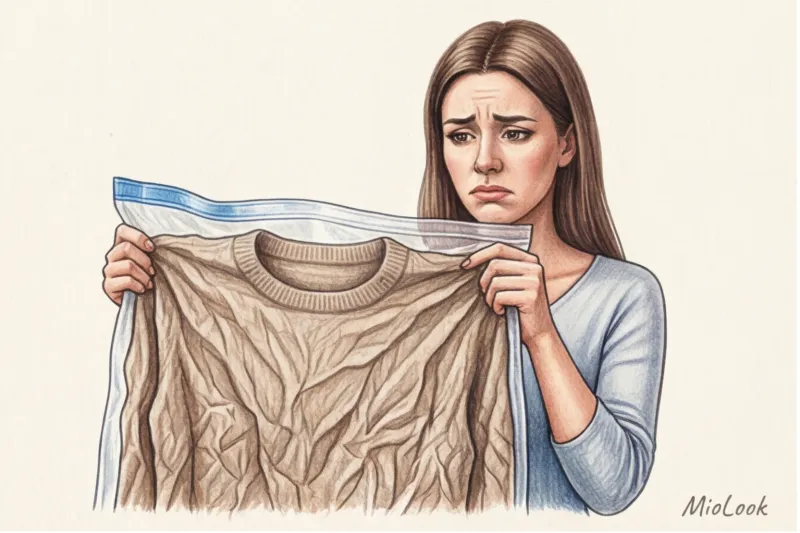
In my 12 years as a fashion journalist and personal stylist, I've witnessed many fashion tragedies. But one of the most painful occurred last fall at my client's country house. We pulled a luxurious Bottega Veneta leather coat out of the back of the closet to prepare it for the season. The client had carefully stored it in a thick plastic bag from the dry cleaner. The result? The leather had dried out to the point of cardboard, and microcracks had appeared along the shoulders. A 3,000-euro investment had become an unwearable garment.
Most of us perceive the change of seasons as a simple logistical task: put away warm clothes, bring out light ones. But when it comes to premium materials, the rules of the game change. The question is, How to store a leather jacket Caring for a new or expensive pair of shoes isn't about space management. It's about applied physics and chemistry, which determine whether an item will retain its status and shape next year. We've covered the basic principles of caring for such items in more detail in our complete guide. How to Care for Leather: A Stylist's Guide.
Anatomy of a Material: Why Does Leather Age in the Closet?
Genuine leather is not a synthetic material woven in a factory. It is a biological, porous material that continues to "live" and breathe even after complex tanning and dyeing processes. Within the leather's structure is a natural lipid (fat) layer that ensures its elasticity.
Chemical processes occur unnoticed in a closed closet. Moisture evaporates, and lipids gradually dry out. Once this balance is disrupted, skin loses elasticity. That's why a misshapen, over-dried garment instantly cheapens your look. You can wear a basic turtleneck from the mass market, but if you throw on a jacket with impeccable shoulders and a vibrant, nourished shine, you look like a million bucks. If your skin is dull and covered in unnatural folds, the magic disappears.
Leather has a strong "shape memory." If you leave a jacket with a crease on the sleeve for 3-4 months, the fibers will become fixed in that position. Restoring them to their original state without professional restoration will be nearly impossible.
The Main Mistakes: How Not to Store a Leather Jacket and Shoes
For years, the household service industry has been telling us: the season is over, take your clothes to the dry cleaner. I am categorically opposed to this automatic pattern. Harsh dry cleaning (especially with perchloroethylene) mercilessly strips leather of its natural oils. Unless the item has stubborn stains or heavy soiling, an annual dry cleaning is more likely to ruin your wardrobe than save it.
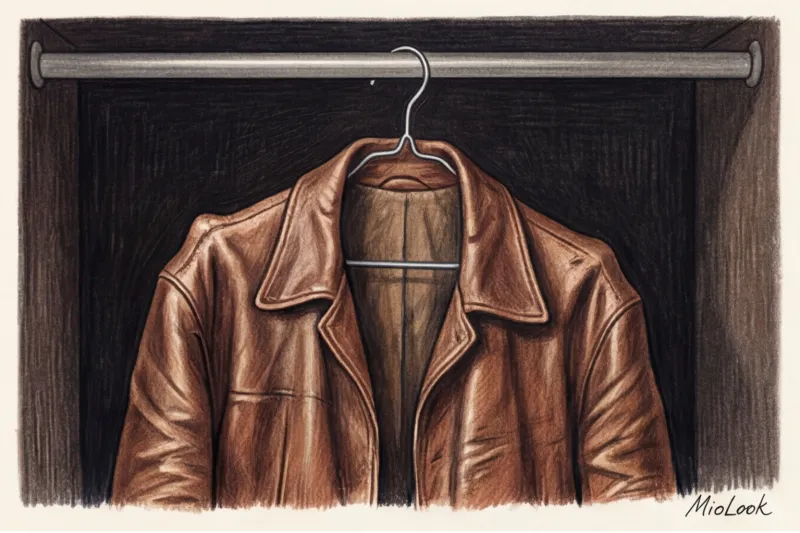
My personal pet peeve is thin hangers. A few years ago, I bought a stunning vintage Thierry Mugler jacket with distinctive, architectural shoulders. Foolishly, I left it on a dry cleaner's wire hanger for a month. The metal literally crushed the soft leather, leaving two ugly "horns" at the shoulder line. The geometry of the ingenious cut was ruined forever.
What else should you absolutely not do:
- Store in plastic cases. According to textile technologists, storing leather in polyethylene reduces the product's lifespan by 40%. Air exchange is stopped, and the microclimate becomes either too dry (causing the leather to crack) or too humid (causing mold).
- Place near heat sources. Batteries and radiators are the main contributors to the drying out and fragility of materials.
- Leave in direct sunlight. UV rays destroy pigment faster than you think. A black jacket can turn a dirty brown in just one season on an open hanger by the window.
Organize your closet like a pro
Try a smart inventory management system to know exactly what's stored where during the off-season. No more forgotten jackets in the back of the closet.
Get access — €0.99 oncePre-hibernation checklist: How to store a leather jacket during the off-season
In premium boutiques and fashion house archives, items are prepared for storage according to strict protocols. This doesn't take much time, but it guarantees that you'll retrieve the item in perfect condition six months later.
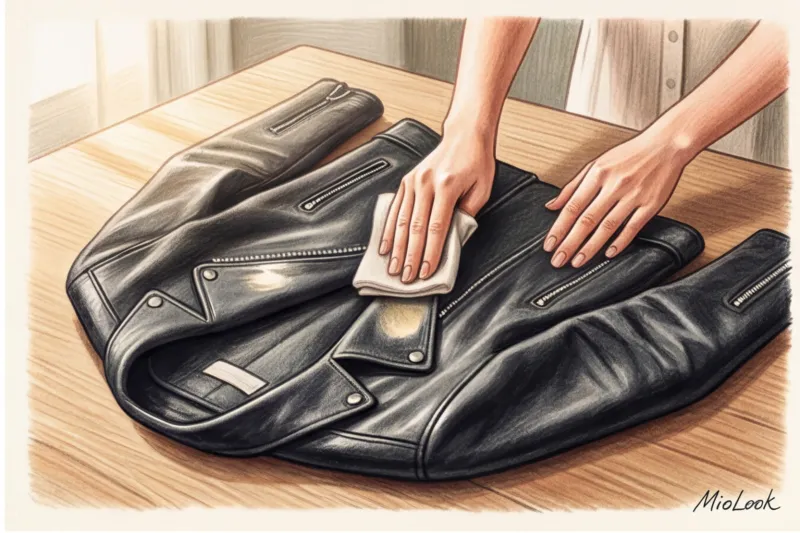
So, here's the correct algorithm for storing a leather jacket or coat:
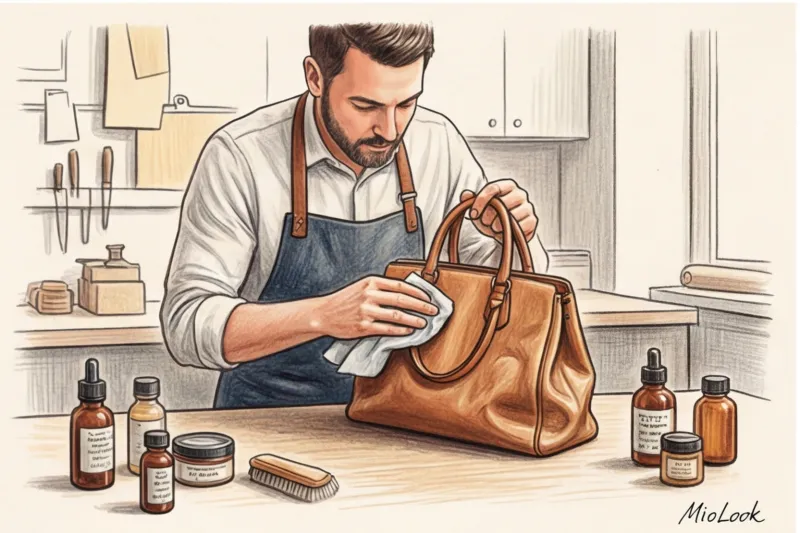
- Cleansing without chemicals. Wipe the item with a soft cloth (microfiber is best) slightly dampened with distilled water to remove city dust and smog.
- Conservation. Apply a high-quality leather conditioner. Look for lanolin, beeswax, or natural oils (such as mink). Let the conditioner soak in for 12-24 hours in a dark, ventilated area.
- Axial symmetry. Fasten all zippers, buttons, and snaps. This is critical! If the jacket hangs unbuttoned, its own weight will cause the lapels to pull down and become deformed.
Choosing the Right Hangers for Heavy Leather
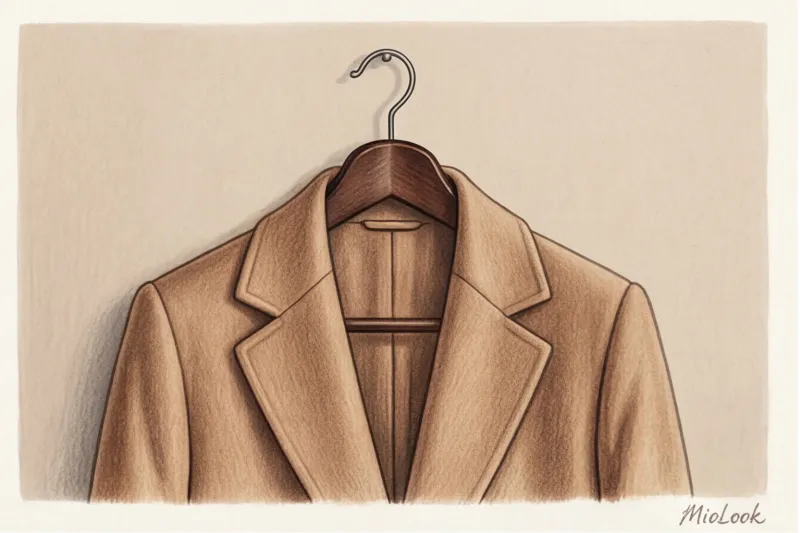
Forget plastic and wire. A leather jacket requires wide (3 to 5 cm at the ends) wooden hangers that follow the natural curve of the human back. It's crucial that the hanger size matches the shoulder width of the jacket. If the hangers are too long, they will stretch the sleeves; if they're too short, the jacket's shoulders will sag and lose their shape.
Breathable covers and moth protection
Use covers made only of natural cotton, linen, or high-quality, dense spunbond. Leather should "breathe." Instead of harsh chemical insect repellents (which can stain the material), place a sachet of natural Virginia cedar shavings or dried lavender in the bottom of the cover or in the pocket.
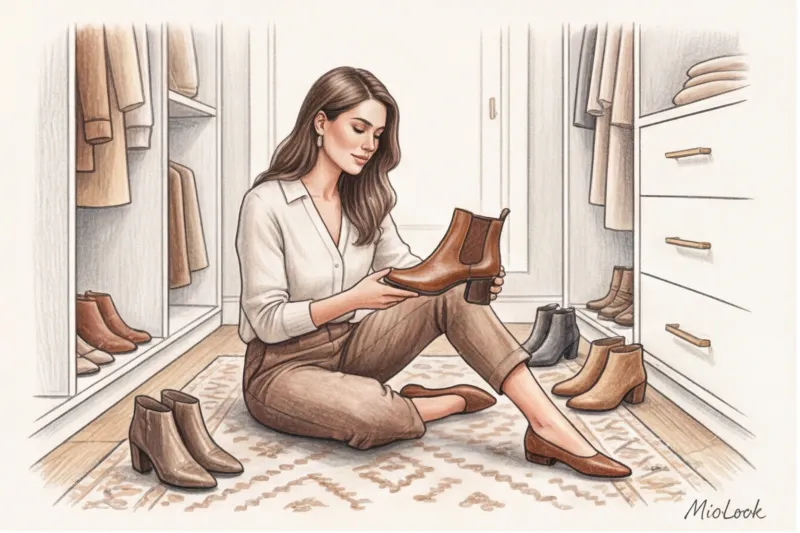
Secrets of a Shoe Wardrobe: Preserving Boots and Shoes
One of the most persistent and harmful myths is the old grandmother's method of "stuffing shoes with old newspapers for the winter." Why is this a disaster? Firstly, printing ink contains acids that oxidize the thin leather lining, making it brittle. Secondly, crumpled paper is extremely poor at wicking away moisture and creates an ideal environment for bacteria to grow inside the shoe.
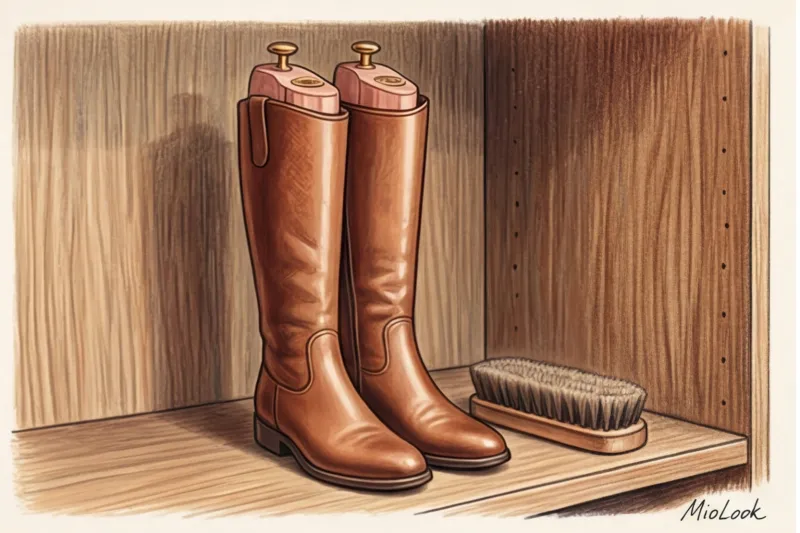
The only professional solution is wooden shoe trees. An absolute must-have is a tree made of unvarnished cedar. Cedar acts as a natural antiseptic sponge: it draws moisture out of the leather after wear and smooths out micro-creases in the vamp (the arch of the foot). Yes, a pair of good tree trees can cost around 30-50 euros. But this investment pays for itself in one season, saving you from having to take your expensive boots to a repair shop for 150 euros. If you collect a status capsule wardrobe for the office , this is the only way your loafers and oxfords should be stored.
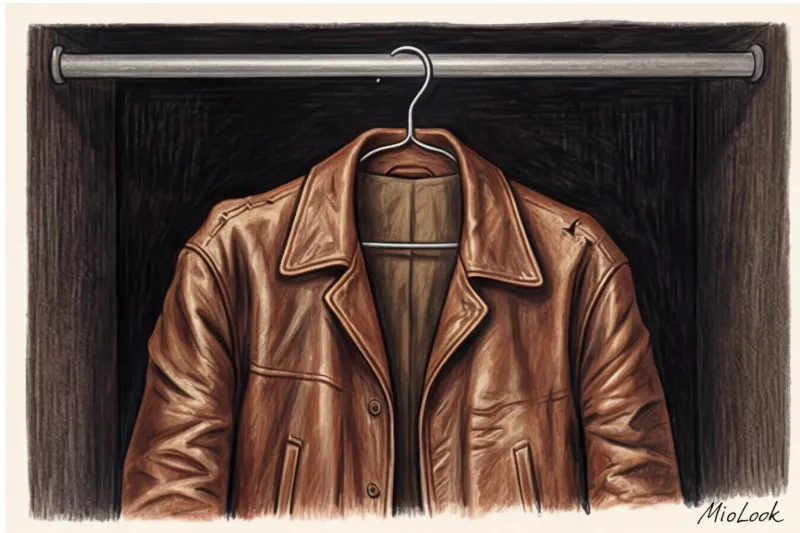
For tall boots, be sure to use shaft spacers (boomerangs or inflatable inserts). If the shaft bends in half and sits in a box for six months, a deep crease will form around the ankle and the zipper will become wavy.
Create the perfect shoe capsule
The MioLook intelligent assistant will analyze your footwear and suggest how to pair your favorite boots this season.
Try AI StylistWardrobe microclimate: ideal conditions for genuine leather
Many people mistakenly store seasonal items on an insulated balcony or loggia. This is a death sentence for the wardrobe. Leather is terrified of temperature and humidity changes.
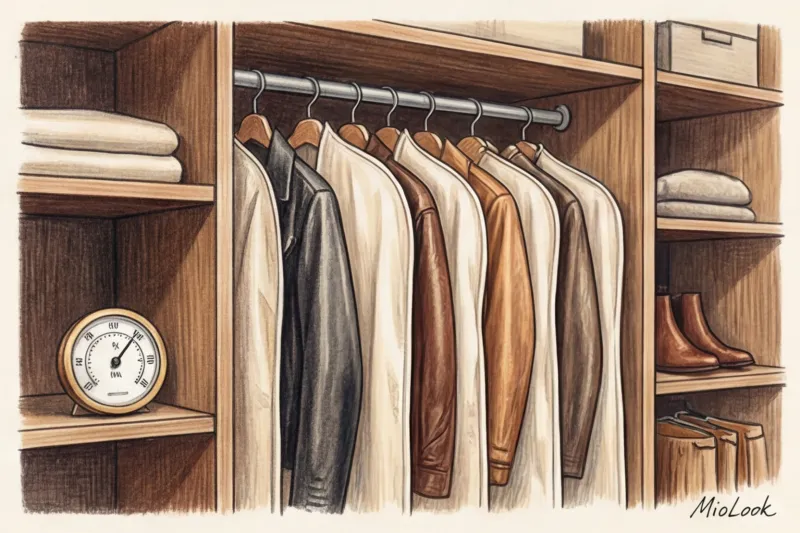
According to the Leather Research Laboratory and fashion museum storage guidelines, the ideal microclimate for genuine leather is as follows:
- Temperature: 18-22°C.
- Humidity: stable 45-55%.
If humidity drops below 40%, leather becomes dry. If it rises above 60%, hello, mold spores. My pro tip: if your closet isn't climate-controlled (and 90% of people aren't), use silica gel. Place silica gel packets in shoe boxes and on shelves with bags. It will absorb excess moisture during the off-season. And before putting your clothes away for the season, do a thorough cleaning. cabinet inspection , to make room for air circulation.
Storage tips for suede and eco-leather
Treating all materials the same is a common mistake. What works well on smooth calfskin can be harmful to suede or modern polyurethane.
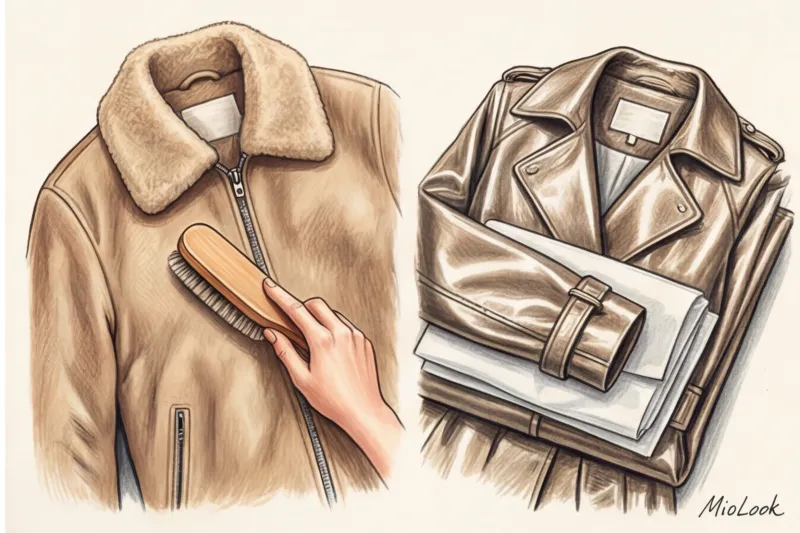
Suede and nubuck: Before storing a suede jacket, its nap must be loosened and cleaned. Use a special crepe brush (made of soft rubber). Brush in one direction only. Never apply greasy conditioners to suede—only special water-based or fluorocarbon-based protective sprays.
Eco-leather (polyurethane): This material requires special care when folding. The main risk with faux leather is sticking. If you fold faux leather pants or a trench coat tightly and leave them under pressure from other items, the polyurethane layers can literally fuse together. If you try to separate them, the top layer will simply peel off. To avoid this, never store faux leather items in stacks. Hang them on hangers or interleave each fold with acid-free tissue paper.
Emergency Resuscitation: What to Do After Improper Storage
What should you do if you've broken the rules and your jacket comes out of the closet wrinkled? The key is to avoid panicking and acting hastily.
If creases have formed: Let the item hang. Hang the jacket on a wide, properly sized hanger in the bathroom while you shower. The damp, warm steam (but not direct contact with water!) will soften the fibers slightly, and the weight will allow the item to straighten out within 2-3 days.
Be careful with the steamer! The internet is full of life hacks on how to iron leather or steam it. In my experience, every fifth case I see a restorer is because the client has "cooked" the leather. Hot steam destroys the protein structure, causing the leather to shrink, harden, and wrinkle permanently. It doesn't work. If you direct the steam jet directly onto the front side of the garment, avoid steaming. If ironing is unavoidable, iron only from the inside out, at the lowest temperature, using a thick, dry cotton cloth, and do not use steam.
If mold appears: Forget about wiping with vinegar. Household vinegar has an uncontrolled pH and can irreversibly burn paint. Mold spores penetrate deep into the pores, and superficial cleaning will only conceal the problem. In this case, the only option is to take your paint to a professional repair shop, where they use ozonizers and specialized leather fungicidal chemicals.
Storing your wardrobe isn't just about shuffling items from shelf to shelf. It's a ritual of respect for the pieces that define your personal style and status. Proper preservation works like a time machine: you stop the wear and tear of the material for six months, so that next season your favorite leather jacket will look like it just came out of the boutique.