
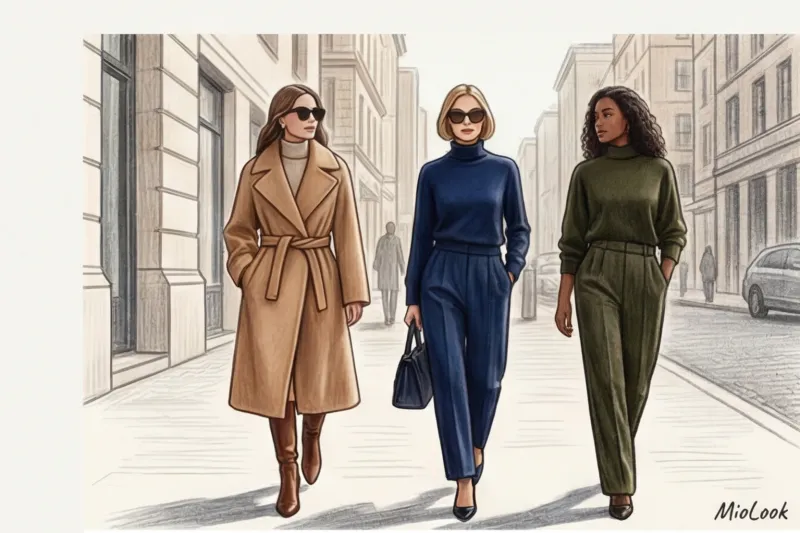
Over 12 years of working as a stylist and colorist, I've seen the same scene hundreds of times: a woman spends half her monthly budget on a recognizable designer bag, only to wear it with a thin, pilly cardigan from a mass-market store. Conversely, I regularly see clients in my consultations whose looks look like a million bucks, even though their entire outfit was bought at, say, Zara or COS for a hundred dollars.
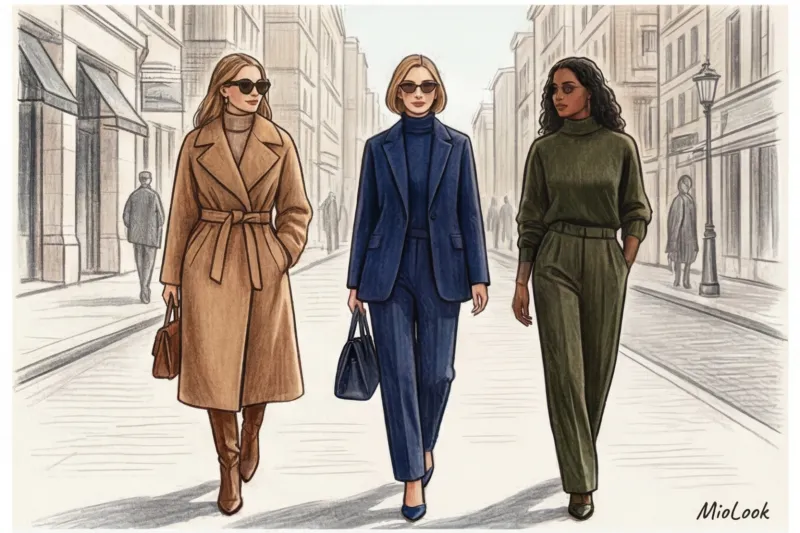
Let's be honest: style has long ceased to be measured by the number of zeros on the price tag. The demand for that, How to look stylish on a budget , is relevant today not only for female students, but also for high-income women who understand the value of smart shopping. We discussed finding your aesthetic in more detail in our The Complete Guide: How to Find Your Women's Clothing Style , but today we will focus on the physics and color of the wardrobe.
Instead of clichéd advice like "buy only the basics," I'll show you insider tips. You'll learn how light, fabric texture, and a few tailoring stitches can transform budget-friendly items into visually premium pieces.
The Illusion of Color: How to Look Stylish on a Budget by Choosing the Right Shades
I'll start by debunking the biggest fashion myth I hear from every other client: "Black is always elegant and safe." As a colorist, I have to warn you: in the budget segment, total black is your worst enemy.
Cheap black fabric (especially cotton, polyester, and inexpensive viscose) doesn't hold deep pigment. After three washes, it fades, acquires a greenish or rusty undertone, and acts as a magnet for dust and lint. Nothing cheapens a look more than washed-out, flat black.
If you want to look expensive without breaking the bank, opt for complex, blended shades. According to research by the Pantone Color Institute (2024), the human brain subconsciously perceives such colors as more substantial and prestigious because, historically, complex dyes were more expensive.
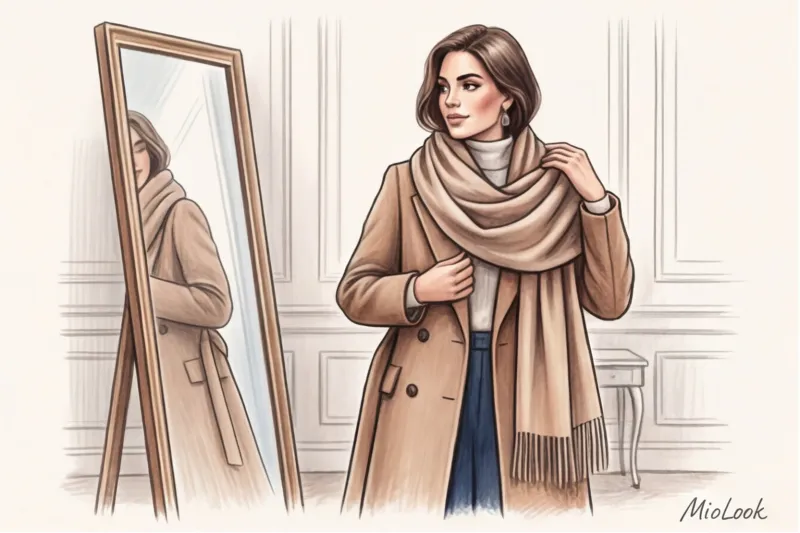
- Camel and Ecru: These shades have an amazing property - they reflect light in such a way that even inexpensive blended wool seems like the softest cashmere.
- Navy blue: The perfect alternative to black. It looks more formal, doesn't attract visual clutter, and hides imperfections perfectly.
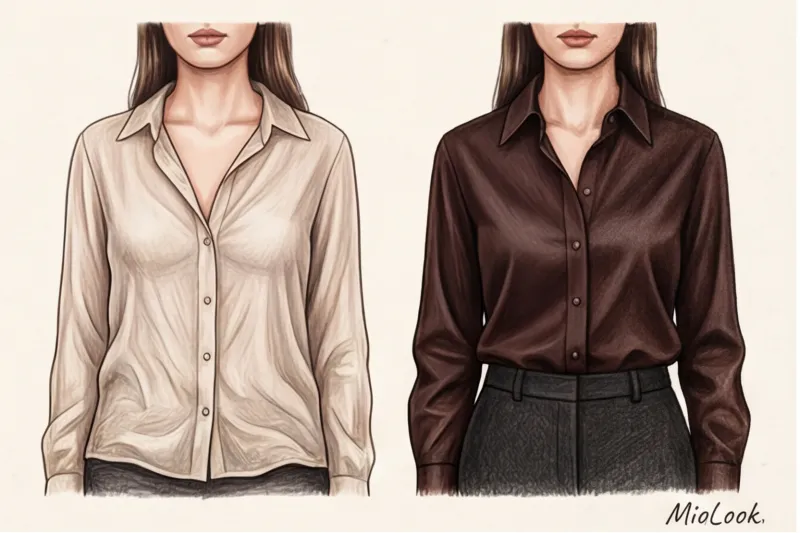
- Shades of dark chocolate and emerald: Rich, deep tones that are less common in the mass market and are therefore automatically perceived as “designer”.
"My favorite budget wardrobe trick is monochrome. A look composed of a single color palette (for example, different shades of off-white and beige) always looks more sophisticated than a contrasting color block of inexpensive pieces. The main rule of monochrome: mix different textures, otherwise you risk looking like you're wearing a uniform."
Tailor's Magic: The Secret That Mass-Market Brands Don't Tell You
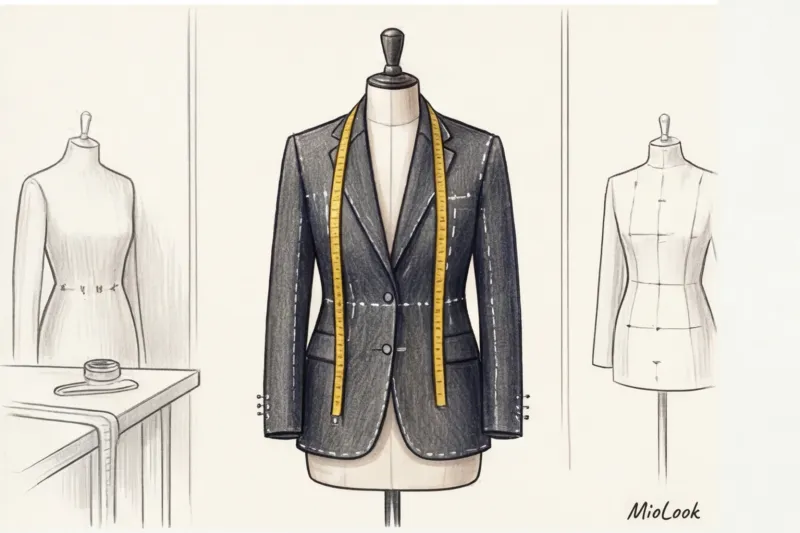
Mass-market brands tailor clothes for an average figure, which doesn't exist in nature. This is where that elusive "cheap" effect comes from: shoulder seams hang loose, darts are out of place, pants bunch up over shoes.
The main rule of luxury: a $30 item that fits your figure will always look more prestigious than a $500 designer jacket that's too baggy. Therein lies the secret to looking stylish on a budget.
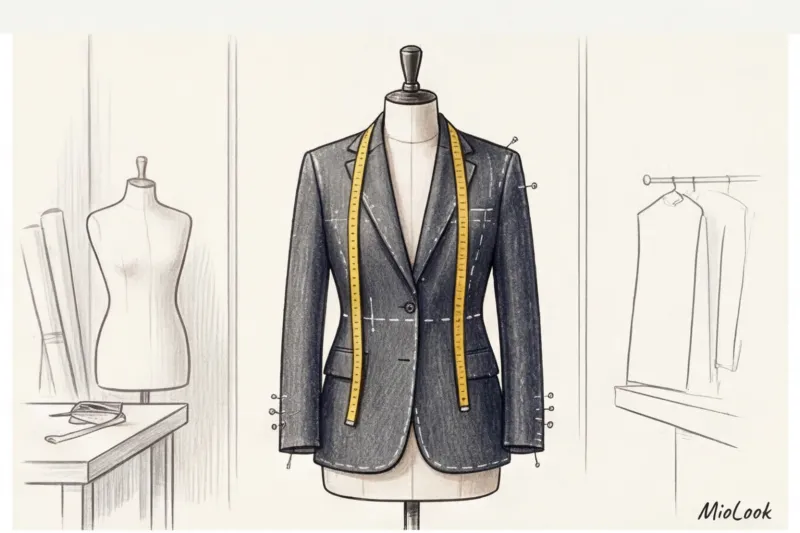
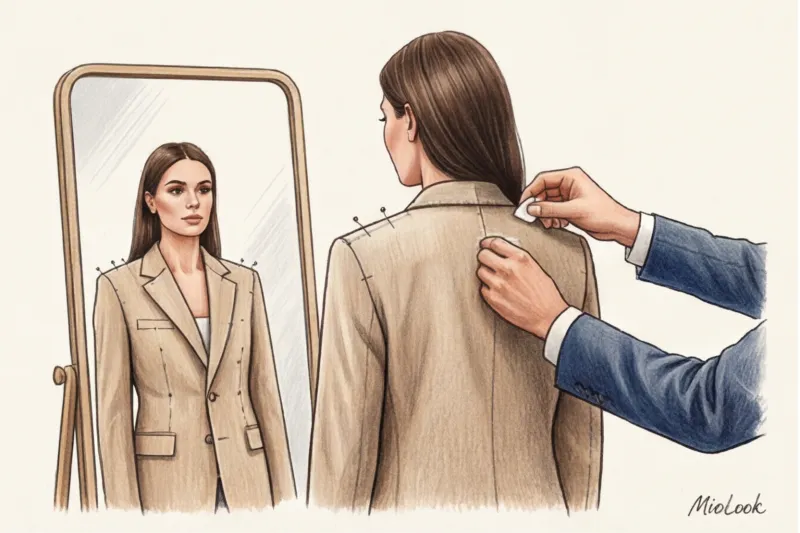
Statistics from my experience are unwavering: altering a basic jacket at a tailor costs an average of $15-20, but visually, this adds $200-300 to the cost of the garment. My personal life hack: I always advise my clients to buy structured items (jackets, coats, suit pants) a size larger and bring them to the tailor.
Top 3 makeovers that radically change the look:
- Sleeve length. The sleeve of a jacket or coat should end just at the wristbone, allowing 1-1.5 cm of shirt cuff to show. Sleeves that are too long create the impression that you're wearing an older brother's leftovers.
- Adjustable waist. The slightly reduced volume at the back instantly creates a chiseled silhouette.
- Length of trousers. This should be done while wearing the shoes you plan to pair them with. Folding at the bottom is an absolute no-no for a classy look.
Important limitation: This advice has its limits. A tailor isn't a magician. They can easily remove bulk at the waist or shorten the sleeves, but changing the shoulder line or adding volume to a garment without losing the quality of the cut is practically impossible. Always fit a garment at the widest part of your figure.
Your perfect look starts here
Join thousands of users who look flawless every day. MioLook's smart AI stylist will help you find the perfect combination.
Get access — €0.99 onceFabric texture: what indicates cheapness and what looks like a million bucks
Even the perfect color and cut won't save you if the fabric betrays its origin a mile away. In the budget segment, you need to be extremely selective. My professional in-store test takes exactly 10 seconds: I firmly squeeze the edge of the fabric in my fist. If, after releasing it, it feels like chewed paper, the item stays on the hanger. The second step is to hold it up to the light. Density is synonymous with quality.
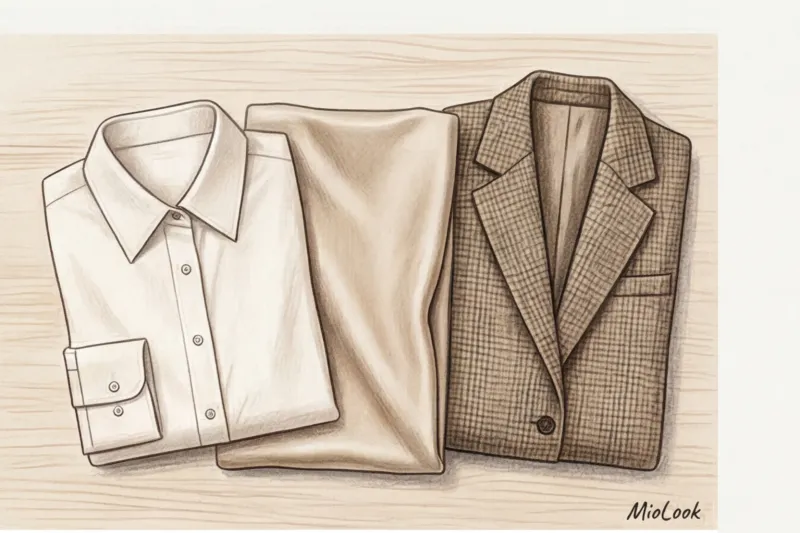
Fabrics that you absolutely should not buy cheap:
- Fine shiny satin and silk: Cheap polyester with shine looks vulgar and becomes electrified.
- Loose acrylic: After two weeks of wearing it, it will be covered in pea-sized pellets.
- Thin flimsy knitwear: hugs all the anatomical details of the figure and the underwear seams.
- Guipure and cheap lace: They are only appropriate when performed by luxury fashion houses.
Budget fabrics that look premium:
Look for heavyweight cotton (180 g/m² and up, which holds its shape like paper), viscose with a heavy matte finish (it flows rather than shines), and wool blends. Textured tweed, a la Chanel, is another go-to. Its uneven texture perfectly disguises the presence of synthetics.
Prints on a Budget: A Lifesaver or a Failure?
One day, a client came to see me wearing a dress with a luxurious, oversized floral print. From a distance, it looked stunning. But up close, it became clear: along the side seam, half of a huge red peony was joined to a green branch. This instantly gave away the dress's price.
In mass-market clothing, no one wastes fabric or the cutter's time on perfectly matching complex patterns at the seams. Therefore, safe prints for an affordable wardrobe are those where mismatching is unnoticeable: classic pinstripes, small houndstooth, or low-contrast checks.
The 80/20 Rule and Cost Per Wear Formula: Smart Investing
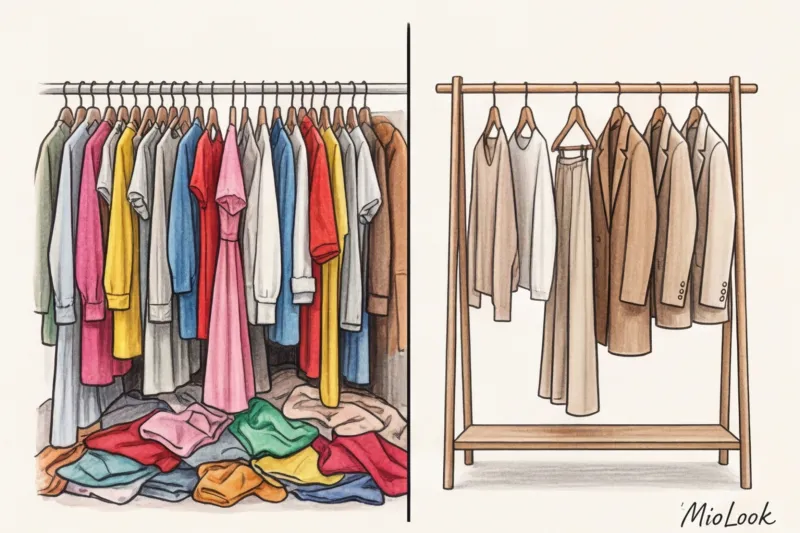
True style begins with an honest audit of your own life. Last week, we analyzed the wardrobe of a woman whose 80% of her budget was spent on cocktail dresses, sequins, and silk tops for "going out." The problem was, these "going out" days accounted for barely 5% of her actual time. The other 95% was spent going to the IT office and walking the dog in stretched-out sweatshirts because she had "nothing to wear."
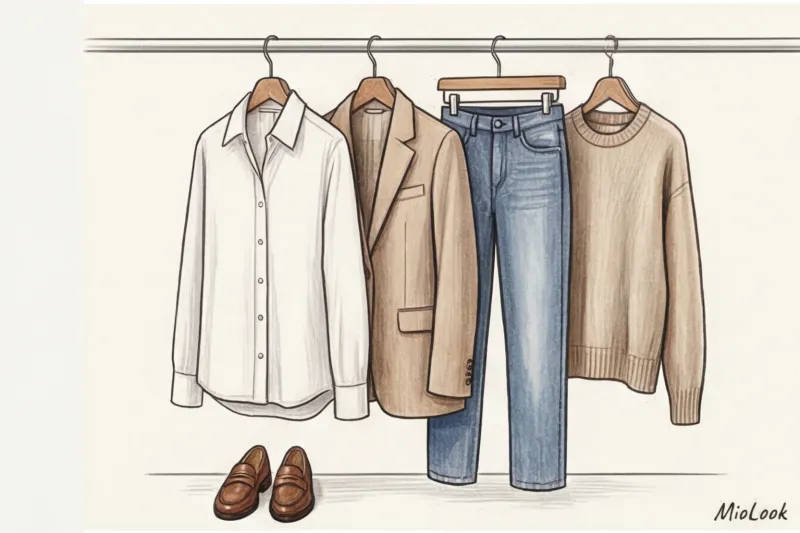
Apply the Cost Per Wear (CPOW) economic principle. The formula is simple: divide the cost of an item by the expected number of wears. A cheap, ultra-trendy $20 blouse that you'll wear once to a party has a CPOW of $20. A pair of $100 basic trousers that you'll wear twice a week for a year (100 wears) has a CPOW of $1. The second pair of trousers cost you 20 times less!
To look stylish on a budget, invest in everyday pieces like outerwear, quality leather shoes, and a structured bag. You can also save on essentials like white tees, cotton shirts, and trendy micro-accents.
Accessories and details: the one-minute rule for a status look
This is perhaps the most powerful and counterintuitive insight I can give you. What really gives away in the mass market isn't the fabric itself, but the hardware. Glossy plastic buttons, painted gold, that start peeling after the first dry cleaning will ruin even the highest-quality coat.
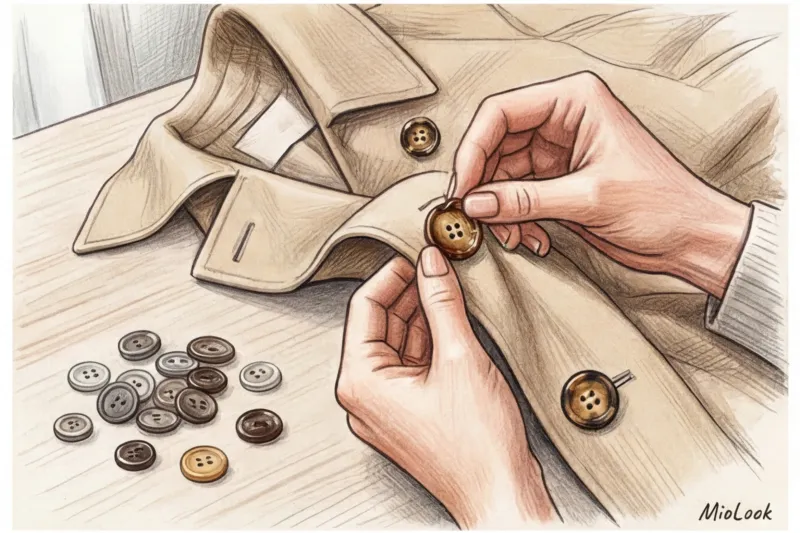
Recently, a client and I bought a gorgeous straight-cut camel coat from an affordable brand for $40. We went straight from the store to a fabric store, bought a set of heavy faux horn buttons for $5, and had them altered in 15 minutes. That same evening, a salesperson at a luxury boutique asked which Max Mara collection the coat was from.
- Buttons: Replace plastic with horn, tortoiseshell, fabric-covered or matte metal.
- Belts: Never wear that "free" faux leather belt that came with a dress or pants. Throw it away without regret and wear a standalone, high-quality belt with a simple metal buckle.
Tired of racking your brains over combinations?
Try MioLook for free: A smart AI stylist will analyze your wardrobe and select the perfect look for every day.
Get access — €0.99 onceResale and Vintage: Where to Find High-End Brands Without Overpaying
While buying secondhand used to be stigmatized, today it's a sign of advanced fashion intelligence. A McKinsey study (2024) shows that the resale market is growing three times faster than traditional retail, and its main drivers aren't low-income individuals, but affluent millennials who embrace sustainable fashion.
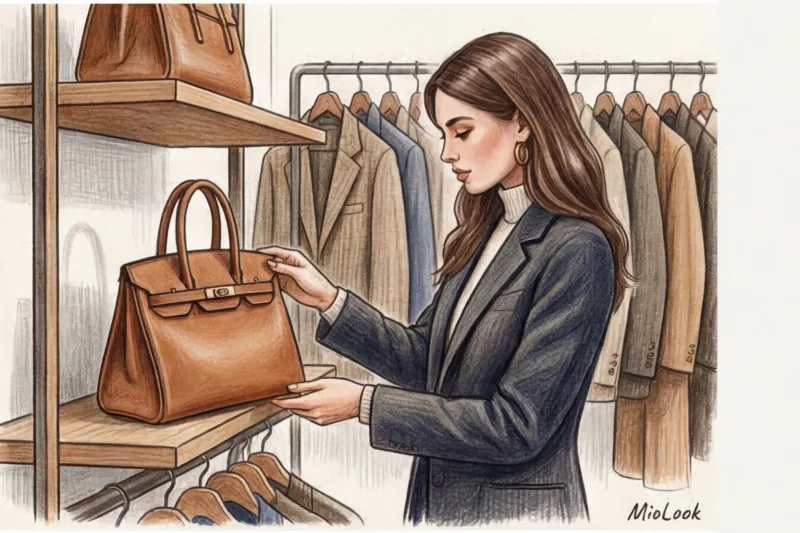
You can find amazing, high-end pieces on resale platforms—cashmere sweaters, silk scarves, leather bags—for the price of polyester from Zara. I especially recommend checking out vintage men's and women's jackets from the '80s and '90s.
Why these? Thirty years ago, mid-market patterns were completely different. In a jacket from that era, you'll find dense 100% wool, perfect padding (the internal frame that holds the shape of the chest and shoulders), and a viscose lining, not squeaky polyester. The main rule of vintage: check the condition of the collar and underarms, and opt for classic silhouettes over extravagant ones.
Stylist Checklist: 5 Free Habits for a Luxury Look
To conclude our conversation about how to look stylish on a budget, I want to emphasize one thing: glamour isn't created by the label, but by your attitude towards the items. Even Loro Piana cashmere will look cheap if it's wrinkled and covered in your favorite cat's fur.
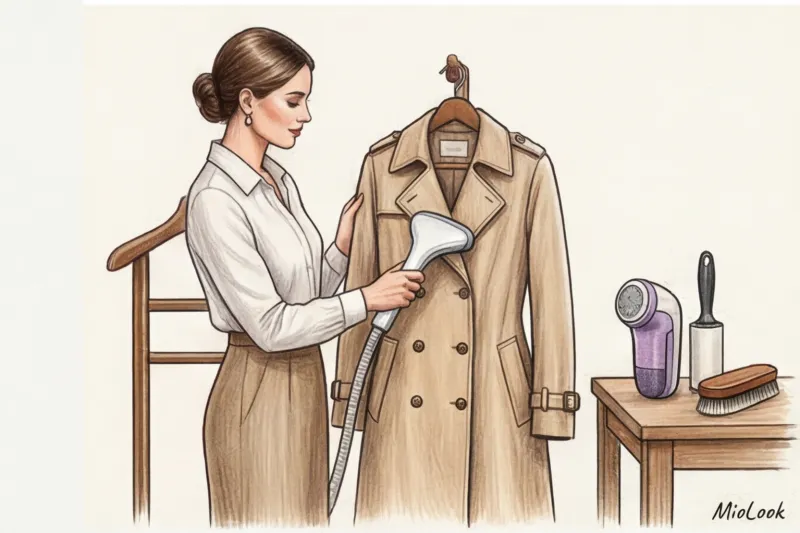
Implement these 5 free (or almost free) grooming habits:
- Steaming instead of ironing: The absence of creases and folds instantly increases the value of the look. Vertical steam straightens the fabric fibers, making it appear denser and more expensive.
- Fighting pilling: An electric pin remover is the best $10 investment you can make in your wardrobe. It can bring that sweater you were about to throw away back to life.
- Sticky roller: Keep one at home and one at work. Hair, dandruff, and dust on dark clothing are unacceptable.
- Condition of shoes: Dirty, worn-out shoes with scratches or worn heels will ruin any outfit. Clean, polished shoes from a mass-market store always beat unkempt Prada shoes.
- Basic grooming: Your clothes are just a frame. Clean hair, a neat, fresh manicure (without a half-centimeter of gel polish growing out), and moisturized skin are the canvas on which any garment looks its best.
An expensive wardrobe isn't a matter of money, but of attention to detail. Try at least this rule of having your buttons altered and your clothes adjusted at the tailor's this week, and you'll notice how your reflection in the mirror and the reactions of others will change.