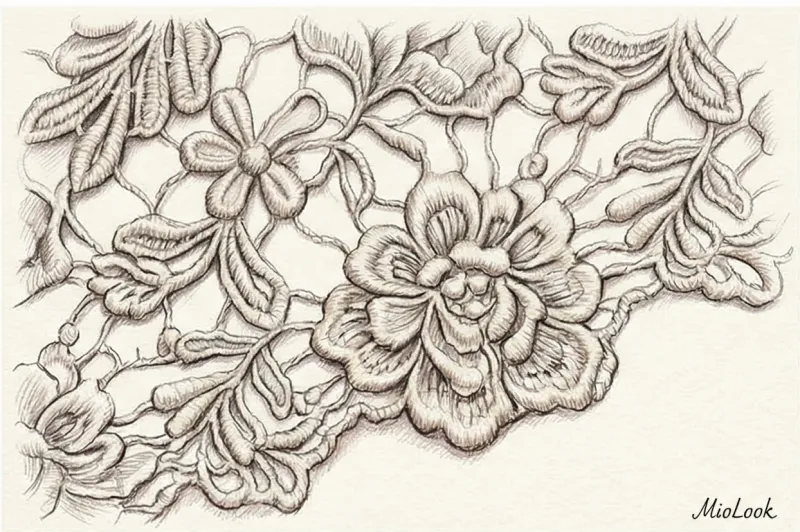
What is guipure?
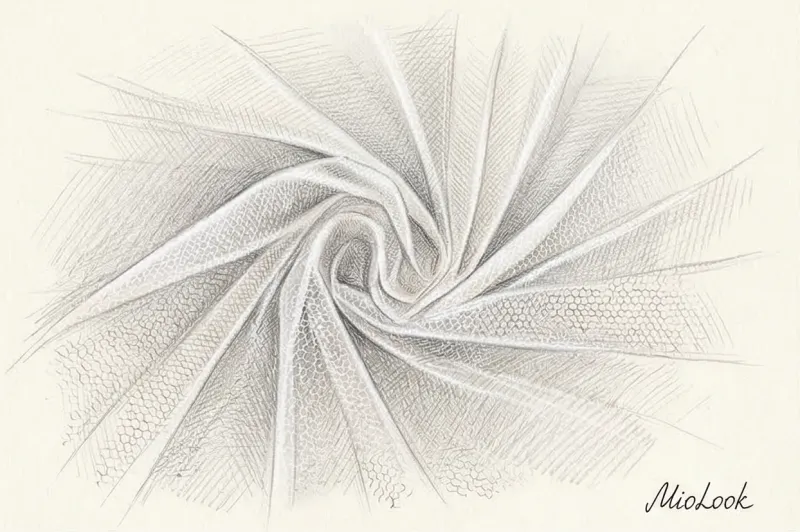
Guipure — is an openwork fabric in which the raised elements of the pattern are connected to each other by thin threads-ligatures without a continuous mesh background.
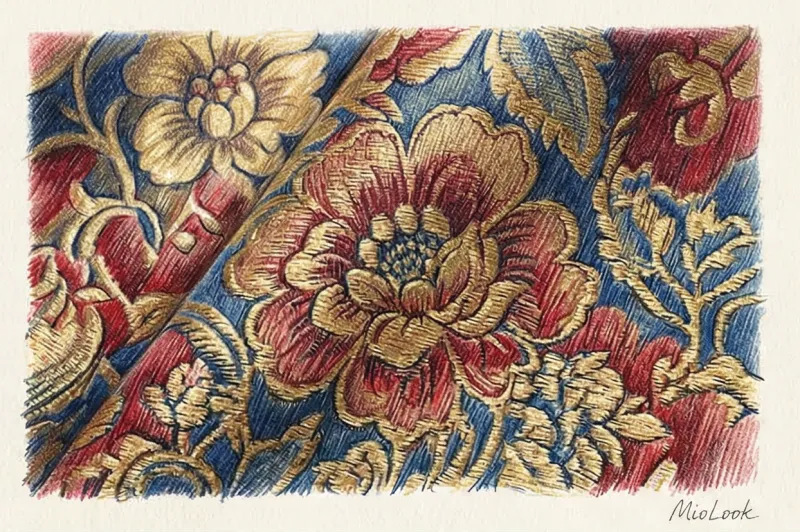
Most often, the pattern is floral or geometric, and the binding threads (brid) form the fabric's strong frame. When examining guipure in detail, it's important to note its historical origins. The name comes from the French word "guipure." guipure — initially it was one of the most complex and expensive types of lace, woven on bobbins.
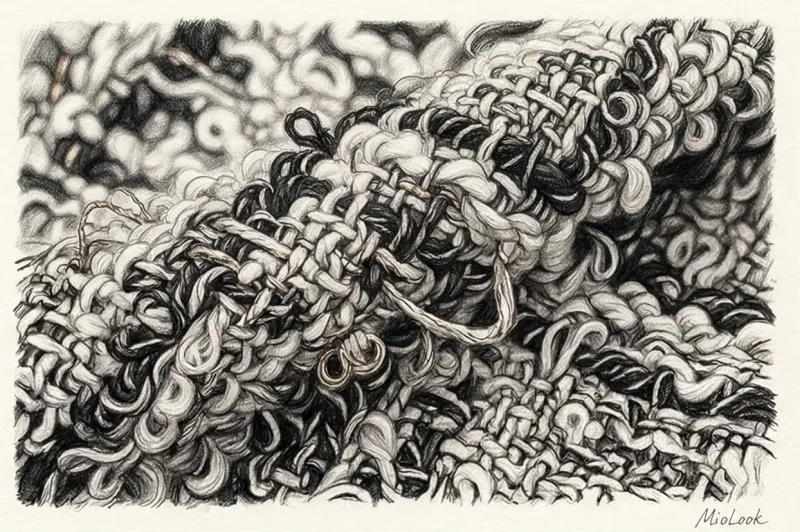
The main difference between guipure and classic lace is its density and weight. This material is heavier, holds its shape well, and has a distinct, three-dimensional texture.
Distinctive features
The material's rigidity allows tailors to create architectural silhouettes. Guipure patterns have a noticeable 3D effect, making the fabric stand out against flat lace fabrics.
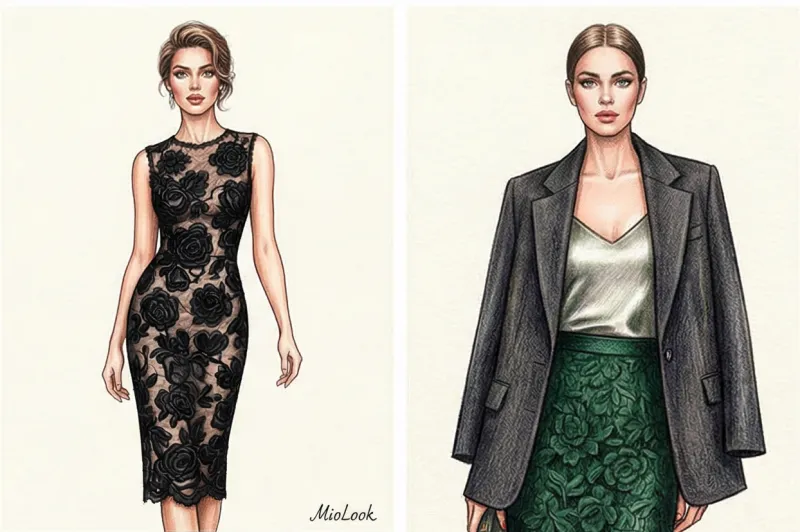
Traditionally, this material is made from natural fibers: silk, cotton, or linen. Modern manufacturers often add synthetic fibers such as polyester or elastane. The result is stretch guipure—an elastic material that comfortably hugs the figure and does not deform when worn.
Due to the large gaps between the pattern elements, the fabric has a high degree of transparency. Guipure garments require a thick, opaque cover or lining, either matching the garment or contrasting with it.
What to combine with
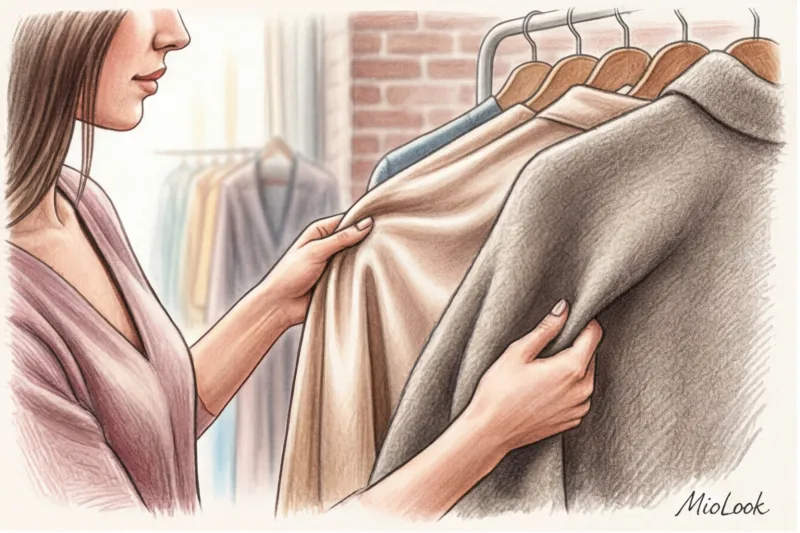
When styling guipure, the rule of contrasting textures applies. The textured and complex material looks harmonious when paired with smooth fabrics: silk, satin, thick cotton, matte leather, or suit wool.
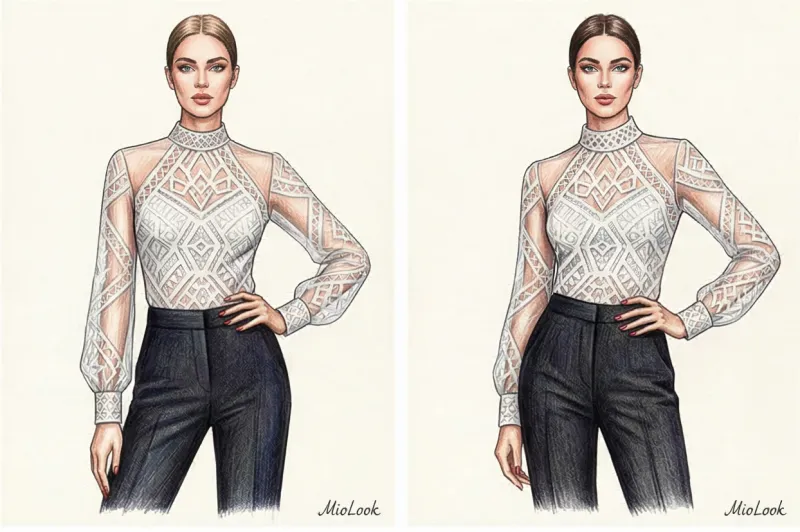
In everyday looks, the texture of the fabric should be balanced with basic pieces to tone down the dressiness. A lace blouse is paired with straight, plain jeans or tailored trousers with a crease. A textured top can also be worn under a heavy, menswear-style jacket.
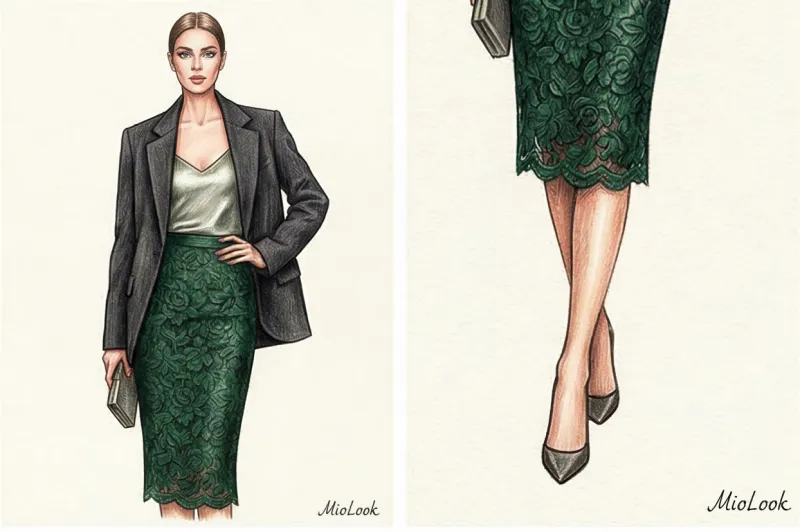
In an evening wardrobe, a guipure sheath dress is a stand-alone accent. It calls for minimalist smooth leather shoes and understated jewelry without a scattering of stones. In formal business attire, the use of guipure is limited: it is permitted only as delicate inserts on blouses.