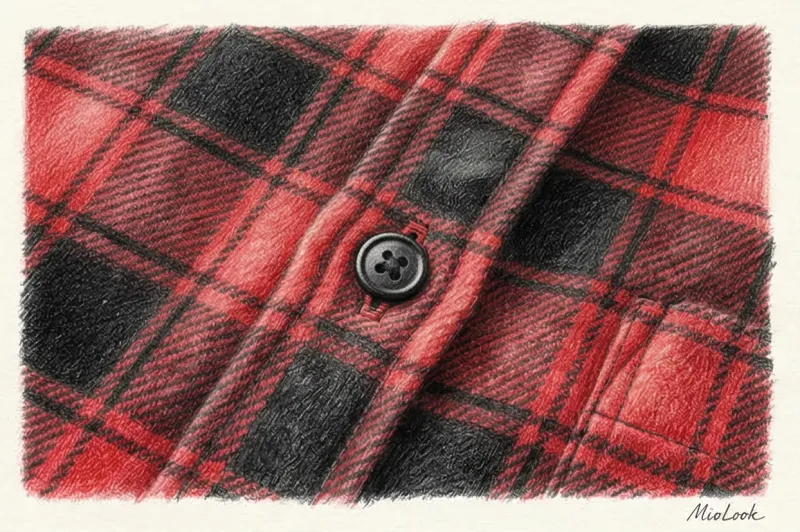
What is flannel?
Flannel — is a soft, pile fabric of plain or twill weave, traditionally made from wool, cotton, or blended fibers.
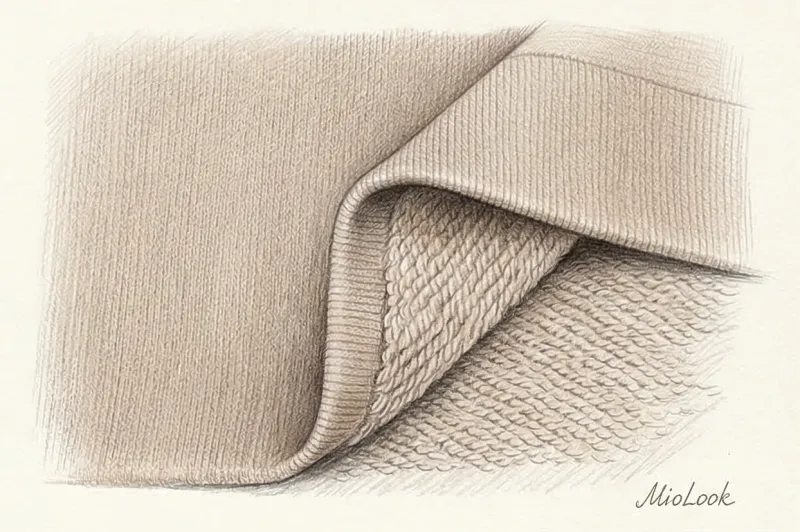
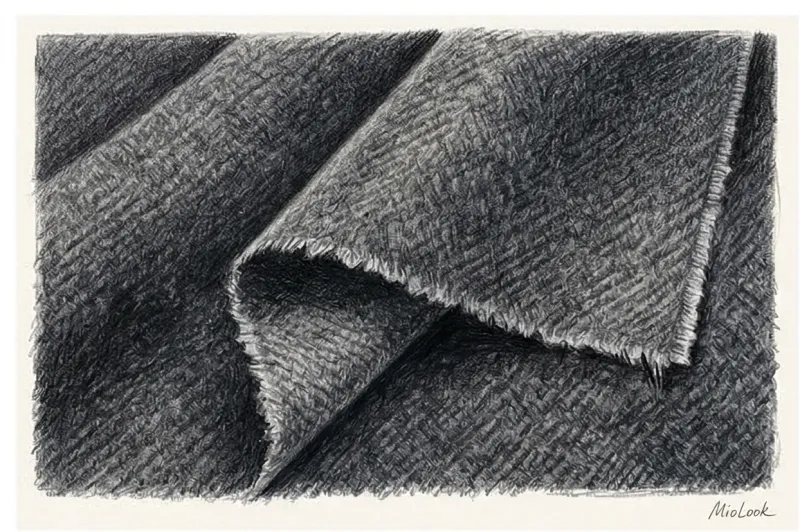
To understand flannel, simply look at its surface: the material's main physical characteristic is a uniform pile on one or both sides. This pile creates an air gap, which provides excellent thermal insulation.
The fabric originated in Wales in the 17th century as a dense and warm material for protection from the damp, cold climate. Today, it is prized for its exceptional softness, good breathability, and comfort against the skin.
Main types
Cotton flannel is the most common, hypoallergenic, and breathable option. It is widely used for everyday shirts, pajamas, loungewear, and children's clothing.
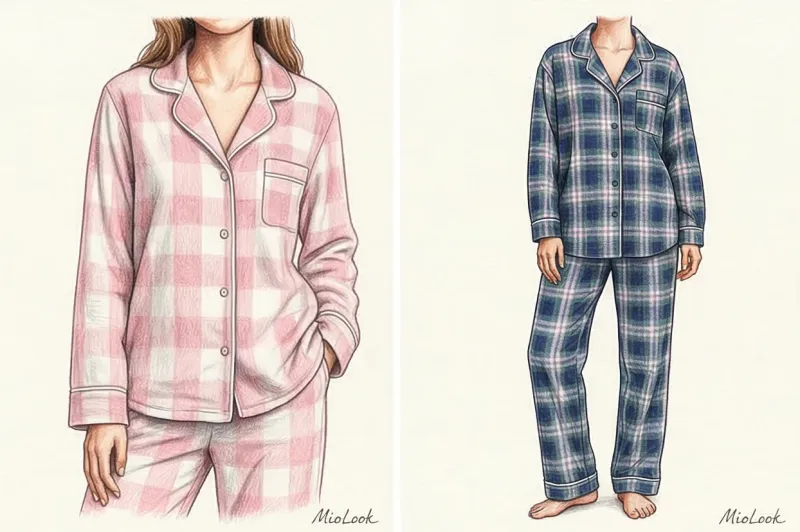
Wool flannel is a classic, denser, and more shape-resistant material. In business attire, it's used to create three-piece suits, structured jackets, tailored trousers, and demi-season coats.
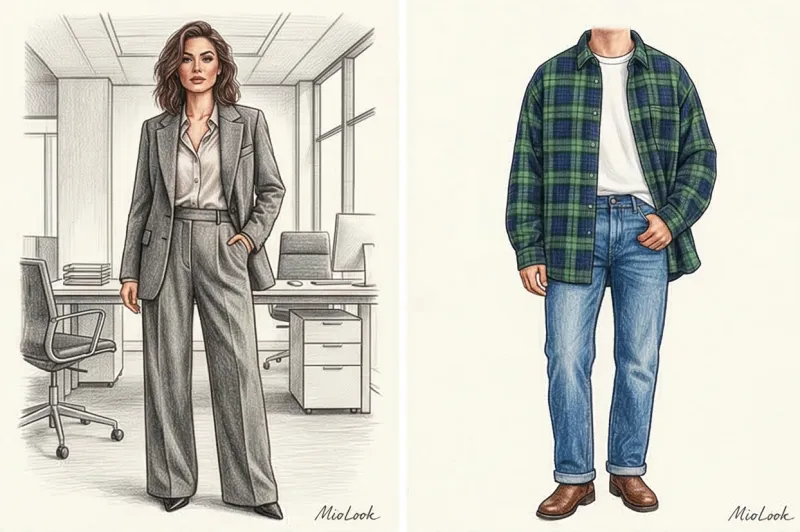
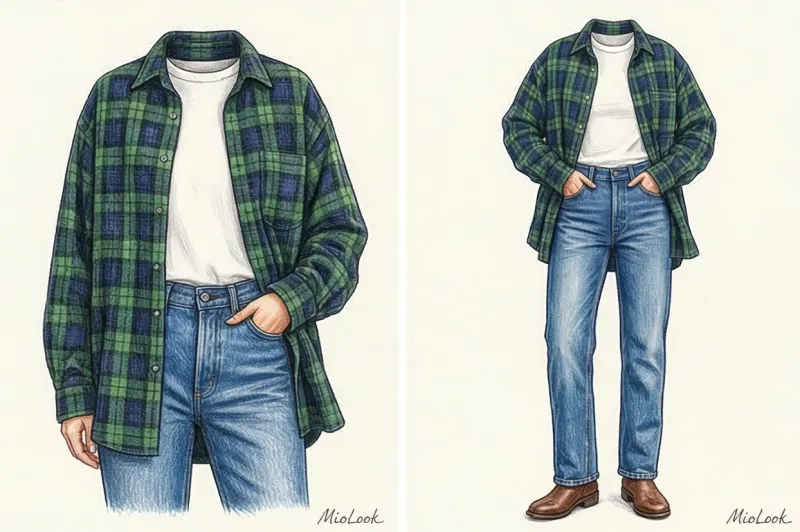
Blended flannel is created by combining natural fibers with synthetic threads such as viscose or polyester. This increases durability, prevents excessive shrinkage, and reduces the cost of the material.
According to the dyeing method, the fabric is divided into three categories:
- Plain dyed - a plain fabric of uniform color.
- Stuffed - fabric with a printed pattern applied to one side.
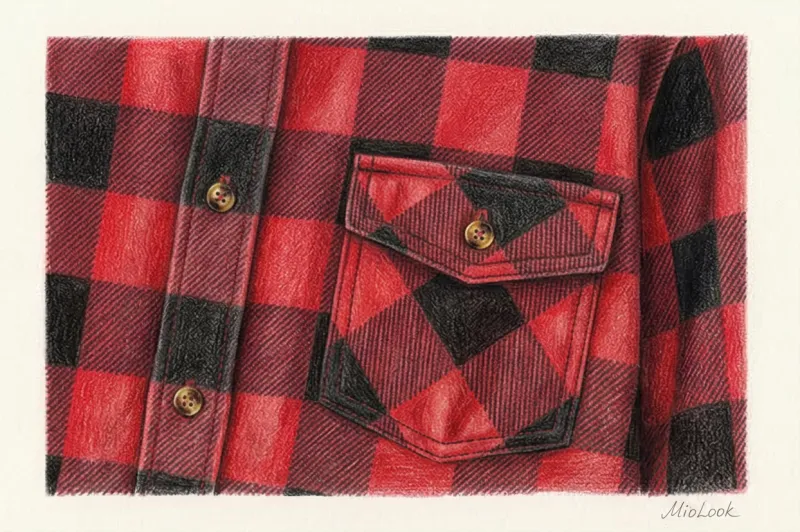
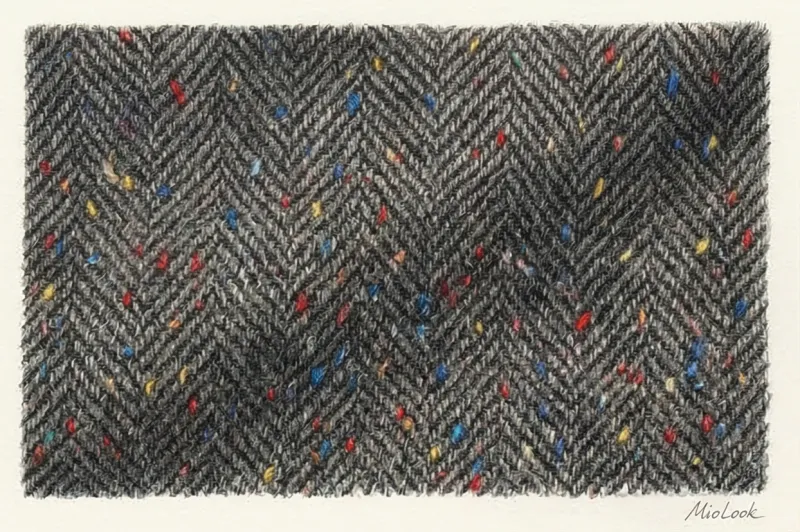
- Multicolored — a material whose pattern is formed from pre-dyed threads (for example, classic tartan).
How to care
Cotton items should be washed at 30-40°C on a delicate cycle. Wool flannel should be dry cleaned or hand washed in cool water using a liquid wool detergent.
Dry the items flat, away from direct sunlight and heating devices. Machine drying is strictly prohibited due to the high risk of severe shrinkage.
Iron the fabric inside out at a moderate temperature to avoid creasing or damaging the characteristic nap. To prevent pilling, wash items inside out, avoid vigorous rubbing when removing stains, and do not wear under outerwear with a rough lining.