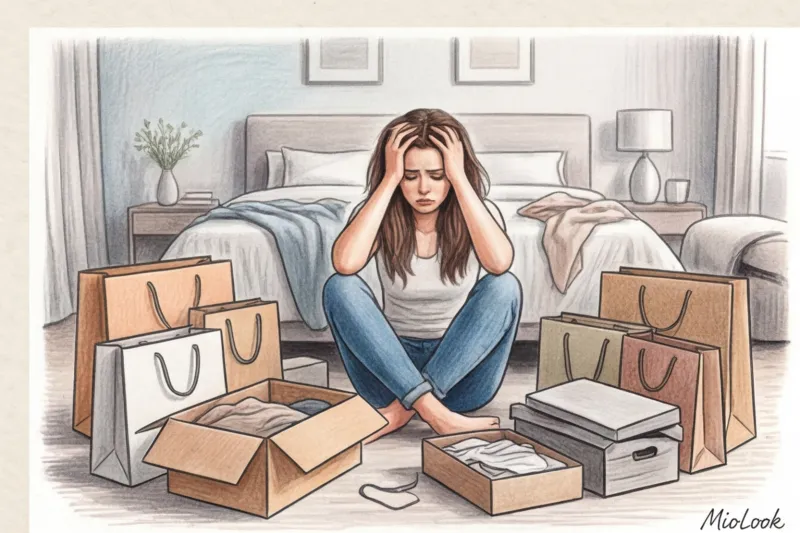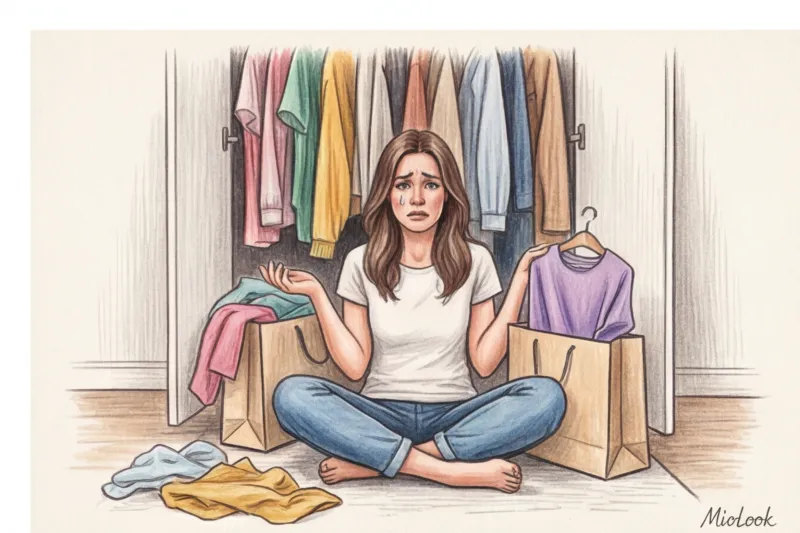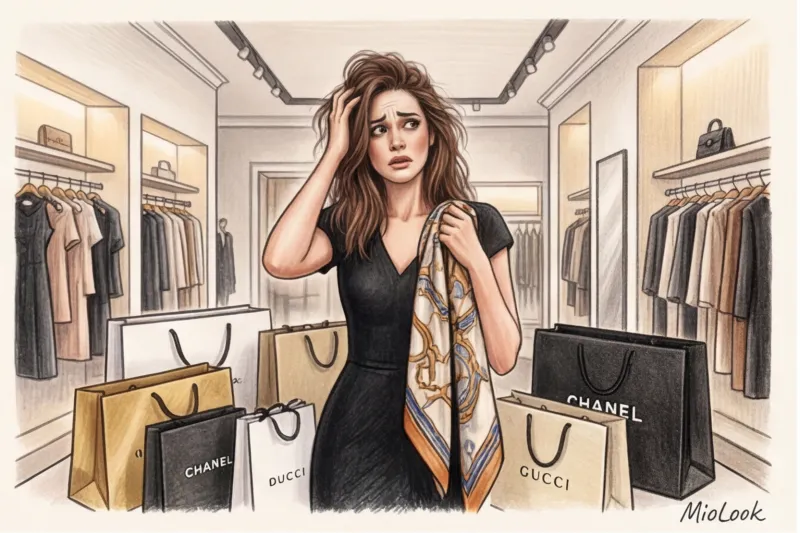

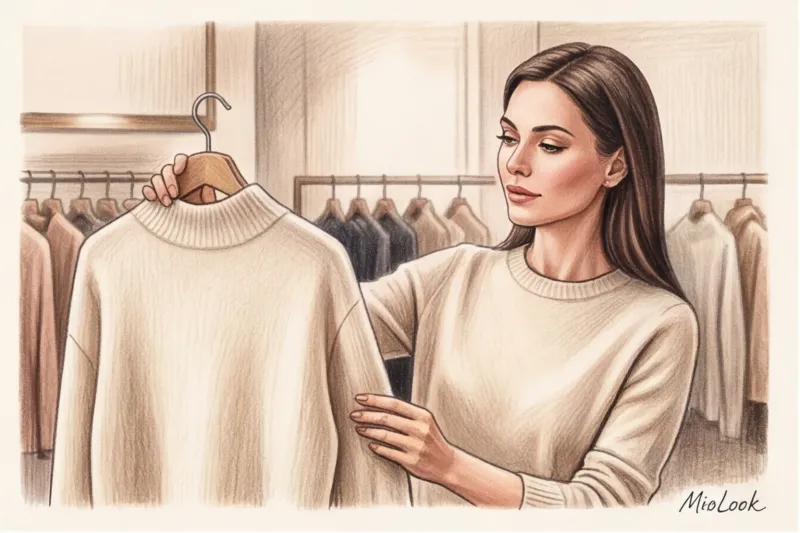
How many times have you heard the advice: “Don’t go shopping when you’re sad”?
As a stylist with twelve years of experience working in the premium segment, I'll tell you the exact opposite. Go. Buy. But do it strategically. In popular psychology emotional shopping It's common to demonize it, equating it with addiction. However, in my experience, the picture is different.
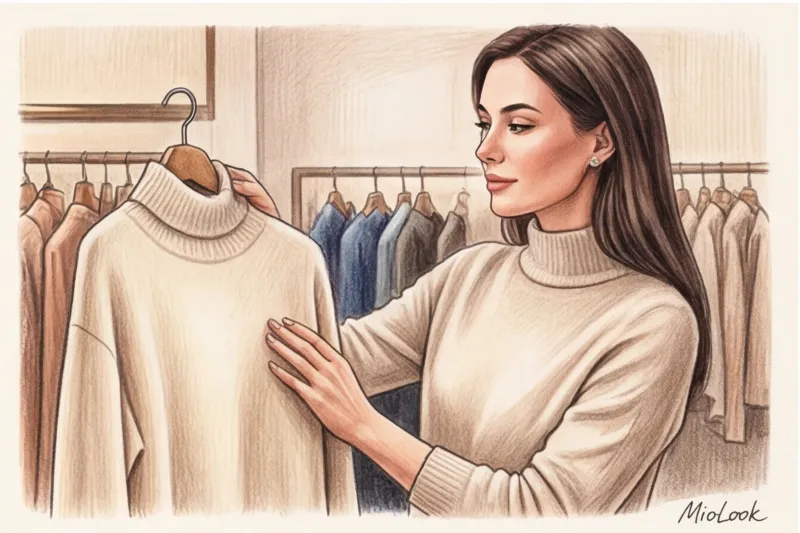
I had a client who, after a difficult divorce, bought half the mass-market selection in one weekend—three huge bags of low-quality items, none of which she ended up wearing. Meanwhile, another client of mine, going through a difficult period of professional burnout, spent months studying the history of Swiss watchmaking and ultimately bought a classic Cartier Tank watch. The first is a devastating breakdown. The second is an investment in oneself and the creation of a powerful psychological anchor.
We talked about how our wardrobe influences our subconscious in more detail in our complete guide. The Psychology of Style: How Clothing Changes Mood and Brain In this article, we'll explore how to distinguish therapy from addiction and why buying an expensive item during a crisis can be the best decision.
The Anatomy of Emotional Shopping: Why We Buy Feelings
Have you ever noticed that the anticipation of a purchase often brings much more joy than the actual moment of receiving the item? It's pure biochemistry. The moment you swipe your card or click "Place Order," your brain receives a powerful surge of dopamine.
A study published in Journal of Consumer Psychology (2014) revealed a curious fact: the therapeutic effect of shopping lies not in acquiring new things, but in regaining a sense of personal control over the situation. When the world around us seems unpredictable, the decision whether to buy this silk scarf or that cashmere cardigan gives us back control over our own little reality.
However, here lies the main trap. The difference between the desire to own a quality thing (respect for craftsmanship The relationship between craftsmanship and the desire for instant consumption is colossal. Emotional shopping in mass-market stores only provides the illusion of control for a few hours. Buying something crafted with respect for tradition—for example, a hand-crafted Tuscan leather bag—creates a long-lasting neural connection. You're not buying a piece of material; you're buying a connection to art.
Retail Therapy: When Emotional Shopping Really Heals
Retail therapy has every right to exist. I regularly use the concept Investment Dressing (investment wardrobe) to help clients celebrate their life's victories or cope with their failures.
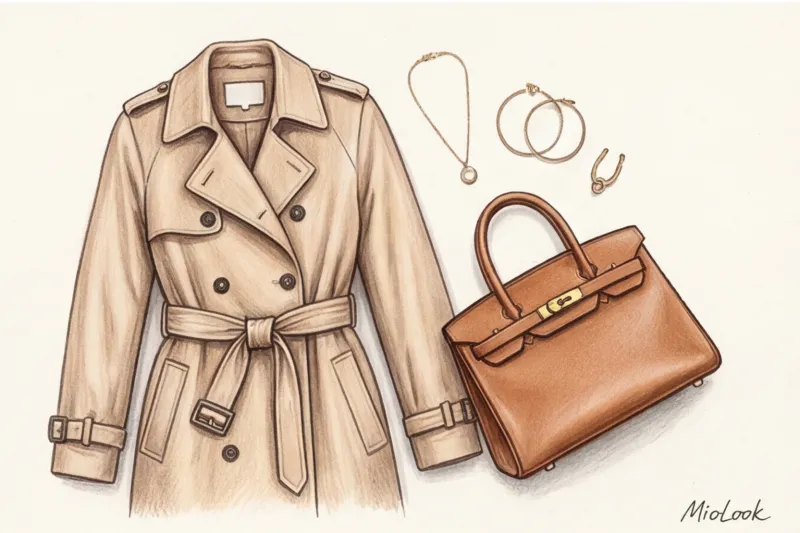
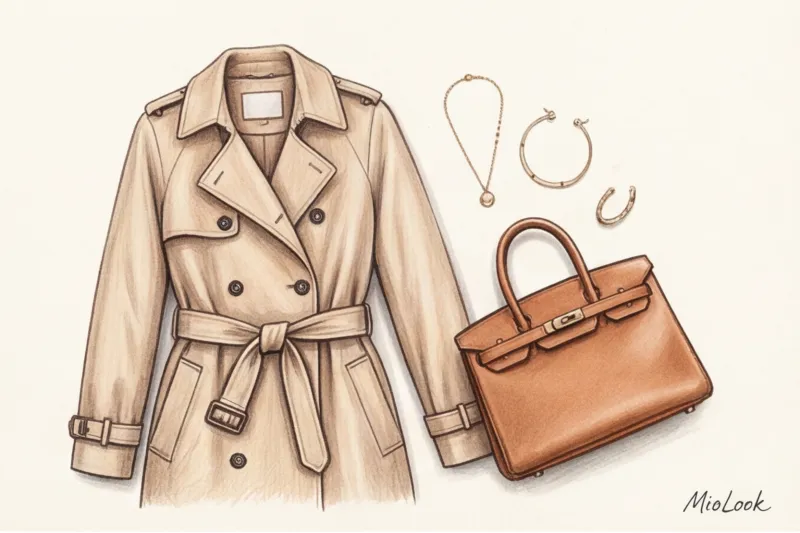
One of my VIP clients, Anna, received a long-awaited but incredibly stressful promotion to CFO. Her first impulse was to buy a dozen bright, trendy dresses to "take the pressure off." Instead, we went to a Burberry boutique and chose a classic beige trench coat. This trench coat became her armor. Wearing it before difficult meetings, she felt physically protected.
This is what an anchor purchase is. A status item, acquired at the right emotional moment, captures positive changes and serves as a reminder of your inner strength. One bag from Loewe or Bottega Veneta will bring you years of aesthetic pleasure, while five trendy polyurethane bags will be thrown into the trash next season, leaving only the feeling of wasted money.
The Enclothed Cognition Effect in Stressful Moments
In 2012, researchers at Northwestern University coined a startling term: Enclothed Cognition (the clothed cognition effect). They demonstrated that clothing literally alters our cognitive processes depending on the symbolic meaning we attach to it.
When you're stressed and put on a perfectly tailored jacket made of dense Italian wool (instead of a shapeless acrylic sweater), your posture changes. The weight of the high-quality fabric on your shoulders, the perfect fit, the precise silhouette—all of this sends a signal to your brain: "I'm focused. I'm in control." We literally imbue ourselves with confidence through premium textures.
Access to MioLook for €0.99 — one-time payment
A smart AI stylist will select the perfect look for any situation and help you organize your purchases.
Get access — €0.99 onceThe Line Has Been Crossed: How to Recognize Addiction (Oniomania)
I promised to be honest, so I'll set a limitation: retail therapy. it doesn't work at all If you pay for purchases with credit cards, getting into debt. This is no longer regaining control, but financial sabotage.
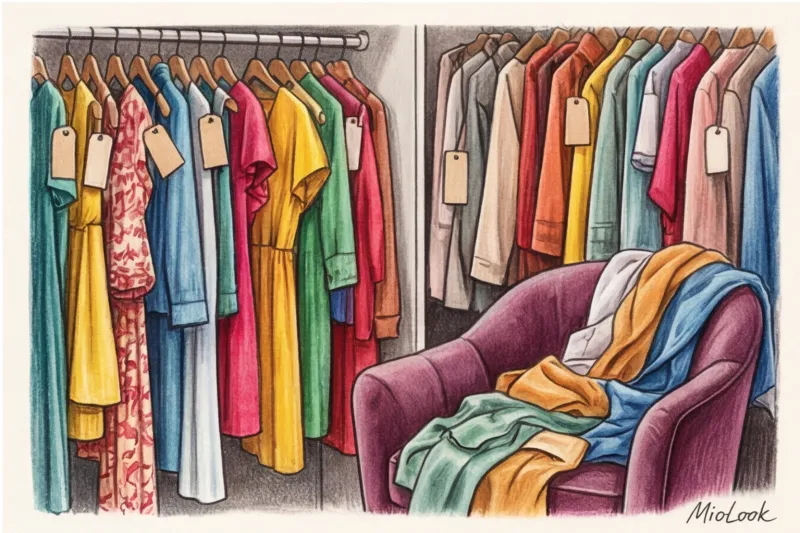
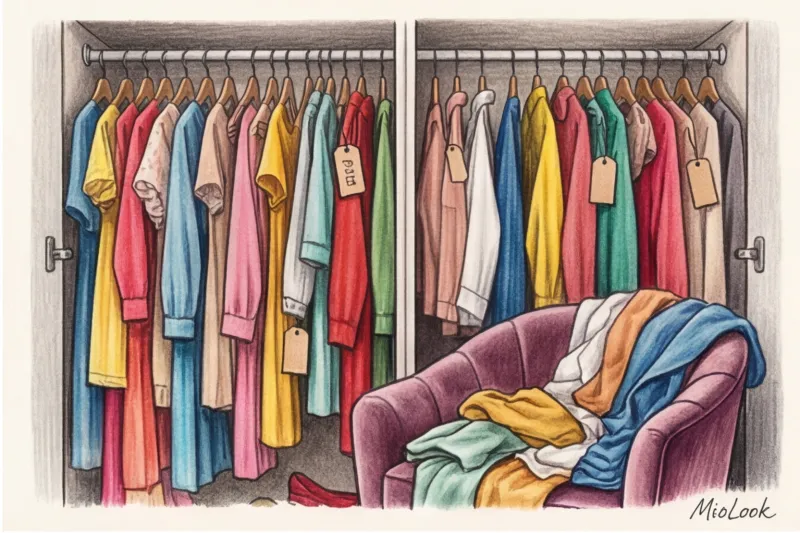
When sorting through wardrobes, I immediately recognize when emotional shopping has turned into oniomania (shopping addiction). Here's a typical scenario: the closet is overflowing, but there's nothing to wear. This happens because of a phenomenon I call "wardrobe blind spots."
- Items with tags: You bought them for the sake of buying them, not to wear them.
- Cloning: You have five identical black turtlenecks of average quality hanging on your wall, bought in moments of anxiety.
- "Fashionable Hangover": the feeling of guilt and shame sets in already in the taxi on the way from the shopping center.
According to 2024 fashion industry analytical reports, impulse purchases from the mass-market segment are worn on average only seven times during their lifetime. Fast fashion works like fast food: it provides an instant, cheap dopamine rush, becomes addictive, and, in the long run, destroys your personal style.
Emotional Shopping: A Self-Diagnosis Checklist
How can we avoid falling into the abyss of mindless consumption? I offer my clients a rigorous but effective algorithm for filtering desires.
- Trigger analysis. Ask yourself: "Am I buying this to celebrate a victory or to forget?" If it's the latter, put it back. Purchases made from a position of scarcity never become favorites.
- Cost-per-wear test. This is my favorite rule. Divide the cost of an item by the number of times you'll wear it. A $1,000 cashmere coat that you'll wear 100 times costs $10 per outing. A trendy $50 polyester top that you'll wear once to a party costs $50 per outing. Which is really more expensive?
- 24 hour rule (or 72 hours for luxury). Never buy something the moment you see it if you're in a high emotional state. Take a photo, write down the price, and walk away. If you're still thinking about it a day later and it fits your financial strategy, buy it.
How to Translate Momentum into Investment: A Premium Wardrobe Strategy
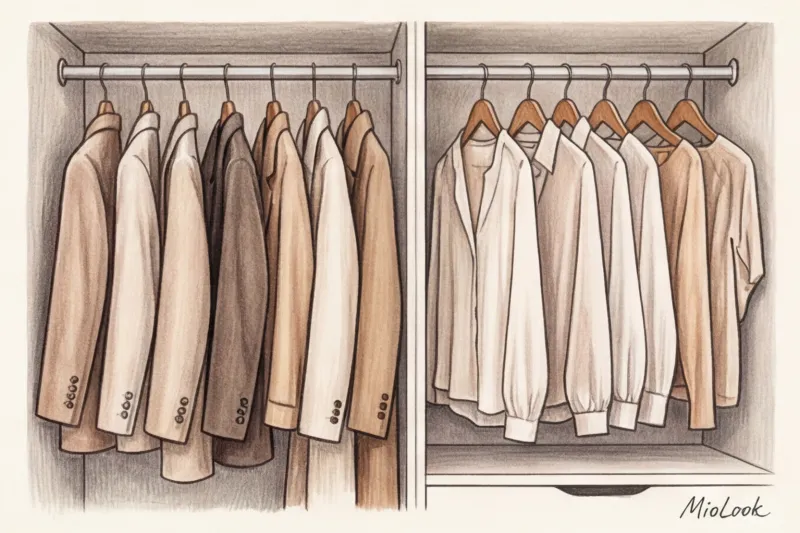
The most elegant way to cope with shopping cravings is sublimation. Transform your energy from quantity to quality. Replace spontaneous trips to the mall with creating a well-thought-out wish list.
Instead of buying your tenth pair of seasonal shoes, start saving up for that one perfect pair of Jimmy Choo or Gianvito Rossi pumps. Study the brands' DNA. Read about how French Haute Couture patterns are created, or why it takes six months to assemble a certain caliber of a mechanical watch. When you understand the value of something, it becomes physically difficult to buy cheap, disposable knockoffs.
To digitize your wardrobe and create smart wish lists, I recommend using MioLook Seeing all your belongings at a glance will help you stop buying duplicates. Read more about how to build a smart database in our article. How to Look Expensive: Secrets of a Status Wardrobe.
Your perfect look starts here
Join thousands of users who look flawless every day with MioLook. Digitize your wardrobe and plan your purchases wisely.
Get access — €0.99 onceSafe Emotional Shopping: What to Buy When You're Stressed
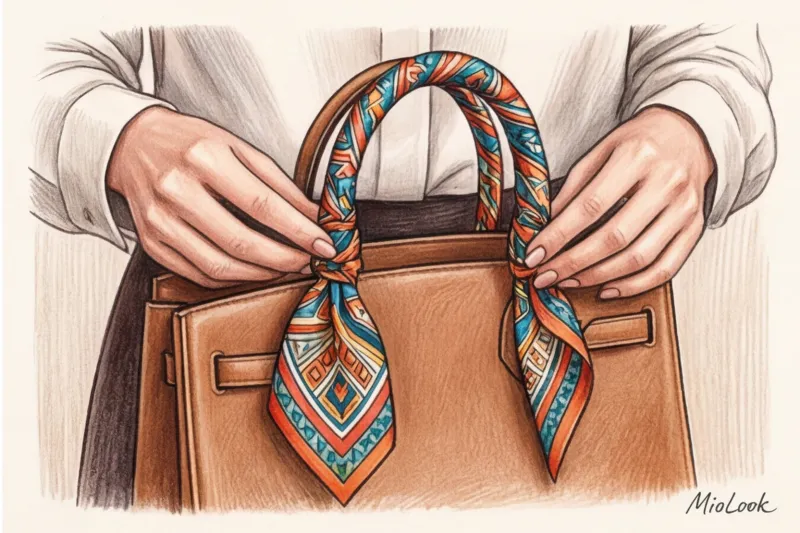
What to do if your stress is off the charts and you vitally important Should I buy something right now to calm down? In such cases, I give my clients a list of "safe investments." These are items that will provide the needed dopamine rush without cluttering up the closet or damaging the core capsule.
- Status accessories: A silk bobble hat (like Hermès or its high-quality equivalents), premium eyewear, or a good leather belt. They take up minimal space but can elevate any outfit, even the simplest one with jeans and a white T-shirt.
- Niche perfumery: Shift your focus from visual to olfactory. Buying a complex fragrance is a pure emotion that will stay with you for a long time. (More on this: Niche Perfumery: Where to Start And How to test perfume correctly ).
- Premium leather goods: If you want to invest in something practical, the ideal choice would be business women's leather bag or stylish laptop bag You use it every day, and every day it will return the money you invested in it in the form of self-confidence.
Emotional shopping isn't a sin or a weakness. It's a tool for self-regulation. And only your level of awareness and discipline will determine whether this tool becomes a destructive addiction to sales or an art form of creating your own impeccable, timeless style.