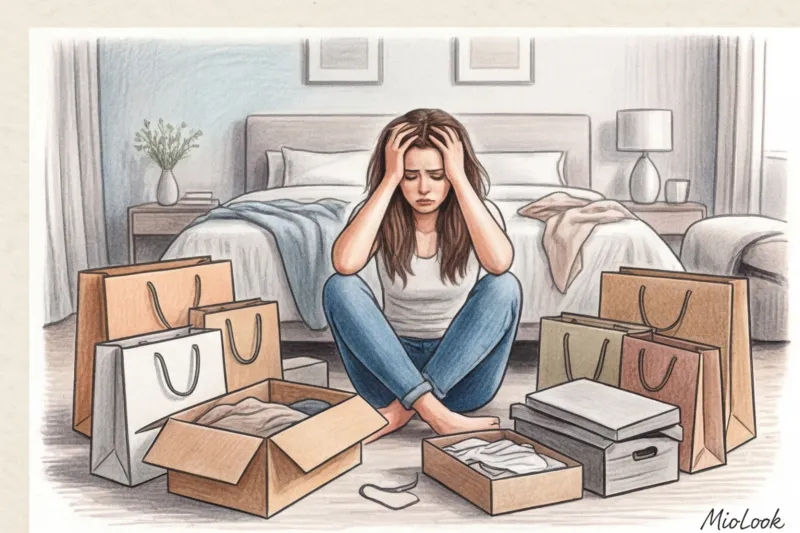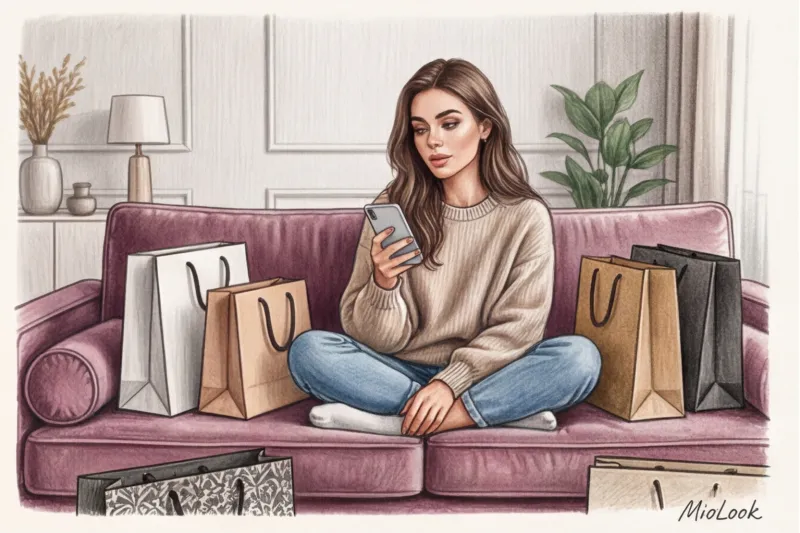
I remember one particularly grueling season of Paris Fashion Week. We were sleeping for three hours, deadlines were looming, and glossy editors, their faces literally gray with fatigue and stress, were buying the most avant-garde shoes in the boutiques of the Marais. These were shoes that were physically impossible to walk more than a few steps on the cobblestones in. They weren't bought to be worn. They were bought for the illusion—for five minutes of absolute control over your life, standing at the checkout with a beautiful shopping bag. It was then that I, as a budding fashion journalist, first realized how things really work. shopping as an antidepressant.
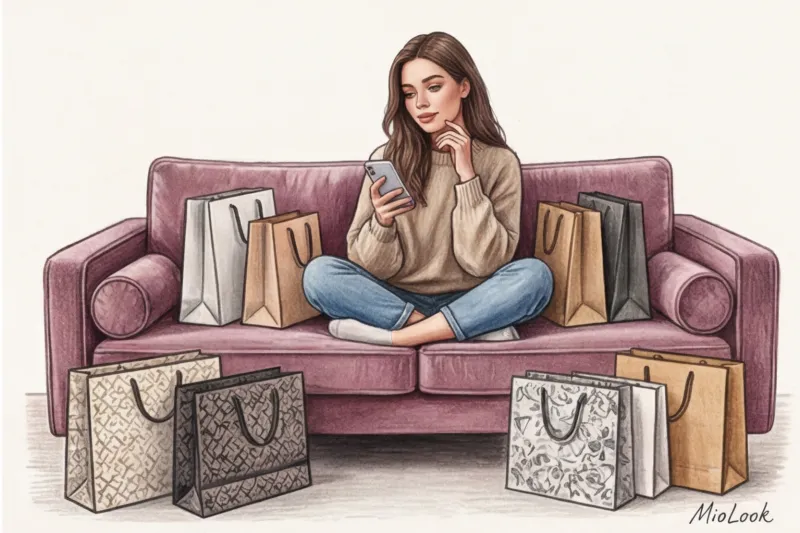
Society has become accustomed to demonizing this habit, equating it with a lack of willpower. But after 10 years in the industry, I've come to a different conclusion. Buying things to relieve stress isn't a vice, but a misplaced need for identity and security. When the world around us is crumbling, we try to "dress up" as someone who's doing well. We discussed this in more detail in our the complete guide to the psychology of shopping.
Let's explore why strict shopping bans are only making things worse, and how to channel this destructive energy into eco-friendly ways without compromising your style or budget.
The Illusion of Control: How Shopping Works as an Antidepressant
The connection between stress and the urge to buy something new has a strong neurobiological basis. When we experience anxiety or lose control over work or personal processes, the brain desperately seeks a quick source of dopamine. The choice falls on the most readily available item—clothing.
A study published in the Journal of Consumer Psychology (2023) proves something counterintuitive: the peak of pleasure occurs not at the moment you put on a new item, but in the second expectations That is, the peak release of joy hormones occurs when you enter the code from an SMS to confirm a transaction or tap your card on the terminal. As soon as the item is in your hands, the dopamine curve plummets, leaving only a feeling of guilt and an empty wallet.
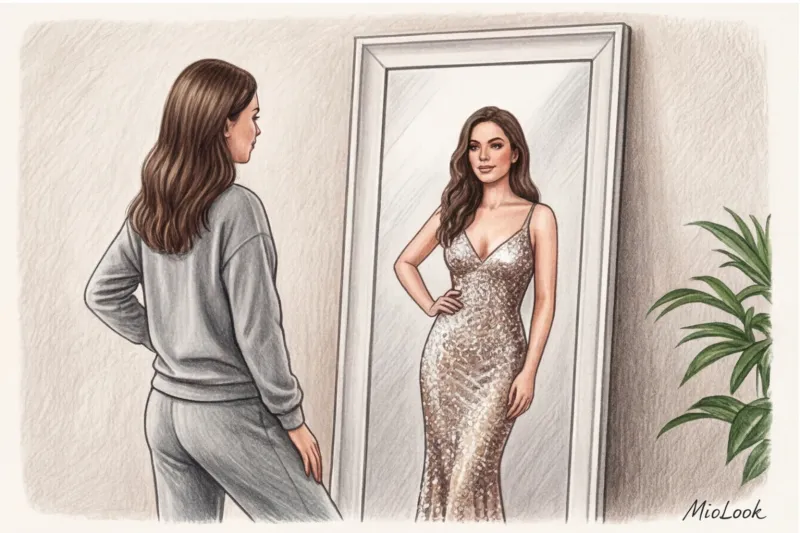
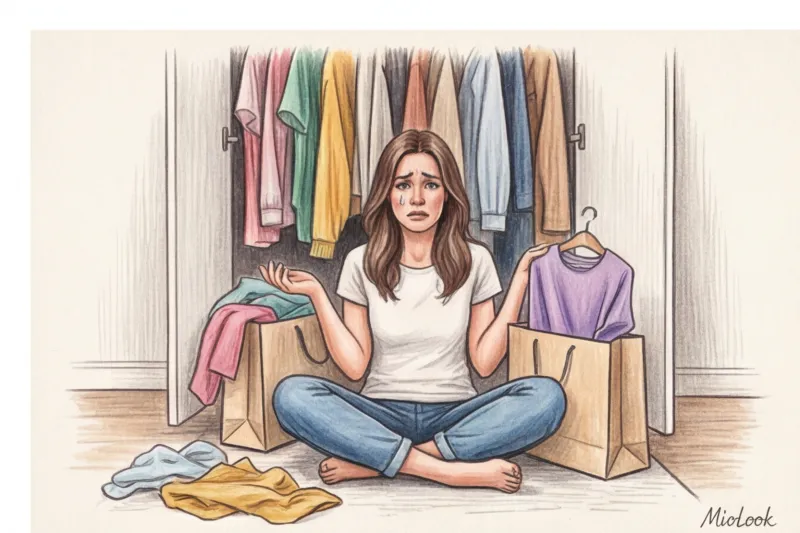
This attempt to solve an internal problem through external accumulation inevitably leads to the paradox of a full closet. According to WGSN analytical agency data from 2024, the average city resident wears only 20% of her wardrobe 80% of the time. The remaining 80% of items are those very same impulsive "antidepressant purchases" that create cognitive overload every morning.
The Anatomy of an Impulse Buy: From the Trigger to the Checkout
The classic scenario is always the same. A difficult conversation with your boss or a fight with your partner is the trigger. You automatically open a marketplace app or your favorite brand. Algorithms, having already studied your preferences, throw up targeted ads for the "perfect" cashmere sweater or trendy Cossack boots. The decision is made in seconds.
"Online shopping has made the problem of emotional purchases tenfold worse. The lack of physical contact with money—you don't count out bills—and the delay between payment and receipt of the item create the illusion that you haven't spent anything, and a gift will simply 'magically' appear at your door."
Access to MioLook for €0.99 — one-time payment
A smart AI stylist will select the perfect look from your items and save you from unnecessary spending.
Get access — €0.99 onceThe Fantasy Self: Who Are We Really Trying to Dress When We're Stressed?
In behavioral psychology, there's a brilliant term: "Fantasy Self." When we're under a lot of stress, we buy clothes not for our real selves, but for an idealized version of ourselves. That woman who doesn't work remotely in stretchy sweatpants, but sips martinis at social events or strolls elegantly along the Seine.
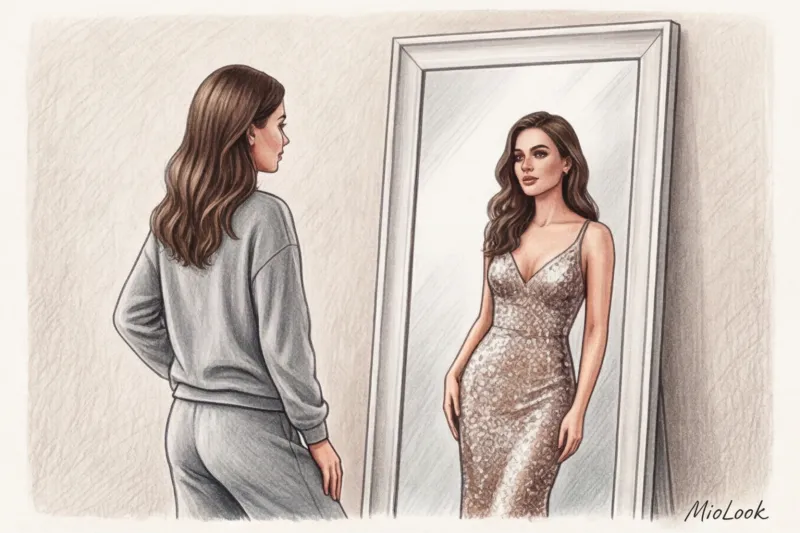
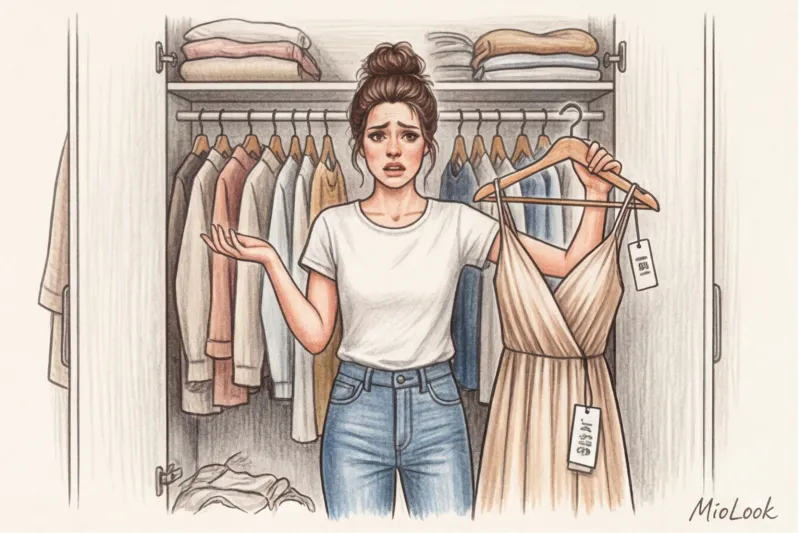
I once conducted a wardrobe audit for a client, a successful corporate lawyer with a strict office dress code. Deep in her closet, we found seven identical silk slip dresses with tags still attached. She'd never worn them. During the conversation, it emerged that she'd been buying them after grueling court hearings. These revealing dresses were her subconscious rebellion against the rigid confines of her profession and an attempt to "buy" herself a different, more relaxed, and bohemian life.
Now take a look in your closet. How many 5-inch stilettos are there, even though you prefer loafers? How many sequined evening dresses are there, even though your most recent outing is dinner on Fridays? These are all clothes for your Fantasy Self. Understanding, How to stop emotional clothing shopping , you begin to dress the real you.
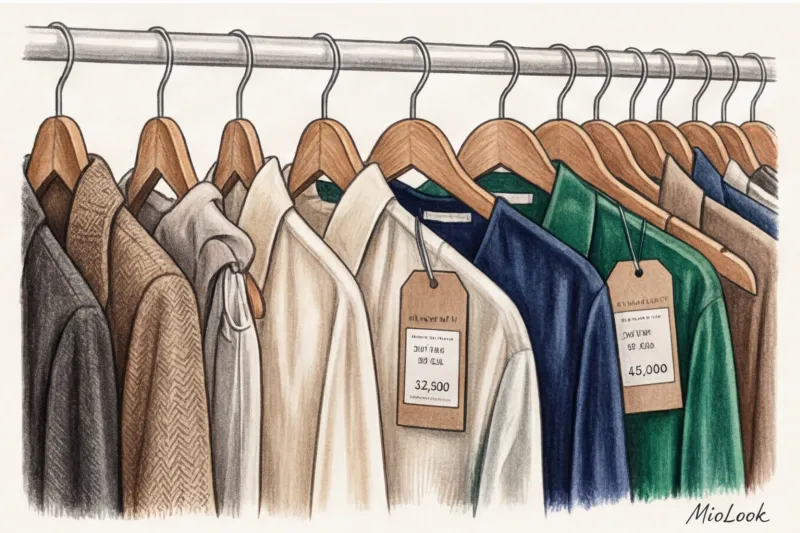
Checklist: 5 Signs Your Shopping Is a Symptom
There's a fine line between a love of fashion and using shopping as a stress reliever. As a practicing stylist, I've identified five red flags that clearly indicate a purchase was made solely for the sake of the transaction:
- Things hang in the closet with tags for more than a month. You move them from place to place, but never cut off the label because the item does not fit into your real life.
- You are hiding the scale of the disaster. Hide your shopping bags from your family in the trunk of your car or order courier delivery exclusively to your office.
- Buyer's amnesia. When you receive a notification from the parcel terminal, you can’t remember what exactly you ordered last week.
- Purchase of duplicates. It's when a fifth white shirt (with a slightly different collar) or a seventh black turtleneck appears in your wardrobe. It's an attempt to find "that one" item that will finally bring you peace.
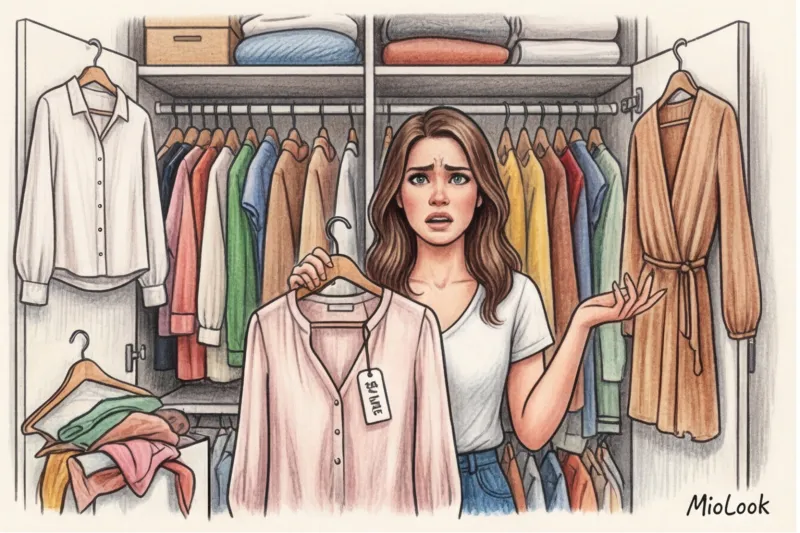
- Increased visual noise. The closet is literally bursting, the doors won't close, but the notorious "I have nothing to wear" sounds louder every morning due to the paralysis of choice.
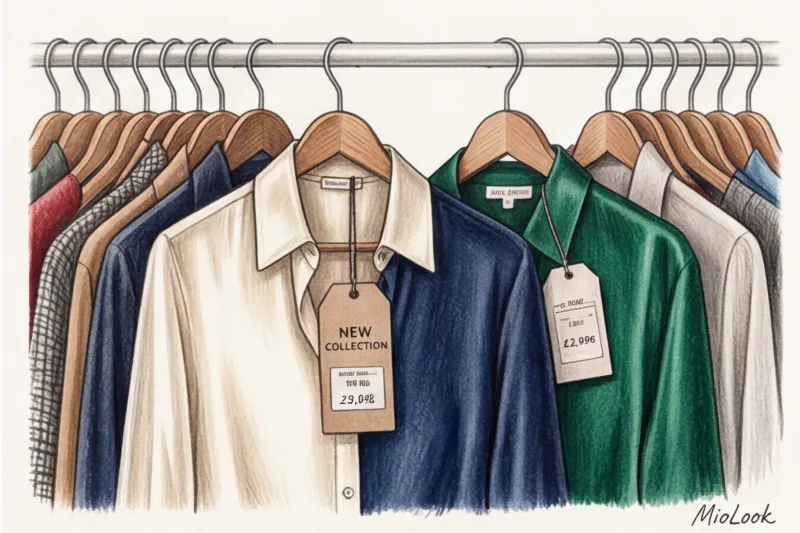
Let me clarify right away that there is one exception here. If you consciously buy a duplicate of your favorite basic T-shirt (for example, one made of heavy cotton weighing at least 180 g/m²) because the old one is worn out, that's smart wardrobe management, not stress shopping.
Ready to get started?
Try the free plan—no commitments. Organize your closet with AI.
Get access — €0.99 onceEco-Friendly Alternatives: Redirecting Energy Without Compromising Style
If shopping is about seeking novelty and dopamine, then we need to find a way to achieve the same feeling without having to pull out a credit card. This is where gamification and repurposing what you already own comes in.
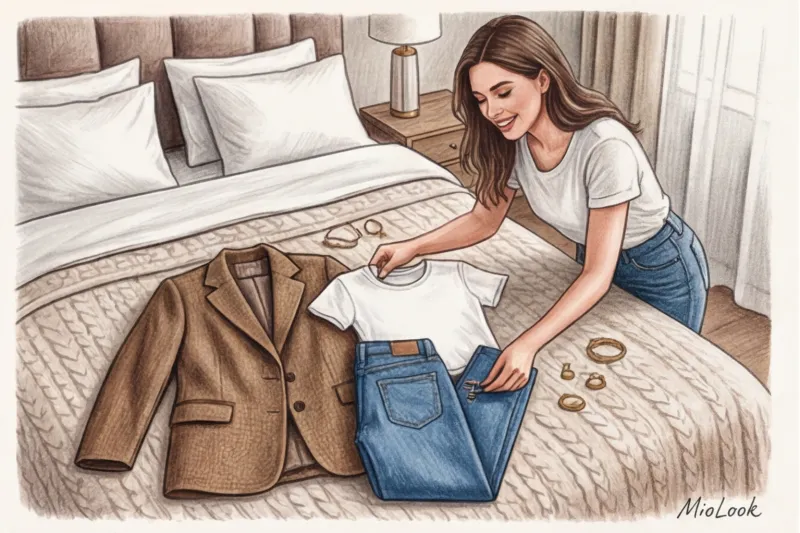
Go shopping in your own closet. Take a couple of hours on the weekend, pull out items you've forgotten existed, and start putting together new outfits. Technology is a great tool for this. I highly recommend my clients digitize their wardrobes. Smart Stylist features in the MioLook app You can upload photos of your items and let the AI create dozens of new combinations for you. The dopamine rush from seeing the algorithm suggest a stunningly stylish combination of your old Massimo Dutti skirt and a forgotten vintage sweater is absolutely comparable to the euphoria of buying a new item.
Another therapeutic practice is taking care of things as a meditation. Shift your focus from acquisitions on care Treat your shoes to a spa treatment with high-quality shoe polish. Invest in a good lint-removing machine and bring your favorite cashmere back to life. This restores that sense of control we seek in stores.
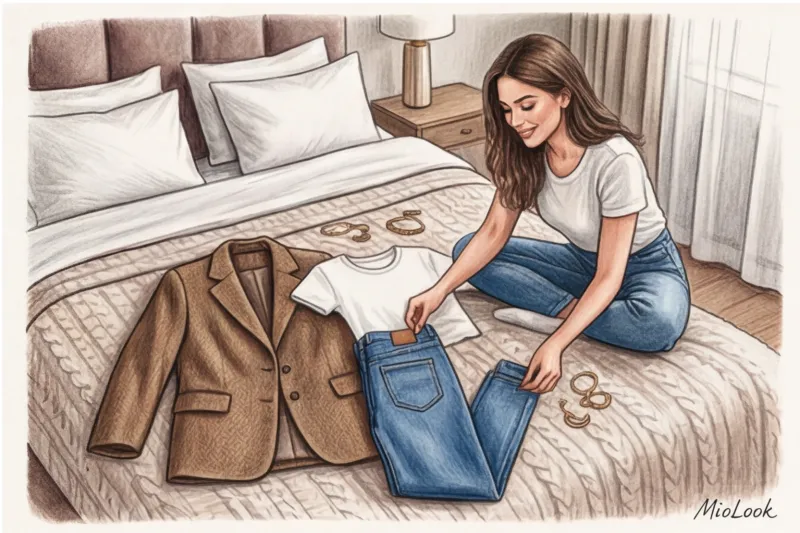
When it does NOT work: If your wardrobe consists exclusively of out-of-shape mass-market items and washed-out T-shirts, digitizing and reassembling your looks will only deepen your despondency. In this case, a comprehensive cleansing and building a high-quality base are needed, not playing with algorithms.
Managed Relapse: How to Buy Things When You Still Need Therapy
I'm against strict restrictions. Total asceticism and vows like "I won't buy anything all year" usually end in a massive shopping splurge, where you'll spend €500 on things you absolutely don't need. Sometimes, shopping as an antidepressant is truly necessary. The secret of stylists is to make that splurge happen. manageable.
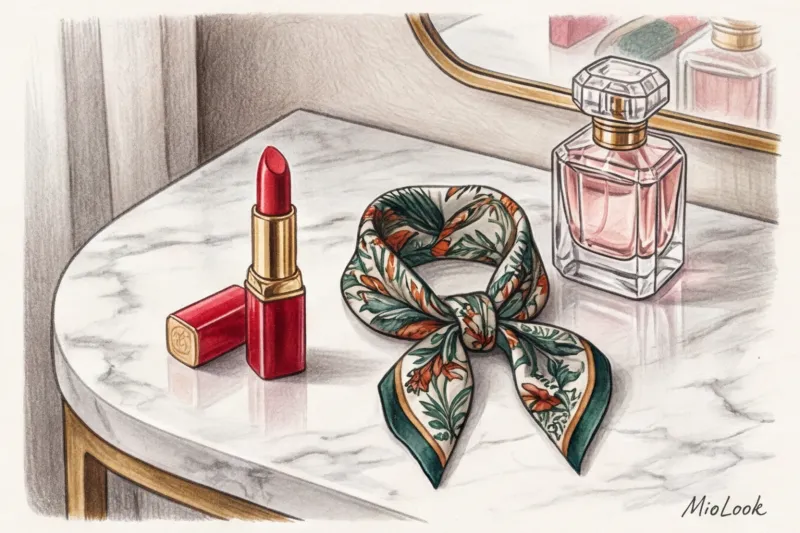
Let's recall the famous "lipstick index," a term coined by Leonard Lauder (CEO of Estée Lauder) in 2001. He observed that during economic crises and periods of widespread stress, sales of expensive dresses fall, while sales of luxury cosmetics soar. Women compensate for their anxiety through "micro-luxuries."
Apply the "small shapes" rule to your wardrobe. Feeling the irresistible urge to buy something after a terrible day? Don't buy another mediocre jacket from a mass market for €80. Redirect that same amount to a premium item, but in the micro-category. Buy phenomenal tights (for example, Wolford or Falke in the €40-60 range) - they will completely change the fit of any skirt. Buy luxurious hand cream that will sit on your desk and delight you with its aroma. Order a silk scarf or a niche perfume (by the way, if you're on a budget, drinking perfume — a great way to indulge yourself in a niche for ridiculously little money).
By replacing the impulsive purchase of a large item of dubious quality with a strategic acquisition of a premium accessory, you get that life-saving dopamine rush. But instead of a cluttered closet and feelings of guilt, you invest in elegance that truly works for you.