What is a jersey?
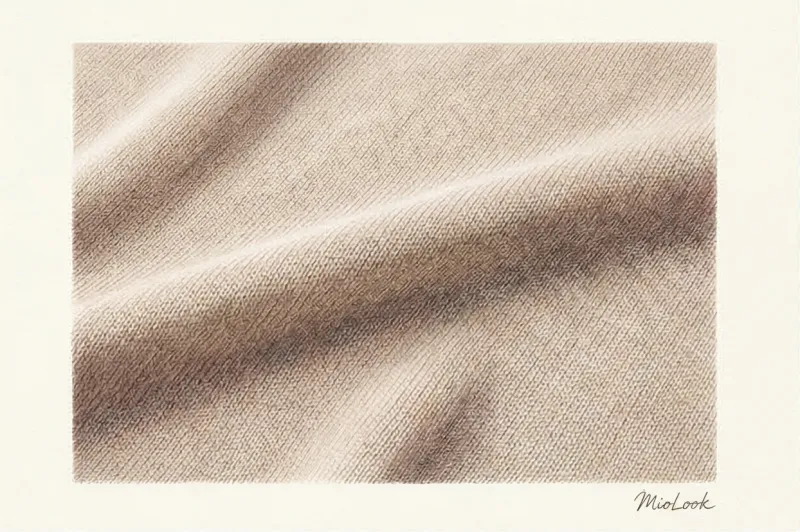
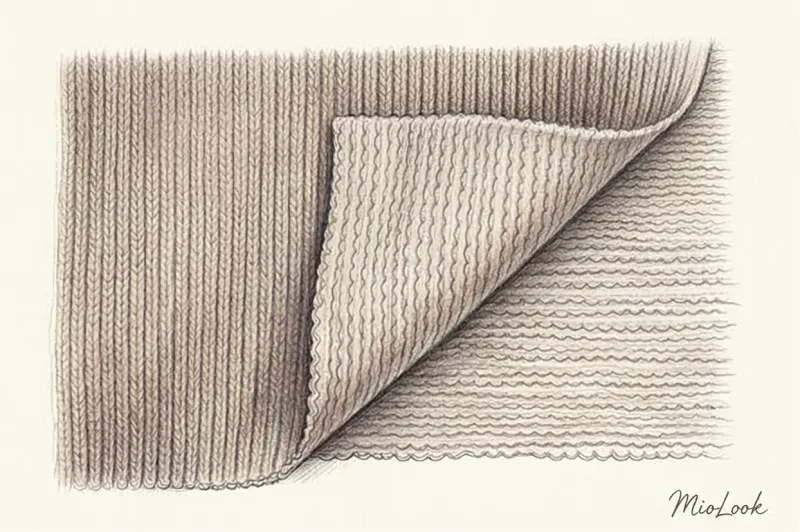
Jersey — is a warp-knitted fabric that is produced by machine knitting rather than weaving, which ensures its elasticity and softness.
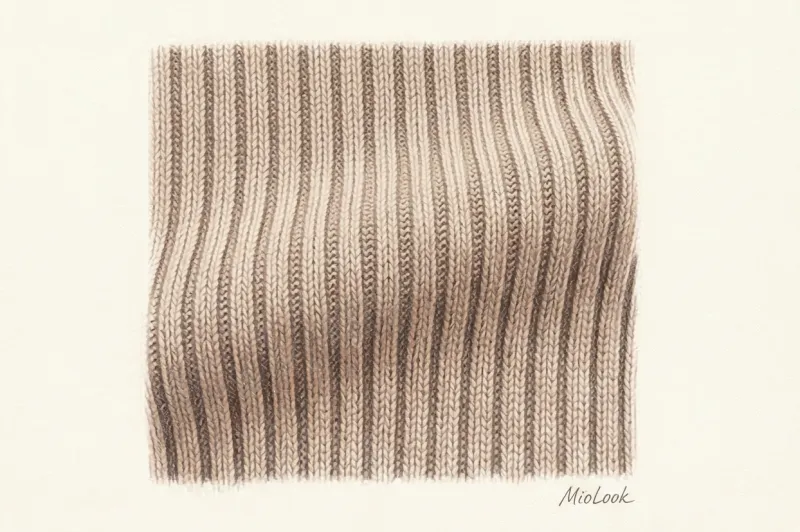
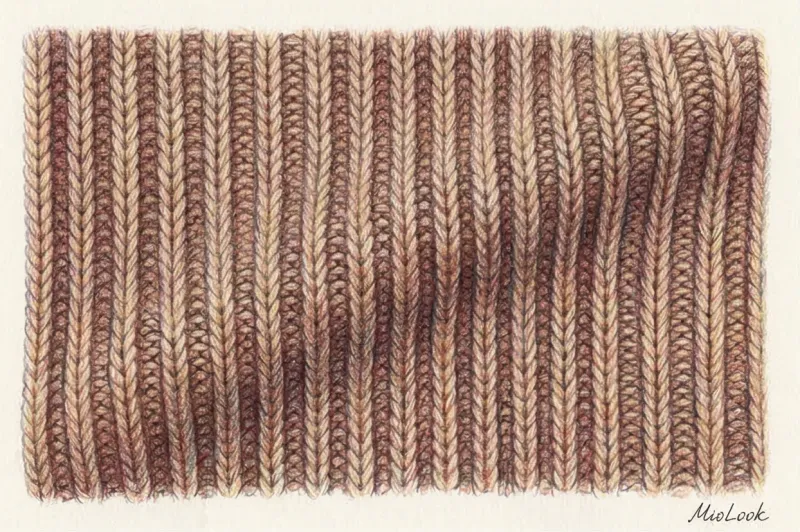
Technically, this fabric is a single or double weave. Vertical cables are clearly visible on the face of the fabric, while horizontal loops are located on the back. The fabric's name comes from the island of Jersey in the English Channel, where local sheep wool was originally used to knit thick, windproof sweaters for fishermen.
For a long time, the material was used exclusively for men's underwear and workwear. In 1916, Coco Chanel revolutionized fashion by creating elegant women's dresses, cardigans, and suits from jersey. This innovation made everyday clothing more comfortable and practical, freeing women from the rigidity of corset fabrics.
Distinctive features and types
The key properties of jersey knitwear are high stretchability, soft drape, wrinkle resistance, and good breathability. The fabric's characteristics are directly dependent on the fibers used in the machine knitting process.
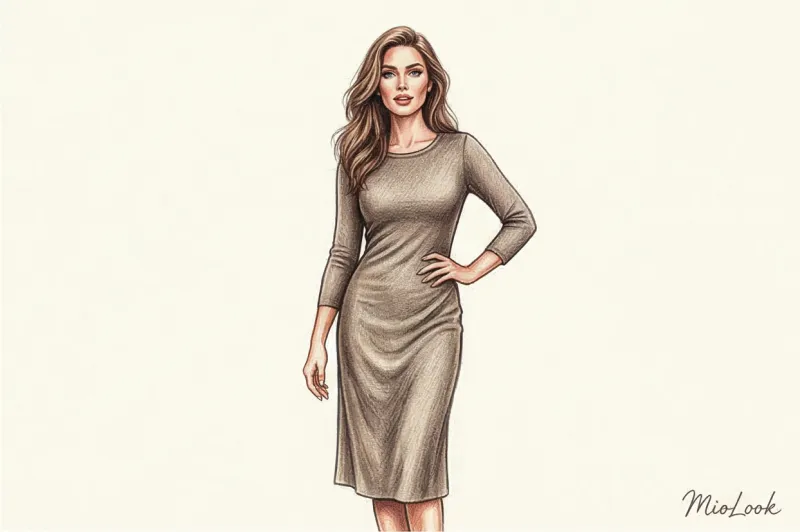
- Cotton jersey — a lightweight and breathable option. It's the industry standard for basic t-shirts, long sleeves, pajamas, and everyday loungewear.
- Wool jersey — a dense, heat-retaining material. It's used to create cardigans, fall dresses, sweaters, and soft business suits.
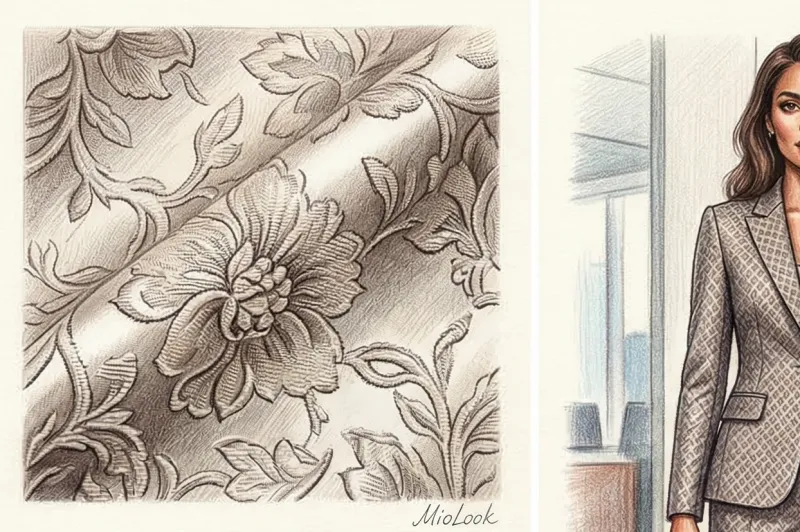
- Silk jersey — a fabric with a noble matte sheen and flowing texture, used for sewing evening dresses and draped dresses.
- Blended jersey — viscose options with added elastane. They offer increased wear resistance and shape-recovery properties, making them ideal for sportswear.

How to care for jersey
Care instructions for jersey items vary depending on the fiber composition, but there are general recommendations for all knitted fabrics. Wash on a delicate cycle at 30–40°C using mild liquid detergents. This helps prevent shrinkage and pilling.
Dry jersey garments horizontally on a flat surface, using an absorbent towel. Avoid wringing the fabric after washing to prevent it from becoming misshapen or losing its original shape.
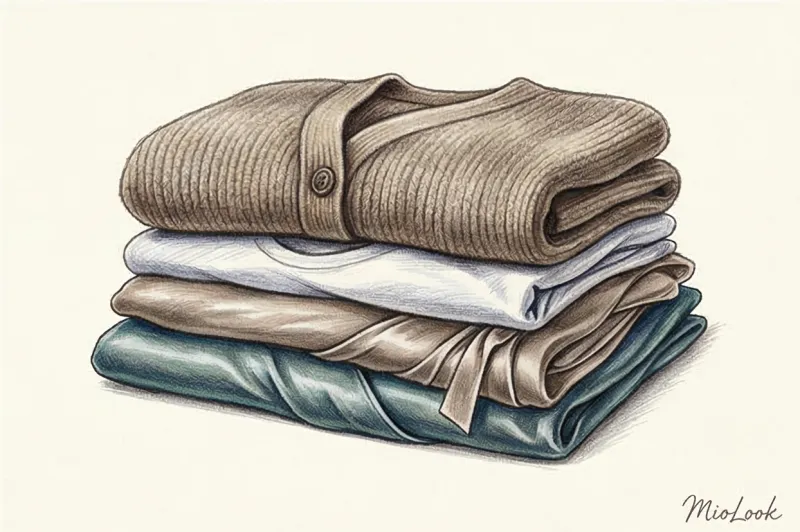
Iron the fabric inside out at the lowest temperature setting. It's best to use steam to gently restore its shape, avoiding direct contact with the iron's soleplate to avoid flattening the knit fabric. Jersey garments should be stored folded on shelves; hanging them on hangers causes the elastic fabric to stretch quickly under its own weight.