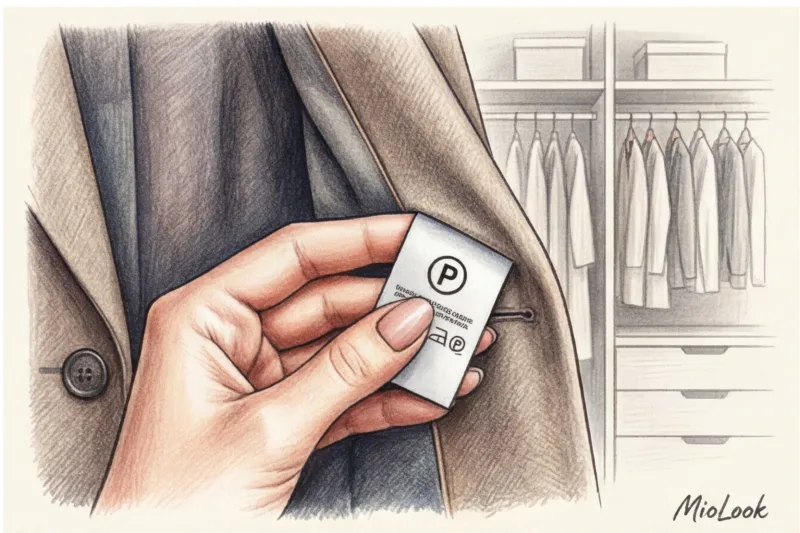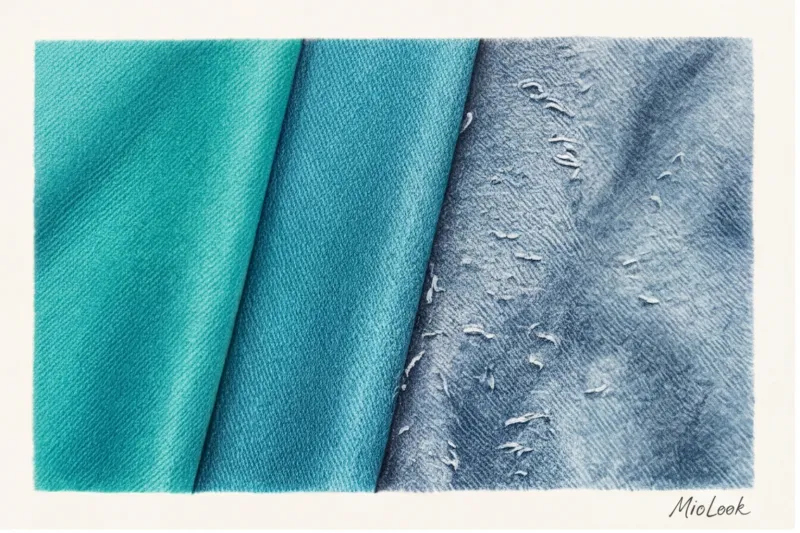
How many times have you thrown out a perfectly basic t-shirt simply because it lost its shape, became pilled, or turned a washed-out gray? We're used to blaming manufacturers for poor fabric quality. But after 12 years of managing wardrobes, I've learned the opposite: 80% of the time, it's not time or heavy wear that kills clothes. It's the chemicals in your washing machine.
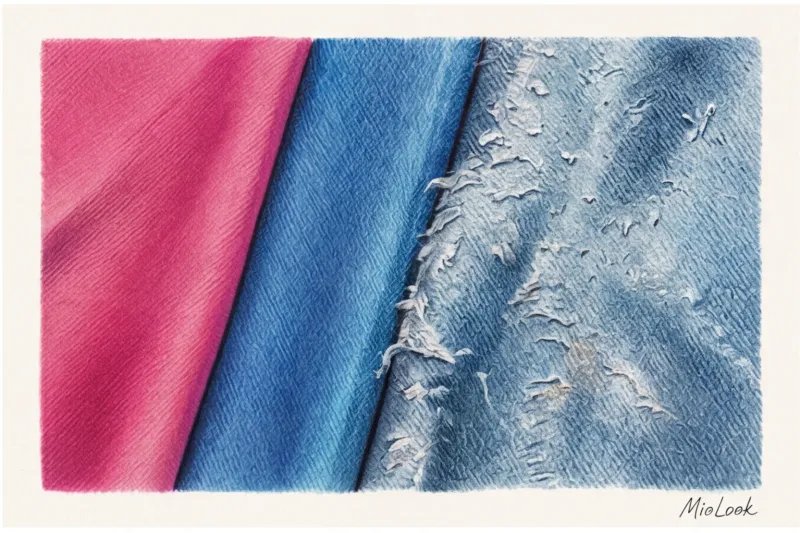
When we discuss conscious consumption, the focus often shifts to brand selection and recycling. But the real secret to a long-lasting cabinet starts in the bathroom. When choosing eco-friendly washing powder By doing this, you're not just saving groundwater from phosphates. You're also protecting your investment in clothing. I've covered the basics of caring for your clothes in more detail in our comprehensive guide: How to Care for Your Clothes: Secrets to a Long-Lasting Wardrobe.
Let's explore laundry chemistry from a textile expert's perspective and discover how the right detergent can reduce the cost of every time you wear your favorite clothes.
Why Regular Laundry Detergent Is Ruining Your Clothes (And How Eco-Friendly Laundry Detergent Changes That)
In styling, there's a concept called Cost-per-Wear (CPW)—the cost of an item per wear. Imagine you bought a great pair of trousers for €100. If you wear them 10 times before they lose their shape, each wear will cost you €10. If they last 100 wears, it'll only cost you €1. So, aggressive mass-market chemicals artificially inflate your CPW.
Recently, one of my clients complained about the "terrible quality" of her Massimo Dutti trousers. The blended fabric (viscose and elastane) had become wavy and lost its elasticity in just a month. When we investigated, it turned out she'd been washing them with regular supermarket detergent at 40°C. According to research by the German Textile Institute Hohenstein (2023), aggressive sulfates, combined with a high pH, literally corrode polyurethane threads (elastane). The garment doesn't shrink—it irreversibly loses its internal structure.
"When I'm sorting through wardrobes, I can tell with my eyes closed, just by touch, what someone washes their clothes with. Cotton and linen fibers, regularly exposed to phosphates, become stiff and brittle, like paper."
Another pain point is black jeans, which turn a mousey gray after five washes. This happens due to the harsh leaching of pigment by cheap surfactants. The main function of a high-quality eco-friendly laundry detergent is gentle cleaning at an ideal pH level (around 7-8), which preserves the original weave of the threads and does not leach out the dye.
The Anatomy of Ingredients: How to Read a Label Without a Chemistry Degree
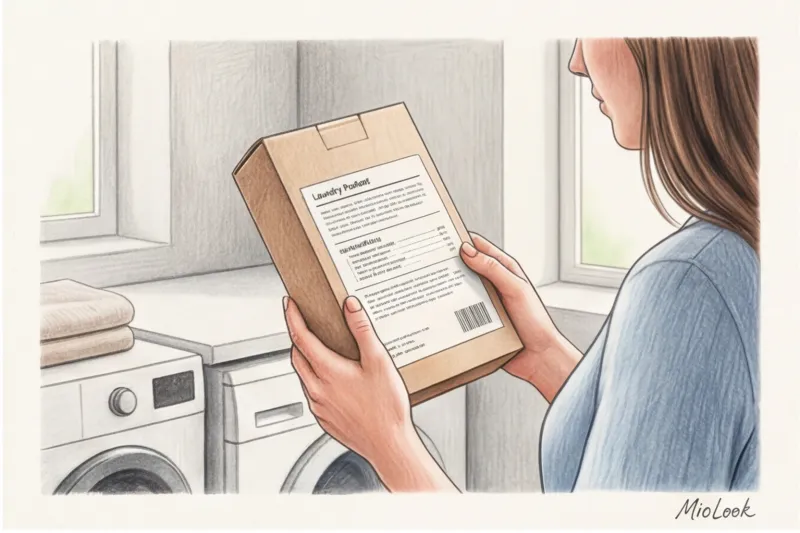
You don't need to be a chemical engineer to save your clothes. Just remember this basic rule: the shorter the composition, the better for the fabric and your skin.
Surfactants: Anionic vs. Nonionic
Surfactants are surface-active substances that lift dirt from fabric. In inexpensive products, anionic surfactants (AS) reign supreme. They are inexpensive to produce, produce a huge head of foam, and are extremely aggressive. Ideally, their content should be no more than 5% and they should be plant-based (for example, coconut oil).
In high-quality eco-friendly detergents, non-ionic surfactants do the main work. These are "gentle hard workers." They work well even in cool water, rinse completely from fibers, and never leave a whitish residue on dark clothes, which is so annoying when ironing.
Optical brighteners and enzymes: the hidden enemies of your basic wardrobe
Did you know that optical brighteners don't remove anything? It's one of the biggest misconceptions in the cleaning industry. Essentially, they're fluorescent dyes that settle on fabric and reflect blue light, visually masking yellowness. It's like makeup for clothes. The problem is that these particles remain in the fabric forever, build up, stiffen the fibers, and often cause contact dermatitis.
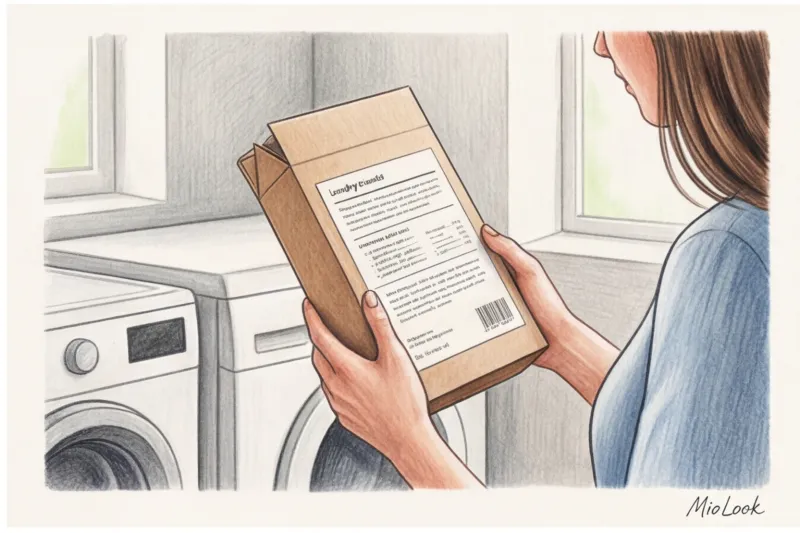
Enzymes are another controversial ingredient. They're brilliant at removing protein stains (blood, sweat, food). But there's a catch. Silk and wool are also proteins. If you wash your favorite cashmere sweater with a protease-based detergent, the enzymes will simply begin to "digest" the fabric, leaving micro-holes. That's why these fabrics require specialized, enzyme-free detergents.
Your perfect look starts here
Join thousands of users who look flawless every day with MioLook. This smart system will help you organize your wardrobe and reduce the wear and tear of your favorite items.
Get access — €0.99 onceDispelling the myth: "Eco-friendly laundry detergent doesn't clean as well"
The most common argument I hear is: "I tried eco-friendly detergent, but it doesn't lather or clean anything." Let's break this stereotype, because it's based on visual habits imposed by 90s advertising.

Myth 1: No foam, no wash. In fact, the absence of rich foam is a sign of quality. Excess foam creates an air cushion, but at the same time increases the dry friction of the fabric against the drum walls. This mechanical friction is what causes pilling. A good eco-friendly laundry detergent works in the water, not the air in the drum.
Myth 2: Natural remedies don't remove tough stains. They do, but they need a different approach. Conventional chemicals burn out the stain in 30 minutes. Eco-friendly products use oxygen bleach (sodium percarbonate). To activate it, a temperature of 40°C to 60°C and a little more time are needed. Give the product time to work: if the stain is stubborn, simply soak the item for an hour. The physics of washing is simple: if we reduce chemical aggressiveness, we need to increase either the time or the temperature (within reason).
Certificates you can trust (beware of greenwashing)
Today, every other box in the supermarket has green leaves and the words "Bio" or "Eco" on it. Marketers know we want to be eco-friendly. How can you avoid greenwashing?

I recommend not reading the advertising promises on the front, but looking for three quality marks on the back that really carry weight in Europe:
- EU Ecolabel: An official European standard. Guarantees not only biodegradability but also low-temperature washing performance.
- ICEA (Italy): A very strict standard that prohibits any petroleum products, synthetic fragrances and microplastics.
- Ecocert: French certification confirming that at least 95% of the ingredients are of natural origin.
If there is one of these symbols on the packaging, your items are safe.
Eco-Friendly Laundry Detergent vs. Gel: Which to Use and When
Another common mistake is using the same type of detergent for your entire wardrobe. Textile science dictates its own rules. The choice of detergent type directly depends on what's in the drum.
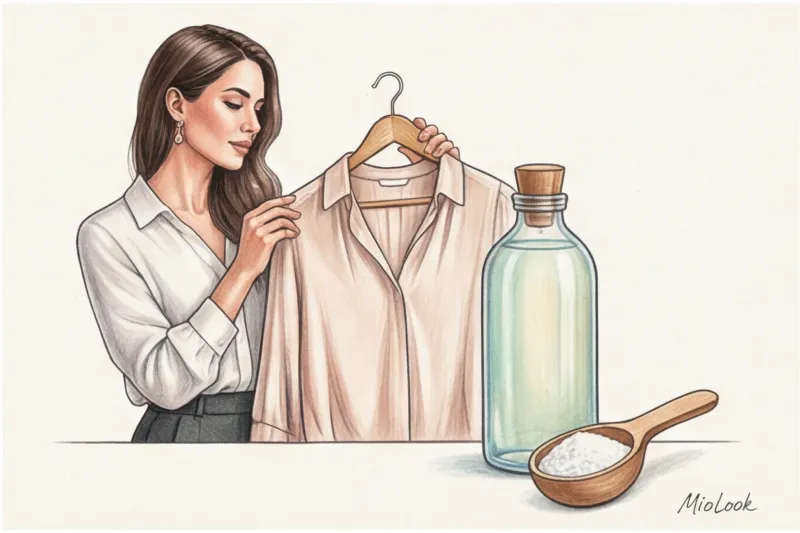
Dry eco-powder Ideal for durable natural fabrics: cotton, heavy linen, bed linens, and towels. It works great at temperatures of 40°C and above. At this temperature, the crystals completely dissolve, and the oxygen bleach is activated, removing deep-seated dirt. About How to properly wash jeans in a washing machine We wrote about using dry products to prevent white creases in a separate article.
Liquid eco-gel — is an absolute must-have for washing at low temperatures (20-30°C). Why? Because dry powder particles may not completely dissolve in cold water. The remaining crystals act as micro-abrasives: they rub against the fabric during rinsing, leaving micro-scratches. You won't notice this on light-colored clothes, but on dark fabrics, Tencel or cupra They'll quickly lose their premium shine and become covered in a bluish tint. The gel, however, instantly penetrates the fibers and rinses out without leaving a residue.
Access to MioLook for €0.99 — one-time payment
A smart AI stylist will select the perfect look for every day and help you digitize your wardrobe so you know exactly which items require delicate care.
Get access — €0.99 onceA Stylist's Checklist: 5 Steps to Eco-Friendly and Safe Laundry
Integrate these rules into your routine, and you'll be surprised how much longer your favorite basics will last.

- Stop pouring it on your eye. According to manufacturer statistics, 90% of people use twice as much detergent as necessary. Excess detergent doesn't make clothes cleaner—it settles in the fibers, making them sticky and attracting more dust. Follow the dosage chart carefully, taking into account your water hardness.
- Sort by weight, not just by color. Heavy jeans washed in the same drum with a thin blouse will physically break the fibers during the spin cycle. Separate your wardrobe by fabric weight. If you have trouble remembering what to pair with and wash specific items, I highly recommend digitizing your closet. You can upload photos of your clothes to MioLook to always understand the composition of your wardrobe.
- Switch to 30°C. Most modern eco-gels work perfectly in cool water. Reducing the temperature by just 10 degrees (from 40 to 30) not only saves energy but also slows down the degradation of elastane by half.
- Give up air conditioning. It's counterintuitive, but eco-friendly laundry doesn't require fabric softener. Most mass-market fabric softeners are liquid silicone that coats the fibers. While the garment may feel soft, it stops breathing and wicking away moisture (especially critical for sportswear). A good eco-friendly laundry detergent won't over-dry the fabric.
- Turn things inside out. Always. This simple action absorbs the brunt of the friction in the drum, keeping the front side of the garment smooth.
Bottom line: investing in ecology is an investment in your closet.
When you buy laundry detergent for €15 instead of €5, you might feel like you're overpaying. But let's go back to wardrobe math. If this detergent saves your favorite €120 blazer and a pair of €80 jeans from premature wear, your investment will pay for itself within the first month.

Environmental awareness goes hand in hand with common sense. The right eco-friendly laundry detergent doesn't contain harsh surfactants, doesn't leave chemical optical illusions on fabric, and preserves the fiber structure. Clothing care is an extension of your personal style. There's no point in buying premium items if you're treating them like a car wash. Read the ingredients, follow the temperature guidelines, and your wardrobe will love you back.