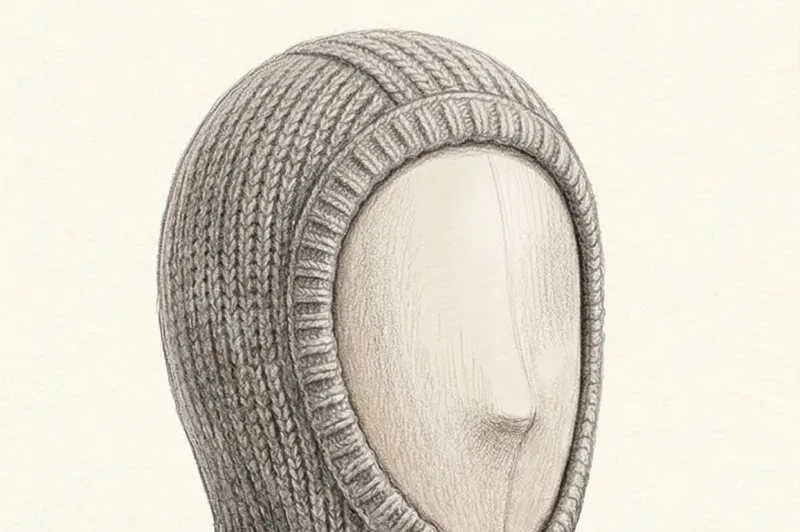
What is a balaclava?
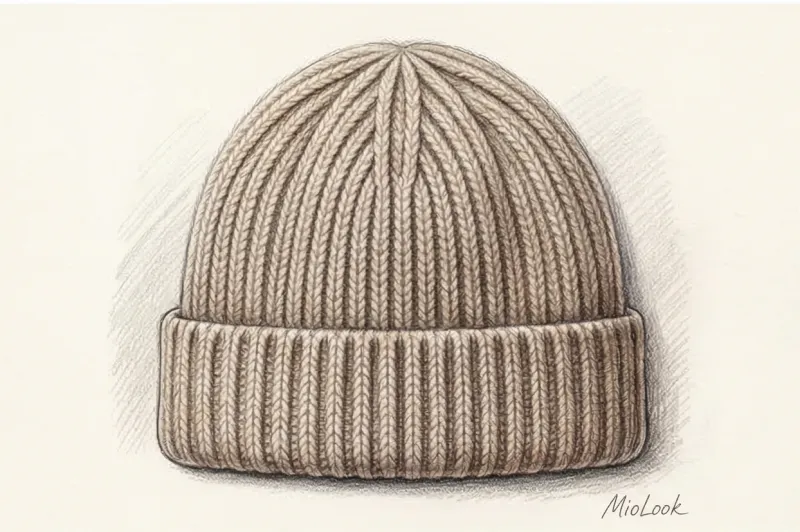
Balaclava — is a knitted or crocheted headdress that covers the head, neck and part of the face, leaving only the eyes or the entire oval of the face open.
The name of the accessory appeared during the Crimean War in 1854. During the Battle of Balaclava, British soldiers used knitted helmets to protect themselves from the intense cold and piercing wind.
For a long time, this headgear remained exclusively a component of military gear and specialized equipment for winter sports such as skiing and snowboarding. In modern fashion, the balaclava has evolved from a utilitarian item to a trendy everyday accessory.
Main types
The classic closed-back model fits snugly around the head and has a narrow opening just for the eyes. Sometimes these designs feature an additional opening for the mouth, providing maximum protection from the elements.
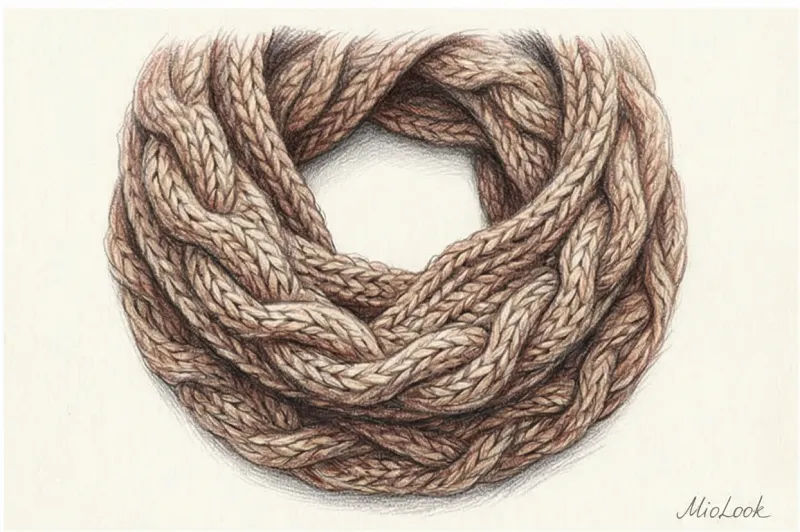
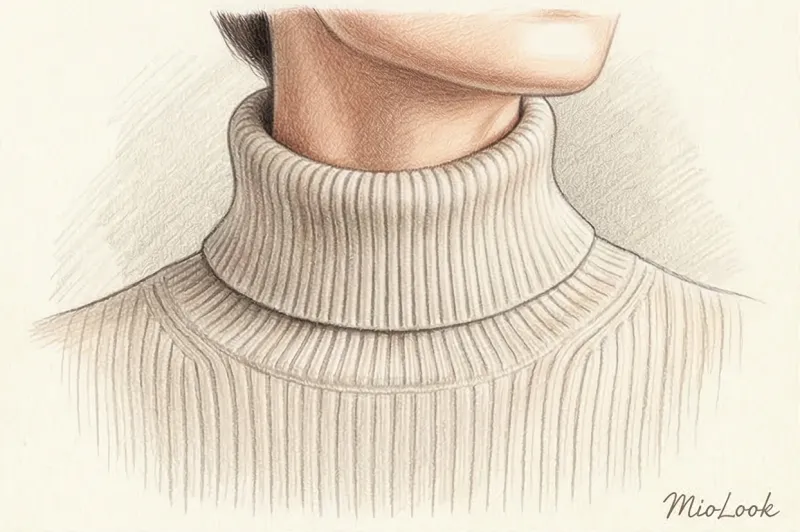
An open balaclava, also known as a helmet, leaves the entire oval of the face exposed. If needed, the lower part can easily be pulled under the chin, transforming the headwear into a voluminous collar or snood.
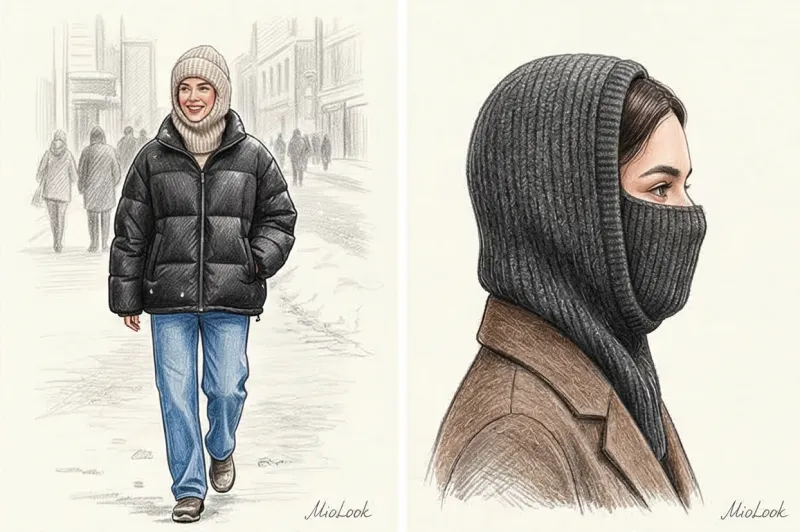
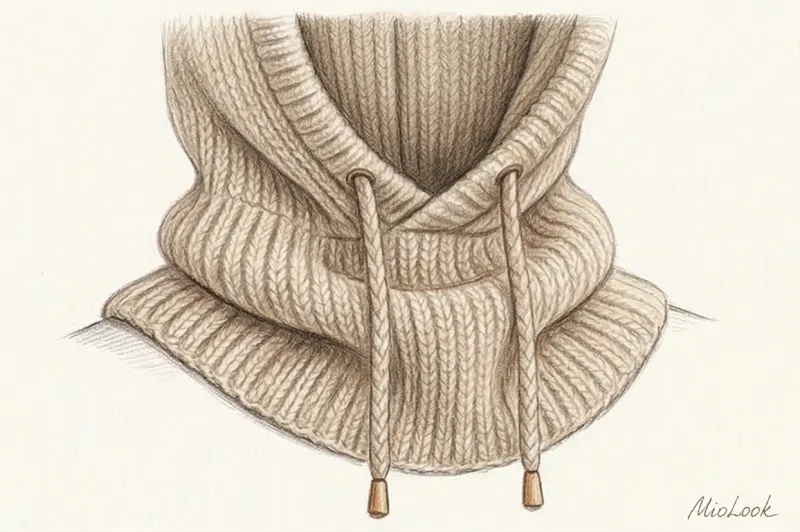
A balaclava-hood is a loose hybrid of a hood and a classic helmet. It doesn't fit tightly around the head and is often complemented by drawstrings or ties for adjustable volume.
Winter options are traditionally knitted from dense sheepskin, cashmere, mohair, and angora. Demi-season models are made from thin, smooth knits or fleece.
What to combine with
The balaclava pairs harmoniously with voluminous outerwear: down blanket jackets, aviator-style shearling coats, and chunky puffer jackets. The snug fit visually balances the wide silhouette of the outerwear.
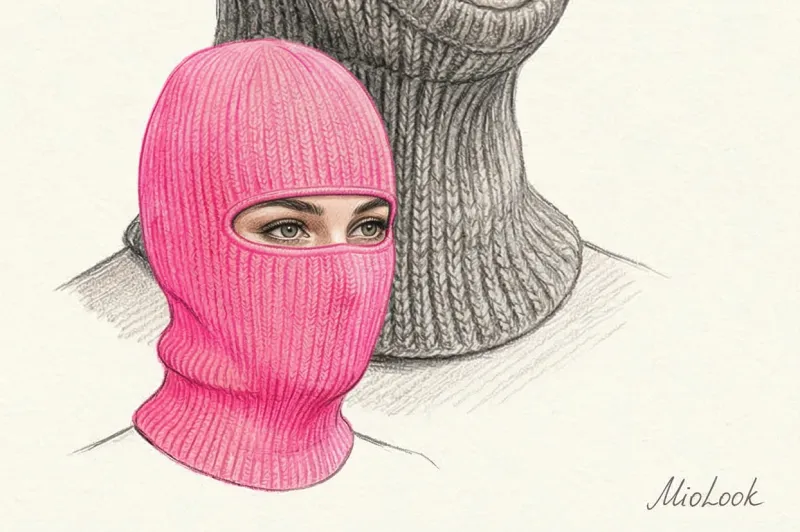
When paired with a classic straight coat, it creates a play on contrasting textures and styles. A sporty or grungy knit element breaks up the strict, architectural cut of the wool outerwear.
Thin, sleek styles are often used to create layered looks. They're worn as a base layer under a voluminous hoodie, or paired with baseball caps, bucket hats, or hats.
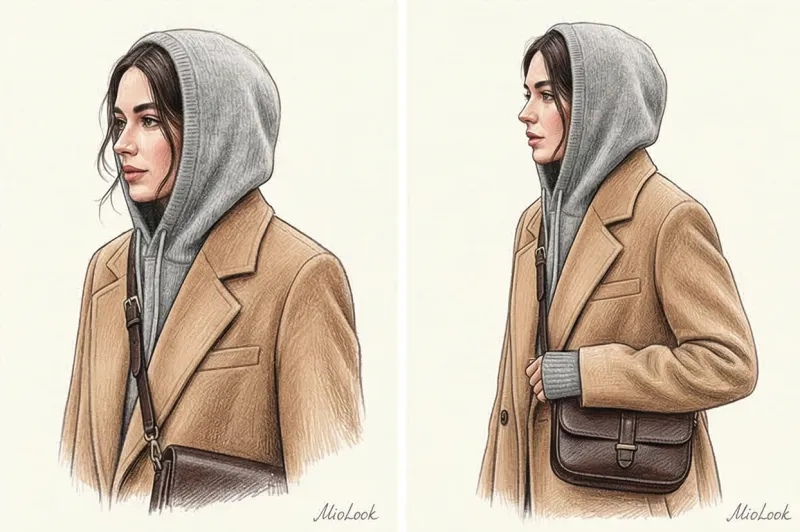
Two main color techniques are used in styling. The first is creating a monochrome look, where the headwear is matched precisely to the sweater or coat. The second is using the accessory as a bright accent, when neon or printed pieces are combined with neutral basics.