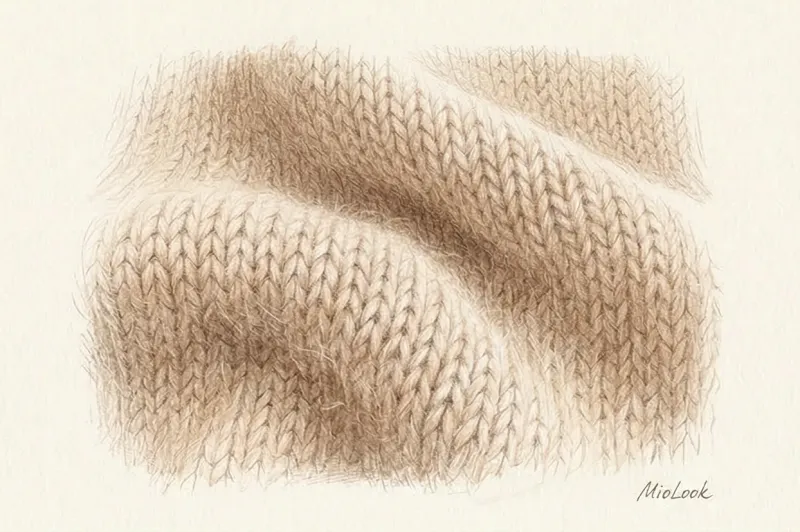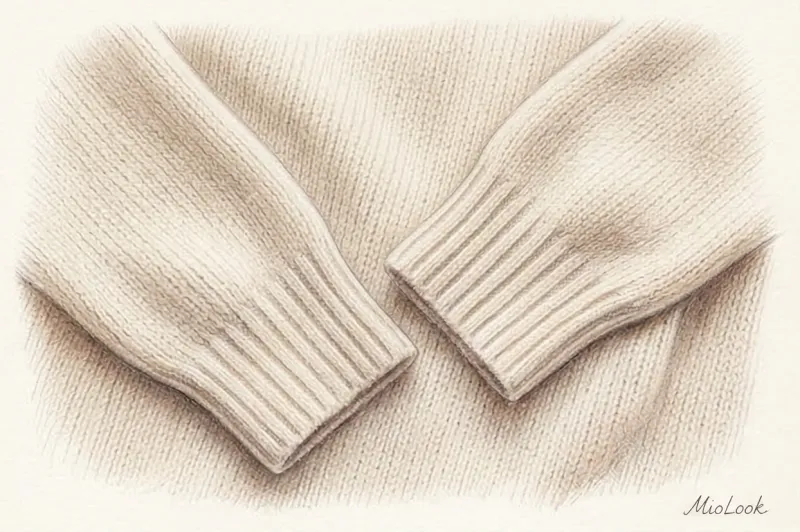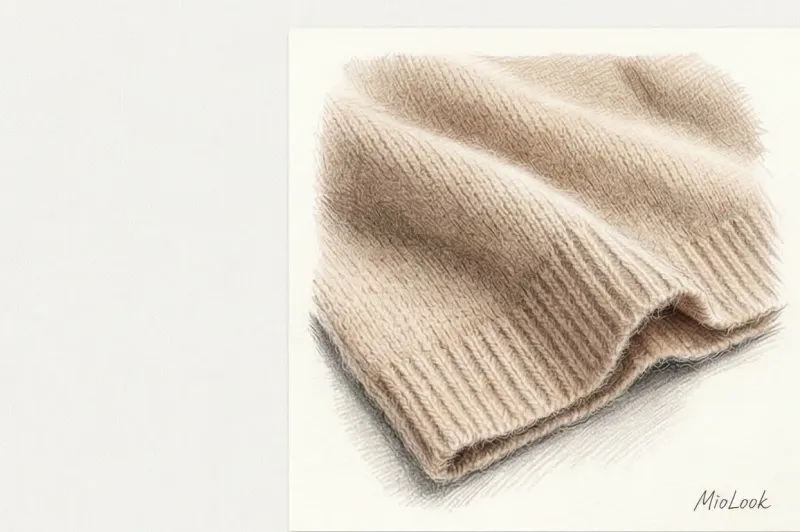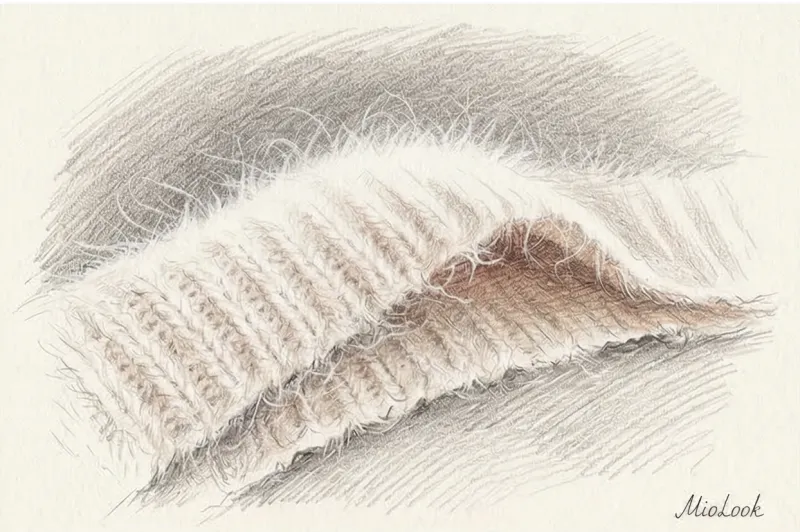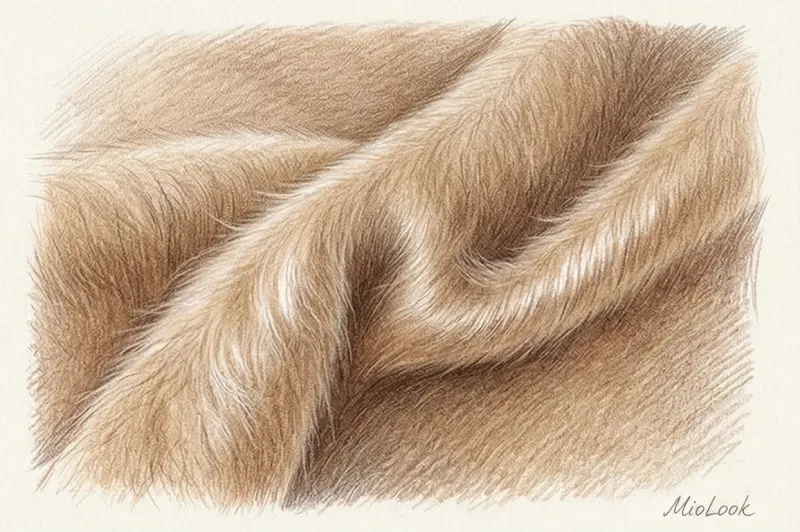
What is an alpaca?
Alpaca — is a natural wool fabric obtained from the fleece of the camel family animal of the same name, which lives in the Andes highlands of Peru, Bolivia and Chile.
This material is historically known as "Inca gold" due to its rarity and pronounced warming properties. The main difference between alpaca and traditional sheep's wool lies in the fiber's structure: it is seven times warmer, three times stronger, and significantly lighter.
Alpaca wool is completely free of lanolin (animal wax). This makes the fabric hypoallergenic and resistant to dust mites.
Distinctive features and types of fabric
The fabric has excellent temperature-regulating properties. It effectively warms in extreme cold, but does not cause overheating at above-zero temperatures.
Alpaca fibers have a smooth structure without visible scales. This gives the material a silky sheen, makes it completely prickly when in contact with the skin, and virtually eliminates pilling during wear.

There are two main types of raw material. Huacaya produces a fluffy, voluminous wool reminiscent of plush and is used in most products. Suri is a rare variety with long, straight, and silky fibers, used to create premium fabrics with a distinctive luster.
Baby Alpaca is a separate category. This fabric is made from the finest and softest undercoat of young animals, with a fiber thickness of no more than 22.5 microns.
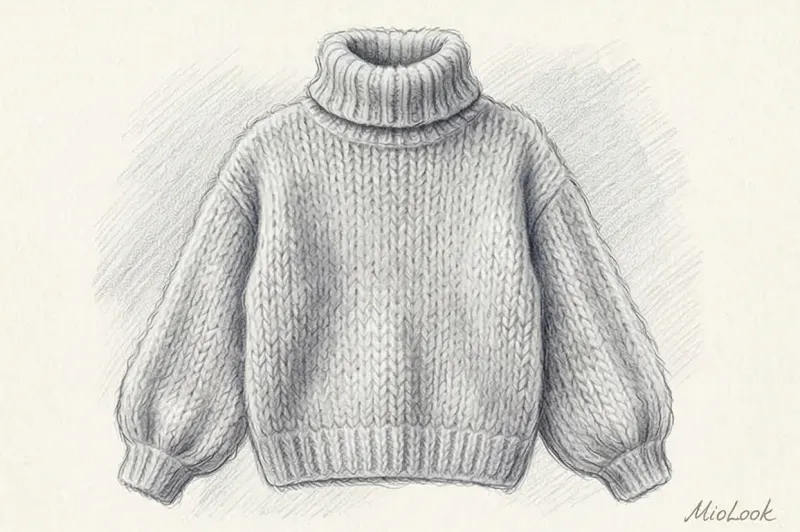
Blended fabrics are often used in the production of everyday clothing. Alpaca is combined with merino, silk, or acrylic to increase the elasticity of the fabric and reduce the final cost.
How to care for alpaca products
Alpaca garments should only be hand washed in cool water at a temperature no higher than 30°C. Use gentle liquid detergents specifically designed for wool, as sudden temperature changes and harsh detergents can cause irreversible shrinkage.
Never rub, twist, or wring items in the washing machine drum. Remove excess moisture by gently patting the item with a terry towel.
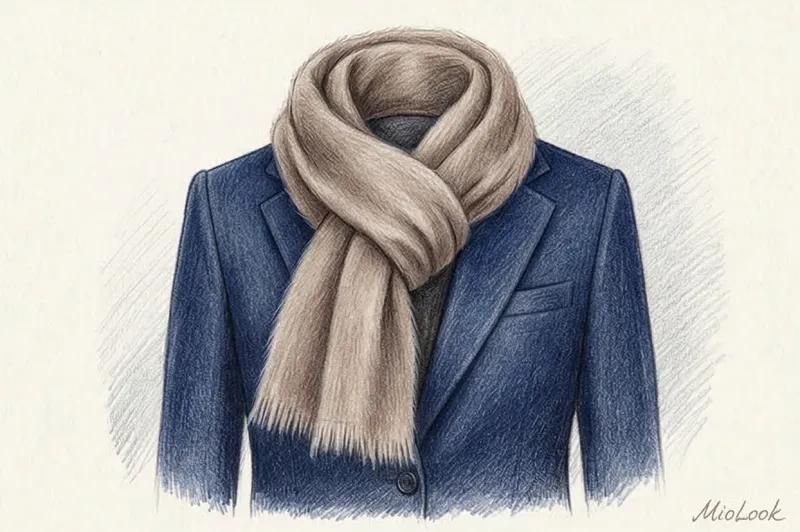
Drying should be done exclusively horizontally on a flat surface. Items should be kept away from direct sunlight and heating devices to prevent deformation and drying out of the fibers.
Alpaca knitwear and outerwear should be stored folded on a shelf. Using hangers inevitably causes the heavy fabric to stretch under its own weight.
To protect against moths, use only natural remedies, such as lavender or cedar sachets. Chemical repellents can damage the delicate fiber structure.