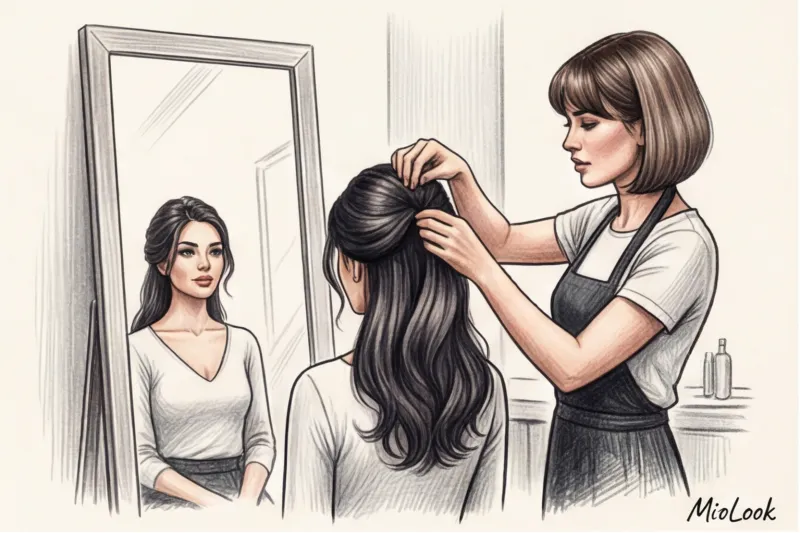
За 12 років роботи модним журналістом та стилістом на бекстейджах від Парижа до Нью-Йорка я чула цю пораду сотні разів: «У тебе маленьке зростання? Просто відріж волосся коротше, і справа з кінцем». Начебто ідеальні стрижки для невисоких дівчат — це якась сувора уніформа чи армійський статут. Мене відверто злить цей лінивий підхід.
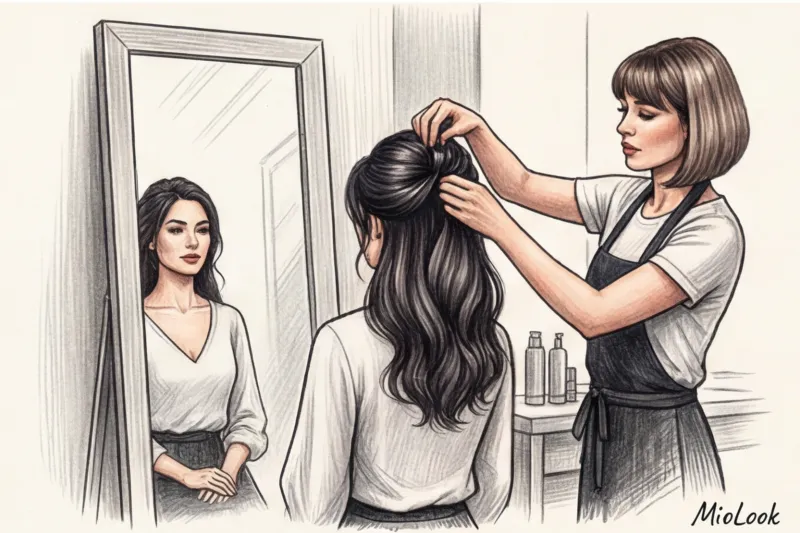
Насправді зростання «з'їдають» не сантиметри волосся, а неправильно розподілену візуальну вагу. Жіночий силует – це складна архітектура. Коли ми дивимося на людину, ми не бачимо окремо її чоло, ніс чи кінчики волосся. Ми зчитуємо цілісну форму. Докладніше про цей принцип ми розповіли у нашому повному гіді за стрижками на кшталт фігури. Сьогодні ми підемо далі та розберемо математику пропорцій, яка дозволить вам носити майже будь-яку довжину без шкоди для зростання.
Архітектура силуету: чому стрижки для невисоких дівчат потребують особливого підходу
Коли легендарний британський перукар Відал Сассун здійснив революцію в індустрії 1960-х, він спирався на архітектурні принципи баухауса. Форма повинна йти за функцією. У нашому випадку функція візуально витягнути фігуру.
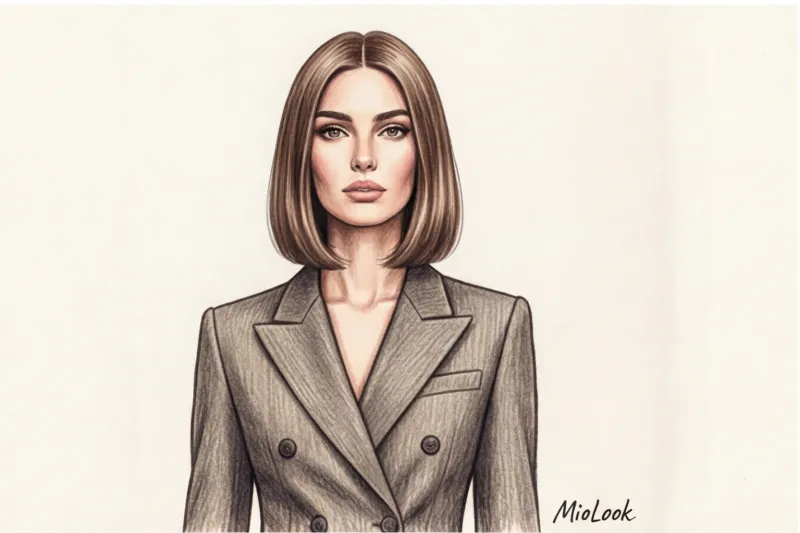
Тут у гру вступає гештальт-психологія. Навколишні сприймають ваш образ як єдину пляму. Якщо у вас густе, рівно зрізане волосся до лопаток, воно створює масивний темний прямокутник, який зміщує центр ваги фігури вниз. Ваша голова візуально зливається з плечима, і шия «зникає».
Як практикуючий стиліст, я завжди дотримуюсь одного золотого правила: я ніколи не обговорюю майбутню форму, доки клієнтка сидить у кріслі. Насамперед ми постаємо перед великим дзеркалом на повний зріст. Тільки так можна оцінити співвідношення ширини плечей, довжини шиї та стегон. Якщо майстер одразу вдягнув на вас пеньюар і взявся за ножиці, не подивившись на вашу фігуру, це привід насторожитися.
Математика стилю: як розрахувати свою ідеальну довжину (Правило 5,7 см)
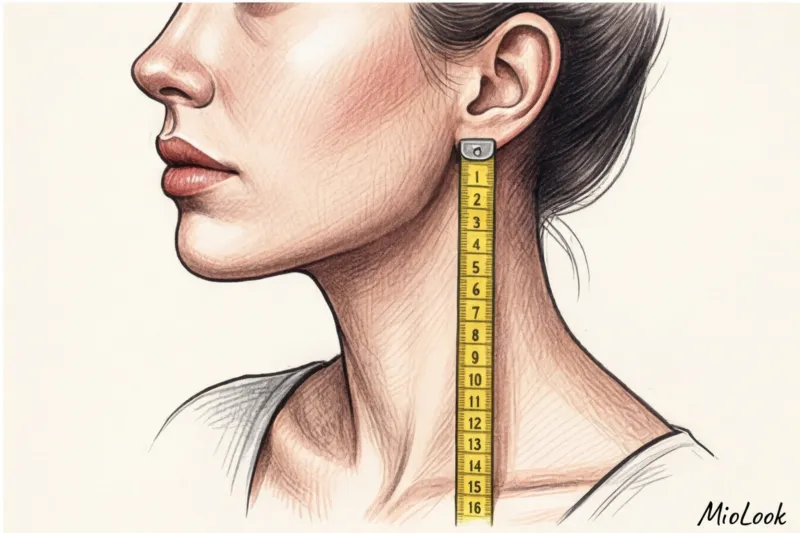
Перш ніж зважитися на кардинальні зміни, варто звернутися до точних наук. Легендарний стиліст Джон Фріда (John Frieda) вивів знамените "правило 2.25 дюймів" (у метричній системі - 5,7 см), яке безпомилково визначає, чи піде вам коротка стрижка аж до лінії підборіддя.
Як провести цей тест вдома за 1 хвилину:
- Візьміть олівець та лінійку.
- Встаньте перед дзеркалом (краще зібрати волосся у хвіст).
- Прикладіть олівець горизонтально під підборіддя.
- Прикладіть лінійку вертикально під мочку вуха так, щоб вона перетинала олівцем під прямим кутом.
- Подивіться на позначку, де олівець перетинає лінійку.
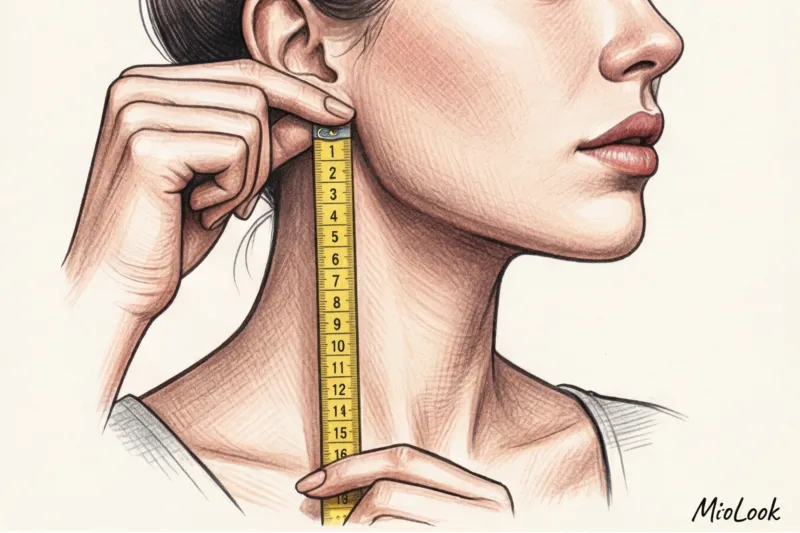
Якщо відстань менша за 5,7 см — короткі стрижки (боб, піксі) створені для вас, вони зроблять обличчя тоншим, а шию довшим. Якщо більше 5,7 см - ультракоротка довжина може порушити пропорції, і вам краще орієнтуватися на подовжений боб (чоло) або стрижки до ключиць.
Крім того, враховуйте класичне правило третьої. Для ідеального візуального балансу голова разом із зачіскою не повинна займати більше ніж 1/8 від загальної висоти тіла. Якщо ваше волосся розпущене і закриває груди, цей візуальний блок розширюється до 1/3 верхньої частини тулуба, що катастрофічно «прибиває» мініатюрну фігуру до землі.
Приміряйте нову стрижку без ризику
Завантажте своє фото в MioLook і перегляньте, як різні довжини і форми змінюють ваші пропорції. Розумний ІІ алгоритм підбере ідеальний варіант.
Відкрити доступ — €0,99 разовоГоловний міф: «Мініатюрним дівчатам протипоказане довге волосся»
Це дратівливе кліше в модній індустрії. Статистика безжальна: щільне волосся нижче лопаток з важким прямим зрізом візуально зменшує зростання на 3-5 см. Але ключове слово тут важким.
На бекстейджі Тижня моди в Парижі я спостерігала, як зіркові стилісти працюють із мініатюрними моделями. Ніхто не змушує їх стригтись під хлопчика. Натомість майстри використовують техніку невидимих шарів (ghost layers). Вони зберігають загальну довжину полотна, але вистригають внутрішні шари волосся, створюючи повітря та рух. В результаті довге волосся не лежить статичним плащем, а «розлітається» при ходьбі, формуючи вертикальні динамічні лінії.
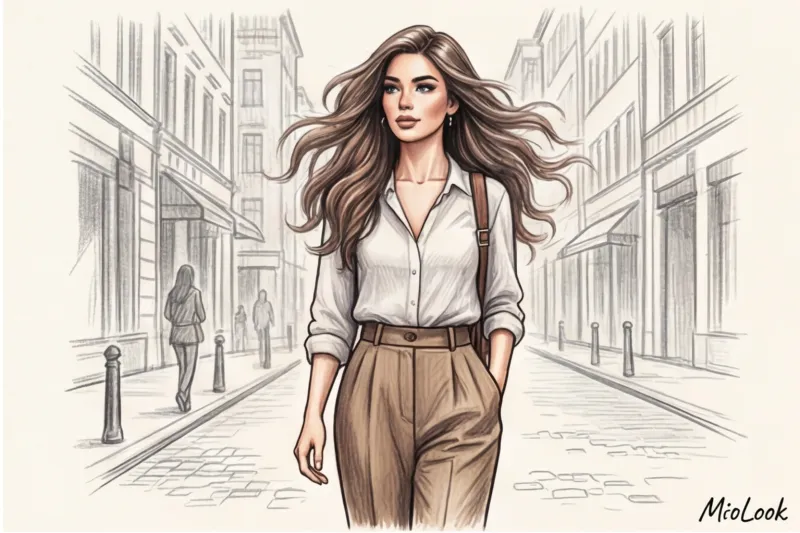
Якщо ви не готові розлучатися з довжиною, ваш найкращий друг - подовжена чубчик-шторка (curtain bangs). На відміну від прямої густої чубчика, яка «обрізає» обличчя, чубчик-шторка розпадається з обох боків, створюючи перевернуту літеру V. Ця діагональ змушує погляд співрозмовника ковзати зверху донизу, витягаючи обличчя і силует.
Топ-5 стрижок для невисоких дівчат, які додають сантиметри зростання
Ідеальна стрижка для невисокого зросту завжди будується навколо відкритих ключиць та тонкої шиї. Нижче представлено п'ять безпрограшних архітектурних рішень, які працюють у реальному житті, а не лише після двох годин укладання в салоні.
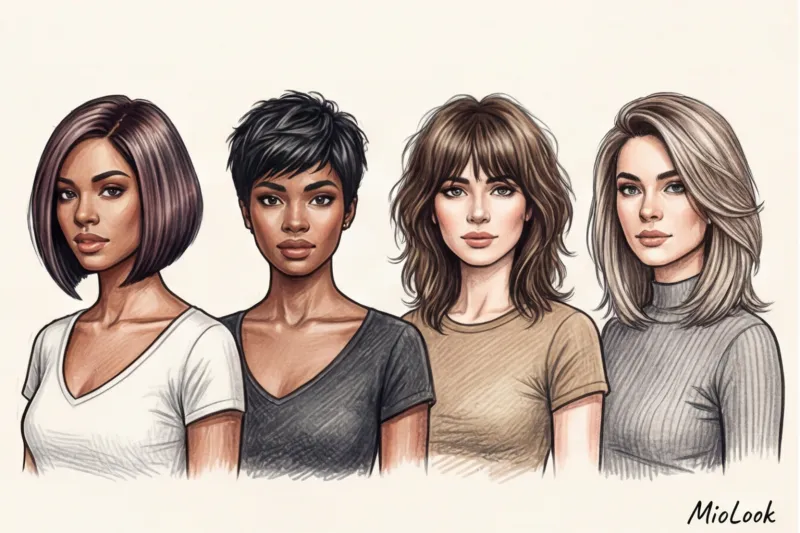
Боб-каре з подовженням: ефект лебединої шиї
Класичне А-силуетне каре, де потилиця коротша за передні пасма. Діагональна лінія зрізу, що йде від відкритої шиї до підборіддя, задає потужний вектор. Відкрита потилиця - це взагалі головний чит-код для мініатюрних дівчат. Демонстрація витонченої лінії шиї зі спини автоматично додає вам пару сантиметрів на зріст.
Багатошарова піксі з об'ємом на маківці: ліфтинг силуету
Створюючи фокусну точку на верхній частині голови, ви змушуєте погляд підніматися вище. Однак тут криється важливе обмеження. Коли це НЕ працює: Пікс протипоказана невисоким дівчатам з широкими плечима і пишним бюстом (тип фігури «перевернутий трикутник» або «яблуко»). Одна з моїх клієнток з такою фігурою наполягла на ультракороткій піксі, і ми отримали класичний «ефект чупа-чупса» — маленька голова на тлі масивного корпусу зробила її візуально нижчою та ширшою.
Шеггі (Shag) та м'який каскад: динаміка без важкості
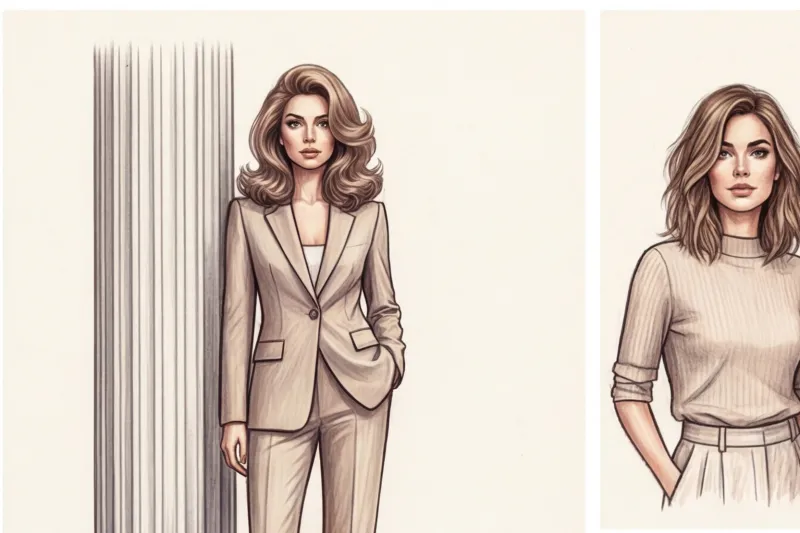
Багаторівневі стрижки з рваними кінцями на кшталт 70-х — порятунок тим, хто хоче середню довжину. Текстура лише на рівні ключиць полегшує образ. Пасма лягають не рівною лінією (яка ріже фігуру навпіл), а м'якими пір'ячками, створюючи ілюзію безперервного вертикального потоку.
Асиметричний лоб (подовжений боб)
Якщо волосся доходить рівно до ключиць, а проділ зміщений набік, ви вбиваєте двох зайців: зберігаєте жіночну довжину і ламаєте горизонтальну симетрію. Асиметрія завжди додає фігурі зростання, оскільки око не може миттєво "виміряти" пропорції.
Французький боб довжиною до лінії щелепи
Текстурований зріз рівно по лінії підборіддя з легкою недбалою чубчиком. Ця стрижка переносить акцент із плечей на вилиці. Відмінний варіант для європейського кежуал-стилю, але вимагає хорошого зволоження волосся, щоб кінці не пушилися в різні боки.
Чи не впевнені, чи підійде вам боб або піксі?
Перевірте це онлайн. Завантажте Selfie в MioLook і приміряйте різні довжини за пару кліків.
Приміряти стрижку онлайнЧервоні прапори: зачіски та укладання, які роблять вас нижче
Навіть найвдалішу стрижку можна зіпсувати неправильною формою. Уникайте наступних пасток, які працюють як візуальний прес.
- Гладке волосся з прямим проділом. Прилизані укладання візуально сплющують череп, позбавляючи вас законних 2-3 сантиметрів об'єму на маківці.
- Важкі прямі чубчики від самої верхівки. Вони «з'їдають» лоба, вкорочують обличчя і важким блоком тиснуть на силует. Якщо дуже хочеться чубчика, просіть філіровану або косу.
- Занадто широке каре-трикутник. Якщо волосся об'ємне на кінцях і плоске біля коріння, форма нагадує піраміду. Основа цієї піраміди розширює вашу фігуру, роблячи її присадкуватою.
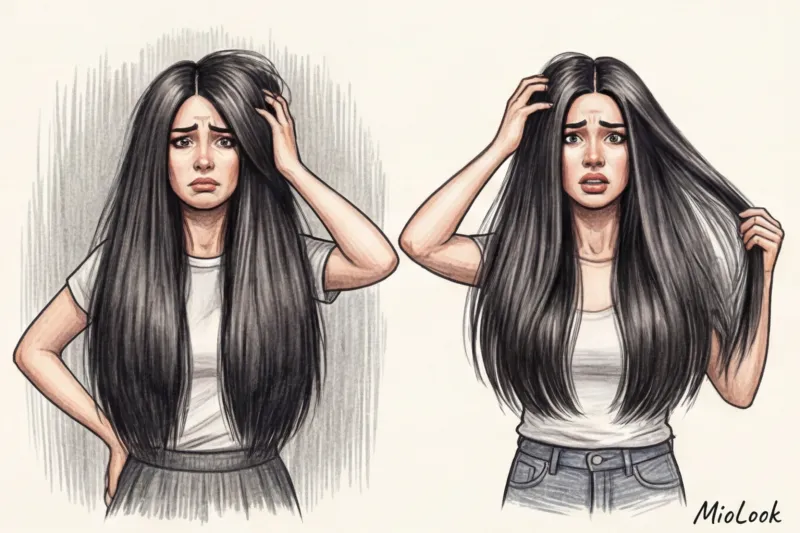
«Коли клієнтка при зростанні 155 см просить рівне важке каре до плечей без філіровки, я просто фотографую її зі спини, приклавши волосся потрібної довжини. Вигляд ззаду, де шия повністю пропадає, а плечі здаються вдвічі ширше, протвережує краще за будь-які професійні умовляння».
Чек-лист перед салоном: як отримати стрижку, яка вам іде
Похід у салон часто закінчується розчаруванням не через погану техніку майстра, а через труднощі перекладу. Щоб отримати ідеальний результат, підготуйтеся заздалегідь.
По-перше, сфотографуйте себе вдома на повний зріст (спереду, збоку, ззаду) з гладко зачесаним назад волоссям. Ви побачите свої реальні пропорції без викривлень, які створює поточна зачіска.
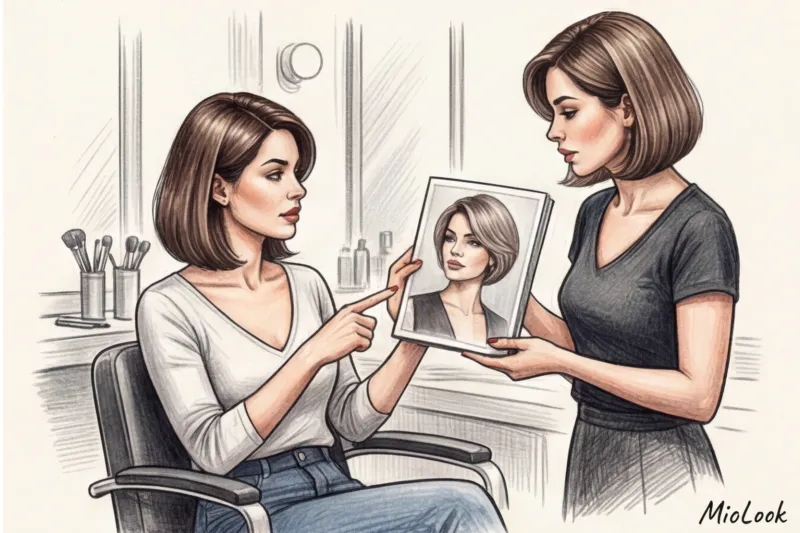
По-друге, приходьте в салон у тому одязі, який носите найчастіше, особливо звертаючи увагу на форму вирізу. Стрижка має гармоніювати з вашим повсякденним гардеробом. І, нарешті, вивчіть правильний словник для спілкування з колористом та перукарем:
- Замість «приберіть обсяг» просіть "полегшити густоту всередині, не чіпаючи верхні шари".
- Замість «Зробіть як на фото» скажіть «Мені подобається ця текстура на кінцях, адаптуємо довжину під мою лінію підборіддя».
- Замість «просто підрівняйте» попросіть «зберегти обсяг у кореневій зоні та додати трохи динаміки кінцям».
Фінальні штрихи: як колір волосся та щоденне укладання впливають на зріст
Стрижка – це фундамент, а колір та укладання – фасад вашого образу. За даними дослідження глобального агентства WGSN (2024), щільні монолітні фарбування стрімко втрачають актуальність, поступаючись місцем багатовимірним кольорам.
Якщо ви мініатюрна брюнетка і фарбуєте волосся в синювато-чорний відтінок будинку (зазвичай фарба в супермаркеті коштує близько 8–15 €, але візуальна шкода незрівнянно більша), ви створюєте темний «шолом», що поглинає світло. Це обтяжує голову. Вибирайте техніки балаяж чи шатуш. Світлі відблиски, розсипані по довжині, створюють вертикальні лінії, якими ковзає погляд, візуально витягаючи силует.
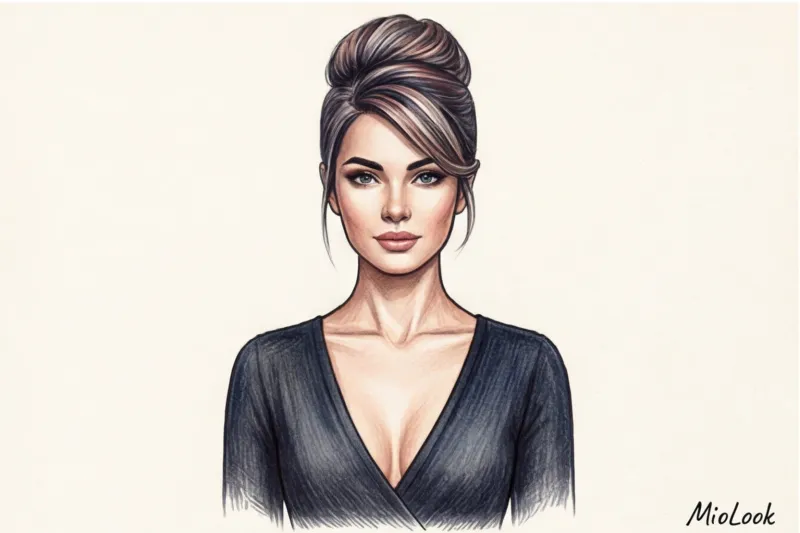
Що стосується щоденної рутини, запам'ятайте просте правило: обсяг має бути спрямований нагору, а не вшир. Якщо у вас немає часу на укладання (до речі, чудові поради щодо економії часу ми зібрали у статті « Як правильно сушити волосся феном »), Ваш рятівник - високий хвіст або недбалий пучок на маківці (top knot). Це миттєвий візуальний ліфтинг, який відкриває вилиці і робить вас вищими і стрункішими.
Невисоке зростання — це не обмеження, а нагода навчитися ювелірно працювати з пропорціями. Пам'ятайте: жоден сантиметр волосся не повинен висіти просто так. Кожне пасмо повинно мати текстуру, відкривати стратегічні зони тіла та спрямовувати погляд нагору. Спробуйте відмовитися від важкого рівного зрізу на користь невидимих шарів, і ви здивуєтеся, як сильно зміниться ваша постава та загальне сприйняття фігури.