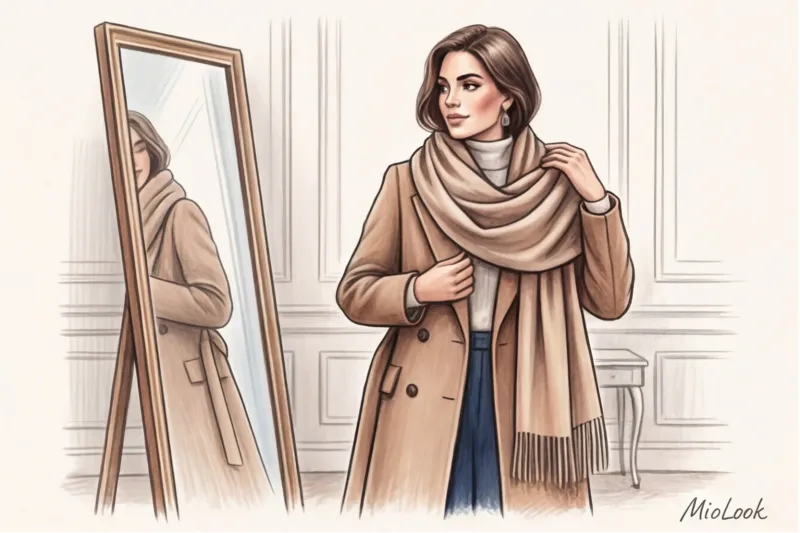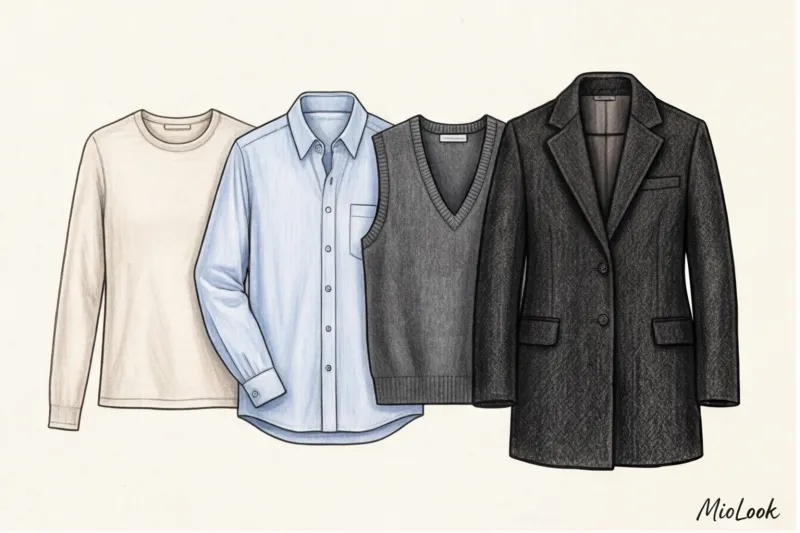
Have you ever felt this way? You're trying to squeeze your arms into the sleeves of a coat over a bulky hoodie, the fabric bunching up in your armpits, you start sweating in the hallway, and then suddenly freeze when you step out into the freezing wind? My client Anna, an IT manager, hated winter for years precisely because of this "clumsy snowman" effect. She thought you had to sacrifice elegance for warmth. But that's a profound misconception.
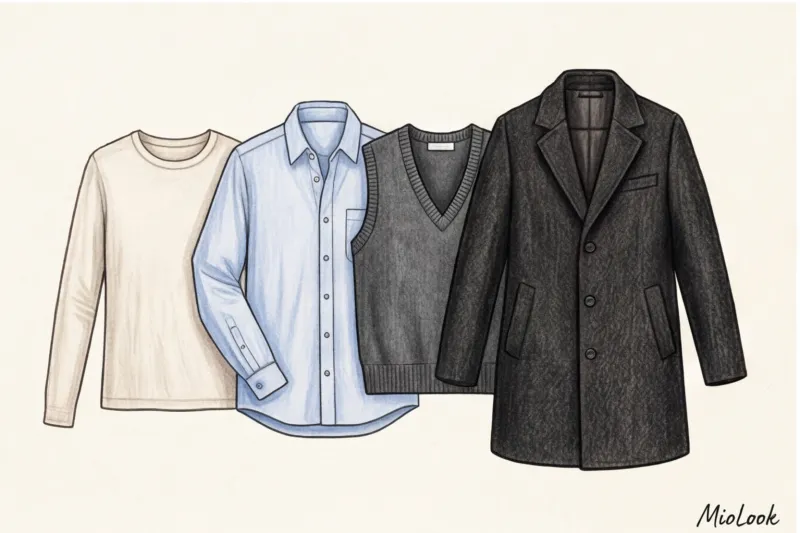
Over 14 years of working as a stylist, I've realized the most important thing: we often confuse the utilitarian clutter of things with clever "thermal architecture." We discussed the basic theory of layering in more detail in our complete guide to layering in clothing , and today we'll talk about harsh winter practice.
I'll show you how to layer winter outfits, taking into account our crazy urban temperature swings—when you go from a snowy -10°C street to a scorching subway, then into an office with central heating. And you still look like you just stepped out of the pages of Vogue, not on an expedition to the North Pole.
The Anatomy of Warmth: Why Layering Works Better Than a Chunky Sweater in Winter
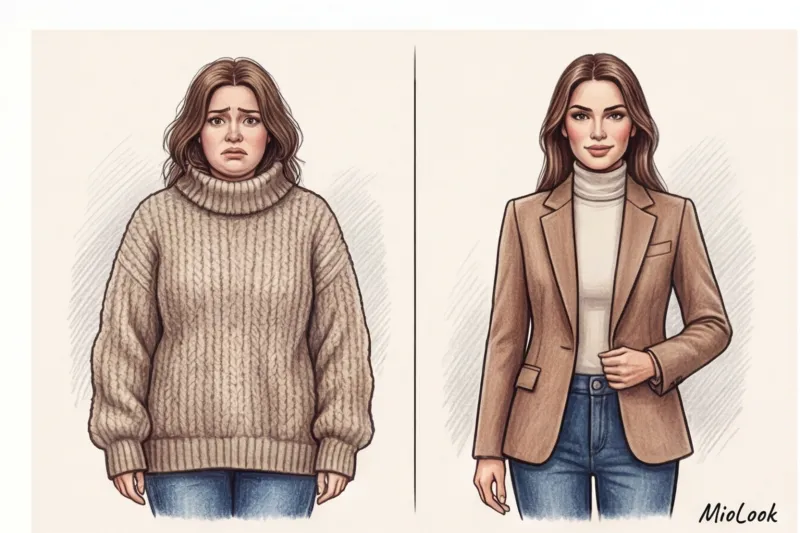
I'll start with the most counterintuitive fact that breaks the stereotypes of many of my clients: the thickest sweater is not the warmest An oversized, chunky-knit acrylic jumper is less warm (and significantly more fattening) than a super-thin 100% merino wool turtleneck worn under a thick cotton shirt.
Let's turn to physics and textile engineering. It's not the fabric itself that warms us, but the layer of air trapped between the body and the clothing, as well as between the layers of clothing themselves. Every millimeter of isolated air retains up to 3 degrees of body heat.
If you wear one giant pullover, the wind will easily blow right through it (especially if it's a loose knit). But if you use smart layering, you create a thermos effect. Thin modern thermal underwear, just 0.5–1 mm thick, can replace 5 mm of acrylic knit.
When I personally tested a four-layer outfit (thermal top + shirt + cashmere vest + wool coat) in the city winter, the results surprised even me. Outside, I didn't feel the piercing wind because the thick cotton of the shirt acted as a windbreaker. And when I went to a café, I only needed to take off my coat to comfortably drink coffee without sweating like I do in a "granny" sweater.
The formula for the perfect silhouette: how to avoid looking like a cabbage
The main fear when thinking about layering in winter is the visual increase in weight. To avoid this, in my practice, there is a strict rule of volumes: each subsequent layer should be denser and looser than the previous one.

For my plus-size clients I have developed "2-centimeter rule" There should be at least a couple of centimeters of air space between layers. If you wear a tight shirt over a tight turtleneck, you'll not only get cold due to the lack of air space, but you'll also highlight every wrinkle on your body. Layers should slide over each other.

The second law is the law of texture. The Pantone Color Institute annually releases guidelines for combining complex shades, and there's an important rule for winter collections: color is revealed through texture. Mix smooth, matte, fluffy, and glossy colors. For example: a smooth viscose turtleneck + a thick matte wool shirt + a fluffy mohair cardigan + a smooth leather belt. If all the layers are made of the same matte yarn, the look will appear flat and heavy.
Your perfect look starts here
Join thousands of users who look flawless every day. Upload your items, and a smart algorithm will create perfect layered outfits based on the weather.
Get access — €0.99 onceHidden Foundation: The Right Base Layer
Forget about cotton T-shirts as a base layer in winter. They're a terrible idea. Cotton absorbs moisture well (like when you're sweating on the subway), but dries incredibly slowly. Stepping outside in a damp T-shirt will instantly chill you to the bone.
The foundation of a smart winter wardrobe is next-generation thermal underwear. Look for a silk-wool blend, lyocell, or viscose with microfiber (usually in the €40–€90 range). A modern thermal top should be so thin and smooth that it's completely invisible under a thin silk or office blouse.
Transformer Layer: Adaptation for Indoors and Outdoors
Layers that transform are your climate control. These include jackets, cardigans, and vests that can be elegantly unbuttoned or removed. But there's also a stylist's secret weapon: ultra-thin down vests and micro-down jackets.
Many brands (from Uniqlo to premium labels) offer vests that are literally a few millimeters thick. Wearing one under a classic fall coat transforms it into a fully functional winter piece without altering its silhouette.
Common Winter Layering Mistakes (and How to Avoid Them)
Even with the theory, it's easy to slip up in practice. Here are three major mistakes that regularly ruin layered winter looks:
- Mistake 1: Tight armhole. This is a personal pain point of mine from the beginning of my career. I tried to squeeze a fashionable oversized jacket (with wide shoulders) under a fitted, classic-cut coat. The result? The coat's sleeves turned into sausages, and raising my arm to call a taxi was physically impossible. Armhole rule: The armhole of outerwear should always be at least 3-4 cm wider than the armhole of the most voluminous inner layer.
- Error 2: Matching cutouts. If a turtleneck, vest, or cardigan ends just below the neckline, you create a visual lump of fabric that shortens the neck. Layers should have different necklines: a high neckline + a V-neck + an open, straight placket.
- Mistake 3: Too many prints. Winter layering creates a complex visual effect due to its textures. Adding checks, stripes, and leopard print all at once creates a visually cluttered look. Limit yourself to one print, keeping the remaining layers solid.
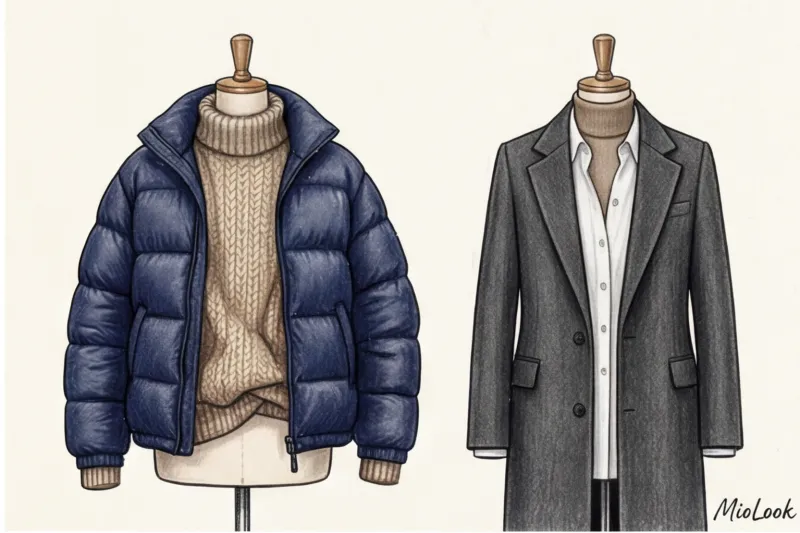
"Layering doesn't work if your outerwear fits snugly and is exactly true to size. For a winter wardrobe, you should always buy a coat or down jacket one or two sizes larger than your summer one to leave room for air and sweaters."
— Olena Kovalenko
5 Ready-Made Outfits: Layered Winter Looks for the City
Theory is great, but let's move on to practice. Analyzing queries in MioLook I've compiled 5 of the most popular and reliable schemes that I use for my clients.
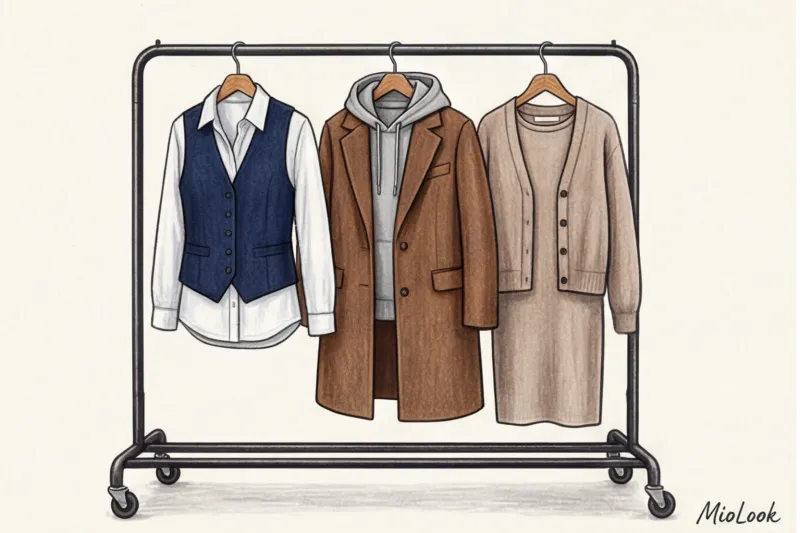
Scheme 1: Business (For strict office routines)
Fine merino wool turtleneck + thick cotton shirt + loose wool jacket + straight maxi coat.
Leave the shirt unbuttoned 3-4 buttons to reveal the turtleneck. Be sure to let the shirt cuffs extend 1-1.5 cm beyond the jacket sleeves—this creates a put-together, expensive look.
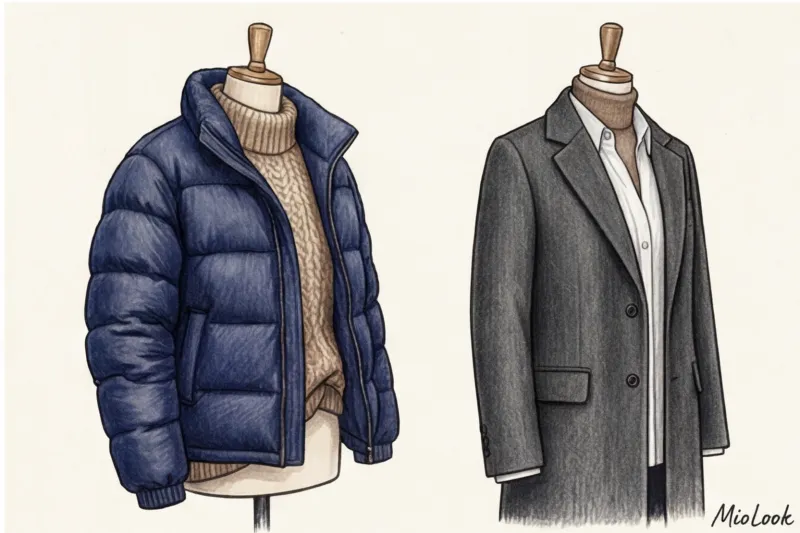
Pattern 2: Smart Casual (For Fridays or creative professions)
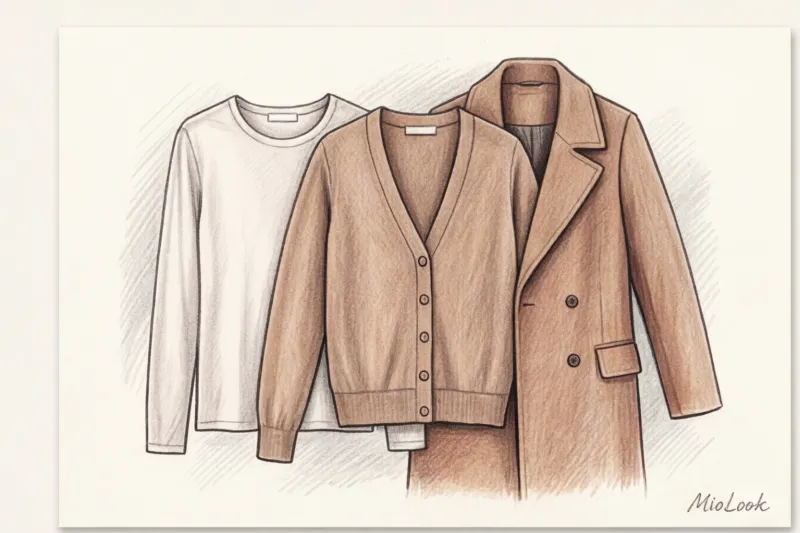
A thick basic T-shirt + a thin cashmere V-neck jumper + a leather jacket or trench coat + a voluminous coat.
The T-shirt protects the expensive cashmere (costing from €150) from contact with the body, prolonging its life, and the leather layer perfectly blocks piercing winds.
Scheme 3: Weekend (For walks and brunches)
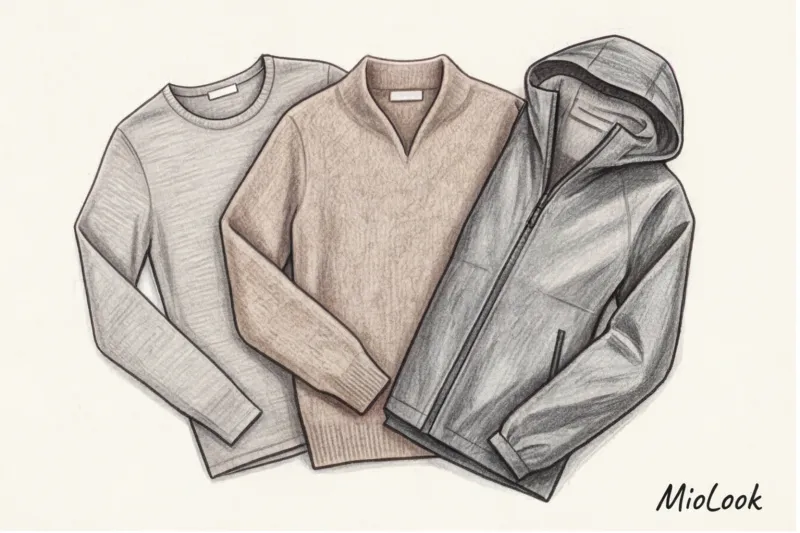
Cotton long sleeve top + oversized hoodie + thin quilted vest + loose-fitting down jacket.
We unfurl the hood of the hoodie over the down jacket. If we're going to a warm café, we remove the down jacket, and layer the vest over the hoodie for a stylish and structured look.
Pattern 4: Feminine (For dates and theaters)
Silk slip dress + thermal tights (nylon effect on fleece) + voluminous textured knit sweater + Cheburashka fur coat (eco-fur).
A play on stark contrasts: flowing, soft silk and a coarse, cozy knit. To define the waist, the sweater's hem can be folded slightly and secured with a thin belt.
Scheme 5: Creative (For those who love complex solutions)
Thin ribbed jumper + denim shirt + herringbone wool jacket + duffle coat or parka.
Denim is the star here. The texture of the denim perfectly balances the conservative feel of a classic wool jacket.
Ready to start experimenting?
Try the MioLook free plan—no commitments required. Artificial intelligence will help you create dozens of new looks from the items already in your closet.
Get access — €0.99 onceModern accessories as part of the winter pie
According to the analysis of the WGSN trend bureau for the winter season 2024-2025, we are moving away from giant scarves-plaids (chunky knits), which visually eat up the neck and make us look like turtles, towards modular accessories What does this mean for layering?

First, hoods and bibs. They provide ideal protection for the chest and neck from the wind, yet lay flat and even under a coat or down jacket. The collar line of the outerwear remains clean and elegant.
Secondly, detachable collars and cuffs. If you're hot in layers but want to create the illusion of a shirt underneath a sweater, use detachable collars and cuffs (they're easy to find in the budget range of €20-€40). This is a brilliant invention for stuffy offices.
Third, long leather gloves. If your coat sleeves are slightly shortened or you're wearing a cape, a long glove that fits under your sweater sleeve creates a luxurious finishing layer and effectively blocks out the cold.
Checklist: Checking Your Layered Look Before You Go Out
To make sure you've done everything correctly, I offer a quick action plan. My clients perform this test in front of a mirror every winter. It takes exactly 30 seconds:
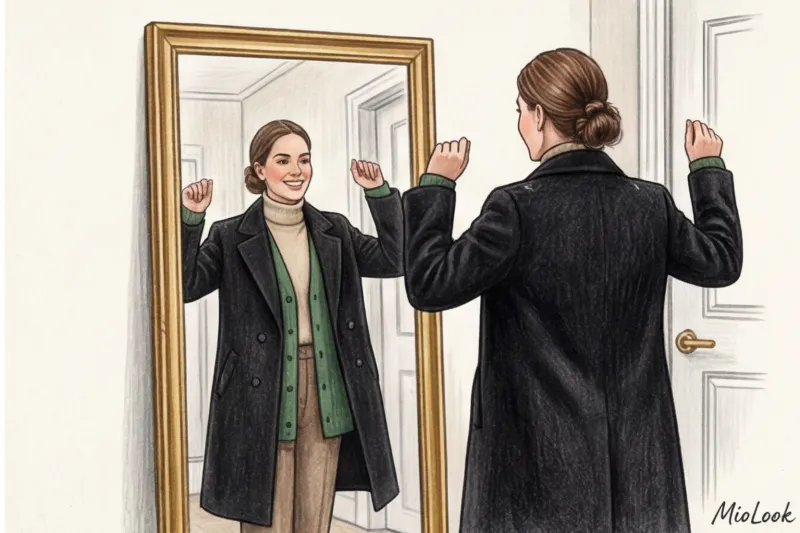
- Mobility test. Raise your arms up as if reaching for an overhead shelf. Squat down, mimicking tying your shoelaces. You shouldn't feel a strong pull in your shoulders, and the sleeves shouldn't dig into your elbows. If they feel tight, the inner layer is too thick.
- Independence test. Take off your outerwear. Does what's left on look like a complete, standalone outfit? If you're embarrassed to take off your jacket because you're wearing a wrinkled, awkward T-shirt underneath, your layering isn't done right.
- Color test. Look at the portrait area (from the chest to the face). Are there at least two (or better yet, three) different shades or textures visible? If you see only one solid black spot on the sweater, add an accent: uncover the collar of a light-colored shirt or add a contrasting bib.
Layering isn't about wearing everything in your closet. It's about an intelligent approach to comfort. I recommend setting aside a couple of hours this weekend, pulling out all your winter pieces, and simply experimenting with combinations in front of a mirror (or taking photos of them in MioLook app ). You'll be surprised, but your perfect, warm, and elegant winter wardrobe is likely already hanging in your closet—you just need to put the pieces together correctly.