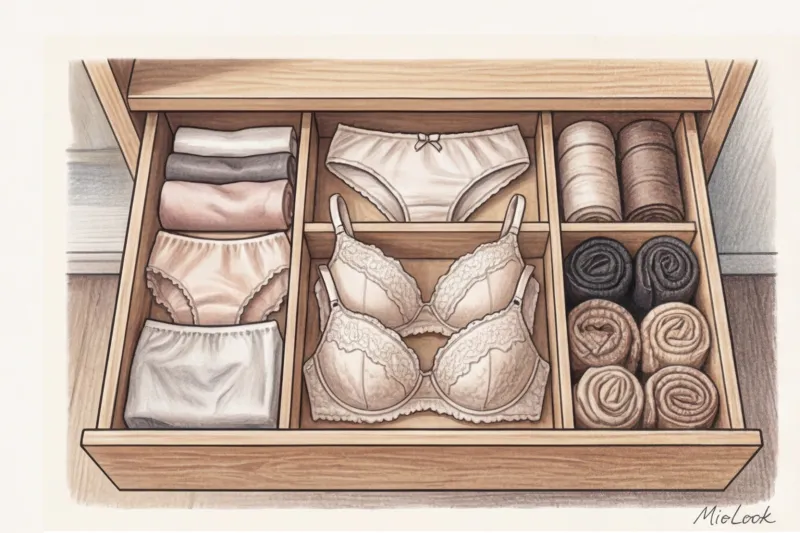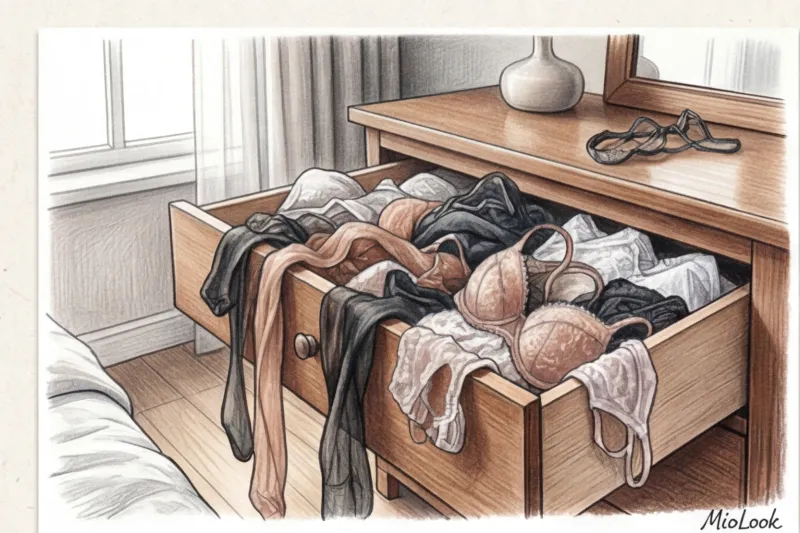
Over 12 years as a personal stylist, I've conducted hundreds of wardrobe analyses. And do you know what area causes the most stress and guilt in my clients? No, it's not the jeans they've been trying to fit into since college, or the dresses from prom. It's the bottom drawer of their dresser. The one where stretched-out bras, lonely socks, and nylon tights with drawstrings are all tangled up in a tight knot.
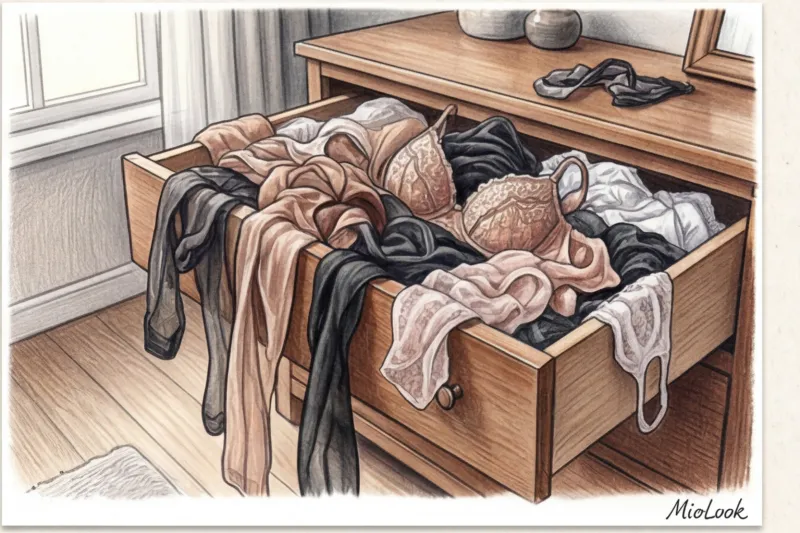
The question is, Where to donate old underwear , usually causes paralysis. We easily give away coats or sweaters to friends and resell bags, but underwear is taboo territory. We covered the global recycling system in more detail in our complete guide: Where to donate old clothes: recycling rules However, the bottom layer of the wardrobe requires a completely different approach. It's not just a matter of decluttering; it's the most complex technological challenge of our time.
The Hidden Wardrobe Crisis: Why Deciding Where to Donate Old Underwear Is Harder Than It Seems
Organizing your look begins with the invisible layer. Visual noise and morning stress build up precisely when you're frantically searching for the perfect bra to match your white T-shirt, sifting through dozens of worn-out options. But why do we cling to them so desperately?
A powerful psychological barrier—the "cost trap"—comes into play here. At a recent fashion show in Milan, my client, with tears in her eyes, refused to throw out a silk bra from Agent Provocateur she'd bought five years ago for €180. It didn't matter that the lace had yellowed and the underwire was deformed. Her brain refuses to equate an expensive item with trash.
"We don't keep old underwear because we plan to wear it. We keep it as a monument to the money spent and the bygone eras of our bodies."
Historically, this problem arose relatively recently. In 1939, the chemical company DuPont introduced nylon (polyamide) to the world. This gave women incredible freedom, durable stockings, and a perfect fit. But no one imagined back then that this chemical triumph would plant an environmental time bomb a century in the future.
Anatomy of the problem: elastane, polyamide, and spandex
If you look at the tag of your favorite seamless panties, you'll rarely see 100% cotton. The modern industry relies on blended materials. For comfort, we need 5-15% elastane (also known as spandex or lycra).
This percentage of elastane is a nightmare for recycling factories. Chemically separating natural cotton fiber from the finest rubber thread is now virtually impossible. According to the Ellen MacArthur Foundation's 2022 global report, less than 1% of old clothing is returned to the recycling cycle as new fabric. For underwear, this figure approaches zero.
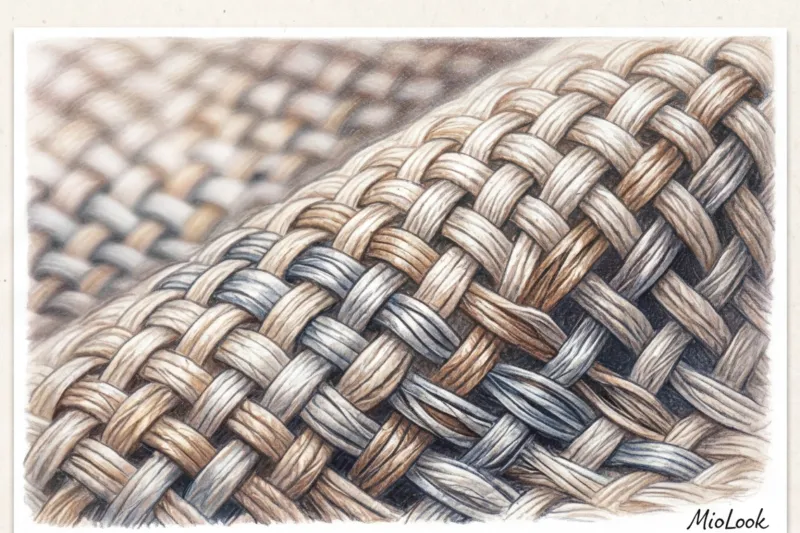
The harsh truth: a synthetic lace bra or nylon tights will take 30 to 100 years to decompose in a landfill, releasing microplastics into groundwater. Simply throwing them in the trash is passing the problem on to our great-grandchildren.
Access to MioLook for €0.99 — one-time payment
A smart AI stylist will select the perfect look for every day and help you organize your wardrobe.
Get access — €0.99 onceBusting the myths: where you definitely can't donate old underwear
The most dangerous and common misconception I encounter is: “I’ll wash old panties at 90 degrees and donate them to a homeless charity.” Stop. This is strictly prohibited.
Charities, shelters, overnight shelters, and crisis centers do not accept used underwear (underwear, bodysuits, tights), even if you've dry-cleaned it. These are strict sanitary regulations and laws, and violations can result in hefty fines for charities. The risk of transmitting skin infections and parasites is too high. The only exception is brand-new items with intact cardboard tags and factory seals.
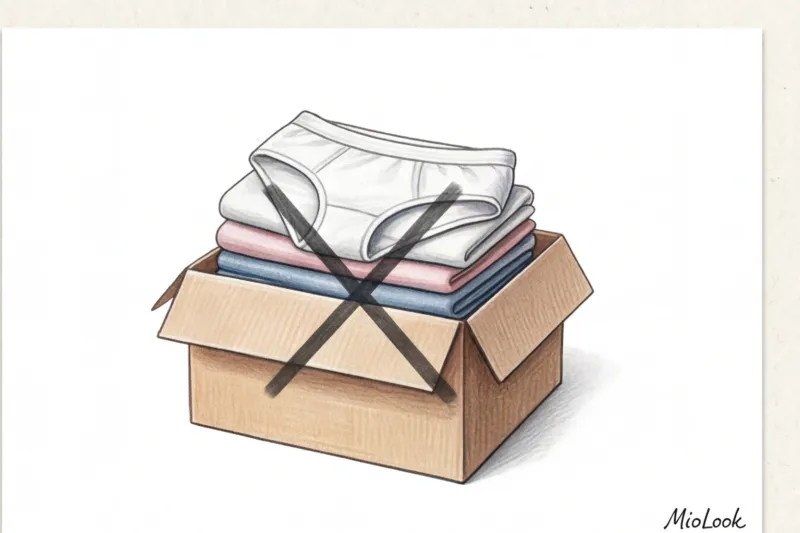
As for free markets, swap meets, and garage sales, the rules of the secondary market are strict. Bringing used underwear is considered bad form and a gross violation of etiquette. The only exceptions are corsets or bralettes worn as outerwear over shirts, but even their sale on platforms like Vestiaire Collective is strictly regulated.
Instructions: Where to recycle old underwear
So what's to be done? Recycle. Most countries already have infrastructure in place to collect complex textiles. In Russia, these include foundations and eco-centers like "Second Wind" or "Sobirator."
The process of recycling linen is brutal. They don't try to untangle the items into threads. They're sent to a giant industrial shredder—a fiber-de-fibering machine. There, the fabric is chopped into a fine dust and pressed. This mass is used to create cleaning materials for factories (if it contains a lot of cotton) or dense filling for sound and heat insulation in buildings.
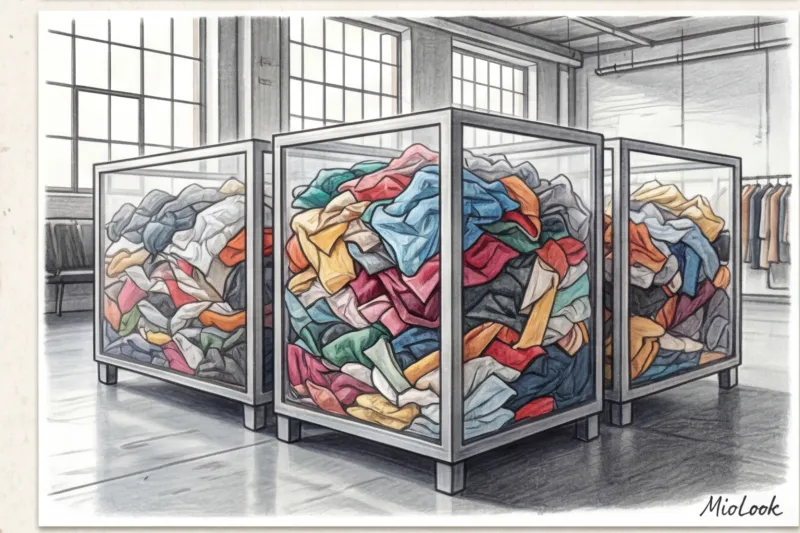
How to properly prepare your laundry for collection:
- Washing is mandatory. Even if an item is going to a shredder for building materials, it must be washed and dried. Sorting staff do this manually.
- Fittings. It's best to remove metal bones from sconces (they can damage the shredder blades), but there's no need to cut off hooks and clasps—the powerful magnets on the line will pull out small metal.
- Marking. Place your laundry in a separate bag and be sure to label it "Recycling/Wash" so volunteers don't have to waste time assessing the condition of your items.
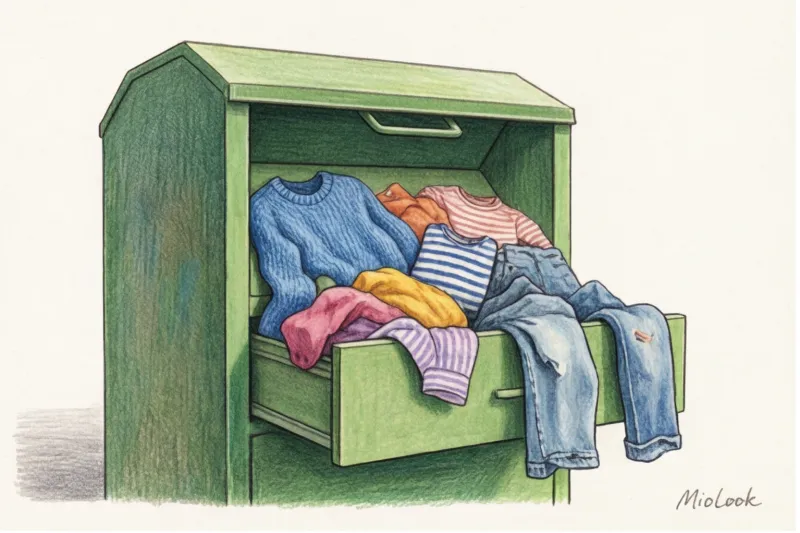
But there is an important limitation here: This scheme won't work if your city doesn't have specialized eco-bins for clothing. Throwing textiles into the regular blue plastic and paper recycling bin is pointless—they'll get dirty and end up in a general landfill.
Your perfect look starts here
Join thousands of users who look flawless every day with MioLook. Digitize your items in just a few clicks.
Get access — €0.99 onceWhat to do with nylon tights: from the trash can to eco-initiatives
Nylon tights (20–40 denier) are a completely different beast. They are made of 100% polyamide with added spandex. They should not be packaged with cotton bras, as polyamide melts differently.
The industry ignored this problem for a long time until Scandinavian brands took matters into their own hands. A perfect example of circular fashion is Swedish Stockings. Not only do they produce tights from recycled nylon, but they also launched a global Recycling Club program. You can send them torn tights from ANY brand. At the factory, they shred them, melt them down, and turn them into fiberglass tanks or outdoor furniture. They literally make designer tables out of old tights!
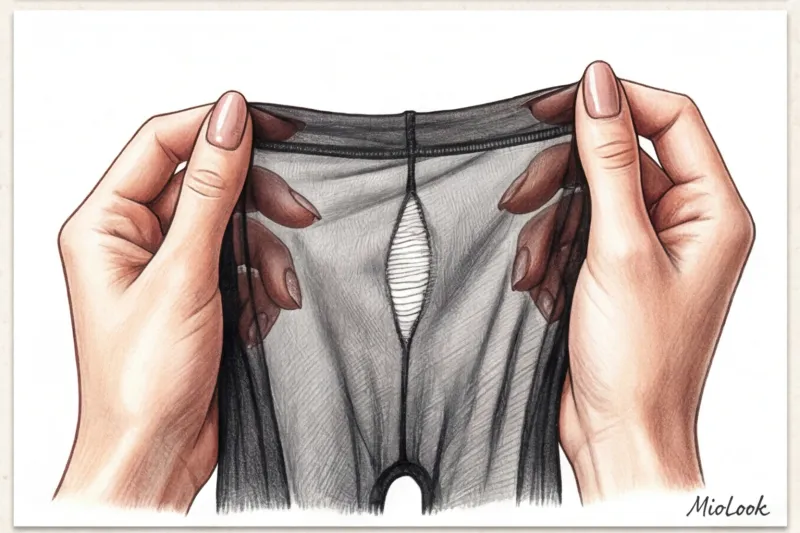
Look for local initiatives in your region. Many shoe and lingerie brands (for example, Calzedonia during special promotions) provide storage boxes exclusively for nylon.
A second life for nylon without the "dacha" clichés: stylish upcycling
When we talk about recycling nylon at home, we immediately imagine Soviet-era images: onions hanging in stockings in the kitchen, or dish sponges. Forget it. Modern upcycling can and should be aesthetically pleasing.
Here are three working ways to give nylon a second life that you won't be ashamed of:
- Hidden frame for scrunchies. Oversized fabric hair ties remain trendy (Vogue named them a major micro-trend back in 2023, and they're still going strong). Old tights, cut into rings, serve as the perfect, incredibly stretchy inner lining instead of easily frayed elastic bands.
- Filler for crafting. Pure, chopped nylon is a fantastic filling for heavy interior knot pillows or textile toys (amigurumi). It doesn't clump when washed, unlike cheap synthetic padding.
- Polishing smooth leather. A crumpled nylon stocking polishes expensive leather shoes (oxfords, loafers) to a mirror shine better than any professional velvet cloth. This is the secret of old Italian shoemakers.
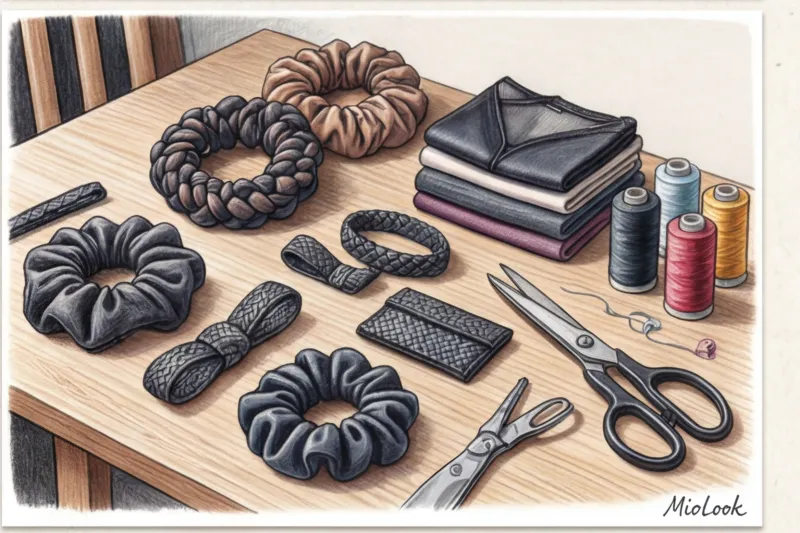
A Stylist's Checklist: How to Properly Audit Your Lingerie Drawer
To avoid being faced with a mountain of dead stock every season, you need to conduct an audit rigorously and without sentimentality. In my practice, I use the "One Year Rule." If you haven't worn this bra in the last 12 months, you don't need it. Period.
The item must leave the wardrobe immediately (sent for recycling) if you notice:
- Deformation or rupture of the metal bone (this is dangerous for the health of the breast).
- Loss of elasticity in the band: if you fasten the bra on the tightest hook and it still rides up your back, the thing is dead.
- Stubborn grey deodorant stains or thinning gusset.
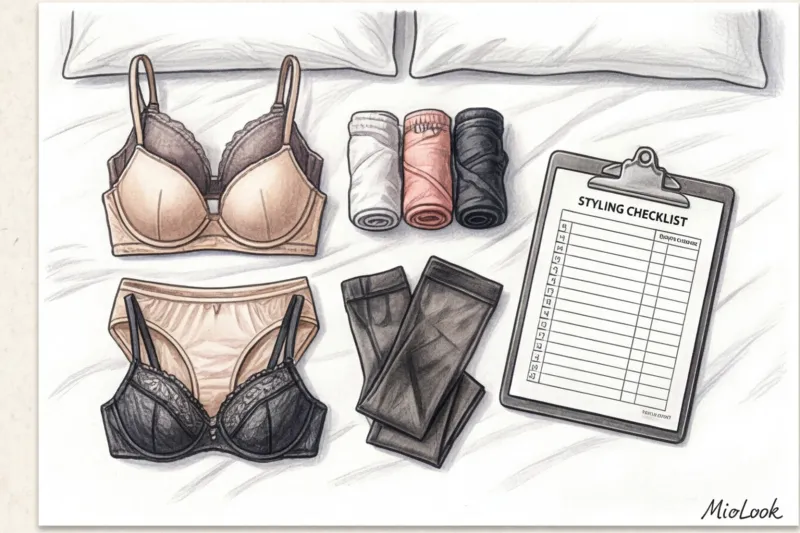
To avoid impulse purchases that end up as dead weight in the future, I recommend digitalization to my clients. List your ideal, functional sets in MioLook When you see in the app that you already own three black basic bras, you won't be tempted to buy a fourth one on sale.
Ready to get started?
Try MioLook's free plan—no commitments required. Upload your wardrobe and let AI create the perfect combinations for you.
Get access — €0.99 onceThe Future of Industry: Game-Changing Brands
The fashion industry is gradually waking up to the scale of the disaster. According to a McKinsey report (2024), the transition to a circular fashion is no longer a matter of marketing, but a matter of brand survival.
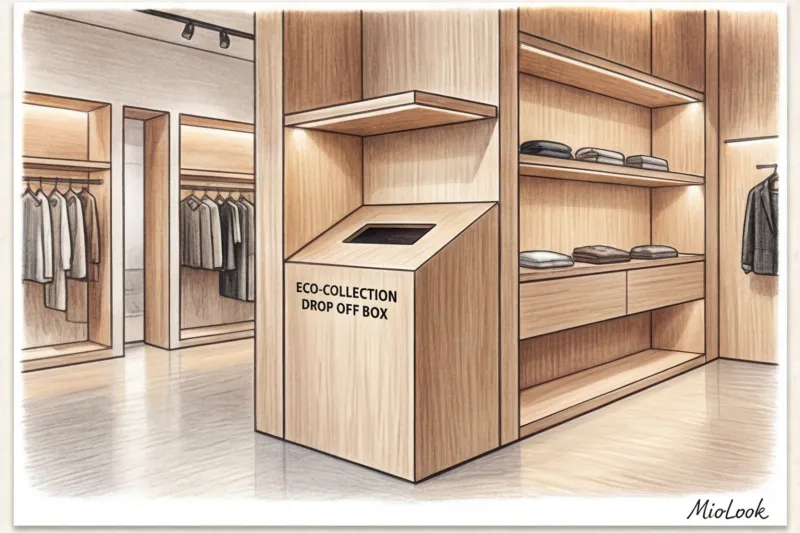
More and more brands are launching permanent take-back programs (return programs). For example, Intimissimi or H&M offer discount vouchers (usually around €10–€15) on new collections for returning a package of old items, including underwear. This is a great incentive for consumers.
Innovative materials are being developed at the same time. The development of biodegradable elastane (ROICA™ V550) means that in 5-7 years we'll be able to buy panties made from organic cotton and bio-spandex that can truly be safely composted at the end of their life cycle.
But until that future arrives, the responsibility lies with us. Wardrobe mindfulness doesn't end with buying an expensive cashmere coat. It begins in the most invisible layers of your clothing. Take the first step: empty your underwear drawer today, put the stretched-out and itchy items in a bag labeled "Recycle," and keep only the items that make you feel like a goddess.