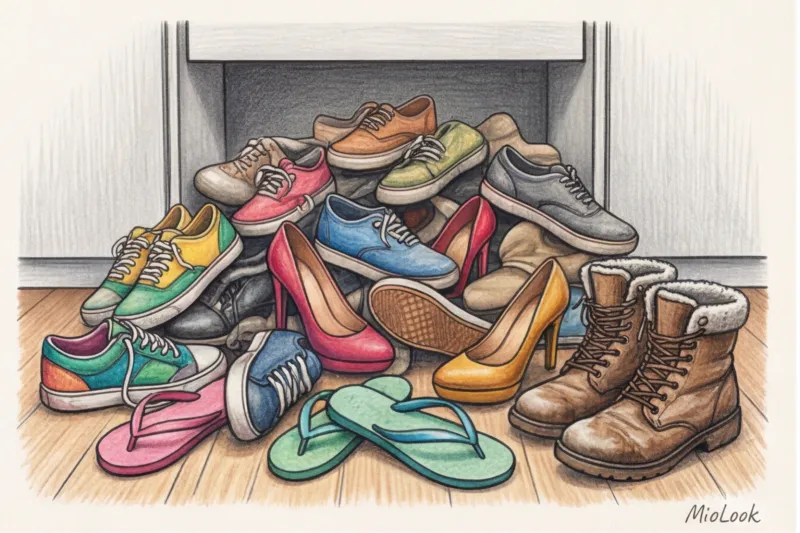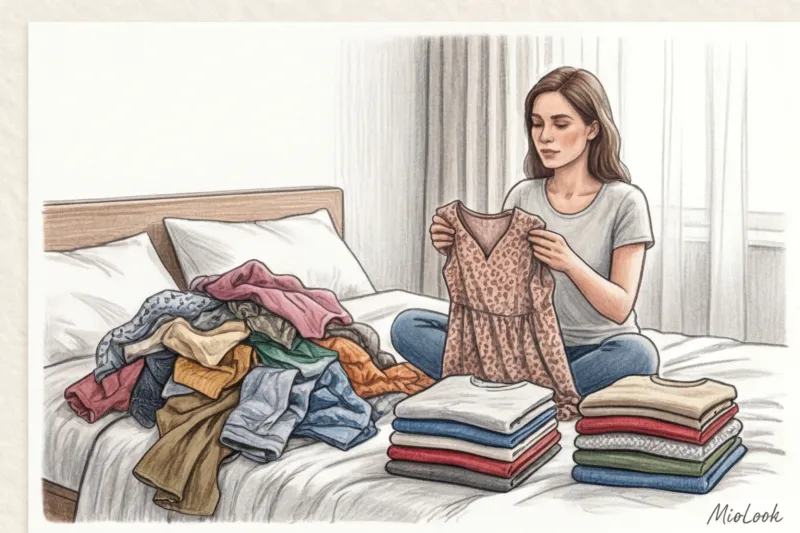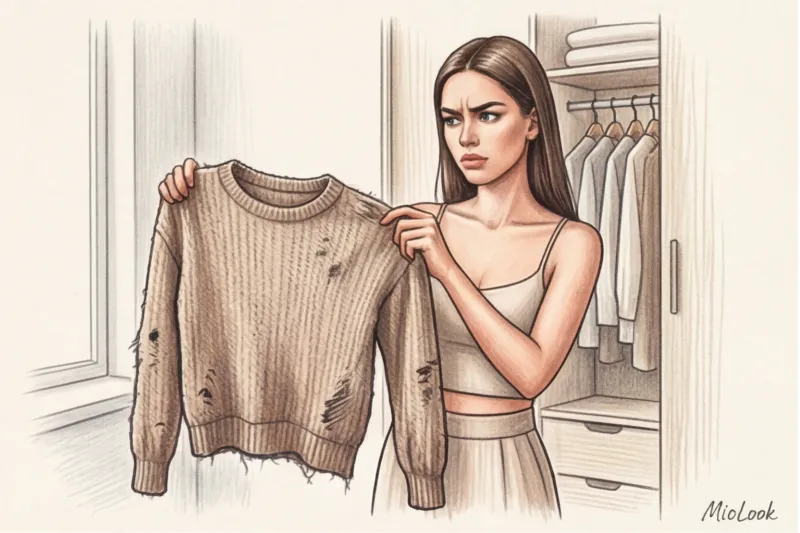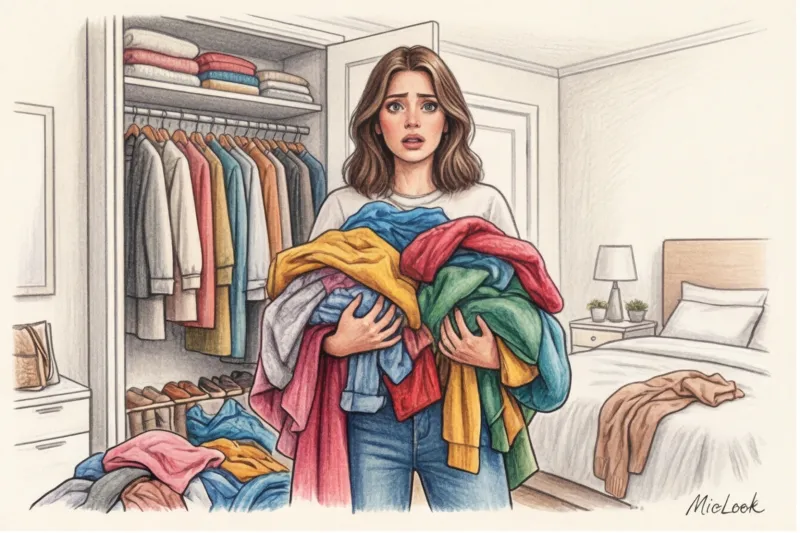
I was recently sorting through the wardrobe of one of my clients, a top manager at an international IT company. In the farthest, darkest corner of her closet, we discovered a veritable "mass grave" of 12 pairs of shoes and ankle boots. The cheap faux leather had long since cracked, and the lasts were loose. When I asked her why she was keeping them, she sighed, "I just don't know." Where to donate old shoes "So as not to harm the environment. I can't bring myself to throw them in the trash." Because of this guilt and overcrowded shelves, she forbade herself from buying quality basic shoes for years.
This situation happens all the time in my practice. We've learned to sort plastic and recycle cardboard, but when it comes to accessories, the system breaks down. We've covered textile recycling in more detail in our The complete guide to recycling old clothes However, shoes and bags are a whole other level of complexity.
Why the question of "where to donate old shoes" is more complicated than it seems
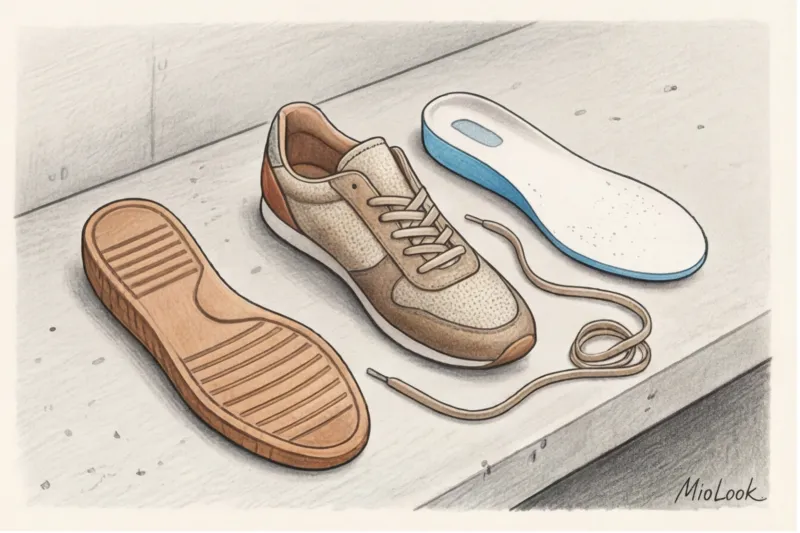
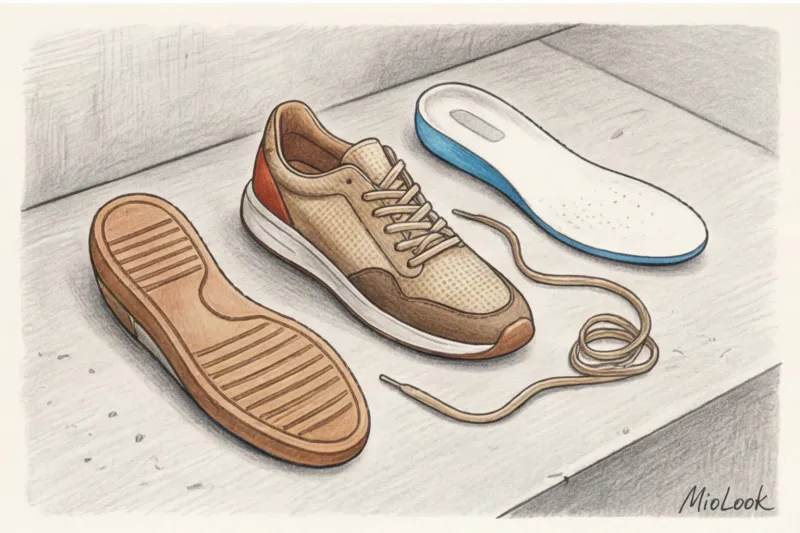
Recycling a cotton T-shirt and a sneaker are two fundamentally different processes. A T-shirt is a single material that can easily be shredded and turned into furniture stuffing or rags. Shoes, on the other hand, present a true chemical and structural nightmare for sorting centers.
According to a 2023 report by the Ellen MacArthur Foundation, the average running shoe consists of 40–65 different components. It's a pressed-together collection of rubber, polyurethane foam, textiles, metal hardware, plastic inserts, and genuine leather. And all of this is sealed in toxic glue. Separating this material into its components by machine is virtually impossible. As a 2022 McKinsey study notes, over 90% of discarded shoes worldwide are simply sent to landfills, where the synthetic soles take centuries to decompose.
Donating heavily worn, torn, or smelly shoes to charities is a disservice. It's not environmentally friendly, but rather a selfish act of shifting the costs of sorting and disposing of your waste onto non-profit organizations.
That's why I suggest viewing recycling not as a spring cleaning, but as a process of "offboarding" (the environmentally friendly decommissioning of your belongings). It's a comprehensive personal style audit that begins with proper sorting.
Stylist's Checklist: Sort Accessories Before Recycling
Decluttering is always emotionally taxing. It's especially difficult to part with prestigious items that were once expensive but have irrevocably lost their appeal. A worn-out designer bag can cheapen and ruin even an impeccably tailored suit. To avoid unnecessary sentimentality, I recommend using the strict three-pile rule.
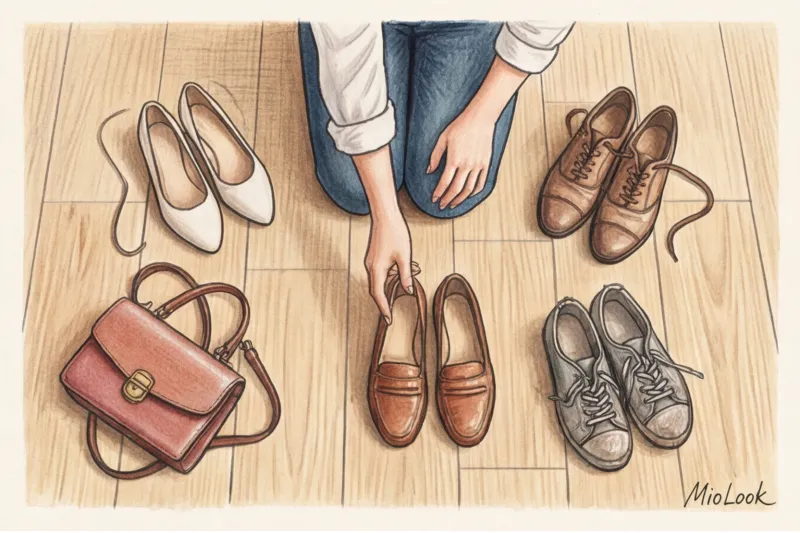
Category 1: Resale and Second Life
This includes items you've worn once or twice and realized the fit isn't right, as well as designer bags with minimal wear. Proper pre-sale preparation can work wonders. Replacing heels, lightly dry cleaning sneakers, or polishing a bag's hardware can increase its value on resale platforms (such as Vestiaire Collective or local equivalents) by 30-40%.
Category 2: Charity (in good condition only)
The "wearability" criteria for charities is very strict. An item must be such that someone could immediately put it on and go about their business. What we check:
- No holes or worn down heels.
- Fully working zippers and locks.
- Clean inner lining (no visible footprints) and no odor.
Remember: foundations require roomy everyday bags, basic, warm flat shoes, and sneakers. Suede over-the-knee boots with 12-centimeter heels won't do any good there.
Category 3: Recycling only
If the faux leather has started peeling off in flakes, the sole has split in half, and the heel has worn down to the plastic frame, the shoe's life is over. The worst thing you can do is relegate such shoes to the countryside or to "dirty work." Firstly, a worn-out last ruins your gait and damages your joints. Secondly, you're simply transferring debris from one location to another.
Ready to digitize your style?
Try MioLook for free: A smart AI stylist will help you analyze your wardrobe and show you which items work for you and which ones are time to retire.
Get access — €0.99 onceWhere to Donate Old Shoes: Proven Eco-Friendly Routes
So, you've selected the third pile—the obvious trash. What to do with it? In large cities, there are specialized eco-boxes and funds (for example, federal textile collection projects). Their containers are often located in shopping centers or creative clusters.
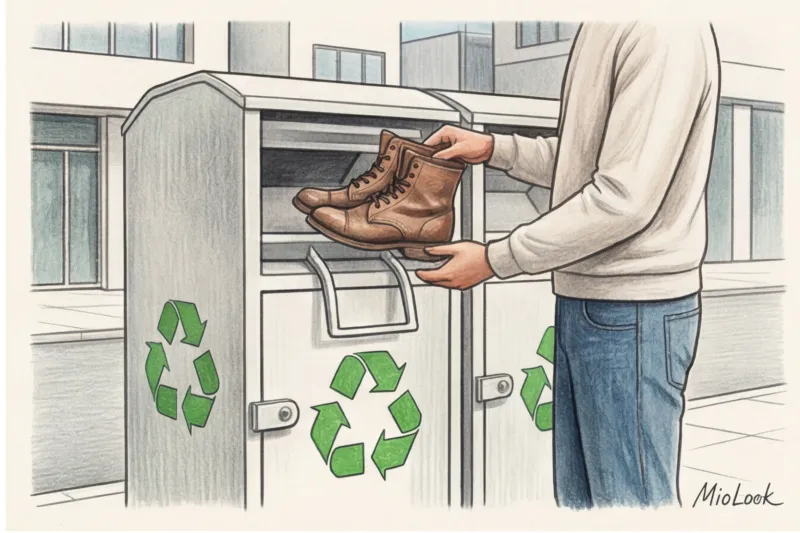
But the most convenient option for busy people is retail trade-in programs. International brands like Vagabond, Zara, and H&M (and their regional equivalents) often accept old shoes of any brand. You drop the bag in the box at the checkout and receive a voucher for a 10-15% discount on a new collection.
What happens to the shoes next? Most often, they're shredded through industrial shredders. The resulting shreds are separated with powerful magnets (to remove metal), and the remaining rubber and plastic are used to make playground and sports surface materials.
Important limitation: Trade-ins are only environmentally friendly if you planned the purchase from the start. If you trade in old sneakers just for the discount and buy a fifth pair you don't need, that's not being mindful, but rather supporting greenwashing and overconsumption.
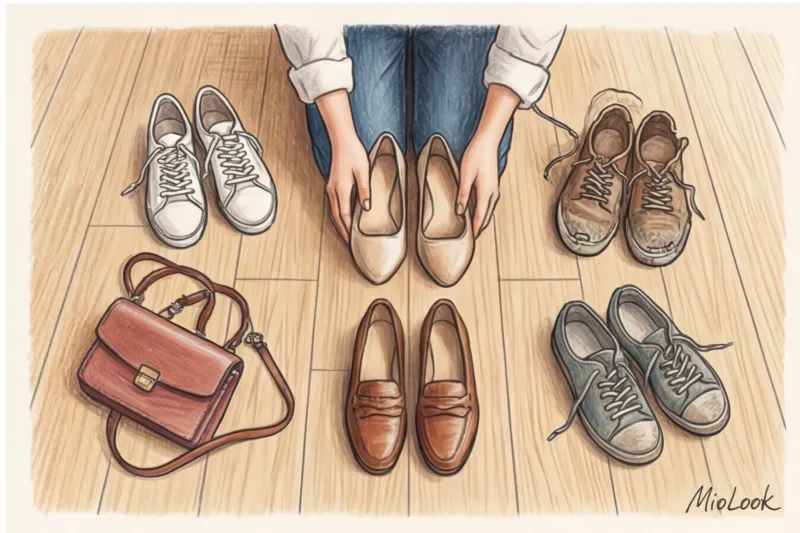
What to do with old bags: from leather to polyester
While the shoe issue is gradually being resolved, bags are being accepted for recycling much less frequently. The problem lies in their construction. They are bulky, difficult to compress, and contain a huge amount of mixed hardware.
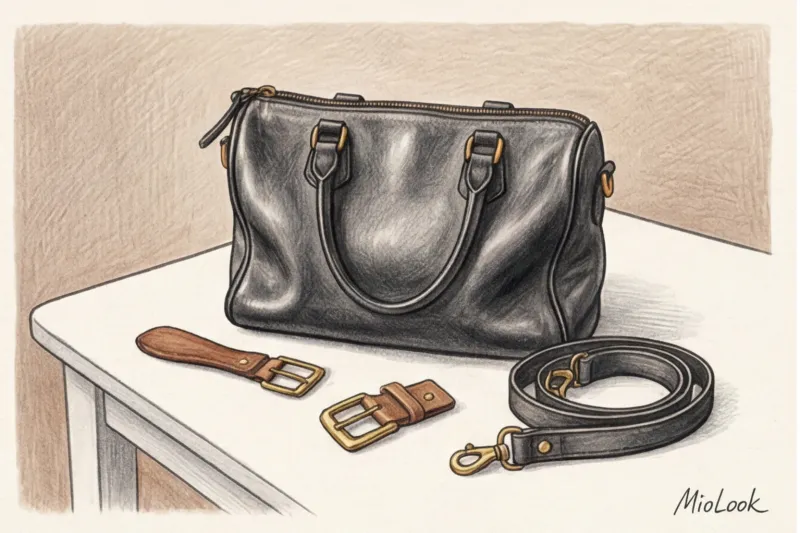
I always advise clients to take one important step before dropping off their bag at the eco-box: grab a pair of scissors. Cut off all metal chains, heavy locks, snap hooks, and large buckles. The metal can be recycled separately (or thrown away), but the key is to prevent it from jamming the blades of the industrial shredder on the textile recycling line.
It's also important to understand the differences between materials. Genuine leather items are more difficult to recycle due to the tannins, but they last for decades. Bags made of cheap faux leather (essentially polyurethane on a fabric backing) last only one or two seasons, after which the top layer inevitably cracks in the cold. Recycling them involves incineration in factories with filtration or grinding them into building filler.
If your bag has lost its appearance on the outside but still has a rigid frame, try this life hack: cut off the handles and use it as a thick fabric organizer inside large drawers for storing seasonal items.
Shoe SPA: When restoration is more profitable than recycling
Before you throw something away, consider the repair costs. Over 12 years of working as a stylist, I've learned a clear rule: it's almost always more cost-effective to repair a quality base garment than to replace it.
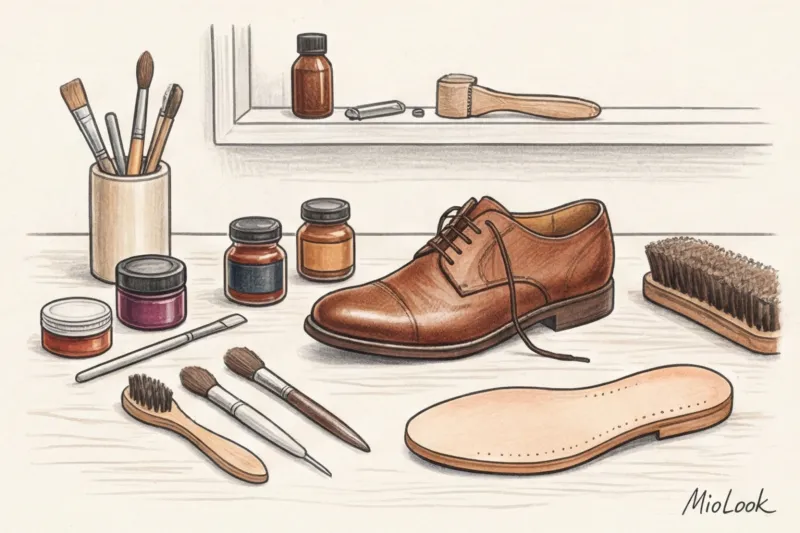
Let me give you a personal example. A couple of years ago, my favorite basic thick leather loafers lost their color, and deep scratches appeared on the toes. Instead of throwing them away, I took them to a reputable restoration shop. Replacing the sole, deeply moisturizing the leather, and completely repainting them cost me about €40. Buying similar new, high-end loafers would have cost between €250 and €300. I extended the life of a perfect pair for another three seasons for a fraction of the cost.
Today, sneaker dry cleaning services have reached a new level. They can whiten yellowed sneaker soles, repair cracked handles on your favorite tote, or restore suede. The difference between "junk" and "beloved vintage" is often measured in just one visit to a reputable professional.
How recycling bags and shoes helps you build a smart wardrobe
Getting rid of old clothes isn't just a tidying process. It's a valuable way to analyze your style. I call this process "keeping a diary of mistakes." Paying attention to HOW EXACTLY your shoes wear out can save you thousands of euros in the long run.

Have you noticed that the inside of your sneakers is constantly wearing through? Chances are, you're choosing a last that's too loose, causing your heel to "wobble" when you walk. Are your bag handles constantly coming off? Are you carrying too much weight for shoes with thin seams? Is your suede wearing out within a month? You're probably skipping water-repellent treatments during the fall season.
Integrating AI into wardrobe management takes this analysis to a new level. For example, the "smart wardrobe" feature in the app MioLook allows you to track your Cost Per Wear (CPOW). If you wear a pair of €80 high-street ankle boots four times before they fall apart, their CPO is €20. And a pair of €200 leather Chelsea boots that you wear for three years (around 250 times) is worth less than €1 per wear. Wear data is the foundation for planning truly high-quality purchases. By the way, if you're planning to declutter, I recommend our A step-by-step plan for digitizing your wardrobe in a weekend.
Your perfect look starts here
Join thousands of users who look flawless every day and save on smart purchases with MioLook.
Get access — €0.99 onceSummary: An algorithm for eco-friendly farewell to accessories
To help you take the stress out of decluttering, use this simple step-by-step plan that's easy to screenshot and implement this weekend:
- Grade: Take out all your shoes and bags. Try on something you haven't worn in a while. Ask yourself honestly: would you invest money in repairing this item?
- Preparation: Divide items into three piles (Resale/Charity/Disposal). Remove heavy hardware from items to be thrown away, and wipe and clean items for the charity.
- Route selection: Find your nearest textile fund eco-box or take the bag to a chain store that supports the Trade-in program.
- Analysis: Write down why you threw out specific models (uncomfortable last, poor material, impulse purchase) so you don’t repeat the mistake.
Remember: an empty shelf of worn-out, uncomfortable shoes isn't a loss. It's space freed up for something that will truly enhance your comfort and confidence every day. Invest in quality, take care of your accessories, and say goodbye to those that have outlived their usefulness with gratitude and wisdom.